



Serpentine Top Mirror
These serpentine top mirror examples are distinct furnishings, offering collectors curved glass frames and cabinetry from eighteenth-century and nineteenth-century periods.
Serpentine Top Mirror
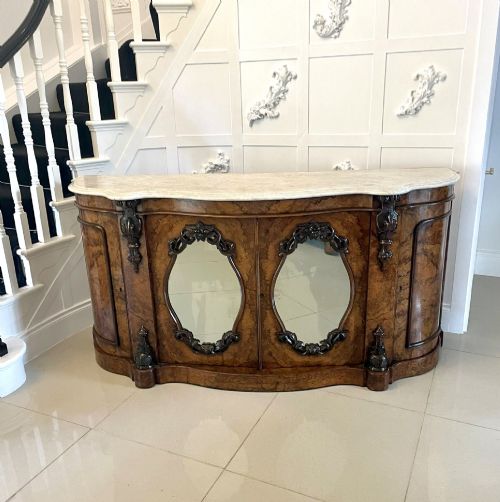
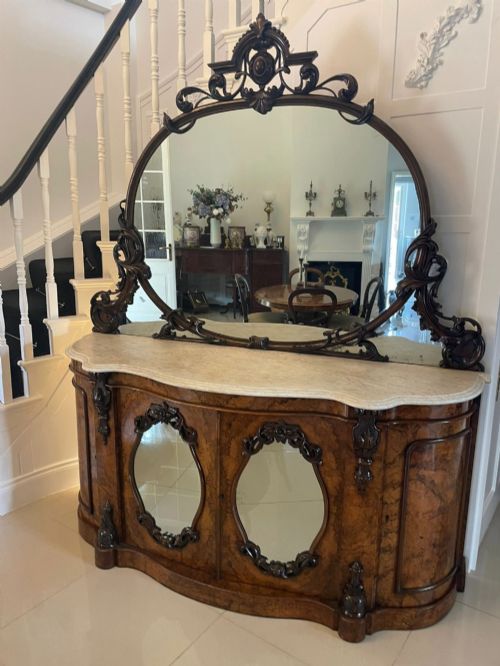
A serpentine top mirror brings together fluid, undulating wooden frames and dressing table designs spanning the Georgian and Victorian eras. When buyers search for a serpentine top mirror, they encounter dressing table mirrors, wall mirrors, and larger credenzas featuring mirrored backs with distinctive curving upper profiles.
The pieces appearing on this page stretch from the eighteenth century through to the late nineteenth century and early twentieth century. Walnut, mahogany, and painted wood dominate the framing materials, often paired with matching dressing tables or large sideboard bases.
Victorian examples in burr walnut and flame mahogany appear most frequently alongside Georgian iterations. These furnishings range from compact dressing mirrors designed for tabletop use to substantial architectural wall fixtures.
How they were made
Cabinetmakers utilised dense hardwoods such as mahogany and walnut, frequently applying burr walnut veneers to achieve rich surface grain patterns on the frames and associated credenza bases. Carved wooden elements define the Rococo Revival and classical styles seen across these listings.
Glass production relied on traditional silvering techniques for the mirror plates, set within hand-shaped frames that followed the characteristic serpentine curve. Brass hardware and occasional marble tops completed the construction of the larger console and credenza forms.
Serpentine Top Mirror Retail Price Guide 2026
Typical asking prices for serpentine top mirror among the pieces listed under this phrase on Sellingantiques today, from the lower quarter to the upper quarter. They describe what is for sale here now, not the wider market.
Object forms on this page include console tables, credenzas, and dressing table mirrors alongside wall-mounted examples.
What varies in quality
Quality rests upon the crispness of the wood carving along the undulating frame and the depth of the veneer selection, particularly in burr walnut and flame mahogany pieces. Superior items display harmonious proportions where the serpentine curve of the mirror matches the contour of its base or support.
The integrity of the original mirror glass and the precision of the joinery distinguish higher grade pieces from standard workshop output. Preservation of original surface finishes and secondary woods further separates exceptional examples from ordinary ones.
The Serpentine Top Mirror Glossary
- Serpentine
- A curved line that swells outward and then recesses inward, creating a gentle undulating shape along the top edge of a mirror frame or the front of a cabinet.
- Burr Walnut
- A wood grain featuring swirling patterns formed from tree growths, highly prized by nineteenth-century cabinetmakers for veneering prominent furniture surfaces.
- Credenza
- A large base cabinet, frequently topped with marble and paired with a carved mirror back in Victorian dining rooms and parlours.
- Flame Mahogany
- A figured mahogany veneer cut from the fork of the tree, producing a distinctive leaping flame pattern across the wood surface.
- Rococo Revival
- A nineteenth-century design style reviving eighteenth-century curving asymmetrical forms, shell motifs, and elaborate scrollwork.
Serpentine Top Mirror: Frequently Asked Questions
How do I date a mirror?
Dating relies on examining the secondary woods, framing styles, and the character of the mirror glass itself. Eighteenth-century examples often show Georgian proportions, while Victorian pieces utilise burr walnut and flame mahogany veneers.
Construction techniques, such as hand-cut screws and traditional joinery, also help establish the era of manufacture.
Where were these mirrors used?
These mirrors found placement in grand drawing rooms, bedrooms, and entrance halls of period houses. Dressing mirrors sat atop matching tables for personal grooming.
Larger mirror-backed credenzas and console tables served as principal display furniture in formal dining spaces.
How do I care for antique glass?
Antique glass requires gentle cleaning with soft, dry cloths to avoid disturbing the original silvering behind the plate. Chemical cleaners should be kept away from the wooden frames and vulnerable veneer edges.
Maintaining stable room humidity prevents the timber frames from warping around the glass.