

Serpentine Front Furniture
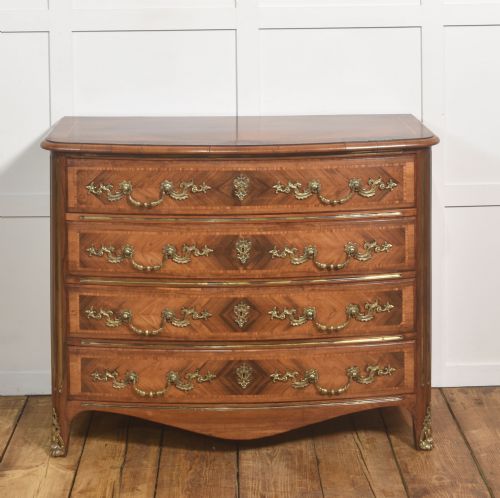
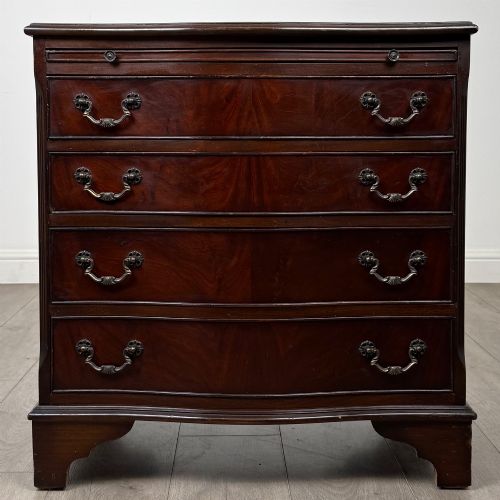
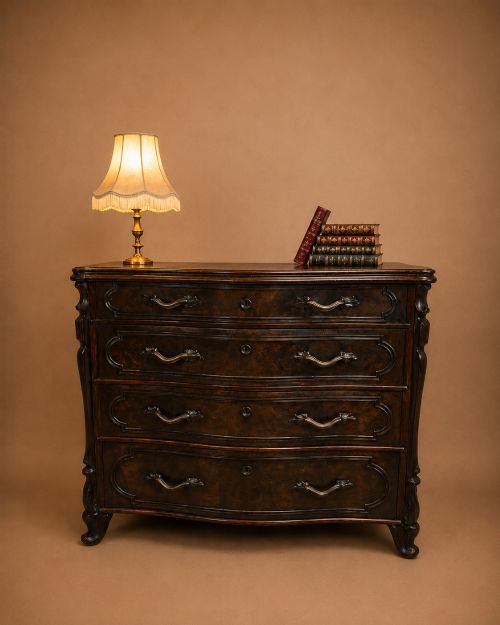
Serpentine front furniture curves with a convex centre flanked by concave wings, offering graceful storage that catches light and transforms a room.
Serpentine Front Furniture
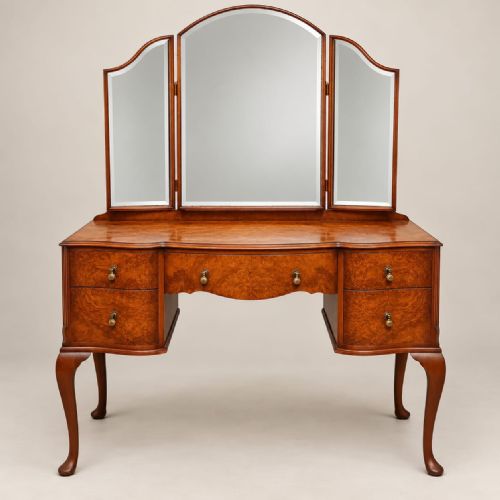
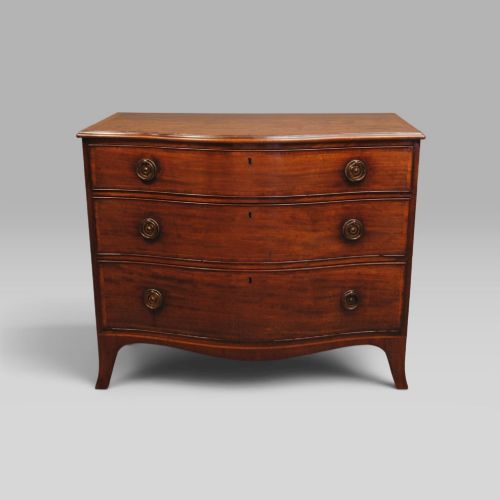
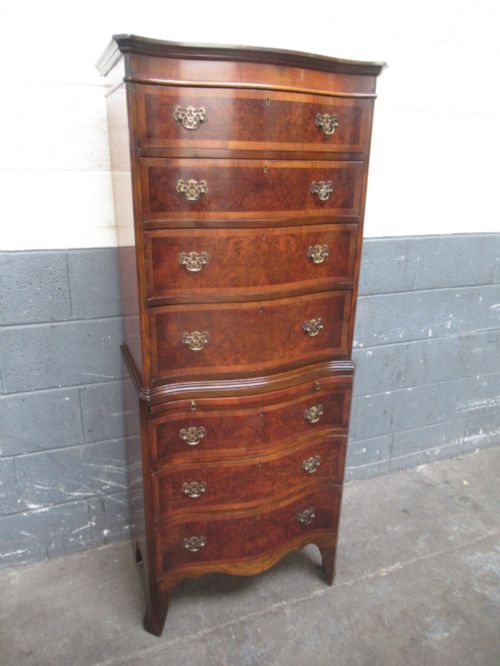
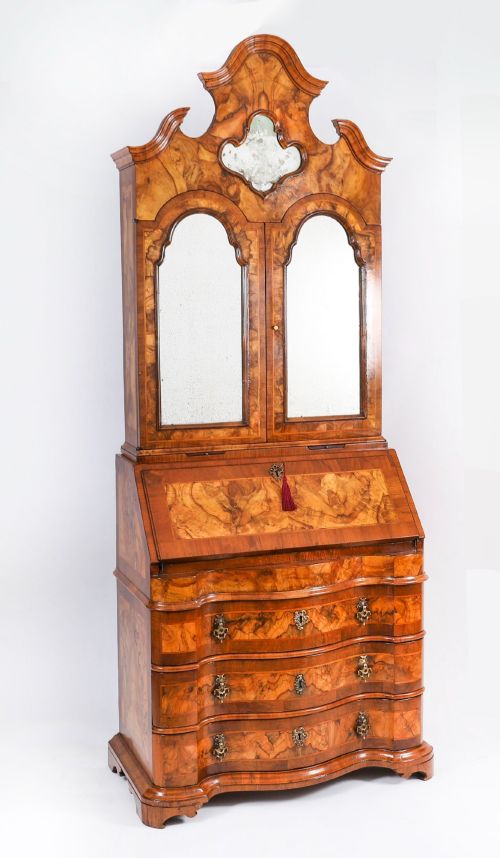
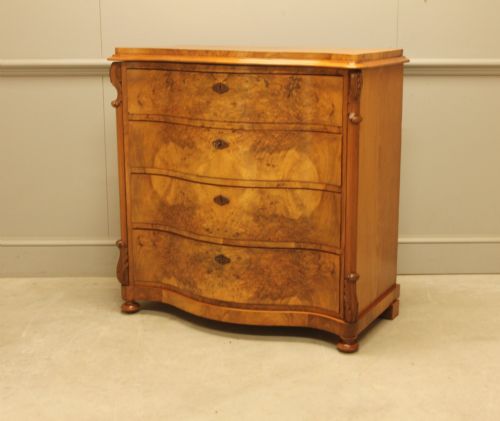
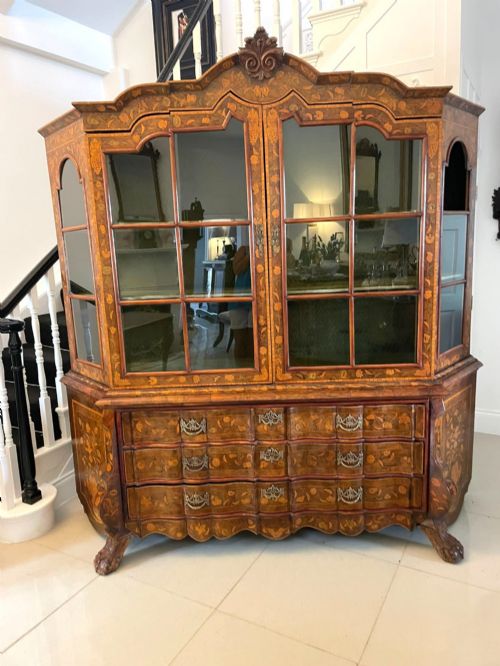
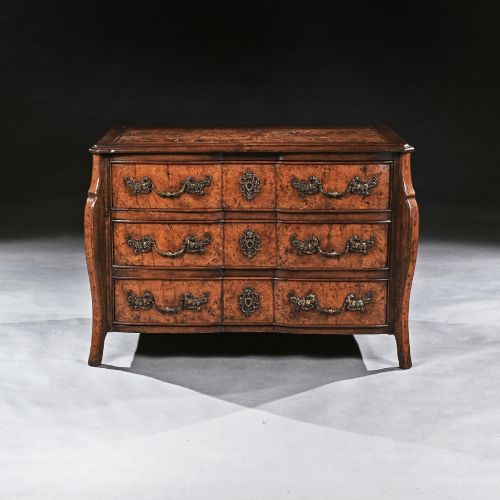
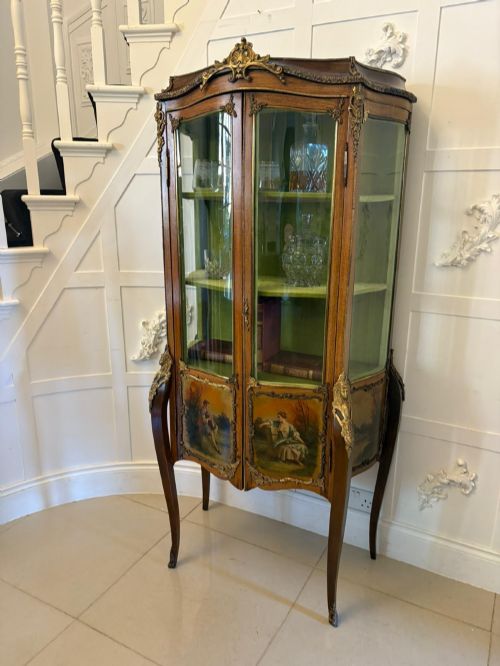
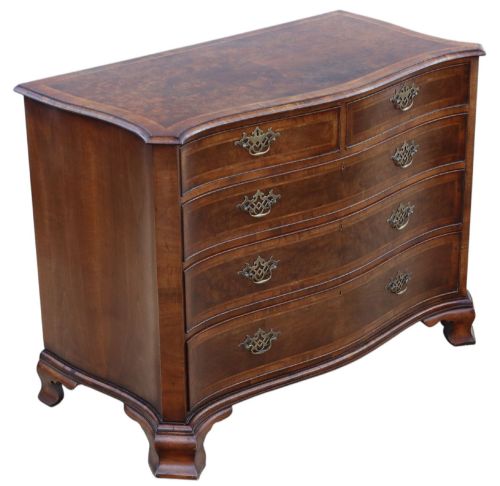
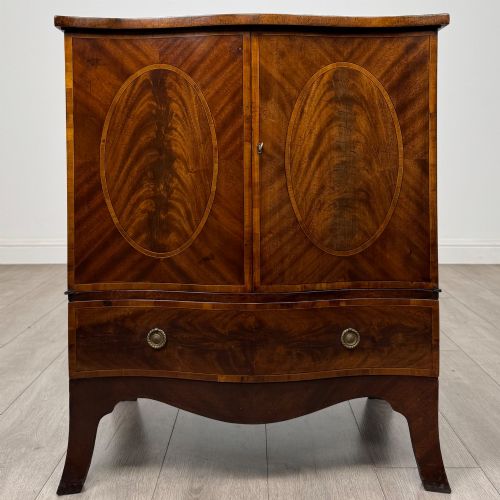
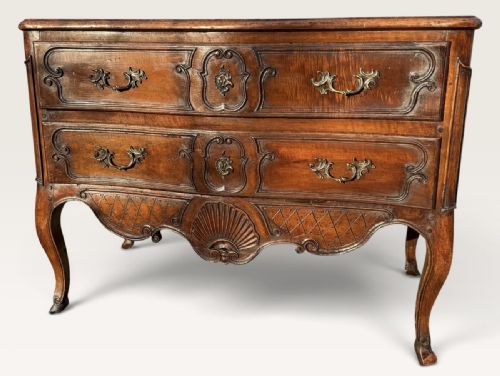
Serpentine front furniture encompasses pieces designed with a distinctive undulating facade, where a central convex curve flows smoothly into concave outer sections. This page displays examples ranging from compact bedside cupboards and tea tables to large commodes, chests of drawers, and display cabinets.
The selections span multiple periods, drawing heavily on eighteenth-century Georgian and continental traditions alongside later revivals from the nineteenth and early twentieth centuries. Buyers encounter mahogany, walnut, burr walnut, and painted wood formed into chests, dressing tables, and writing desks.
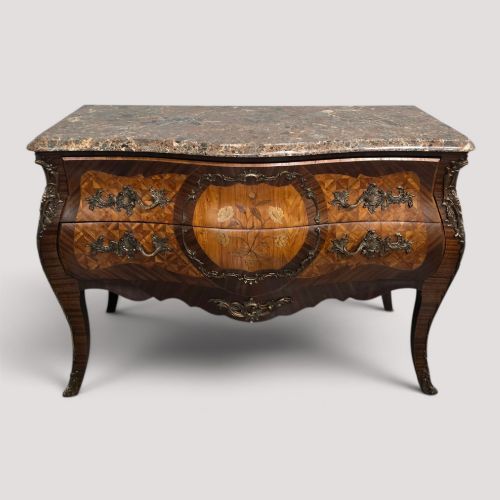
Continental origins appear frequently, including French, Swedish, German, and Italian workshops producing marquetry commodes and bureau bookcases. English iterations often utilise mahogany with satinwood crossbanding or adopt Georgian and Edwardian stylistic revivals.
Materials and construction methods
Cabinet makers constructed these undulating carcasses using dense timbers like mahogany and walnut, frequently applying decorative veneers such as burr walnut, fiddleback mahogany, and olive wood across the curved surfaces. Crossbanding and floral marquetry in contrasting woods embellished the drawer fronts and tabletops.
Shaping the signature serpentine curve required careful lamination, steam bending, or solid timber carving to maintain structural integrity along the undulating grain. Brass handles, escutcheons, and occasionally ormolu mounts completed the hardware on drawers, doors, and side cabinets.
Surface finishing involved French polishing or hand painting, often accompanied by original marble tops on continental commodes and vitrines. Cabinet makers fitted sliding shelves, brushing slides, and fitted interior compartments into bureaus and chests.
Listings feature eighteenth-century Georgian designs alongside nineteenth-century pieces and twentieth-century revivals from nineteen-twenty.
Judging quality and execution
Quality rests upon the precision of the timber matching and veneer work across the complex curved facade, where continuous grain patterns indicate superior craftsmanship. The handling of the undulating timber lines dictates the visual harmony of the piece.
The sophistication of secondary details, such as hand-cut dovetails on drawer boxes, original brass hardware, and finely executed marquetry inlay, separates standard production from exceptional examples. Selection of highly figured burr timber or fiddleback grain further elevates a piece.
The integrity of the structural carcass and the survival of original surface finishes, patination, and marble tops influence the standing of an item. Continental commodes show distinct regional carving styles, from Dutch floral inlay to French Régence rosewood work.
The Serpentine Front Furniture Glossary
- Serpentine
- A furniture front shaped with a convex centre flanked by two concave curves. This contour requires advanced cabinet making skills to execute across solid wood or veneered surfaces.
- Commode
- A low chest of drawers or cabinet, frequently associated with eighteenth-century French and continental design. These pieces often feature elaborate marquetry and marble tops.
- Crossbanding
- A border veneer applied around the edges of a tabletop or drawer front with the wood grain running perpendicular to the central panel. It provides a neat contrasting frame.
- Marquetry
- Decorative patterns formed by fitting together thin pieces of wood veneer, shell, or ivory onto a structural surface. Floral and geometric motifs frequently adorn continental commodes.
- Brushing slide
- A pull-out wooden shelf integrated into the upper section of a chest of drawers or desk, historically used for dusting clothes or writing notes.
- Bombe
- A swollen, bulging contour found on continental furniture where the sides and front curve outward in sweeping rounded forms.
Serpentine Front Furniture: Frequently Asked Questions
What is serpentine front furniture?
Serpentine front furniture refers to chests, commodes, and tables featuring a distinctive undulating facade. The design curves outward in the middle and sweeps inward toward the corners.
Craftsmen applied this profile to soften the rigid boxy appearance of standard storage pieces. It creates dynamic play of light across mahogany and burr walnut surfaces.
Where does the serpentine style originate?
The style gained prominence during the eighteenth century across British and continental European workshops. English Georgian designers and French cabinet makers embraced the flowing lines.
Later periods, including the Edwardian era and early twentieth-century revivals, continued producing these curved forms. Continental pieces often incorporate regional marquetry and marble tops.
How do I style a serpentine chest?
A serpentine chest works well as a focal point in a hallway, bedroom, or living room. The curved shape allows it to fit comfortably against walls while offering generous interior storage.
Pair the piece with simple lamps or mirrors to let the undulating grain patterns stand out. Avoid overcrowding the surface so the woodwork remains visible.
How do I distinguish periods of serpentine furniture?
Eighteenth-century pieces typically exhibit fine hand-cut dovetails, rich mahogany or walnut patination, and period-specific brass hardware. Continental examples often display distinct floral marquetry and bombe influences.
Twentieth-century and Edwardian revivals tend to utilise brighter burr walnut veneers and machine-assisted construction techniques. Examining internal timber and drawer construction clarifies the manufacturing era.