




Serpentine Coffee Table
These serpentine coffee table pieces bring shaped edges and polished timber into a room, offering both surface utility and period character.
Serpentine Coffee Table
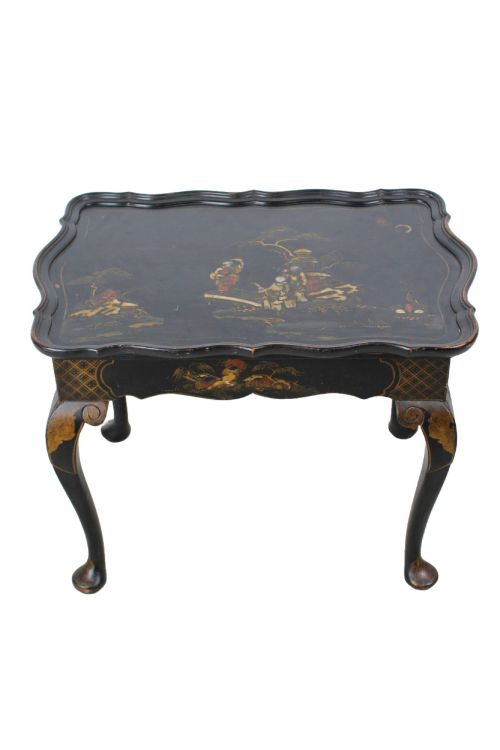
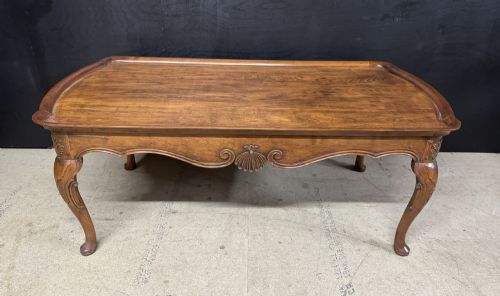
A serpentine coffee table draws the eye through a distinctive undulating edge, combining the functional surface of a low table with decorative cabinet-making traditions. Buyers searching for a serpentine coffee table encounter pieces shaped from timber or stone, often drawing on Victorian, Edwardian, or twentieth-century revival styles.
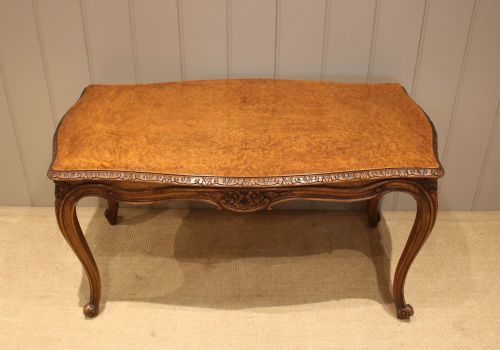
The selection ranges from low burr walnut and mahogany forms to pieces adapted from earlier furniture types like tray tables, centre tables, and games tables. Revival aesthetics heavily influence the group, particularly Louis XV and Queen Anne designs that translate curved lines into domestic seating arrangements.
Examples span the nineteenth and twentieth centuries, including Edwardian and Art Deco interpretations alongside Victorian walnut and mahogany constructions. These tables integrate into various interior schemes, offering distinct silhouettes derived from traditional side and occasional table forms.
How they were made
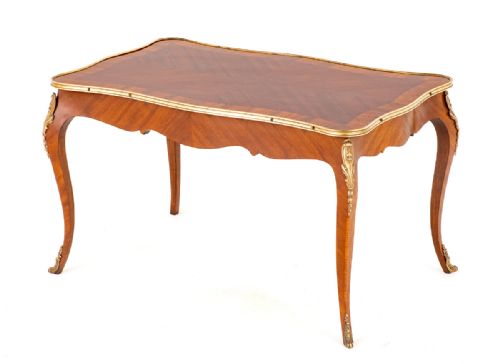
Cabinet-makers relied on rich timbers such as walnut, burr walnut, mahogany, and rosewood, frequently enhanced by marquetry, inlaid details, or lacquered wood finishes. Ebonised timber, brass fittings, and ormolu mounts add contrasting textures and metallic highlights to the wooden structures.
Marble tops appear alongside wooden surfaces, sometimes paired with carved gilt frames or set into inlaid French bases. Techniques range from delicate hand-cut veneers and marquetry patterns to papier-mâché construction and intricate brass or marble inlay work.
What varies in quality
The sophistication of the timber figure and the precision of the shaped edge dictate the visual success of the piece. Fine burr walnut and intricate marquetry demand advanced joinery skills to follow the sweeping contours without disrupting the grain pattern.
Secondary materials like ormolu mounts, brass details, and inset marble slabs reveal the ambition of the original workshop. Finer examples maintain crisp carving and harmonious proportions across both the primary surface and the supporting legs.
The Serpentine Coffee Table Glossary
- Serpentine
- A curved line that undulates inwards and outwards, creating a gentle S-shape across the edge of a table top. This contour requires precise cutting and fitting of the wooden frame or stone slab.
- Burr Walnut
- A distinct wood grain harvested from walnut tree growths, prized for its swirling, mottled patterns. It provides a highly decorative surface on table tops.
- Marquetry
- The art of applying small pieces of veneer to a structure to form decorative patterns or pictures. Craftsmen utilise different coloured woods to create contrast.
- Ormolu
- Gilded bronze ornamentation applied to furniture as decorative mounts. It adds a metallic sheen that complements polished timber surfaces.
- Centre Table
- A piece designed to be viewed from all sides and placed in the middle of a room rather than against a wall. Many tables of this form convert into low coffee tables.
Serpentine Coffee Table: Frequently Asked Questions
How are these tables used?
These tables function primarily as low surface furniture in living spaces, holding books, lamps, and decorative objects. Their varied heights and proportions suit placement before sofas or within seating groups.
Many listings originate from forms originally designed for other purposes, such as tray tables, games tables, or occasional centre tables. This adaptability allows them to serve modern domestic needs while retaining period construction.
What woods are common?
Walnut, burr walnut, and mahogany dominate the selection, offering deep natural grain and warm brown tones. Rosewood and ebonised timber also appear, providing darker contrasts within the group.
Finer versions utilise figured veneers and marquetry inlay to enhance the visual texture of the top. Secondary materials like brass, marble, and lacquered wood frequently accent the primary timber.
How do I date a table?
Dating relies on identifying stylistic revival markers, construction methods, and material choices associated with periods like the Victorian era, Edwardian period, or the 1920s. Details such as French marquetry, brass mounts, and specific revival styles offer chronological clues.
Cabinet-making techniques evolved over the nineteenth and twentieth centuries, shifting from solid timber framing to veneered surfaces and distinct decorative finishes. Comparing the overall form against documented period styles helps establish an approximate decade of origin.