
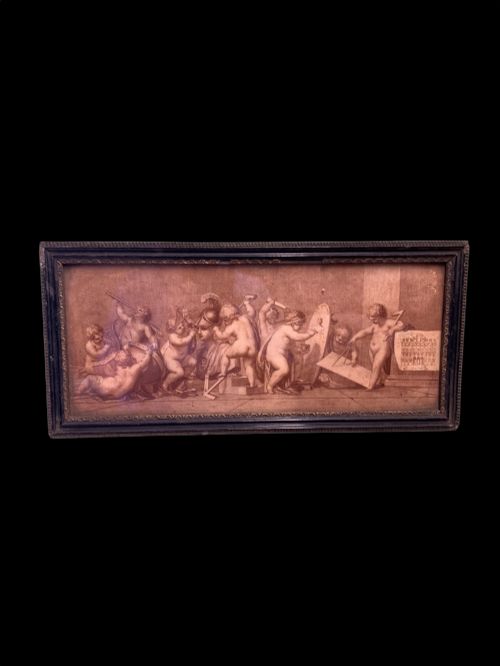
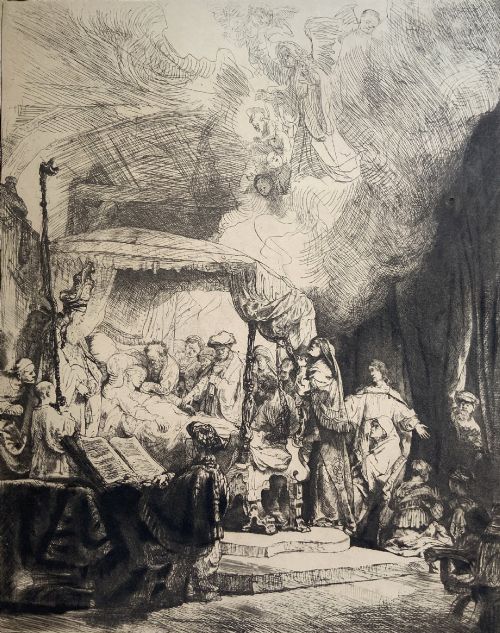
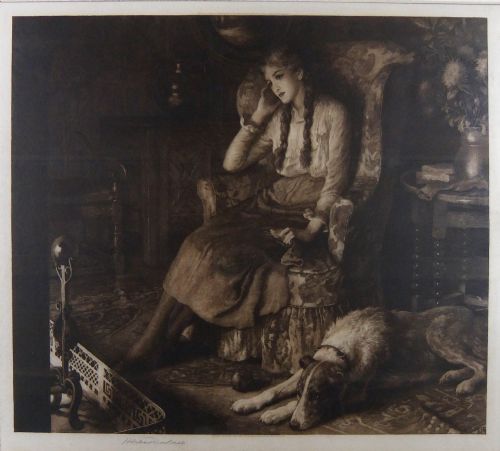
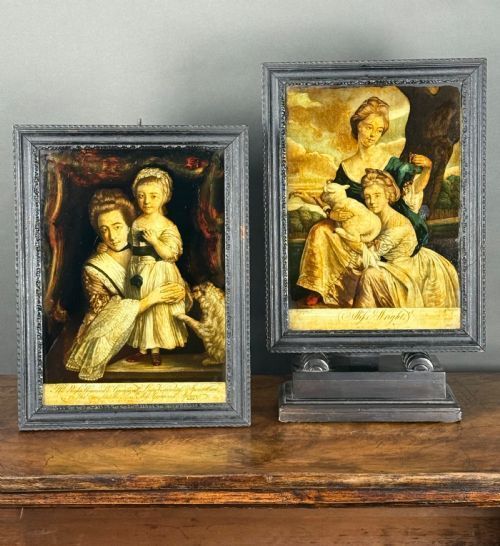
Sepia Art Print
A sepia art print brings monochrome warmth to a wall, offering rich tonal depth across centuries of works.
Sepia Art Print
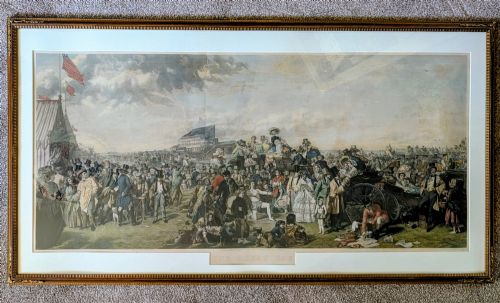
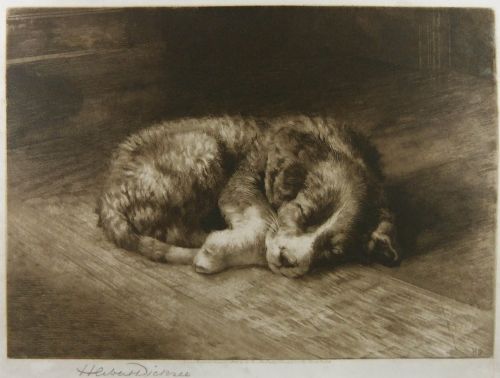
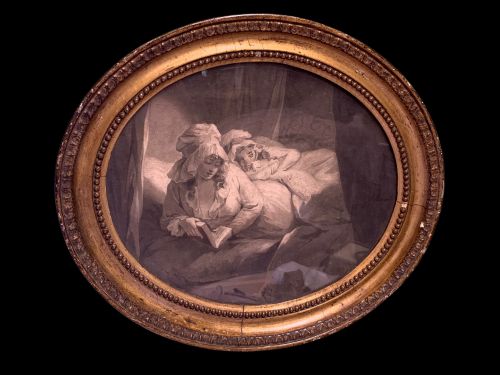
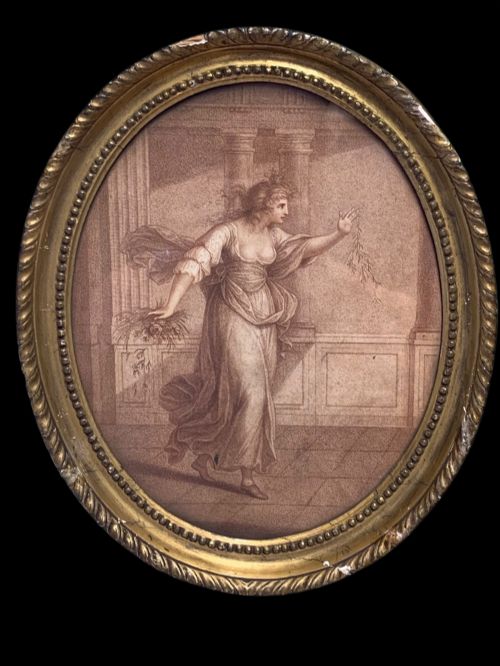
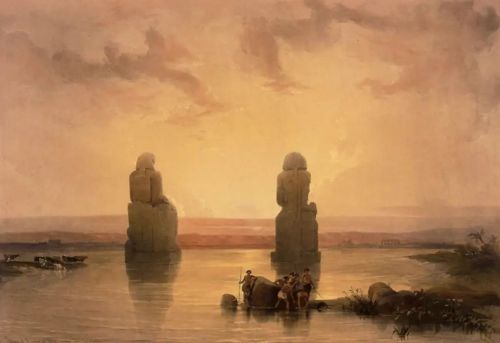
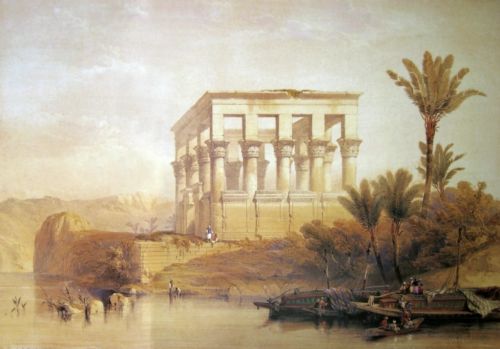
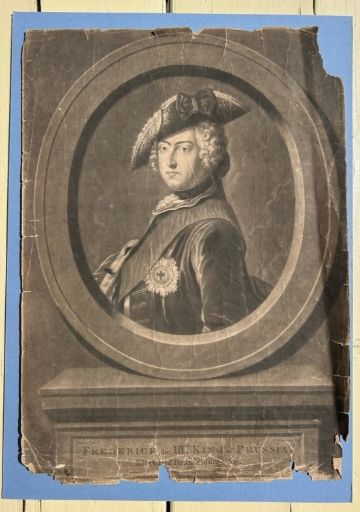
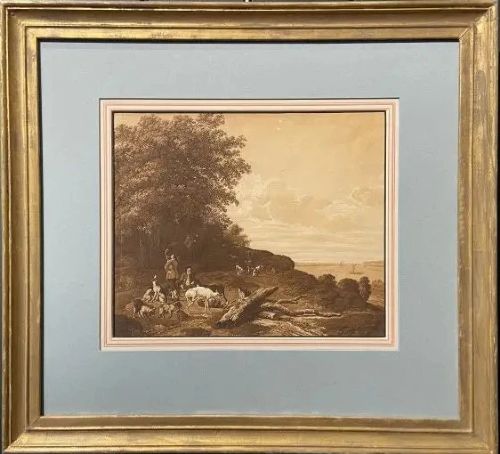
A sepia art print encompasses historical etchings, engravings, mezzotints and lithographs rendered in warm brown monochromatic tones. Buyers seek these pieces for their classic palette and the historical character they bring to interiors.
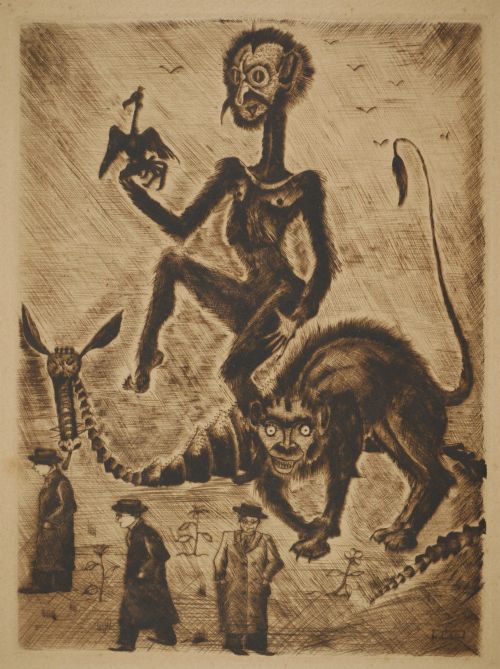
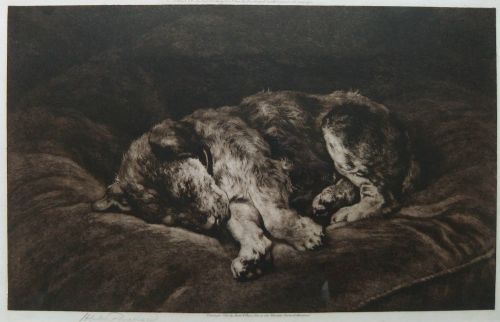
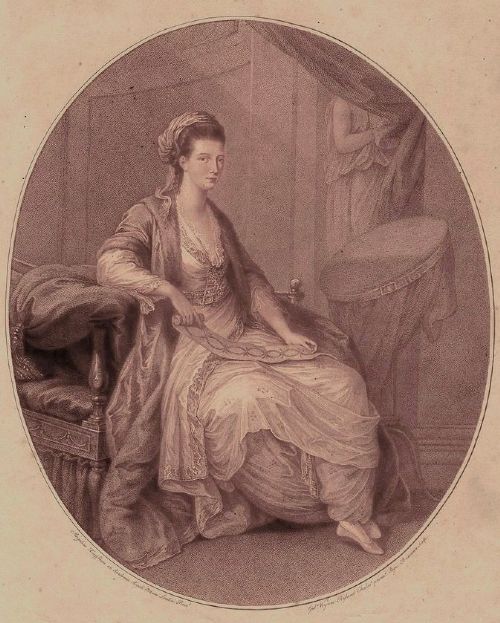
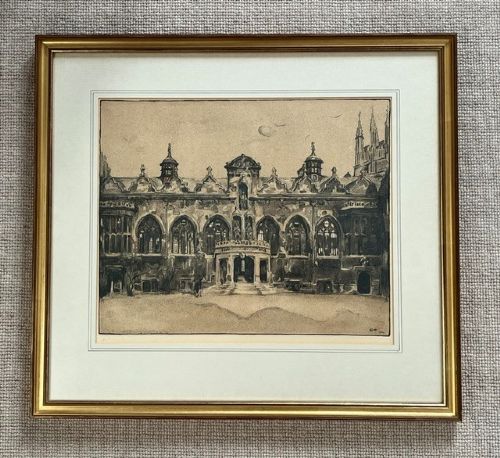
The selection ranges from eighteenth-century portraits and architectural views to nineteenth-century narrative scenes and twentieth-century etchings. Works often arrive in period wooden frames, occasionally with gilt details or glass protection.
Engravings, mezzotints and original etchings dominate the selection, spanning Georgian, Victorian and Edwardian periods. Examples include works after classical artists alongside topographical views and character studies.
How they were made
Makers utilised inked plates pressed onto paper, employing etching, engraving, mezzotint or lithographic techniques to transfer the design. Ink tones varied from deep chocolate browns to softer amber hues, sometimes enhanced by hand colouring.
Framing materials reflect the period of production, incorporating oak, giltwood and gold leaf accents. Glazing protected the paper substrates from atmospheric damage over generations.
Listings feature paper, oak, and gold leaf across Georgian, Victorian, and Edwardian periods.
What varies in quality
Quality rests in the crispness of the impression transferred from the plate and the preservation of the paper substrate. Stronger plate marks and distinct tonal gradations distinguish finer prints from worn impressions.
The integrity of the original frame and the prominence of the maker or artist contribute significantly to the standing of a piece. Hand-coloured details and period mounting add nuance to individual examples.
Kurt Lorein Victor Peiser·Herbert Dicksee·Sir William Nicholson·David Roberts·Richard Houston·Johannes Lingelbach·Anton Ignaz Melling·Louis Icart·James Dobie
The Sepia Art Print Glossary
- Etching
- A printmaking process where acid bites lines into a metal plate to hold ink. Artists draw through an acid-resistant ground before the chemical bath creates the recessed lines.
- Mezzotint
- A tonal printmaking method where the copper plate is roughened uniformly to produce dark areas, then scraped and smoothed to create lighter tones. This technique allows for rich, velvety gradients without reliance on line work.
- Engraving
- A method of cutting design lines directly into a metal plate using a sharp tool called a burin. The resulting prints exhibit precise, clean lines and sharp detail.
- Lithography
- A planographic printing process based on the chemical repulsion of oil and water. An image is drawn on limestone or a metal plate with a greasy medium before taking ink for transfer.
Sepia Art Print: Frequently Asked Questions
What is a sepia art print?
A sepia art print is a historical work on paper using monochromatic brown tones derived from traditional inks or photographic processes. These prints capture subjects ranging from portraiture to topography.
They offer a muted, warm aesthetic that integrates easily into traditional and contemporary wall displays alike.
How do I date a sepia print?
Dating relies on stylistic clues, paper characteristics, framing methods, and signatures or publication dates printed on the margin. Georgian and Victorian examples often display distinct typography and paper ageing.
Examining the back of the frame and any remnants of historical labels can provide additional chronological context.
How should I frame and hang these prints?
Historic prints benefit from conservation framing using acid-free mounts and UV-protective glass to prevent fading of the brown tones. Keeping them away from direct sunlight preserves the paper.
Original frames should be retained where possible, provided they offer sufficient structural support for the artwork.
What is the difference between an etching and an engraving?
An etching uses acid to bite lines into a metal plate through a protective ground, creating a softer, freer line. An engraving relies entirely on manual pressure with a cutting tool to gouge the metal directly.
Engravings typically display crisp, precise geometric lines, whereas etchings capture more painterly gestures.