





Sepia Architectural Wall Art
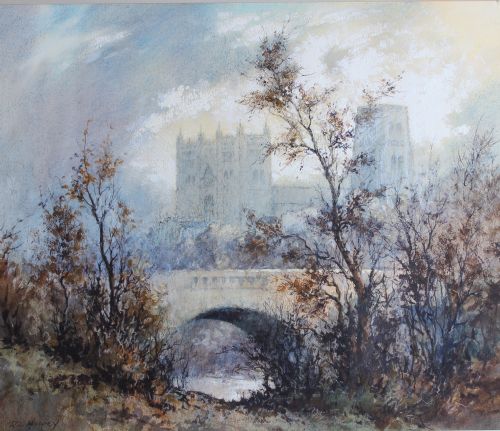
Sepia architectural wall art brings historic facades and monumental designs into a room through monochrome ink, pencil, and warm watercolour.
Sepia Architectural Wall Art
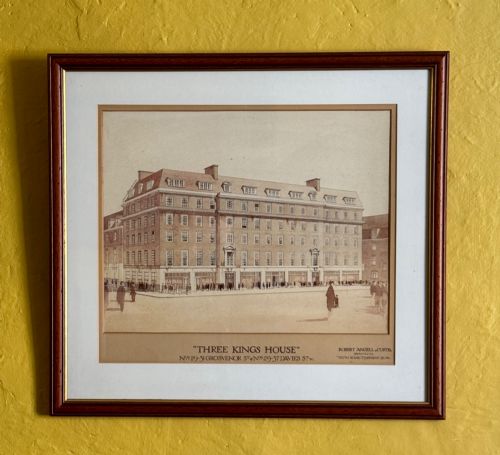
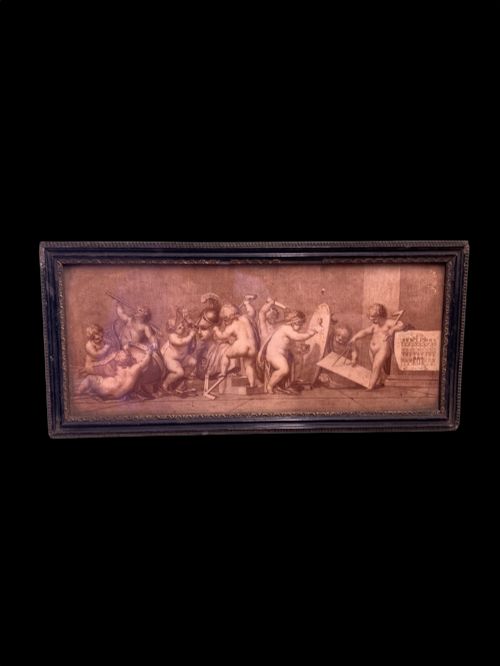
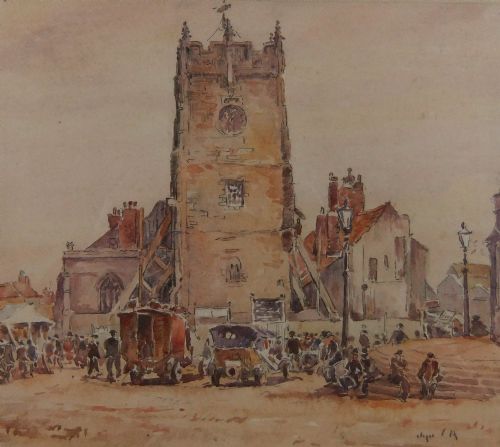
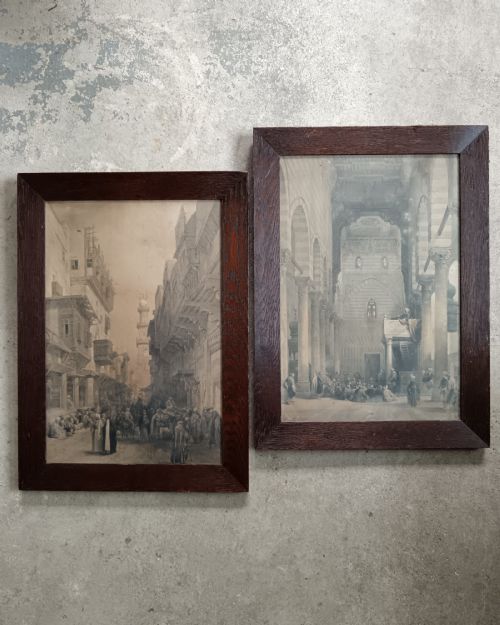
These works comprise framed prints, engravings, and original watercolours focused on buildings, urban vistas, and historic facades. Buyers seeking sepia architectural wall art will encounter pieces ranging from delicate pencil sketches to detailed topographical watercolours.
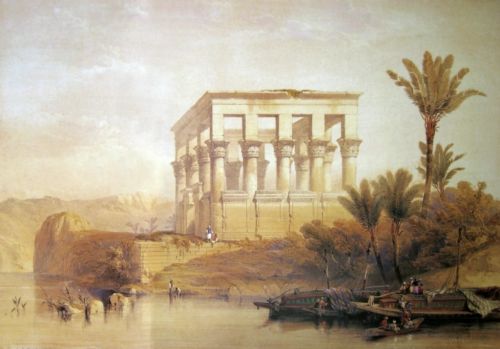
The selection spans multiple eras, capturing the formal precision of eighteenth-century designs alongside nineteenth-century renderings of palaces and temples. Mid-century examples also appear, reflecting changing approaches to urban landscapes and historic structures.
Most items arrive glazed and housed in timber frames, ready for hanging in studies, hallways, or living spaces. The palette relies primarily on muted earth tones, monochrome ink, and sepia washes rather than bright pigments.
Materials and execution
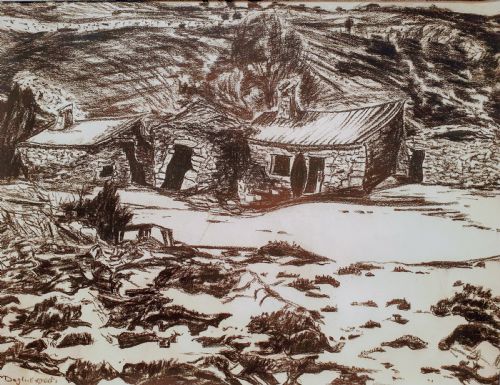
Draftsmen and artists worked primarily on paper sheets, utilising graphite pencil, monochrome ink, and watercolour washes to build depth and shadow. Many compositions began with precise ink linework before receiving gentle applications of diluted watercolour or sepia pigment.
Framing materials typically involve traditional timber mouldings such as oak, often paired with protective glass to shield the delicate paper surfaces from atmospheric moisture and dust.
Sepia Architectural Wall Art Retail Price Guide 2026
Typical asking prices for sepia architectural wall art among the pieces listed under this phrase on Sellingantiques today, from the lower quarter to the upper quarter. They describe what is for sale here now, not the wider market.
Listings span from the 18th century through the 1960s, featuring paper, ink, watercolour, and oak framing.
Factors determining quality
Quality rests upon the precision of the draughtsmanship and the artist's ability to render perspective, scale, and stone texture convincingly. Superior pieces display confident line control and subtle tonal gradations that give mass to columns, arches, and masonry.
The condition of the paper and the integrity of the original framing also influence overall merit, as foxing or damp staining can diminish the visual impact of an otherwise accomplished drawing.
David Roberts·Charles James Lauder·Fred Lawson·Frank Greenwood
The Sepia Architectural Wall Art Glossary
- Sepia
- A brownish pigment originally derived from the ink sac of the cuttlefish, widely used for monochrome drawings and wash techniques. Artists favoured it for its warm, stable tonal qualities.
- Topographical
- Pertaining to the accurate depiction of specific places, buildings, or landscapes. Topographical works serve as historical records of urban and rural architecture.
- Lithograph
- A print made from a design drawn on limestone or a metal plate with a greasy medium. The process allows for subtle tonal variations closely mimicking original drawings.
- Foxing
- Age-related brown spots or patches that appear on paper due to chemical reactions involving iron impurities. It is a common occurrence in antique prints and drawings.
- Wash
- A thin, semi-transparent layer of diluted watercolour or ink spread evenly across paper with a brush. It creates uniform areas of tone and shadow in architectural renderings.
Sepia Architectural Wall Art: Frequently Asked Questions
How should I hang framed paper art?
Keep works out of direct sunlight to prevent the sepia tones and watercolours from fading over time. Stable indoor humidity levels protect the paper and wooden frames from warping.
Use sturdy wall fixings suited to the weight of the timber and glass. Grouping smaller pieces together creates a balanced display on larger walls.
Are these works original or printed?
The selection includes both unique hand-drawn watercolours and period printed reproductions such as engravings and lithographs. Close inspection reveals whether ink lines sit on the surface or form part of a printed matrix.
Signatures, brush texture, and pencil indentations generally point towards original hand-drawn execution. Descriptions clarify the specific medium used for each individual piece.
What framing is typically used?
Many examples retain their period wooden frames, which may show minor signs of age consistent with their history. Oak and other traditional mouldings predominate across the collection.
Glazing protects the fragile paper underneath from dust and handling. Retaining original frames adds character, though mounts occasionally show age toning.
How do I identify the age of a drawing?
Dating relies on paper characteristics, framing style, inscriptions, and the depicted architectural subjects. Artists often signed and dated their work directly on the sheet.
Period styles in clothing, lettering, and building modifications provide additional clues for context. Archival records and signatures help narrow down the decade of creation.