

Framed Brown Watercolour Artwork
When you search for framed brown watercolour artwork, you enter a world of pigment on paper preserved beneath glass in timber frames.
Framed Brown Watercolour Artwork
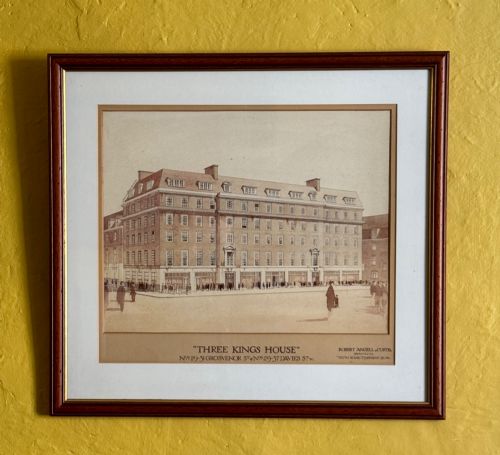
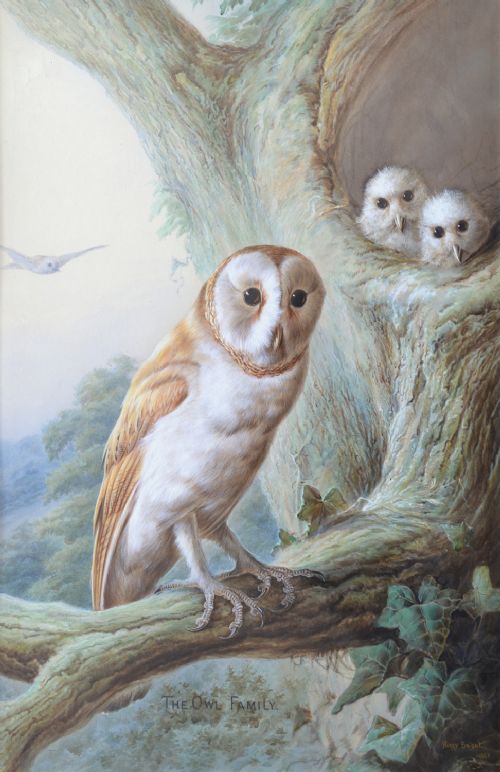
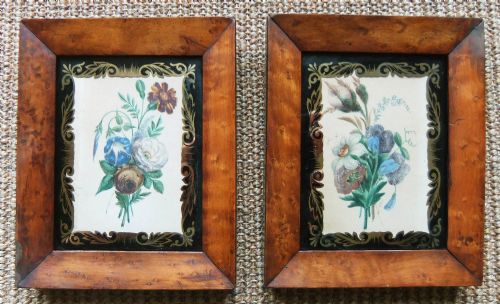
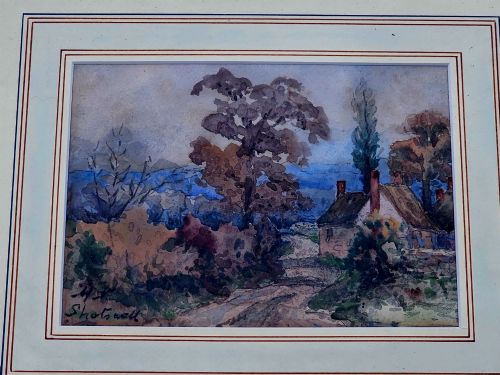
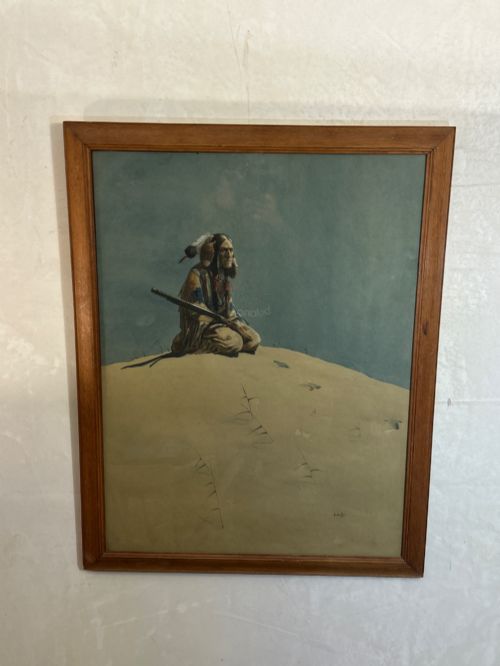
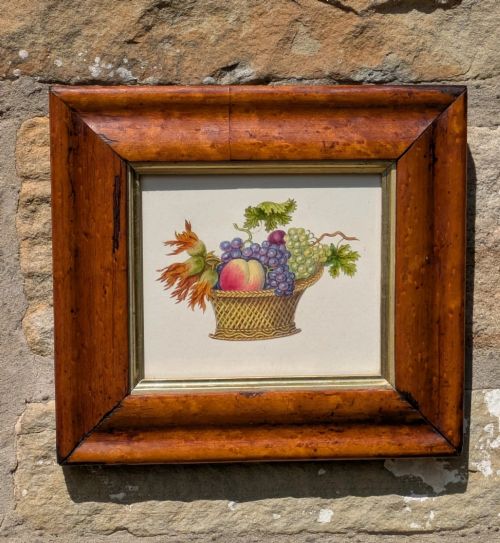
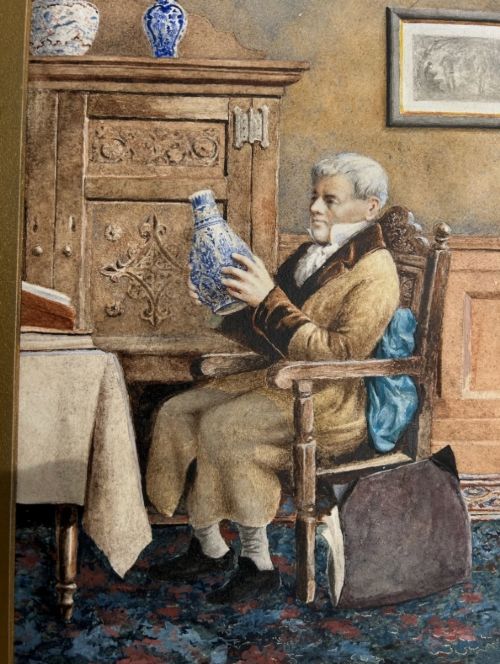
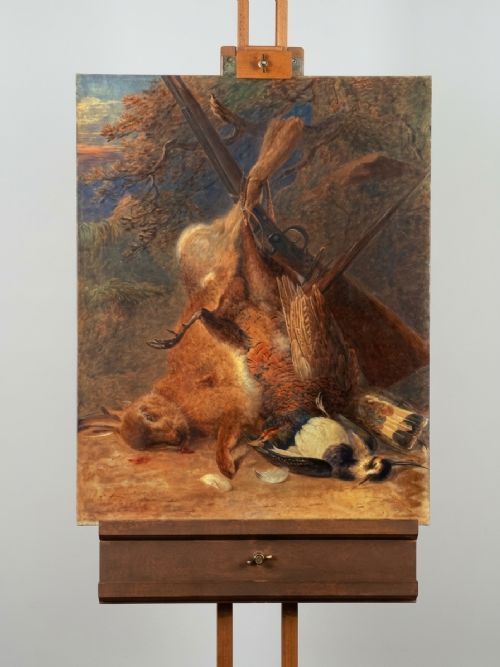
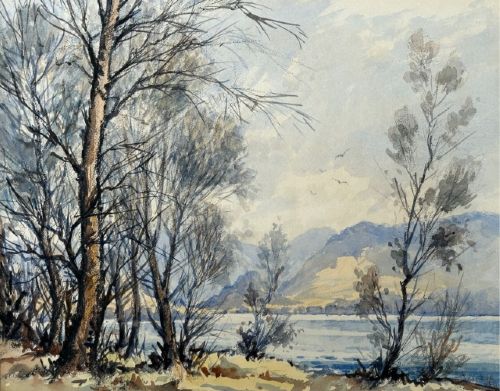
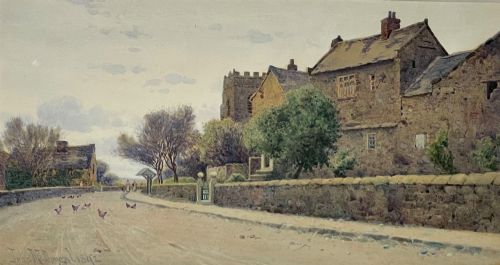
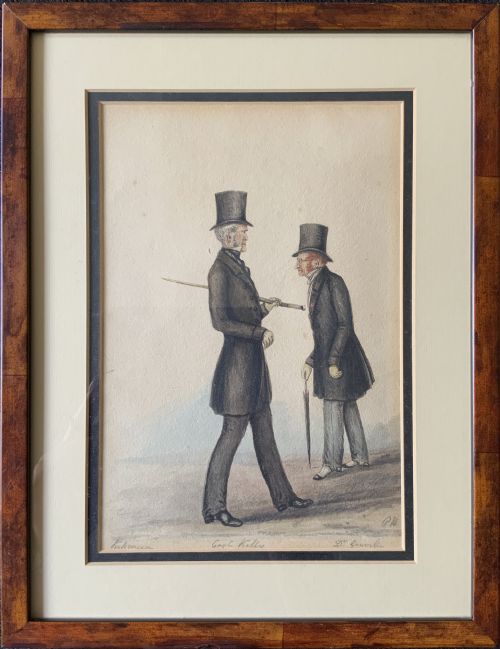
When buyers search for framed brown watercolour artwork, they find original paintings executed on paper using water-soluble pigments, gouache, bodycolour, and ink. These works capture landscapes, coastal scenes, portraits, architectural designs, and still lifes spanning the nineteenth and twentieth centuries.
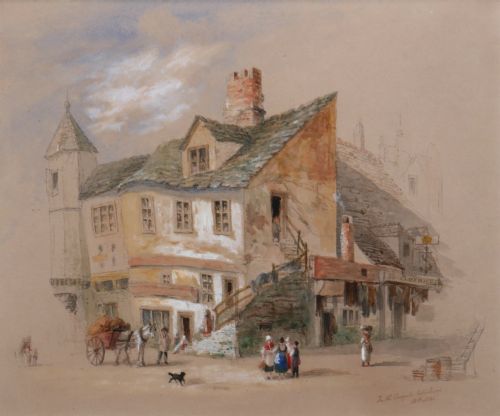
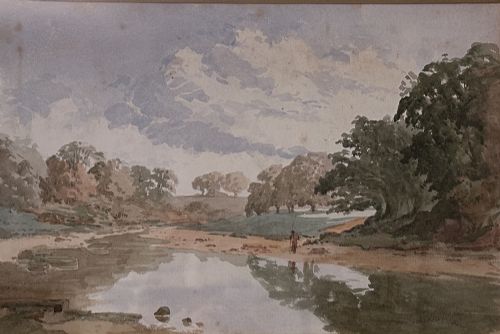
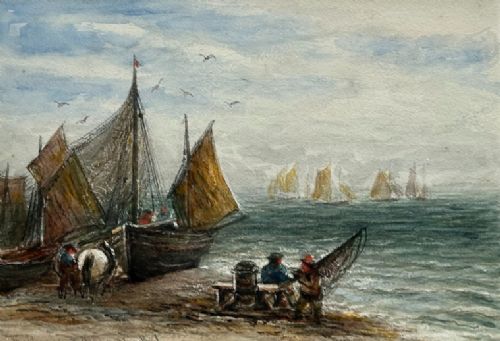
The pieces on this page are most commonly Victorian and Edwardian works dominated by earthy brown, sepia, and tonal ochre palettes. Common subjects range from maritime views and rural farming scenes to architectural studies and floral compositions produced across Britain.
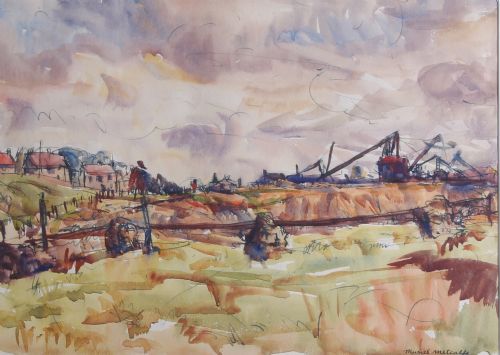
Works transition from detailed nineteenth-century maritime and landscape paintings through to early twentieth-century impressionistic sketches and mid-century gouache compositions. Each piece arrives mounted behind glass within a wood frame, ready for display.
Materials and construction
Artists painted these works using water-based pigments, ink, gouache, and bodycolour applied directly onto absorbent paper supports. Paper varied from lightweight sheets to heavier card stock, occasionally supplemented with pencil or pastel underdrawing.
Framed Brown Watercolour Artwork Retail Price Guide 2026
Typical asking prices for framed brown watercolour artwork among the pieces listed under this phrase on Sellingantiques today, from the lower quarter to the upper quarter. They describe what is for sale here now, not the wider market.
Listings span periods from the nineteenth century through the 1960s, featuring materials such as watercolour pigment, gouache, ink, paper, wood, and glass.
Quality and execution
Superior examples demonstrate confident brushwork, precise draughtsmanship, and sophisticated control of tonal gradation by named artists or skilled practitioners. Lesser pieces rely on formulaic execution or lack the compositional depth found in exhibition-scale works.
Condition of the paper support and integrity of the pigment remain vital factors. Works that retain their original framing materials and exhibit minimal fading of the brown watercolour pigments stand higher in the range.
Thomas Fenwick·Harry Bright·George Sydney Shepherd·James Orrock·John Hassall·John McDougal·Robert Leslie Howey·Henry Silkstone Hopwood·Muriel Metcalfe·John Smith Atherton·Henry Travis·TB Hardy·Hendrik Valkenberg·Frederick Tatham·Herman S Melville·Ralston Gudgeon·James Hayllar·John Moxon·F.J. Snell·Alfred George Morgan·James Tower·Richard Harry Carter·Henry Charles Fox·John Rattenbury Skeaping
The Framed Brown Watercolour Artwork Glossary
- Watercolour
- A painting method where the paints consist of pigments suspended in a water-based solution. The technique relies on the white of the paper showing through translucent washes of colour.
- Gouache
- An opaque water-based paint method that includes a binding agent and white pigment to create solid, flat areas of colour. It often appears combined with traditional watercolour in nineteenth-century works.
- Bodycolour
- Watercolour paint mixed with a white pigment to make it opaque rather than transparent. This technique adds highlights and solid substance to shadow areas within a painting.
- Glazing
- The protective sheet of glass fitted over the front of a framed artwork. It prevents airborne particles and moisture from damaging the paper and pigments underneath.
Framed Brown Watercolour Artwork: Frequently Asked Questions
How should I hang framed watercolour artwork?
Hang these pieces away from direct sunlight to prevent the watercolour pigments and paper from fading over time. Maintain a stable indoor environment free from dampness to protect the paper support and wooden frame.
Ensure the wall fixings match the weight of the timber frame and glass assembly. Professional picture hooks distribute the load securely.
What subjects appear in these paintings?
Landscapes, coastal harbours, pastoral scenes with livestock, and architectural designs form the core subjects of these works. Portraiture and still life compositions also feature prominently across the collection.
Many pieces document specific British locations, from Scottish castles to Yorkshire rivers and London streets. Artists recorded these views directly from observation.
How do I identify Victorian watercolours?
Victorian watercolours frequently employ sepia and earthy brown tones to create atmospheric depth in landscapes and maritime scenes. Signatures, dates, and inscriptions written in ink on the front or reverse often provide direct chronological evidence.
Framing materials and mounting styles from the period also assist with dating. Traditional gilt or dark wood frames accompany many nineteenth-century examples.
Can I remove the glass for cleaning?
Removing the glass risks damaging the delicate paper surface and disturbing fragile watercolour pigments underneath. Leave the sealed framing assembly intact to protect the artwork from environmental contact.
Dust the outside of the glass gently with a dry microfiber cloth. Avoid using liquid sprays that might seep beneath the frame rebate.