
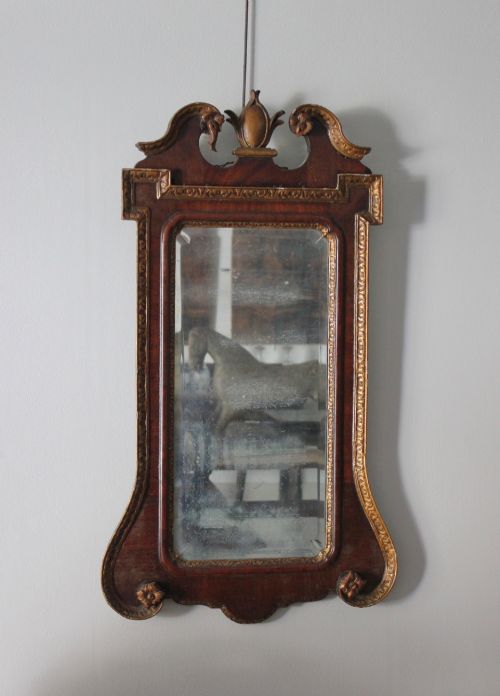


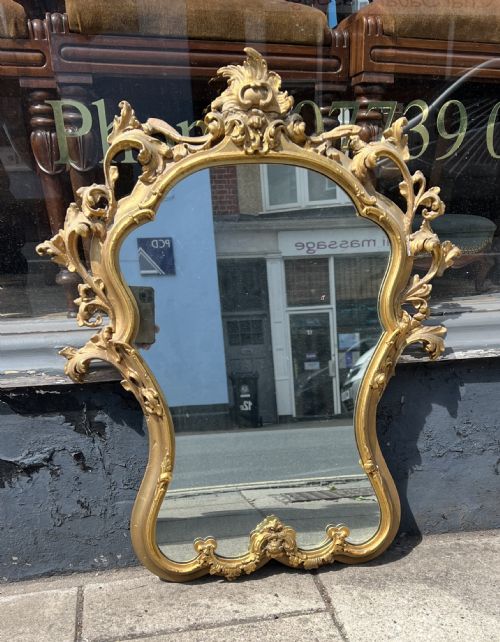
Scrolled Cresting Mirror
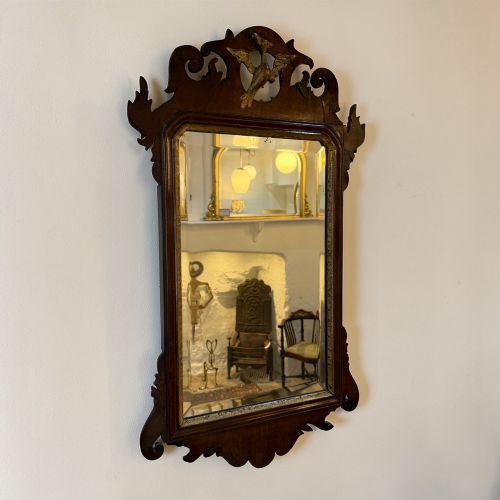
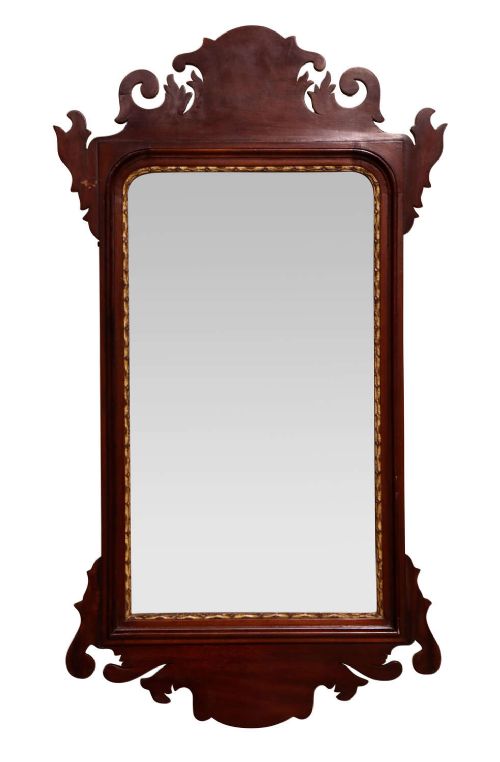
These scrolled cresting mirror examples bring eighteenth and nineteenth-century craftsmanship into a room, offering the carved wooden frames and reflective glass that collectors seek.
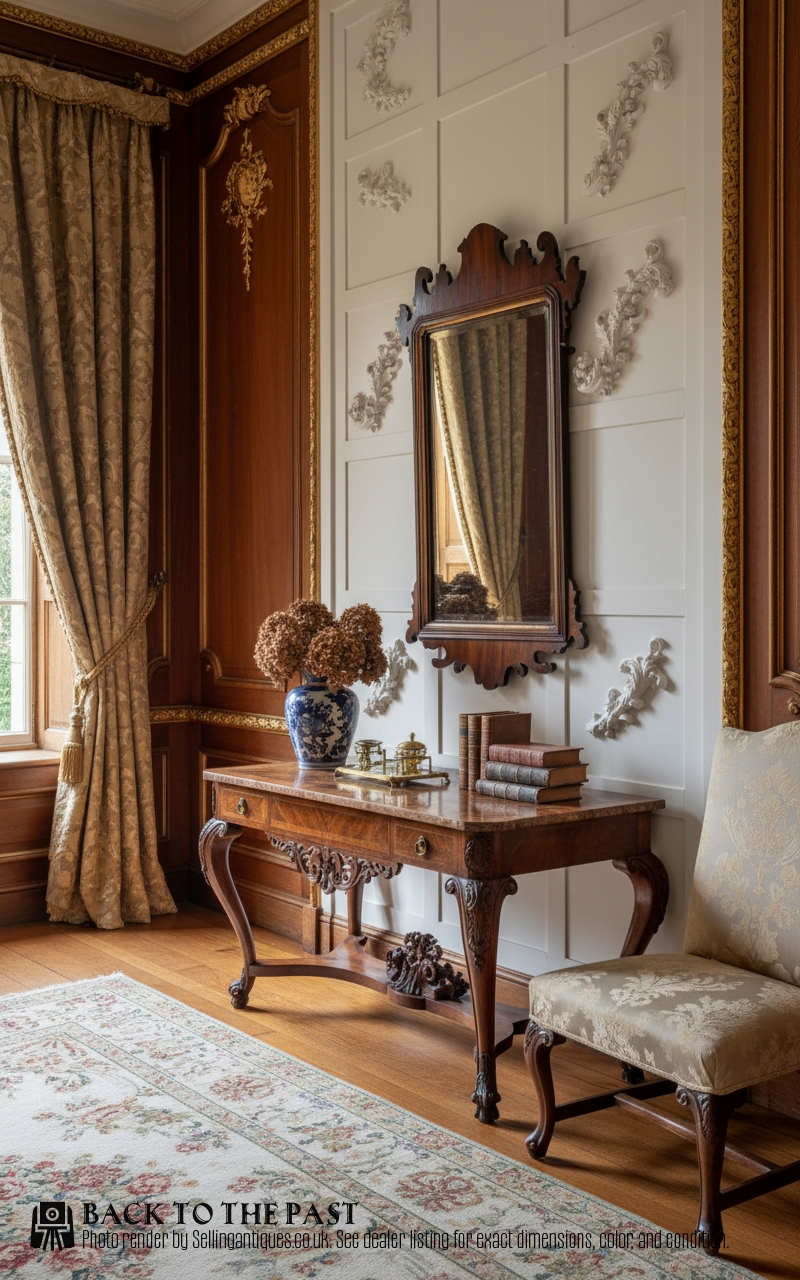
Scrolled Cresting Mirror
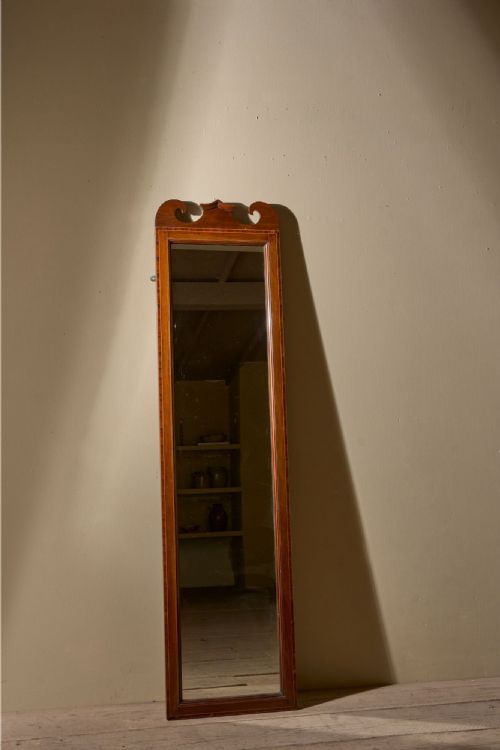
A scrolled cresting mirror is defined by its decorative wooden frame, frequently taking the form of a wall mirror, pier mirror, or overmantel mirror designed to catch the light in a room. These pieces range from compact dressing table mirrors to large wall-hung examples suited for principal reception rooms.
The selections available here span several distinct periods, with Georgian and 18th-century pieces appearing alongside 19th-century interpretations and later revival works. Buyers will encounter various formats, including tall pier glasses and smaller fretwork designs intended for domestic interiors.
How they were made
Craftsmen built these frames using timbers such as mahogany and walnut, often applying veneer over secondary woods or carving directly into the solid material. Fret-cut elements and scrolled outlines were shaped by hand using fretsaws and chisels.
Giltwood and gesso surfaces required layers of preparation chalk and size before applying thin sheets of gold leaf, while other frames received painted finishes or clear polish to highlight the grain of the wood.
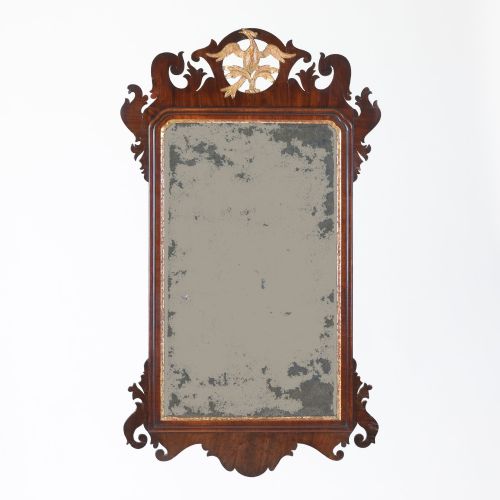
Several examples feature mythical birds peering down from the woodwork, keeping a permanent watch over the room.
What varies in quality
Quality rests upon the crispness of the hand-carved fretwork and the depth of the scrolling on the crest, where skilled makers achieved balanced proportions and clean lines. Finer examples display meticulous attention to detail in the execution of ornamental motifs like the Ho-ho bird.
The integrity of the frame construction and the survival of original components, such as early mirror glass and backing boards, distinguish superior pieces from standard workshop output.
The Scrolled Cresting Mirror Glossary
- Fretwork
- Openwork ornamentation carved or pierced from a thin board of wood. It creates intricate geometric or botanical patterns along the frame.
- Pier mirror
- A tall narrow mirror designed to hang on the wall between two windows. These pieces often matched the proportions of the pier wall below them.
- Gesso
- A plaster mixture applied to wood frames as a base for gilding or painting. It provides a smooth surface for intricate carved details.
- Vauxhall glass
- Early mirror plate characterised by bevelled edges and a relatively thin profile. It frequently appears in 18th-century English frames.
Scrolled Cresting Mirror: Frequently Asked Questions
How do I hang a heavy antique mirror safely?
Heavy frames require fixings secured directly into the masonry or wall studs rather than plaster alone. Using a substantial mirror plate or a integrated wooden batten distributes the weight evenly.
Ensure the hanging wire or brackets match the considerable weight of timber and glass before mounting the piece at eye level.
How do I clean antique mirror glass?
Clean the glass gently using a soft microfibre cloth and a minimal amount of distilled water or mild glass cleaner. Avoid spraying liquid directly onto the surface to prevent moisture seeping behind the silvering.
Wipe the wooden frame separately with a dry cloth, keeping polish away from exposed areas of old gilt or painted decoration.
Are these mirrors suitable for bathrooms?
High humidity and fluctuating temperatures in bathrooms can damage historic wood, lift gesso, and degrade antique mirror silvering over time. Placing them in drier living spaces, hallways, or bedrooms preserves the materials.
If placed near a source of moisture, the fragile nature of centuries-old glues and backboards requires careful monitoring.