

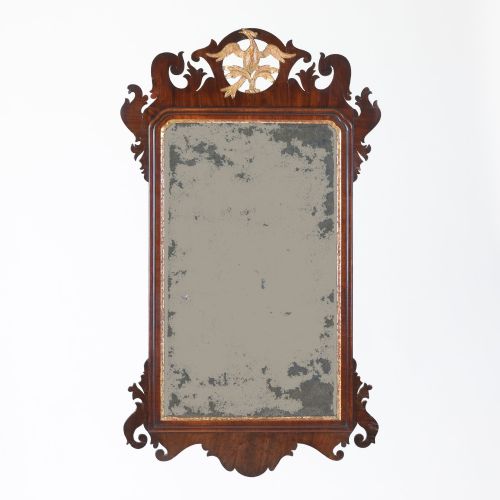
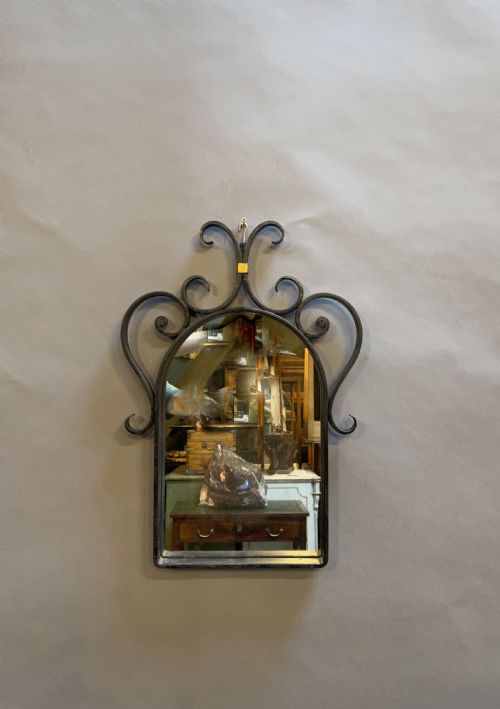
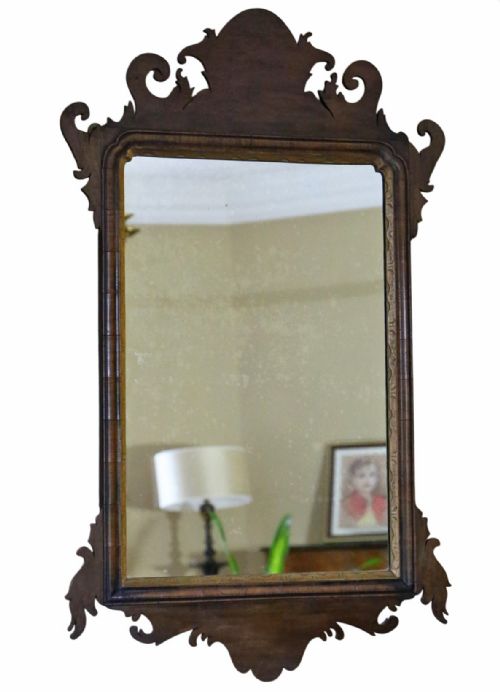


Antique Scroll Framed Mirror
These antique scroll framed mirror examples span centuries of carved timber and gilded craftsmanship, offering a striking focal point for any interior space.
Antique Scroll Framed Mirror
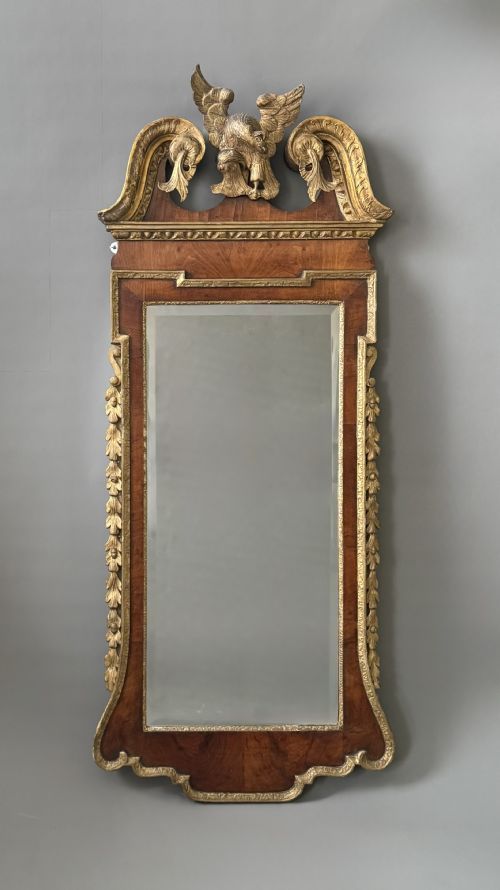
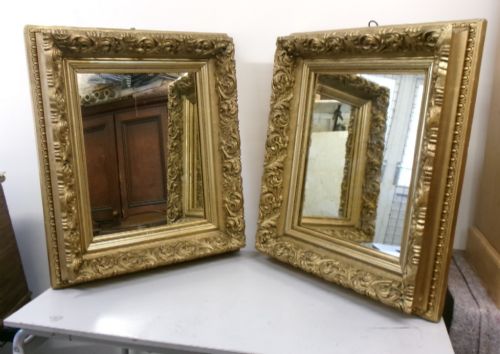
An antique scroll framed mirror brings classical proportion and decorative woodwork into a room, serving as both a functional glass panel and a substantial wall ornament. When searching for an antique scroll framed mirror, buyers encounter a diverse selection of wall mirrors, pier glasses, and overmantel pieces spanning multiple centuries of design.
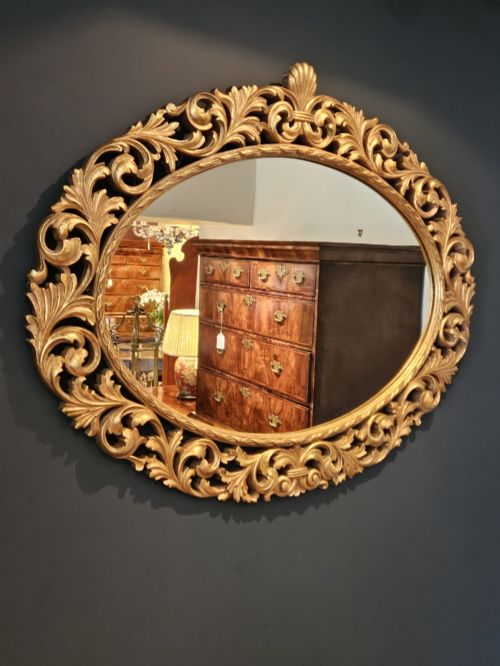
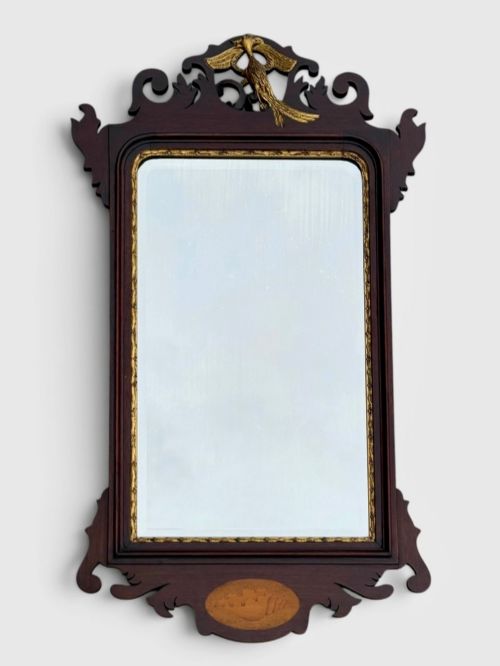
The pieces available originate from various periods including the Georgian era, the nineteenth century, and later revivals from the nineteen-twenties and thirties. Common formats include fret-cut mahogany frames, carved timber structures, and elaborate giltwood compositions influenced by Rococo and Baroque traditions.
What varies in quality
The distinction between standard examples and the finest work lies in the depth and precision of the carving, particularly around intricate scrollwork and fret-cut details. Sharp, well-defined edges on wooden foliage and bird motifs indicate superior craftsmanship from the workshop.
Materials also dictate the tier of a piece, with solid timber frames and heavy gilding over gesso representing higher levels of period production. The clarity, age, and original state of the mirror glass further separate ordinary specimens from exceptional survivals.
The Antique Scroll Framed Mirror Glossary
- Fretwork
- Openwork ornamentation cut into thin panels of wood using a fretsaw. This technique creates the delicate, pierced borders seen on many eighteenth-century and revival wall frames.
- Giltwood
- Timber that has been coated with gold leaf or metallic powder applied over a prepared gesso ground. It provides the brilliant, reflective surface characteristic of Rococo and Baroque decorative frames.
- Pier glass
- A tall mirror designed specifically to hang on the wall space between two windows. These pieces often match or complement console tables placed below them.
- Gesso
- A plaster mixture applied to wooden frames as a smooth base for subsequent gilding or painting. Its build-up allows artisans to carve fine details directly into the coating.
- Overmantel mirror
- A wide glass designed to sit directly above a fireplace mantelpiece. They frequently incorporate arched tops and extensive scroll carving to anchor the architectural proportions of a room.
Antique Scroll Framed Mirror: Frequently Asked Questions
Where should I hang an overmantel mirror?
An overmantel mirror traditionally sits centrally above a fireplace opening, anchoring the hearth and reflecting light across the room. Ensure the wall fixings are secure enough to support the substantial weight of carved timber and glass.
Position the frame at a height that complements the surrounding mantel shelf and ceiling proportions. This placement creates a balanced focal point within reception rooms and hallways.
How do I identify a Georgian mirror?
Georgian mirrors typically feature rich mahogany or walnut timbers, often incorporating fret-cut outlines, parcel gilding, or characteristic carved bird motifs. Examining the backboards and construction joints helps confirm the period origin.
Later revival pieces from the twentieth century often emulate these eighteenth-century proportions using machine-cut elements or different backing fixings. Look closely at the hand-carved details and wood patina to distinguish original examples.
What is a pier glass used for?
A pier glass functions as a vertical wall mirror designed to hang in the narrow masonry wall between windows. This placement maximises natural light diffusion throughout the interior space.
Historically, these mirrors were often paired with console tables to create a unified furnishing scheme in formal reception rooms.