
Georgian Mirror with Gilt
A georgian mirror with gilt brings warmth and polished reflection to a room through centuries-old craftsmanship.
Georgian Mirror with Gilt
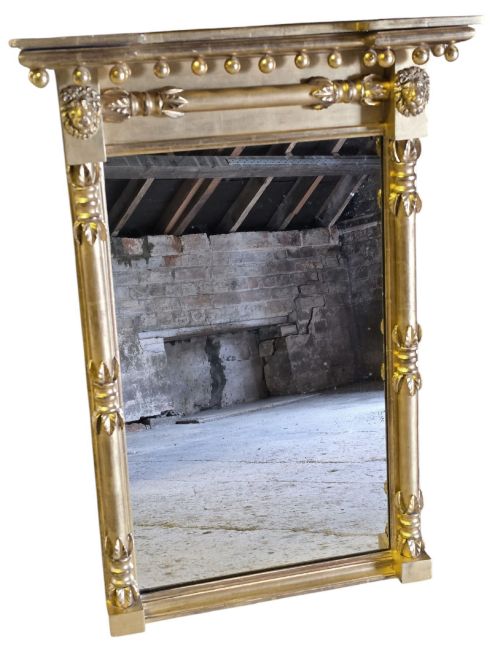
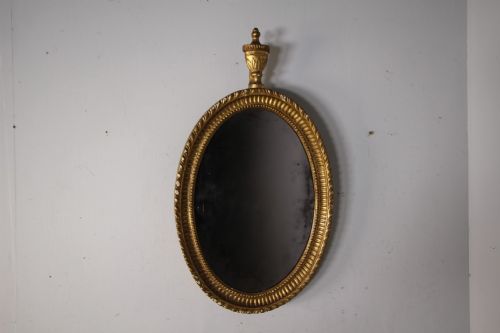
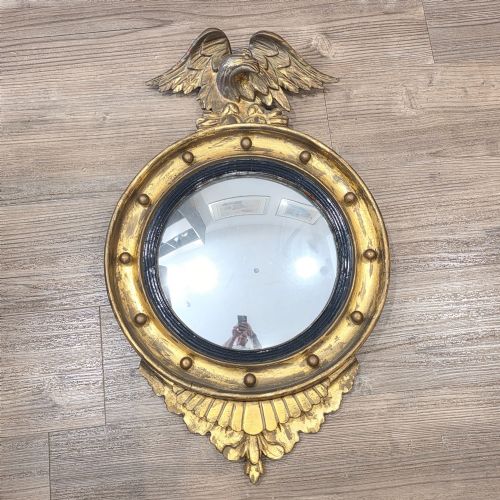
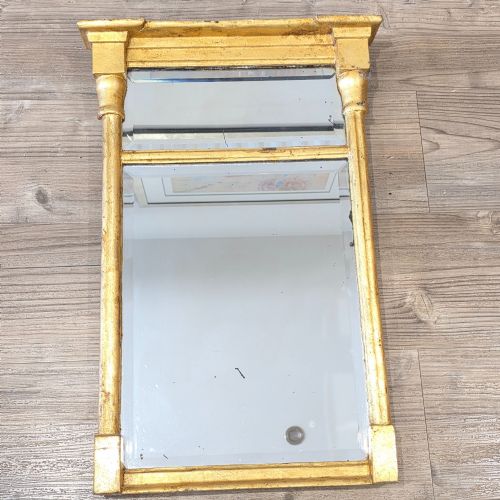
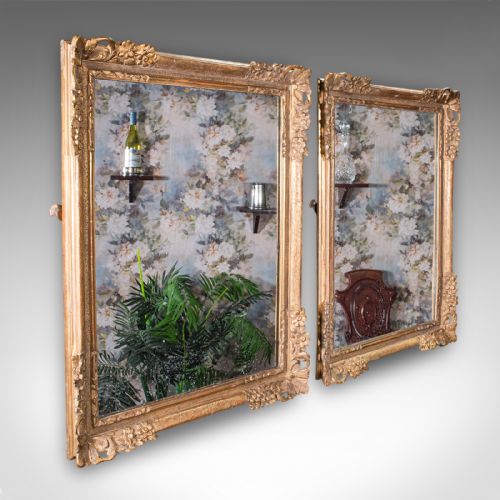
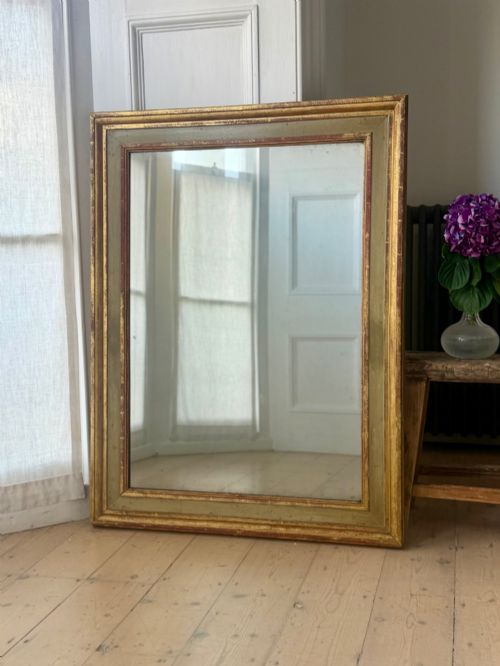
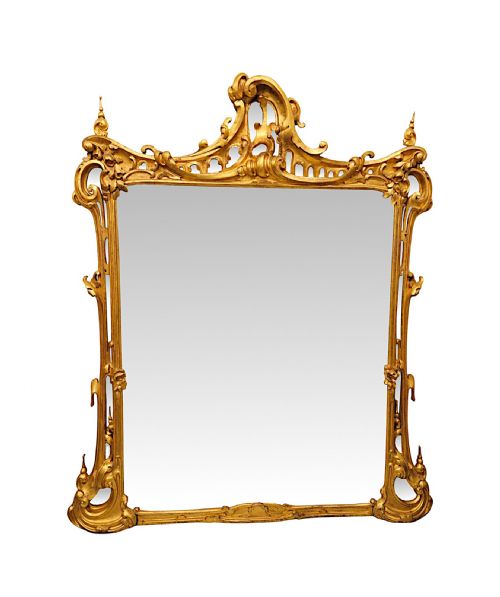
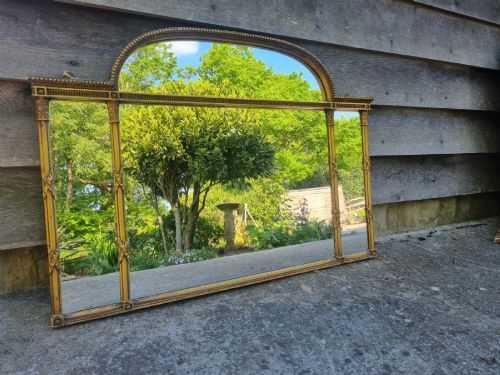
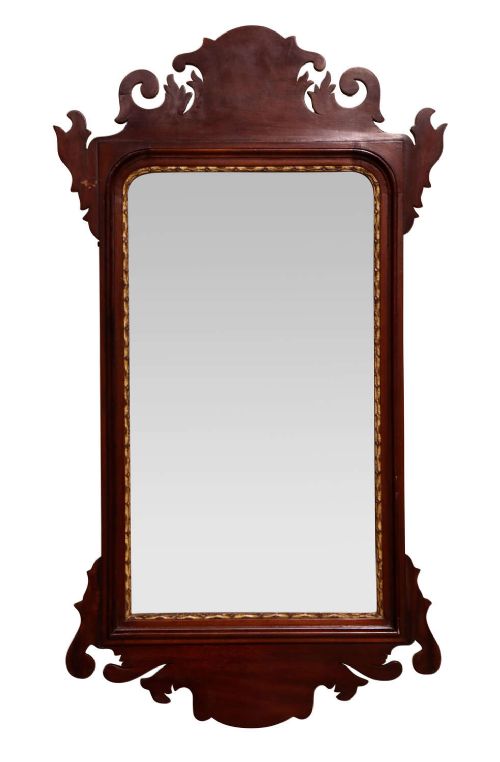
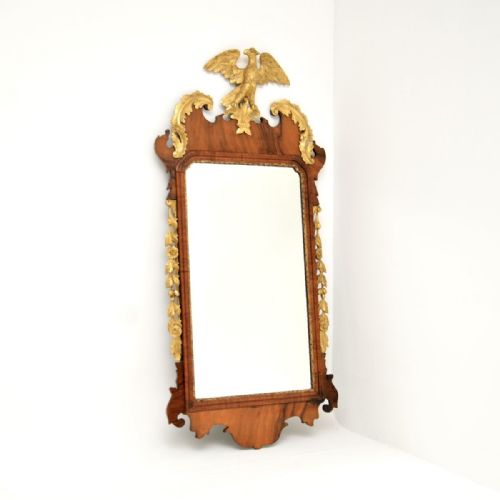
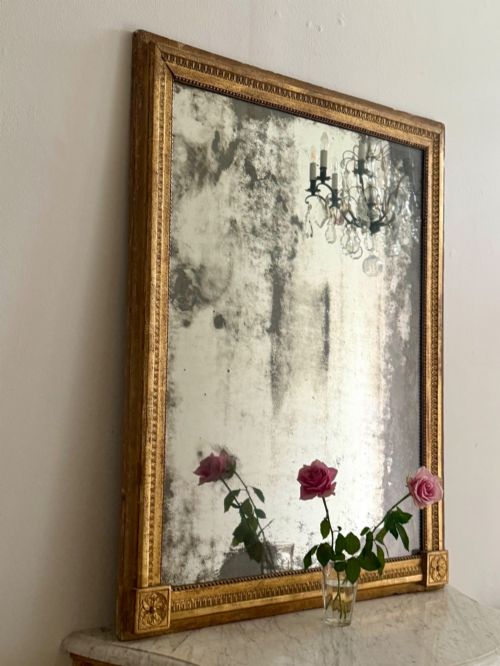
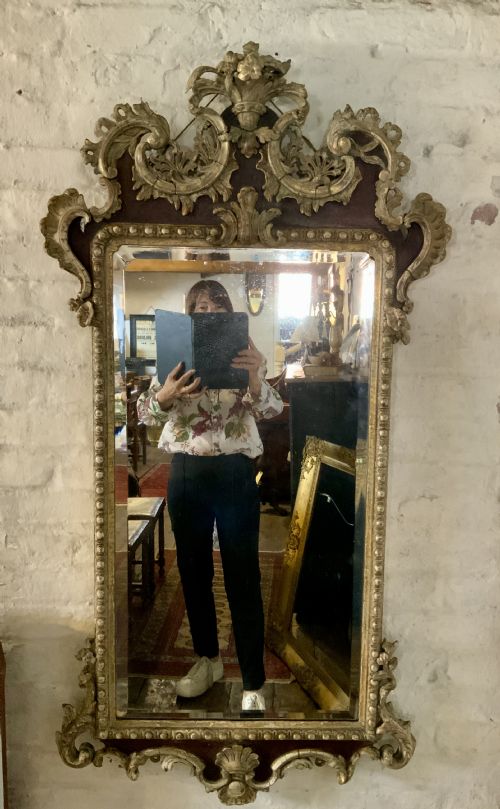
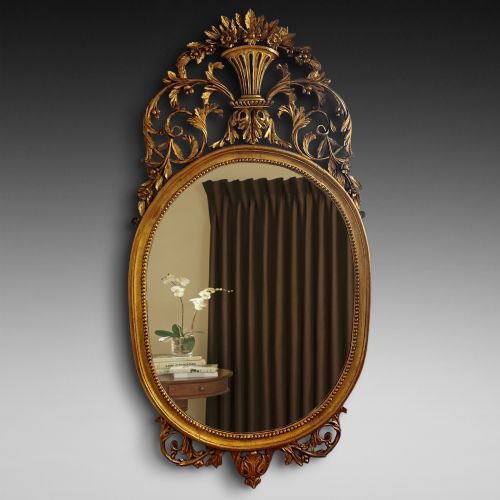
When you search for a georgian mirror with gilt, you encounter wall hung pieces, overmantels, and pier glasses spanning the eighteenth and nineteenth centuries. The selection includes fretwork frames, convex round mirrors, and rectangular plates framed in carved wood.
You are most likely to meet Regency and Georgian examples alongside later Victorian revivals on this page. These pieces originate from domestic parlours and formal rooms, appearing in forms such as girandoles, dressing table mirrors, and triptych overmantels.
The materials recorded in these listings encompass giltwood, gesso, mahogany, and walnut paired with original mirror glass. Makers utilised brass hardware and ebonised wood to create contrast within the classical and neoclassical styles.
Materials and Technique
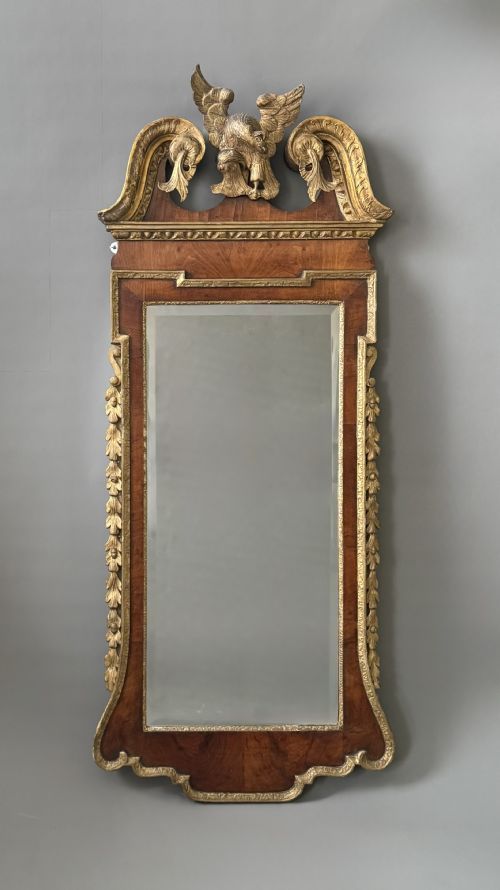
Carvers shaped timber such as mahogany, sycamore, and walnut before applying layers of gesso to receive the gold leaf. Gilding was laid over prepared surfaces to catch the light, while parcel gilt examples left portions of the natural wood grain exposed.
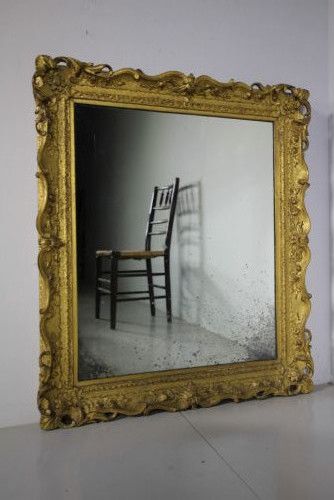
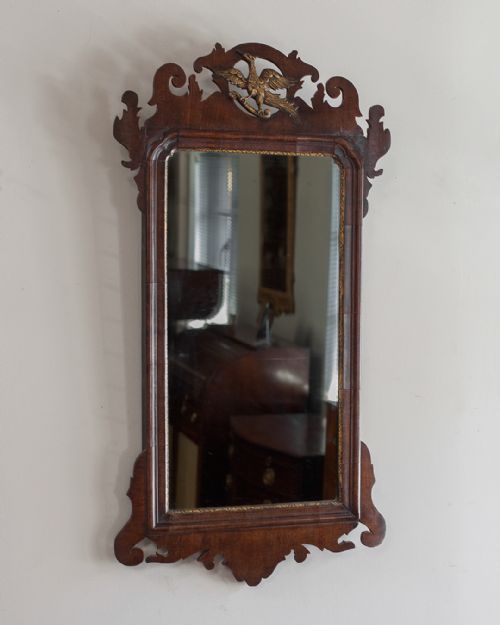
Mirror plates were produced using mercury or silvering techniques, often yielding foxed or original glass surfaces. Frames incorporated fret-cut details, carved birds, and applied neoclassical decorations secured to wooden backboards.
Craftsmanship and Survival
The standard of carving distinguishes the finest examples, particularly in the depth of foliage, crests, and figures like the Ho-ho bird. Crisp detail in the gesso work indicates skilled hand labour rather than mass production.
Survival of original elements dictates the standing of a piece, including mercury glass plates, backboards, and untouched gilding. Greater harmony between the frame proportion and the original glass plate separates standard items from exceptional survivals.
Benjamin Goodison
The Georgian Mirror with Gilt Glossary
- Giltwood
- Wood that has been coated with gold leaf or gold paint. This technique provides a luminous metallic finish to the carved frame.
- Gesso
- A plaster mixture applied to wood frames to create a smooth surface for gilding. It allows for intricate relief carving and ornamentation.
- Pier Glass
- A tall mirror designed to hang on the wall between windows. These pieces often sat above low tables or pier piers.
- Verre Eglomise
- A cold decoration technique where design is applied to the reverse of glass using gold or silver leaf. It produces a rich, reflective panel often seen in Regency pieces.
- Girandole
- A decorative wall mirror featuring attached candle sconces. The candle arms multiply the reflected light in the room.
Georgian Mirror with Gilt: Frequently Asked Questions
How do I identify original glass?
Original glass plates often display light foxing, minor distortion, and signs of age such as oxidation around the edges. Mercury plates show a deep, liquid reflection.
Replacement glass tends to be exceptionally clear and flat compared to eighteenth-century sheet production methods.
Where should I hang an overmantel mirror?
Overmantel mirrors were traditionally designed to sit directly above a fireplace mantelpiece. Their broad proportions anchor the wall space above a hearth.
Ensure the wall fixings safely support the weight of the heavy wooden frame and glass plate.
What does parcel gilt mean?
Parcel gilt describes an object that is only partially gilded, leaving areas of the underlying timber visible. Walnut and mahogany surfaces often featured this treatment.
This method highlights the contrast between the warm wood grain and the bright gold leaf details.