



Scroll Leg Wine Table
Scroll leg wine table examples bring compact elegance to a room, offering a sturdy pedestal base beneath a polished timber top designed for holding glasses and decanters.
Scroll Leg Wine Table
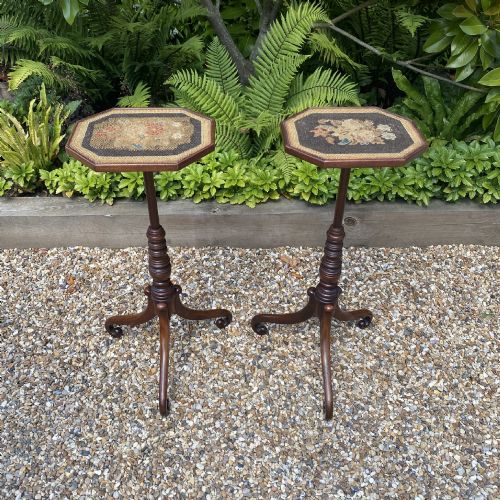
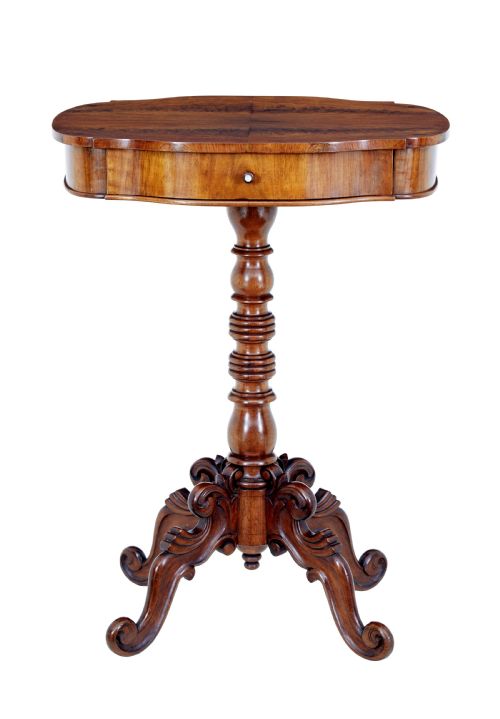
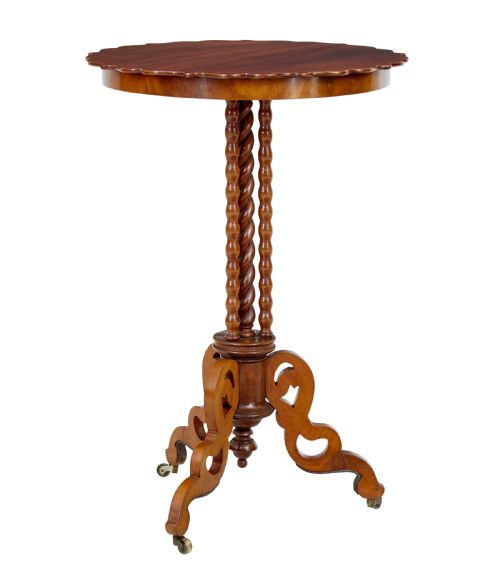
A scroll leg wine table is a small occasional piece designed primarily to hold drinks, featuring a central column or pedestal supported by curved feet. Buyers searching for a scroll leg wine table encounter various forms including pedestal tables, side tables, and occasional tables spanning the Georgian and Victorian periods.
The materials recorded among these items include rich timbers like mahogany, walnut, ash, and pine, alongside decorative elements such as marble tops and needlepoint textiles. These tables serve practical functions in drawing rooms and parlours while showcasing period craftsmanship from the eighteenth and nineteenth centuries.
Examples on this page reflect regional and stylistic variations, ranging from British country pine to Swedish centre tables and French Restoration Gueridons. Each piece demonstrates how makers adapted the small table format to suit changing domestic habits across different decades.
Construction and Materials
Cabinet makers utilised dense hardwoods like mahogany and walnut for the structural elements and tops, frequently selecting flame veneers to create striking visual patterns. Turning techniques shaped the central pedestals and occasional bobbin legs, while brass fittings and marble inserts added refined surface contrasts.
Joinery methods relied on sturdy pegging and central mounting blocks to secure the pedestal to the top, ensuring stability despite the small footprint. Secondary woods such as pine and ash provided internal support or formed simpler country iterations of the same form.
Listings for a scroll leg wine table frequently span the Victorian and Georgian eras, showcasing mahogany, walnut, and decorative specimen woods.
Evaluating Quality and Detail
Quality rests upon the choice of timber and the complexity of the surface grain, with figured mahogany and patterned specimen woods commanding attention through their natural visual depth. The crispness of carved details on the pedestal and feet distinguishes standard production from finer workshop pieces.
Proportion and stability determine the success of the design, ensuring the central column meets the top and base with balanced symmetry. Finer examples display meticulous attention to timber selection and joinery that withstands daily use while retaining a refined appearance.
The Scroll Leg Wine Table Glossary
- Gueridon
- A small ornamental table, often taking the form of a pedestal stand. French makers popularised this style during the eighteenth and nineteenth centuries.
- Pedestal
- A single central support column carrying a table top. It typically terminates in three or four feet.
- Specimen woods
- Various decorative timbers gathered together and arranged in geometric patterns. Cabinet makers used them to showcase contrasting colours and grain markings.
- Bobbin turned
- A style of woodwork featuring a series of rounded spheres or discs carved along the length of a leg or stretcher. This method creates a rhythmic, spool-like profile popular on nineteenth-century tables.
Scroll Leg Wine Table: Frequently Asked Questions
What is a scroll leg wine table used for?
These small tables were originally designed to hold wine glasses and bottles near seating areas in dining rooms or parlours.
Today, buyers use them as versatile accent pieces in living spaces to hold lamps, plants, or decorative objects without occupying much floor space.
How do I date a scroll leg wine table?
Dating relies on observing the timber species, construction methods, and stylistic cues present in the legs and pedestal.
Georgian examples tend to feature solid mahogany with simple turned or carved supports, while Victorian pieces often incorporate elaborate veneers, exotic specimen woods, or alternative timbers like ash and walnut.
Are these tables sturdy enough for daily use?
Most pedestal tables are built with robust central columns and weighted bases designed to provide adequate stability for everyday items.
Care should be taken not to overload the edges, as the central pillar design inherently concentrates weight over the feet.
What is the difference between a wine table and an occasional table?
A wine table is generally smaller and specifically intended for holding drinks near a chair, often featuring a circular top.
Occasional tables encompass a broader category of small, movable tables that might have hexagonal or rectangular tops suited to various functions around the home.