


Specimen Wood Occasional Table
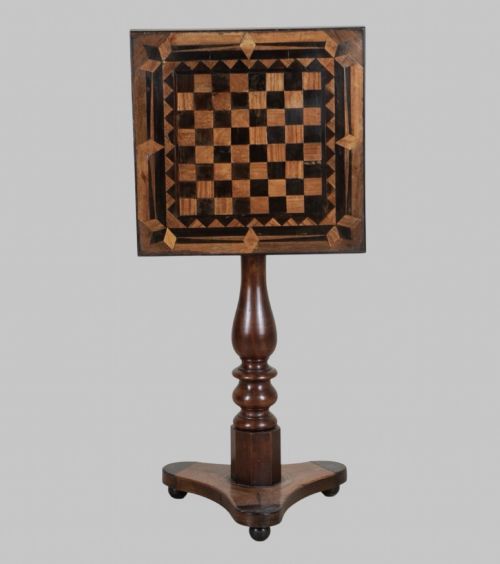
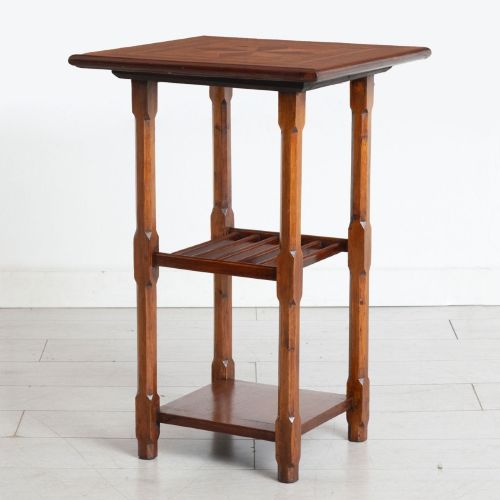
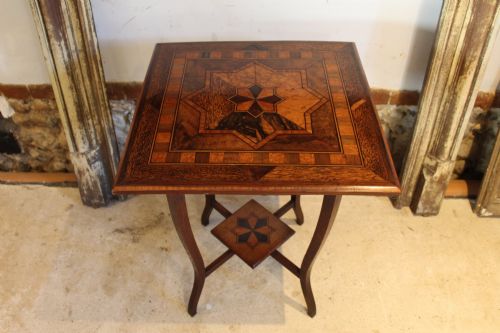
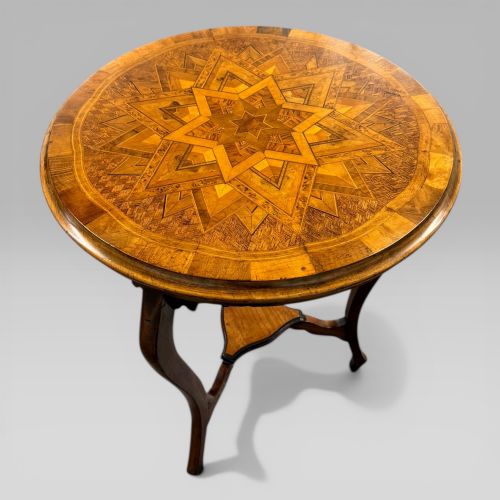
A specimen wood occasional table brings together diverse timbers in geometric parquetry or intricate marquetry to form a practical surface.
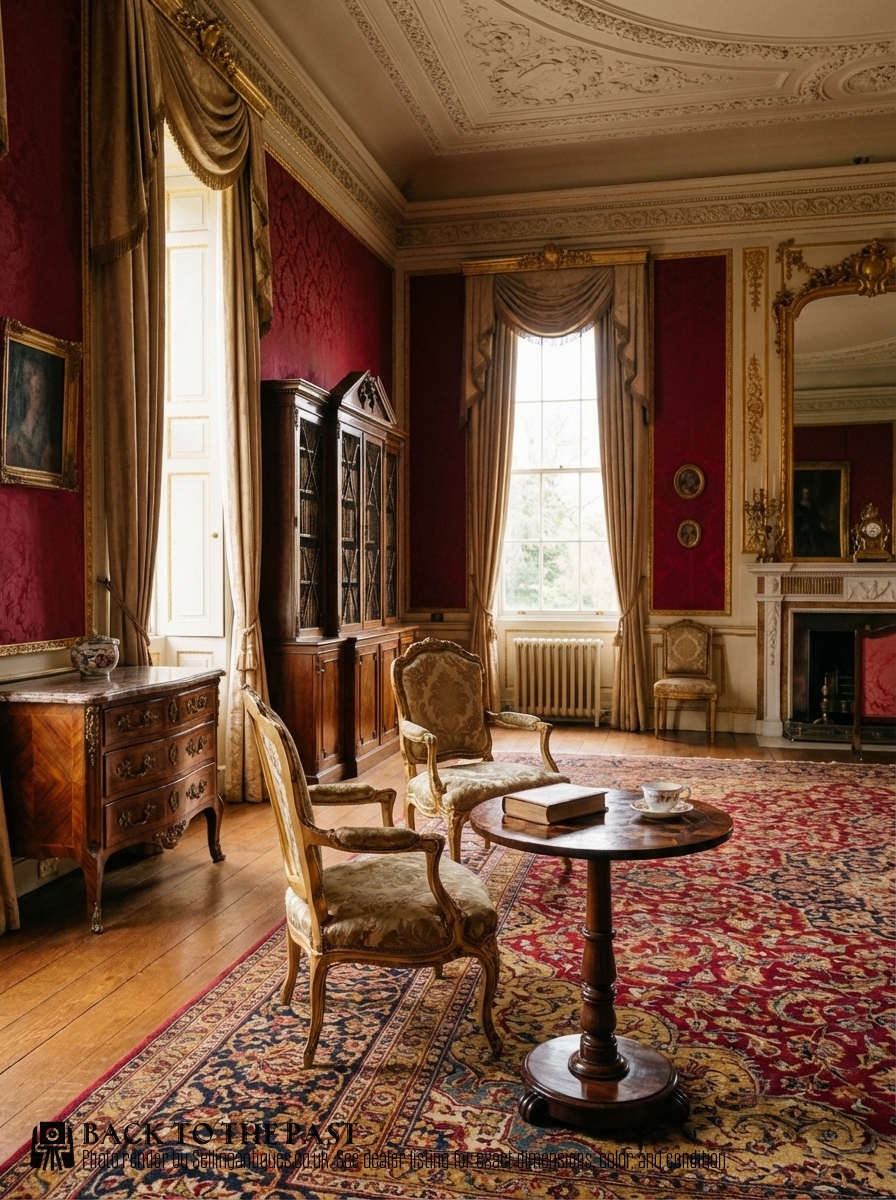
Specimen Wood Occasional Table
When you search for a specimen wood occasional table, you encounter small decorative tables created from multiple native and exotic timbers. The pieces available span the Georgian, Regency, William IV, and Victorian periods, alongside later nineteenth and early twentieth-century examples.
The format varies from circular pedestal designs and hexagonal tables to games tables, lamp tables, and side tables. Many originate from British workshops, while others reflect colonial craftsmanship from New Zealand, India, and Ceylon.
You are most likely to meet nineteenth-century Victorian pieces featuring circular or tilt-top surfaces supported by pillar bases or carved pedestals. These tables served as display pieces in period drawing rooms and parlours.
How they were made
Cabinetmakers constructed these tables using a sturdy foundational timber such as mahogany, walnut, rosewood, or oak for the structural base and pedestal. Upon this carcase, they applied precise geometric parquetry or pictorial marquetry using thin specimen wood veneers.
The surface patterns often incorporated contrasting light and dark timbers such as boxwood, ebony, and burr-elm arranged in sunbursts, star motifs, or complex tiled layouts. Artisans occasionally integrated stone elements like marble or pietra dura panels directly into the wooden tops.
The listings show nineteenth-century examples utilising rosewood, walnut, and mahogany alongside specific regional timbers from New Zealand and Ceylon.
What varies in quality
The standard of a specimen wood occasional table rests on the botanical diversity of the timbers and the geometric precision of the veneer work. Finer examples display meticulous alignment where dozens of distinct native and exotic woods meet without gaps.
Construction methods also distinguish the range, as tables featuring solid turned pedestals, stable tilt-top mechanisms, and heavy brass or carved fittings sit at the upper end of the craft.
Anton Seuffert·William Norrie
The Specimen Wood Occasional Table Glossary
- Specimen wood
- Timber selected for its distinct colour, grain, or rarity rather than structural utility. These diverse woods were gathered from global sources to create decorative patterned surfaces.
- Parquetry
- A geometric mosaic of wood pieces used for decorative surfaces. It relies on precise angles to form repeating patterns like cubes, chequers, and diagonals.
- Marquetry
- The art of applying thin veneers of different woods to a structure to form pictorial or decorative designs. It differs from parquetry through its inclusion of curves and figurative motifs.
- Tilt-top
- A table mechanism allowing the top to pivot to a vertical position when not in use. This clever design saved valuable floor space in nineteenth-century rooms.
- Pietra dura
- An inlay technique using cut and fitted polished coloured stones to create decorative designs. It occasionally appears combined with wooden tabletops in nineteenth-century pieces.
Specimen Wood Occasional Table: Frequently Asked Questions
What is a specimen wood table?
A specimen wood table is a small occasional table decorated with numerous distinct timbers arranged in geometric or pictorial patterns. These pieces showcase the variety of natural wood colours and grains available to nineteenth-century cabinetmakers.
They were designed primarily as decorative and functional furniture for nineteenth-century drawing rooms and parlours. Today, they serve as accent furniture that highlights traditional woodworking skills.
How do I date a specimen wood table?
Dating relies on observing the overall furniture style, base construction, and turning characteristics associated with periods like the Regency, William IV, or Victorian eras. Examining the timbers and secondary woods used beneath the veneers also helps establish age.
Stylistic cues such as pedestal designs, claw feet, and edge mouldings correspond to specific decades within the nineteenth century. Comparative study of known regional work from Britain or colonial workshops narrows the timeframe further.
Where were these tables made?
These tables originated in British workshops as well as colonial regions including New Zealand, India, and Ceylon. Makers utilised both domestic European timbers and exotic woods imported through global trade networks.
Colonial pieces frequently incorporated native timbers unique to their region, resulting in distinct regional styles. British makers often combined these imported exotic specimens into traditional European furniture forms.
How do I care for a specimen wood top?
Maintain the surface by keeping the table away from direct sunlight and sudden temperature shifts that could cause the delicate veneers to lift. Dust gently with a soft dry cloth and avoid harsh chemical polishes.
Because these tops comprise many small pieces of wood with different expansion rates, a stable indoor environment preserves the integrity of the joinery. Natural wax applied sparingly helps protect the polished finish over time.