






Scottish School Landscape Painting
These scottish school landscape painting works capture remote lochs and rugged glens with remarkable atmosphere, offering any collector a direct window into highland scenery.
Scottish School Landscape Painting
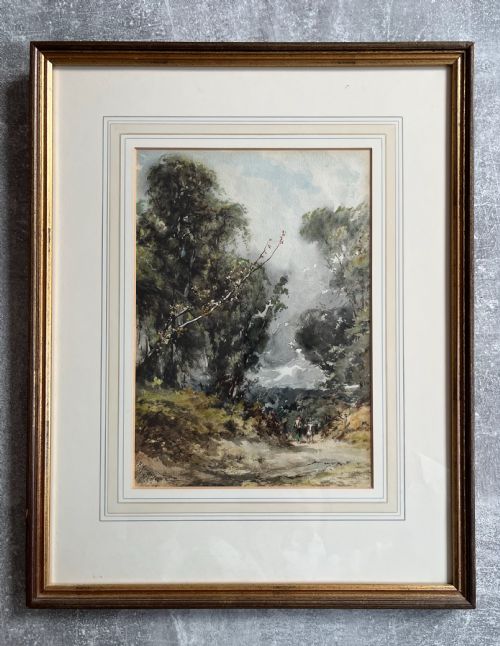
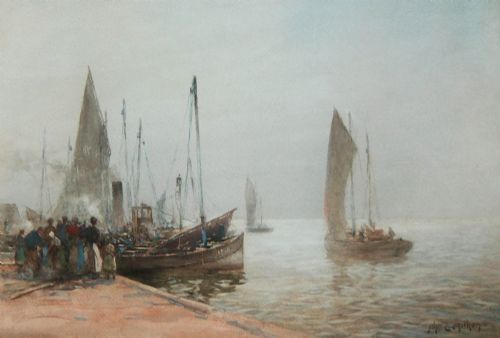
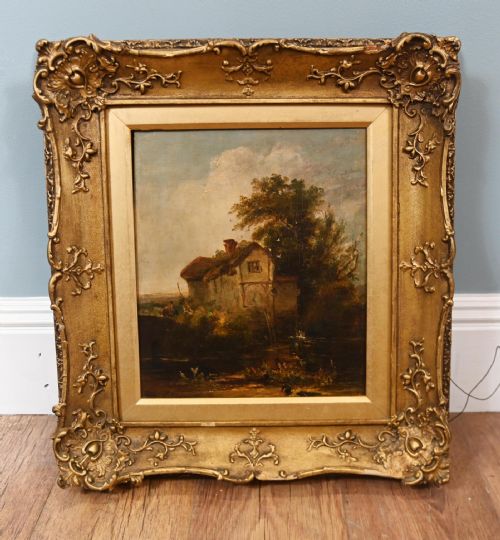
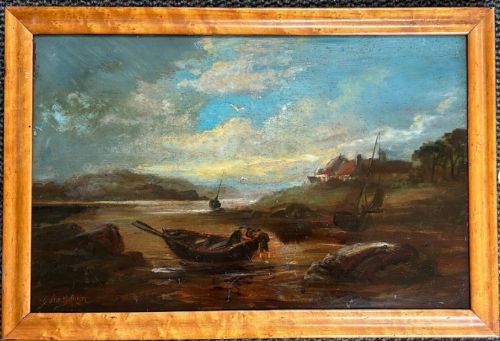
When you examine a scottish school landscape painting, you encounter works spanning the Georgian, Victorian, and Edwardian eras up through the nineteen thirties. These pieces capture rugged terrain, highland vistas, and coastal views through the hands of regional artists and visiting painters alike.
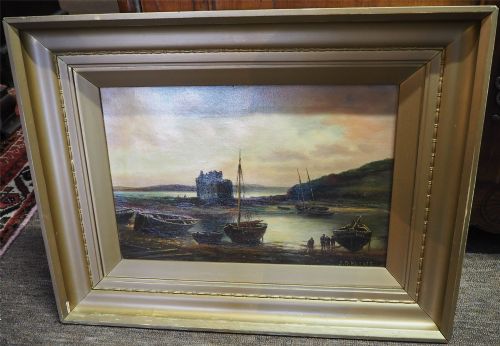
The most common formats you meet on this page are oil on canvas, oil on wood panel, and watercolour on paper, often preserved within original gilt wood and gesso frames. Subjects range from misty mountain lochs and rustic bothies to quiet rivers and pastoral scenes with cattle.
Works vary from intimate watercolours intended for domestic interiors to substantial oils capturing sweeping vistas of the Trossachs and Stirlingshire. They document a distinct regional tradition that valued atmospheric light and truthful observation of the northern terrain.
Materials and Technique
Artists built these compositions primarily using oil paint applied to canvas, wood panels, or occasionally board, while others favoured watercolour and gouache on paper. The support material often dictates the texture, with wood panels allowing for fine, crisp detail and canvases accommodating broader, more expressive brushwork.
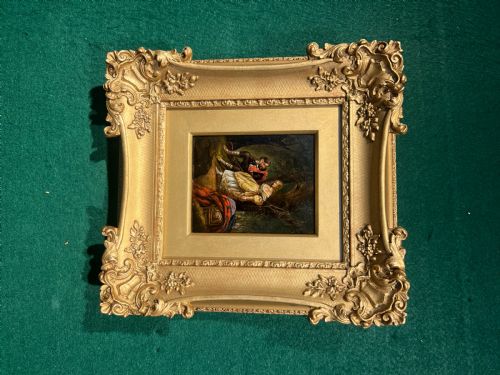
Many works retain their period frames constructed from wood with decorative gesso mouldings and gilt finishes, which protect the edges and complement the tonal range of the artwork. Pigments were handled to capture shifting weather, moody skies, and the particular amber light found across northern landscapes.
The selection spans multiple media, featuring oil on canvas, oil on wood panel, and delicate watercolours on paper.
Judging Quality
The distinction between standard works and exceptional examples lies in the confidence of the brushwork and the artist's ability to render atmospheric depth rather than mere topographical detail. Superior pieces command attention through harmonious colour palettes and dynamic handling of light upon water and heather.
Condition and originality play a defining role, particularly the survival of the unlined canvas, stable wood panels, and period gilt frames that have not suffered heavy restoration. The presence of a clear signature, legible provenance, or a documented exhibition history elevates a piece significantly within this tradition.
George Fotherly Hargitt·Tom Campbell·James E. Aitken·Frank Hider·Robert Gemmell Hutchinson·Sam Bough·Alfred de Breanski Snr·George Smith·James Russell·John B. MacDoanld·Edward John Niemann·E. M. Seaton·Allan Douglass Mainds·John D.Walker·Robert Finlay McIntyre
The Scottish School Landscape Painting Glossary
- Gesso
- A plaster-like material applied to wooden frames before gilding, carved or moulded to create decorative relief patterns. It provides a smooth base for the gold leaf application.
- Bothy
- A small rustic cottage or shelter traditionally found in the remote mountainous areas of Scotland. They frequently appear as focal points in regional landscape art.
- Impressionism
- A style of painting emphasising unblended colours, loose brushstrokes, and the accurate depiction of light in its changing qualities. In Scottish art, this approach captured the transient atmospheric conditions of the north.
- Italianate
- A landscape style influenced by classical ideals and southern European scenery, sometimes adapted by British artists to domestic topography. It introduces balanced compositions and golden light to northern views.
- Panel
- A rigid support for painting, typically made of wood rather than stretched fabric. Panels offer a stable surface that allows for meticulous detail.
Scottish School Landscape Painting: Frequently Asked Questions
What defines a Scottish school landscape?
These works are defined by their regional subject matter, focusing on the topography, weather, and rural life of Scotland across the nineteenth and early twentieth centuries.
They encompass both oils and watercolours produced by artists working within or inspired by the northern landscape tradition.
How should I care for an antique oil painting?
Keep the artwork away from direct sunlight, extreme temperature fluctuations, and high humidity to protect both the canvas and the wooden support.
Dust the surface gently with a soft, dry brush and avoid using any liquid cleaners on either the paint or the gilt frame.
Are most of these paintings framed?
A large proportion of the listings retain their original or period-appropriate frames, often featuring decorative gesso and gilt wood construction.
These frames are selected to complement the era of the painting, though condition and framing styles vary across individual works.
How do I identify the period of a piece?
Periods are typically indicated by the stretcher construction, the type of canvas or panel used, and the framing style characteristic of Georgian, Victorian, or Edwardian craftsmanship.
Signatures, dates inscribed on the reverse, and recorded artist lifespans also provide precise chronological markers.