






Scottish School Art
Scottish school art brings together robust provincial portraiture, atmospheric Highland landscapes, and the distinctive linear geometry of Glasgow furniture and metalwork.
Scottish School Art
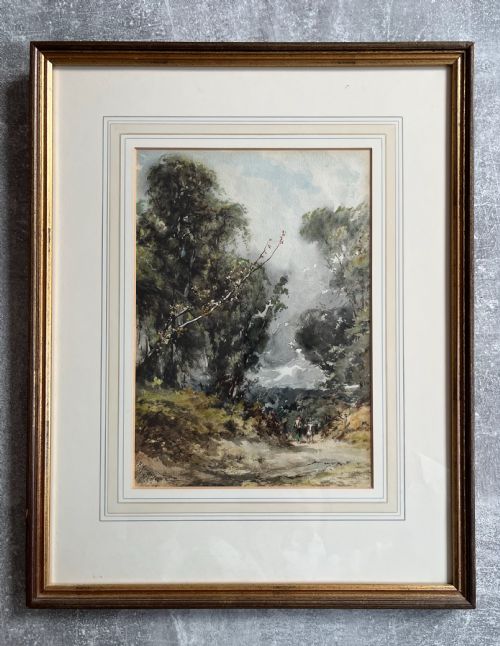
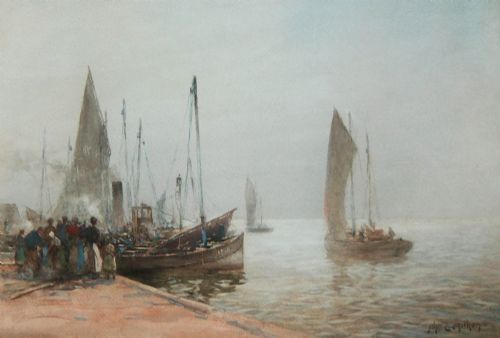
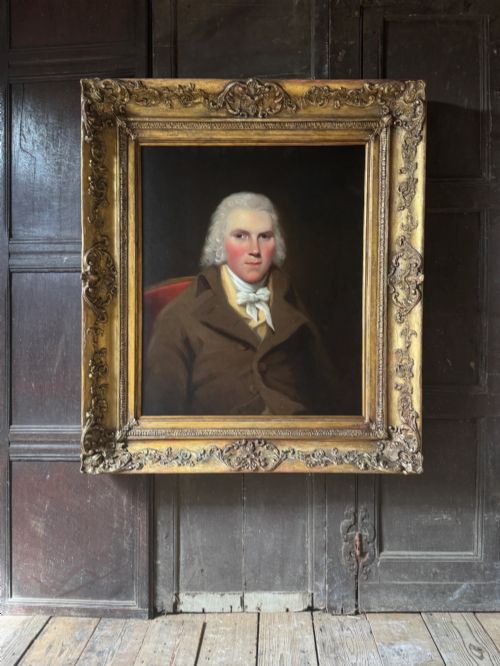
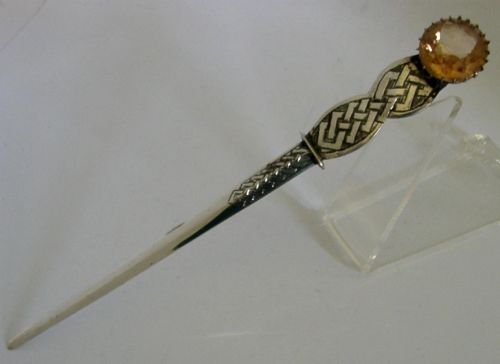
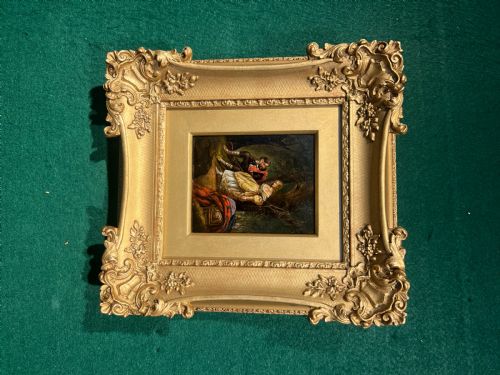
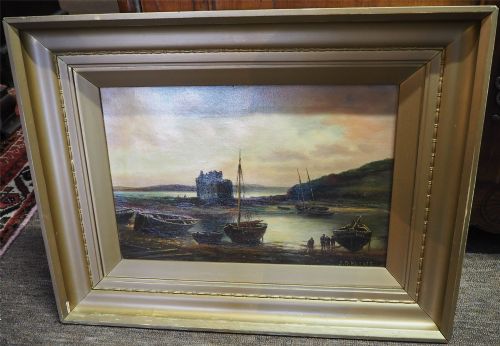
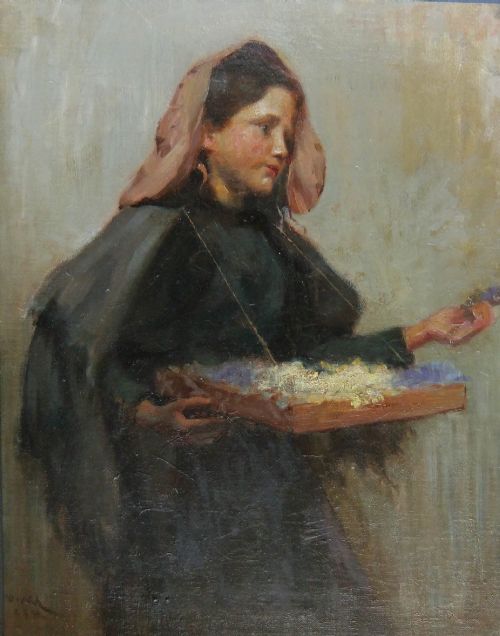
When you search for scottish school art, you encounter a varied assembly spanning canvas paintings, watercolours, and solid oak furniture. The selection ranges from eighteenth-century portraits and nineteenth-century oils of lochs and coastal estuaries to early twentieth-century Arts and Crafts brass mirrors and inlaid cabinets.
You are most likely to meet oil paintings on canvas or wood panel alongside oak furniture items bearing the structural hallmarks of the Glasgow movement. These pieces cross domestic utility and decorative fine art, reflecting the regional output of Scottish makers across several centuries.
How they were made
Makers utilised oil on canvas, wood panels, and watercolours for the pictorial works, applying pigments with varied brushwork to capture coastal light and Highland topography. Furniture and decorative objects rely upon sturdy oak, brass, giltwood, and leaded glass, constructed to functional designs.
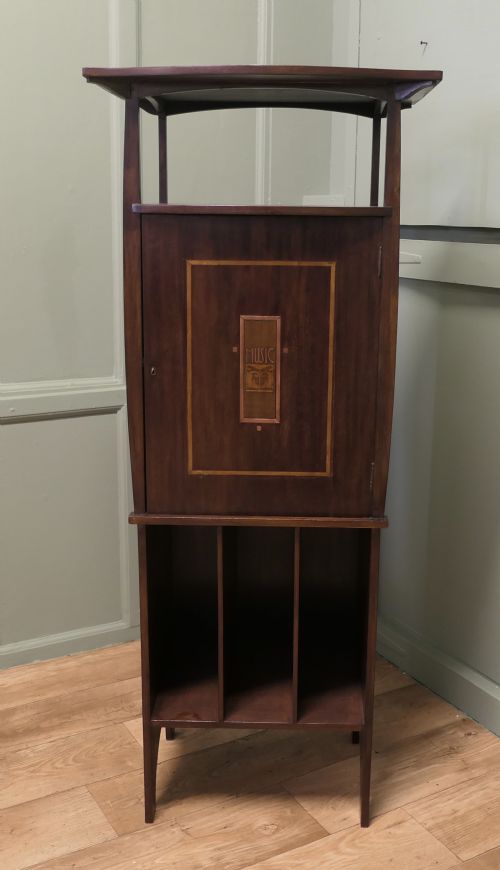
The construction of cabinets, chairs, and tables often incorporates clean geometric lines, exposed joinery, and hammered metal details characteristic of the Arts and Crafts ethos. Frames are frequently executed in giltwood or carved wood to house the paintings securely.
The listings show a broad material palette spanning oil on canvas, watercolours, oak, brass, and leaded glass across several centuries.
What varies in quality
The distinction between tiers rests upon the sureness of the maker's hand, whether in the handling of oil pigments for landscape depth or the integrity of joinery in oak furniture. Works by recorded artists or documented workshops display greater confidence in composition and material selection than uncredited provincial output.
Preservation of original surfaces, such as untouched patination on oak or the clarity of watercolours, separates superior examples from those with extensive restoration or later alterations.
GM Elwood for JS Henry·Tom Campbell·James E. Aitken·William Watt Milne·Wylie Lochhead·E.A. Taylor·Frank Hider·Sir George Reid·Nasmyth·Robert Gemmell Hutchinson·Sam Bough·Alfred de Breanski Snr·George Smith·James Russell·John B. MacDoanld·Edward John Niemann·E. M. Seaton
The Scottish School Art Glossary
- Scottish School
- A loose term describing artists and makers working in Scotland or influenced by its traditions across the eighteenth, nineteenth, and twentieth centuries. It encompasses both academic painters and regional craftspeople.
- Arts and Crafts
- A design movement spanning the late nineteenth and early twentieth centuries that emphasised handcraftsmanship, simple forms, and local materials. In this collection, it appears chiefly in oak furniture, brassware, and related metalwork.
- Oil on Panel
- A painting executed on a wooden board rather than stretched canvas. This surface provides a rigid support often favoured in nineteenth-century landscapes.
- Giltwood
- Wood that has been coated with gold leaf or a gold-coloured finish. It is commonly found on traditional picture frames.
Scottish School Art: Frequently Asked Questions
What defines scottish school art?
It encompasses paintings, watercolours, and decorative objects created in Scotland or by artists trained within its regional traditions. The selection spans portraits, landscapes, and functional furnishings.
Items range from eighteenth-century oil portraits to early twentieth-century oak furniture and brass mirrors influenced by the Glasgow movement.
How do I identify a Glasgow style piece?
Glasgow style works typically feature clean, unpretentious lines in oak, complemented by hammered brass elements, leaded glass, or subtle geometric inlays. These domestic items merge utility with distinct craftsmanship.
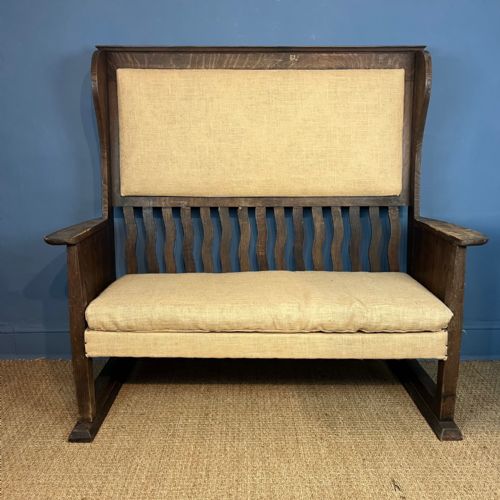
Furniture such as oak settles, wardrobes, and cabinets often displays the structural restraint characteristic of designers linked to this circle.
How should I care for oil paintings on wood panel?
Paintings on wood panels require stable indoor humidity and temperature to prevent the wood from warping or the paint layer from cracking. Keep them away from direct heat sources and strong sunlight.
Dust the surface gently with a soft, dry brush and avoid using liquid cleaners on either the canvas or the original frame.
What is the difference between an oil painting and a watercolour?
Oil paintings utilise pigments suspended in a drying oil applied to canvas or wood panel, allowing for rich textures and layered colours. Watercolours use water-soluble pigments on paper, producing a lighter and more translucent finish.
Watercolours are typically framed behind glass for protection, whereas oil paintings on canvas are usually open to the air.