










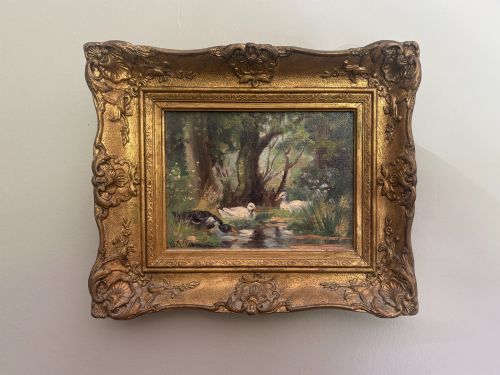

Gold Gilt Frame Oil
When you search for gold gilt frame oil, you are looking at centuries of painted canvas united with carved and gilded timber.
Gold Gilt Frame Oil
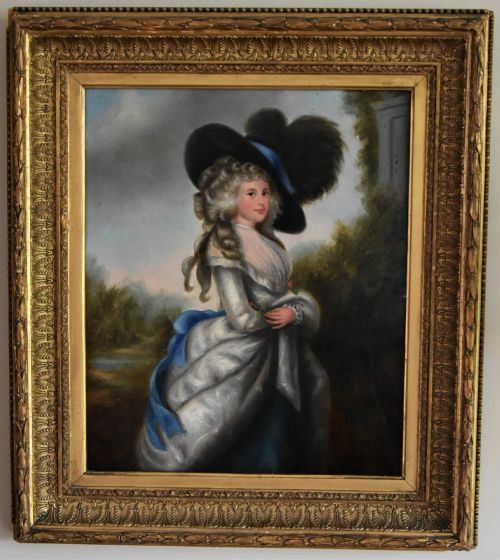
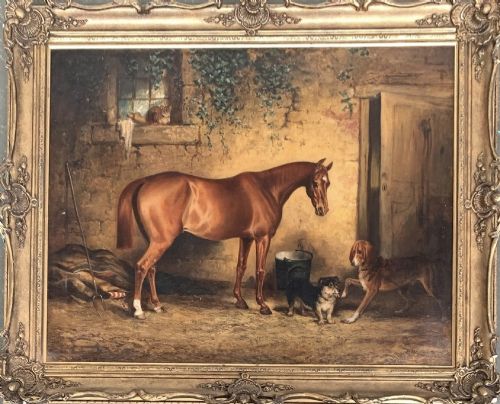
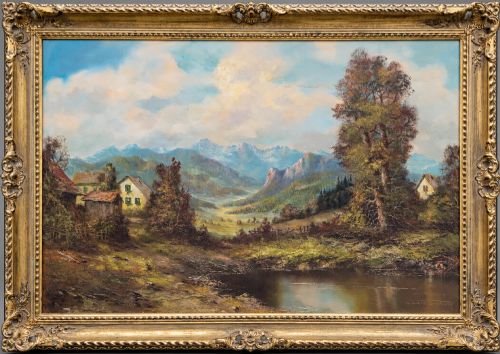
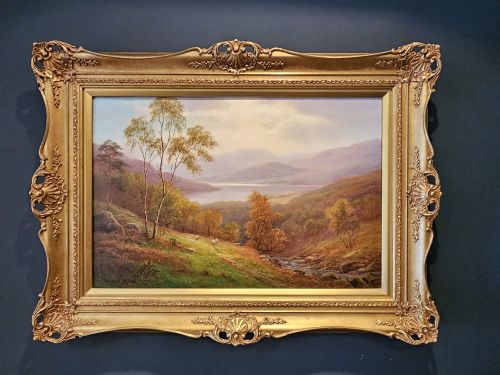
A gold gilt frame oil brings together oil paintings and decorative surrounds executed in wood, gesso, and gold leaf. These works span centuries of artistic production, touching periods from the seventeenth century through the Victorian era and into later decades.
The subjects found within these borders range from intimate portraiture and pastoral landscapes to marine scenes, still lifes, and classical narratives. Buyers frequently encounter pieces reflecting schools such as the English, French, and Flemish traditions.
Within these categories, formats vary between traditional canvas stretched over wooden bars, panels, and specialised architectural elements such as trumeau mirrors incorporating pictorial panels.
Materials and Construction
The physical structure relies on seasoned timber shaped into profiles that support the canvas while providing decorative depth. Artisans applied layers of gesso to the wooden base to create a smooth, responsive surface suitable for intricate carving and gilding.
Gold leaf was laid meticulously over the prepared ground, often burnished to achieve varied reflective qualities that interact with ambient light. Pigments bound in oil were applied to canvas or panel, building up depth through successive glazes and brushwork.
The listings span multiple centuries, incorporating seventeenth-century portraits alongside Victorian landscapes and twentieth-century post-impressionist works.
Evaluating Quality
The caliber of a piece rests heavily on the harmony between the painting and its surround, particularly where the frame is original to the canvas. Hand-carved decorative elements display crispness and depth that machine-moulded substitutes lack.
Pigment stability and the preservation of the original surface layers dictate the visual integrity of the painted scene. Similarly, the retention of original gold leaf without excessive over-gilding preserves the historical character of the object.
Sir Joshua Reynolds·Sir Peter Lely·Charles-Antoine Coypel·Jean-Baptiste Van Loo·Arthur Wardle
The Gold Gilt Frame Oil Glossary
- Gesso
- A plaster mixture applied to wood frames to provide a smooth surface for subsequent gilding. This compound allows carvers to achieve sharp relief details.
- Giltwood
- Timber that has been coated with gold leaf or gold paint for decorative effect. It forms the primary structural and visual base of antique frames.
- Trumeau
- An architectural wall mirror containing an oil painting or panel within its upper section. These decorative pieces originated in eighteenth-century interior design.
- Canvas
- Heavy woven fabric stretched across a wooden frame to serve as a support for oil painting. Linen was frequently utilised for finer works.
- Panel
- A flat wooden board used as a rigid support for oil painting prior to or alongside the adoption of canvas.
Gold Gilt Frame Oil: Frequently Asked Questions
How do I hang a heavy gold gilt frame oil?
Heavy frames require robust wall fixings secured directly into masonry or wall studs using appropriate picture hooks or professional hanging wire. Ensuring the weight is distributed evenly protects both the wall and the structural integrity of the frame corners.
Position the painting at eye level where ambient light can catch the gilded surfaces without creating persistent glare on the canvas varnish.
Are these paintings usually on canvas or panel?
The listings demonstrate a mix of both linen canvas stretched on wooden frames and rigid wooden panels. Canvas supports became dominant for larger works, while panels frequently appear in earlier or smaller compositions.
Examining the reverse reveals the underlying support structure and offers clues regarding the age and origin of the piece.
How should I clean a gilded frame?
Dust accumulates gently within the carved recesses of gilded wood and requires only soft, dry brushing with a clean artist brush. Liquid cleaners and abrasive cloths must be avoided to prevent damage to the delicate gold leaf layer.
Professional conservators should handle any extensive restoration or cleaning of fragile gesso surfaces.
What subjects are most common?
Portraiture forms a significant portion of the available works, depicting subjects ranging from seventeenth-century nobility to Victorian citizens. Landscapes, marine scenes, and still lifes featuring fruit or flora also appear frequently across the periods.
Each genre reflects the prevailing tastes and artistic commissions of its specific era.