

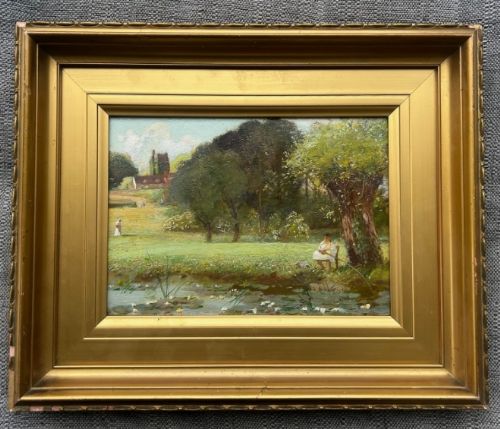


Scottish Impressionist Landscape Art
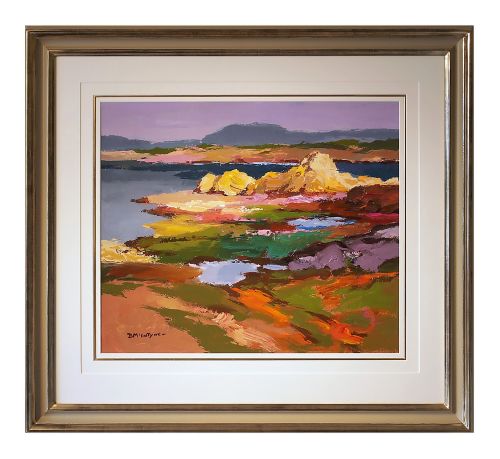
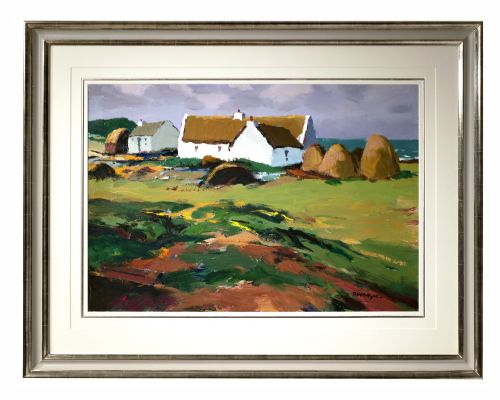
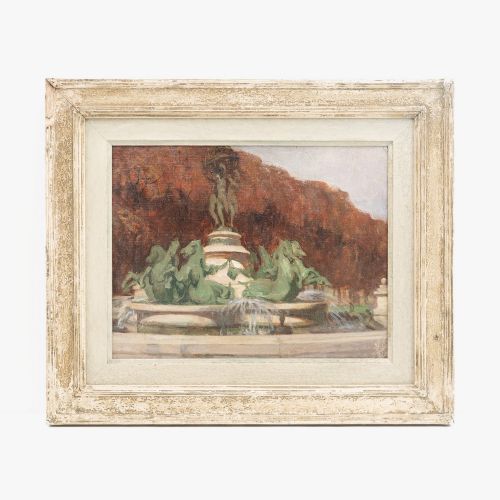
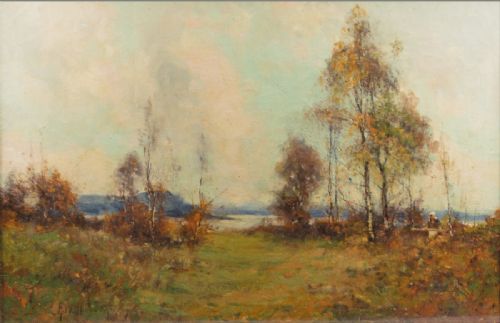
These scottish impressionist landscape art pieces bring light and weather into a room through confident brushwork.
Scottish Impressionist Landscape Art
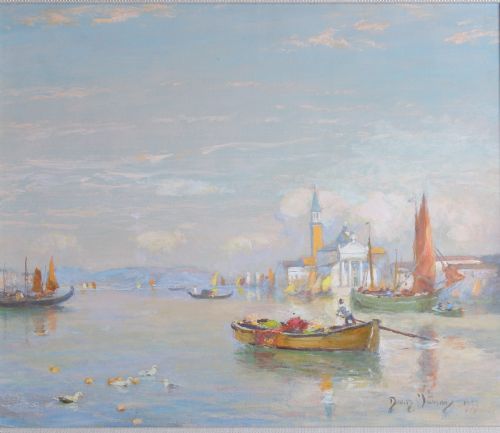
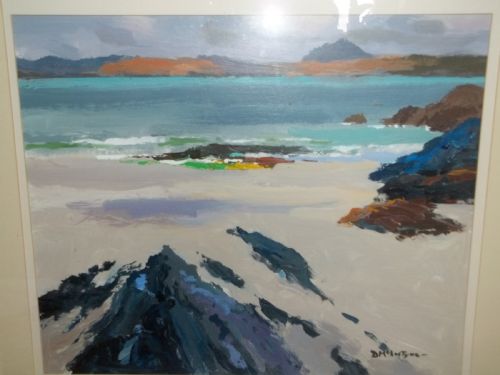
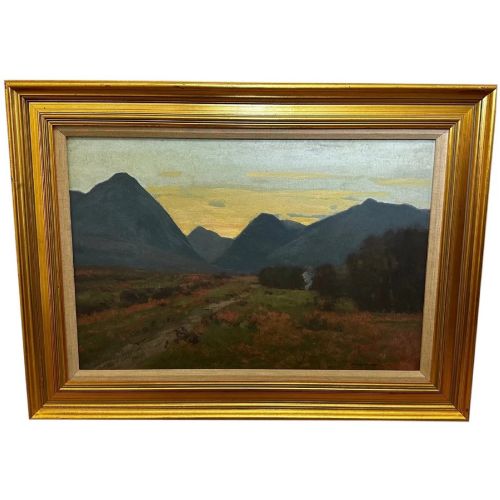
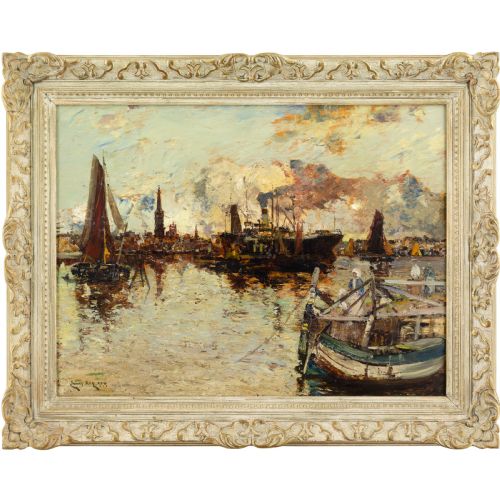
When someone searches for scottish impressionist landscape art, they encounter oil paintings and watercolours depicting rivers, coasts, and fields from the nineteenth century through the mid-century period. The most common works on this page date from the Edwardian era and the nineteen-twenties, painted by artists recording northern light and coastal air.
The subjects range from quiet rural farmyards and highland golf courses to bustling harbours and river banks. These canvases and panels capture specific weather moods, often employing thick impasto to build texture across the surface.
Works span from Victorian beginnings through post-impressionist developments into mid-century abstraction. Regional painters recorded local topography with loose brushwork influenced by continental movements adapted to British conditions.
Assessing the Work
Superior examples demonstrate confident handling of light and pigment where individual brushstrokes construct form and atmosphere simultaneously. Weaker compositions rely on formulaic arrangements with flat areas lacking tonal depth.
The relationship between the support and the pigment dictates longevity, as properly prepared boards and stable canvases prevent surface cracking. Stronger pieces maintain compositional tension across the entire frame rather than concentrating interest solely in the centre.
Listings span from the Victorian period through the nineteen-sixties, utilising oil paint, watercolour, canvas, wood, and board.
George Houston RSA RSW·James Kay RSW·Donald McIntyre·Alexander Jamieson·Alexander Wellwood Rattray·Archibald Kay RSA·Sir David Murray·Thomas Bromley Blacklock·William Grant Murray·Robert Russell MacNee·William Miller Frazer·James Torrington Bell·Owen Bowen·Hirst Walker RBA·Robert Macaulay Stevenson·Robert McGregor·Emily M Paterson·George Smith RSA·Josephine Haswell Miller ARSA·George Melvin Rennie·Alastair Flatterly·James G Faulds·Allan Douglass Mainds·George Neil·Helen Donald Smith
The Scottish Impressionist Landscape Art Glossary
- Impasto
- Paint applied thickly to a canvas or board, standing out in relief from the surface. This technique creates physical texture that catches light and reveals the artist's hand.
- Gilt
- A thin layer of gold leaf applied to wooden frames or decorative surfaces. It provides a metallic border that separates the painted scene from the surrounding wall.
- Panel
- A flat piece of wood used as a rigid support for painting instead of stretched fabric. Painters often favoured wood panels for smaller outdoor sketches.
- Post-Impressionism
- An artistic movement following impressionism that extended its practices while rejecting its limitations. Artists prioritised expressive forms and symbolic colour over optical realism.
Scottish Impressionist Landscape Art: Frequently Asked Questions
What defines scottish impressionist landscape art?
These works combine loose brushwork and vibrant colour palettes with traditional northern subjects. Artists sought to capture transient effects of light on rural and coastal topography.
The style developed through the late nineteenth century and continued into the mid-twentieth century. Painters often worked outdoors to record direct observations of weather and terrain.
How do I date these paintings?
Signatures, framing materials, and support types provide primary clues for dating. Victorian and Edwardian works often utilise traditional canvases with elaborate gilt wood frames.
Later mid-century pieces frequently appear on board supports with simplified framing. Stylistic shifts towards abstraction also help place works into specific decades.
Were these painted outdoors?
Many works began as plein air sketches created directly in the landscape to catch immediate weather conditions. Artists then refined larger compositions inside studios using these initial observations.
The portable nature of oil on board facilitated rapid work by the coast or river bank.
How should I display these frames?
Original gilt wooden frames complement the warm pigments and textured surfaces typical of these paintings. Placing them away from direct sunlight preserves the stability of both the canvas and the paint.
Adequate wall space allows the loose brushwork and atmospheric perspective to register clearly from a distance.