
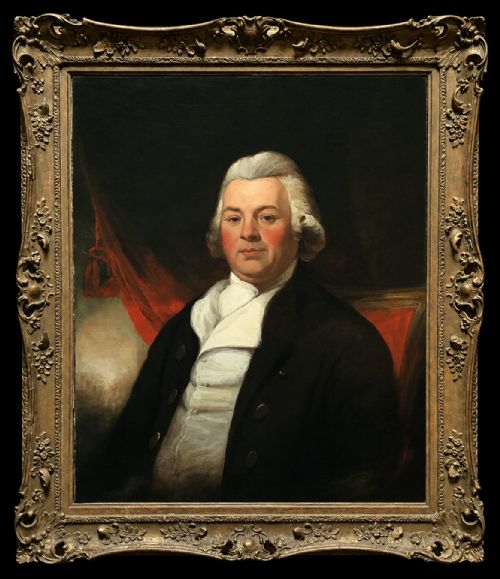


Scottish Gentleman Portrait
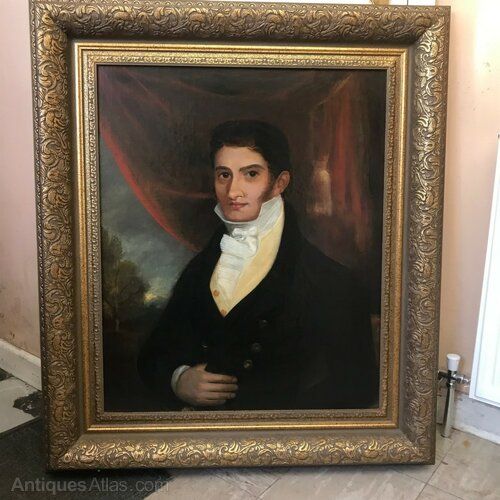
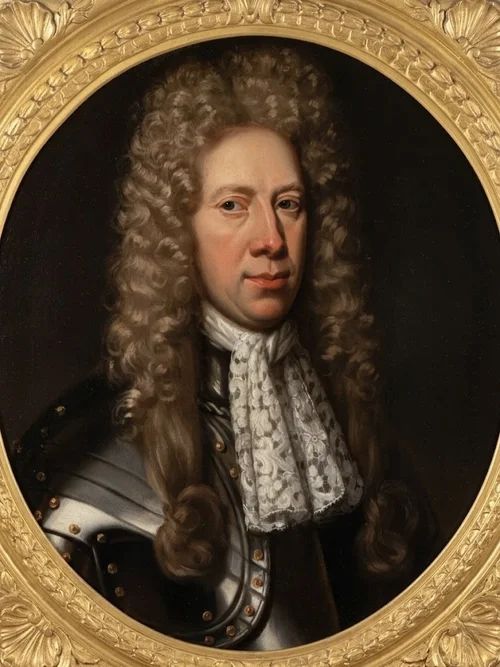
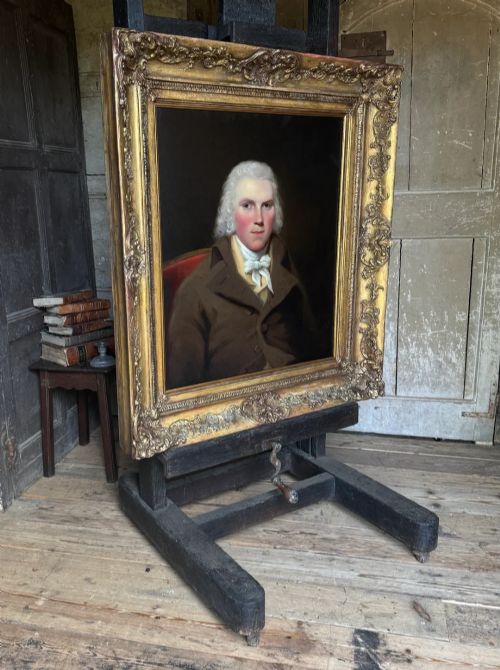
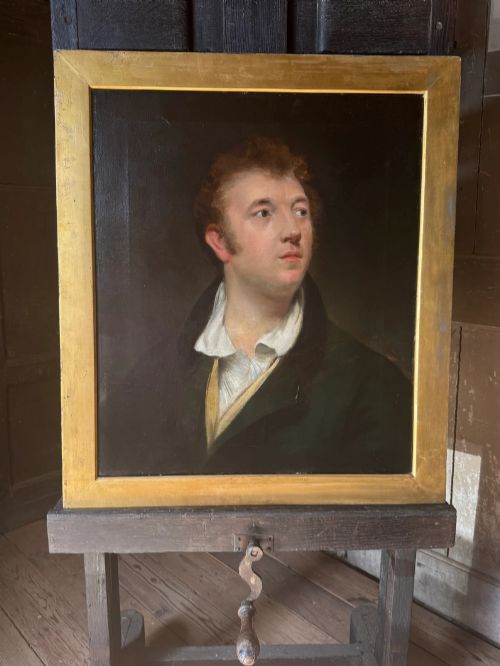
A scottish gentleman portrait captures elite sitters in oil on canvas or bronze, offering a direct view into past centuries of northern heritage.
Scottish Gentleman Portrait
A scottish gentleman portrait brings together oil paintings, canvas works, portrait miniatures, and bronze busts spanning the seventeenth century through to the Edwardian period. The typical piece met here is an oil on canvas depiction of a named subject, often linked to Edinburgh or regional shires, rendered in styles running from Baroque to Victorian.
Subjects range from military captains and physicians to wool manufacturers and landed gentry, capturing the distinct attire and social standing of their era. These works frequently arrive in period frames of giltwood or gesso, completing the historical presentation of the sitter.
Materials and construction
These works rely on oil paint applied to stretched canvas, wooden panels, or card boards, supported by wooden stretchers and heavy gesso or giltwood frames. Bronze sculptures utilise foundry casting methods to render three-dimensional portrait busts with detailed surface patination.
Artists built depth through layered oil pigments, utilising subtle glazes for flesh tones and heavier impasto for ceremonial red tunics, wool tweed garments, or Masonic regalia.
The listings span multiple centuries, uniting seventeenth-century oils with nineteenth-century bronze sculpture and portrait miniatures.
Judging quality in portraiture
Quality rests in the anatomical precision of the hands and face, alongside the confident handling of fabric folds and light source direction. A master hand defines the sitter's character and social presence with vitality, whereas lesser works lean on stiff posture and flat backgrounds.
The survival of original signed inscriptions, period frames, and documented provenance elevate the standing of a piece within historical collections.
JOHN SCOUGALL·JAMES HOWE·George Watson·William Denune·John McGhie·James Archer·Allan Ramsay·Henry John Dobson
The Scottish Gentleman Portrait Glossary
- Gesso
- A plaster mix applied to wood frames to create a smooth surface for gilding. It provides the decorative relief found on period framing.
- Giltwood
- Timber coated in a thin layer of gold leaf. This material frames many of the finest oil paintings from the Georgian and Regency eras.
- Portrait miniature
- A small-scale painting capturing a likeness with intense detail. These delicate works often feature sitters from the Victorian period.
- Oil on canvas
- Pigments bound in drying oil applied to a woven fabric support. This combination forms the primary medium for historical portraiture.
- Regency
- A period of British history running from eighteen eleven to eighteen twenty. Pieces from this time display specific classical tailoring and restraint.
Scottish Gentleman Portrait: Frequently Asked Questions
How do I identify the sitter in a portrait?
Look for handwritten inscriptions on the reverse of the canvas, stretcher bars, or embedded plaques on the frame which frequently record names, dates, and professions.
Researching regional archives, trade directories, or military records often connects the named individual to specific estates, mills, or institutions.
What periods do these paintings cover?
The works span from the late seventeenth century through the Georgian, Regency, and Victorian eras up to early Edwardian production.
Each period brings distinct changes in collar styles, coat cuts, and painting techniques that help date the canvas accurately.
Where should I hang an oil portrait?
Select a wall away from direct sunlight and fluctuating heating vents to protect the oil paint and canvas from cracking or warping over time.
Pairing the piece with traditional room settings or library spaces enhances the historical atmosphere created by the sitter's gaze.
How do I care for a giltwood frame?
Dust the ornate gesso and gold leaf surfaces gently with a soft dry brush, avoiding all liquid cleaners and chemical sprays.
Stable indoor humidity prevents the underlying wood and plaster from shrinking and causing the gilt finish to flake.