





Scottish Floor Clock
A scottish floor clock stands as a tall domestic timepiece, bringing regional cabinet-making and precise mechanical movement into domestic interiors.
Scottish Floor Clock
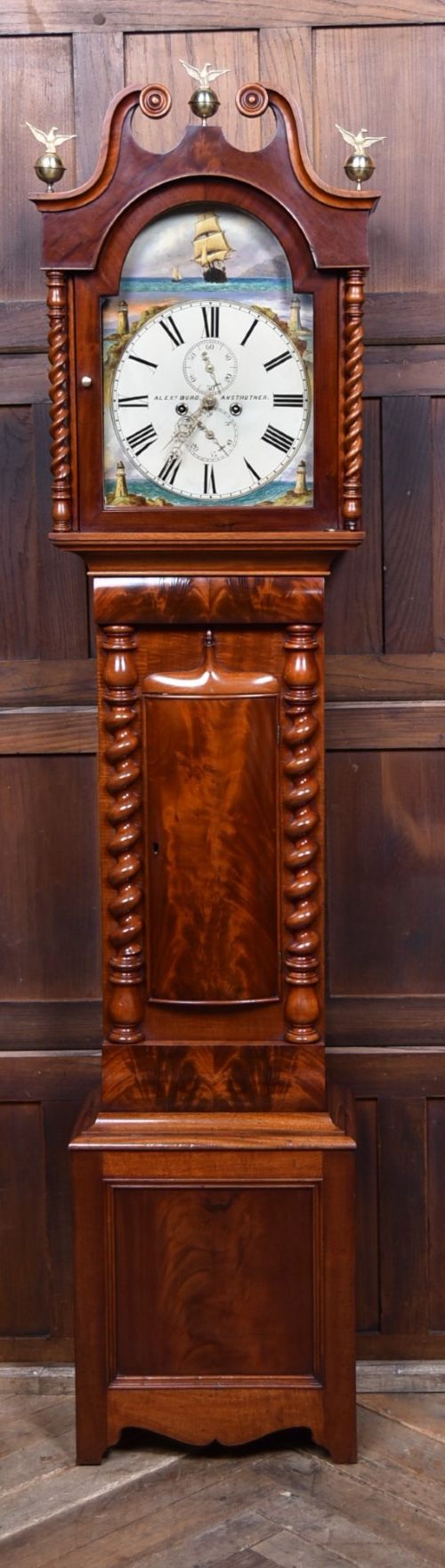
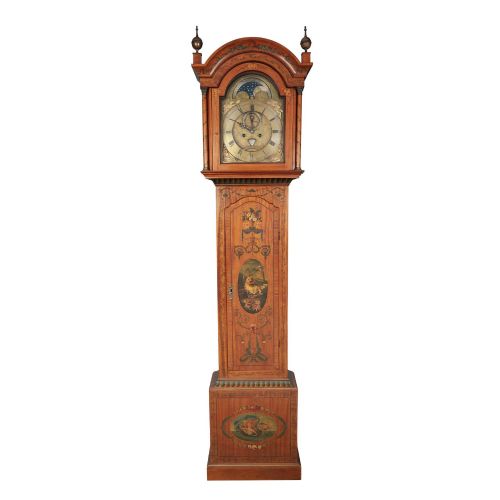
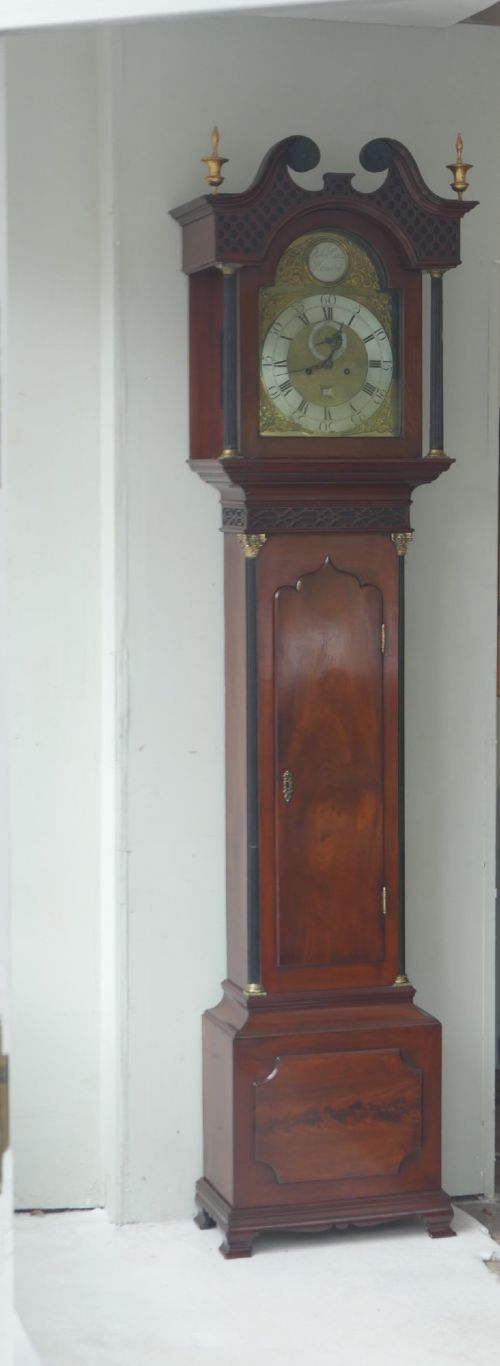
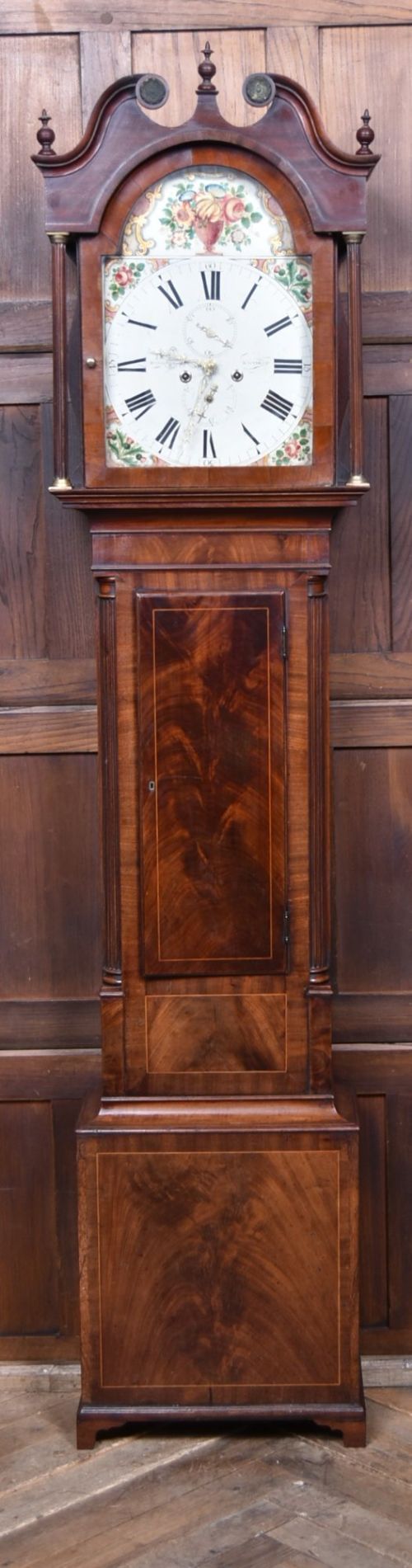
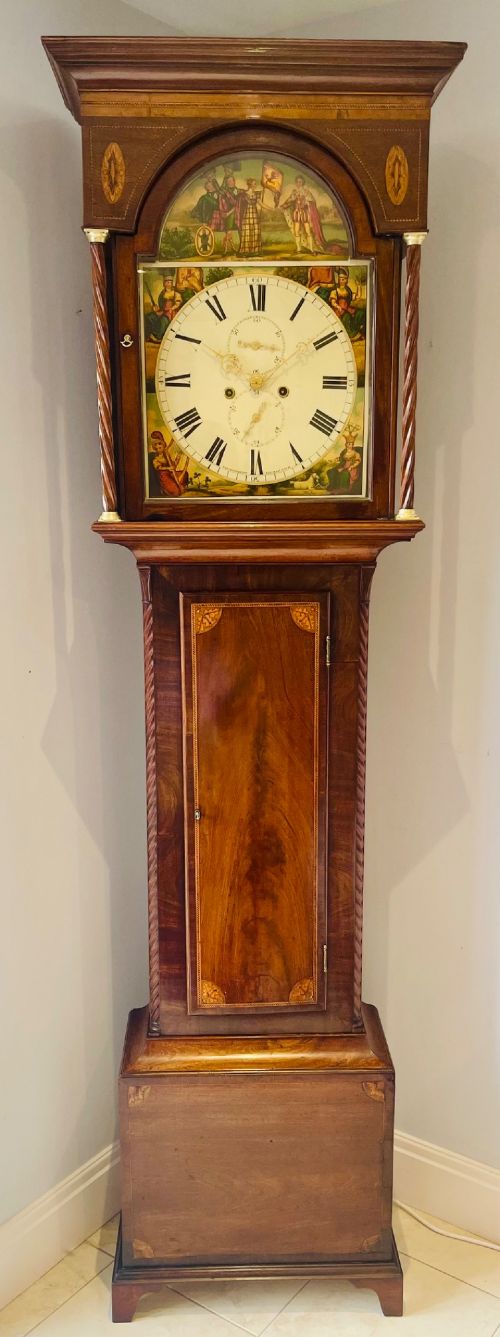
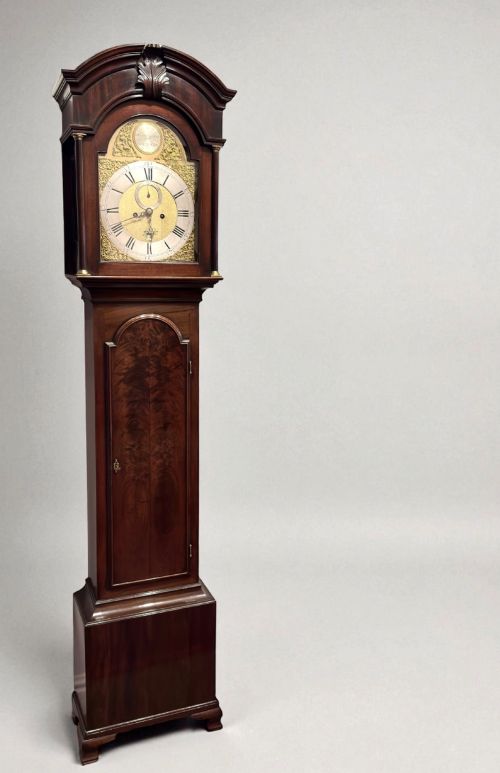
A scottish floor clock typically appears as a tall upright timekeeper, housing a weighted movement within a timber case designed to stand directly upon a room's floor. These objects span periods from the seventeenth century through the Victorian era, encompassing regional variations shaped by local makers across towns and cities.
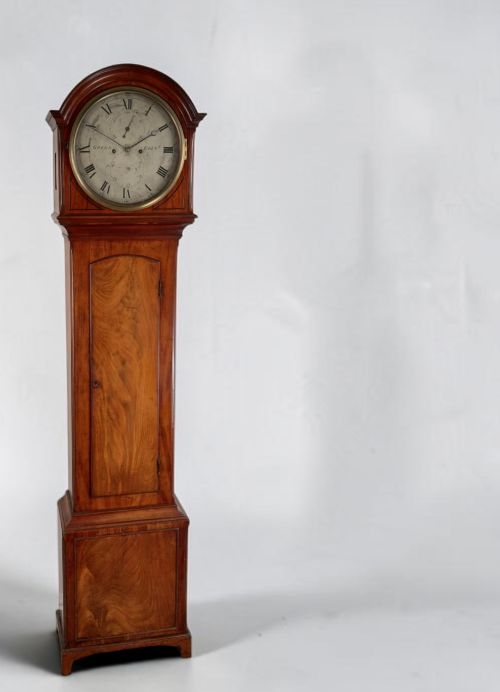
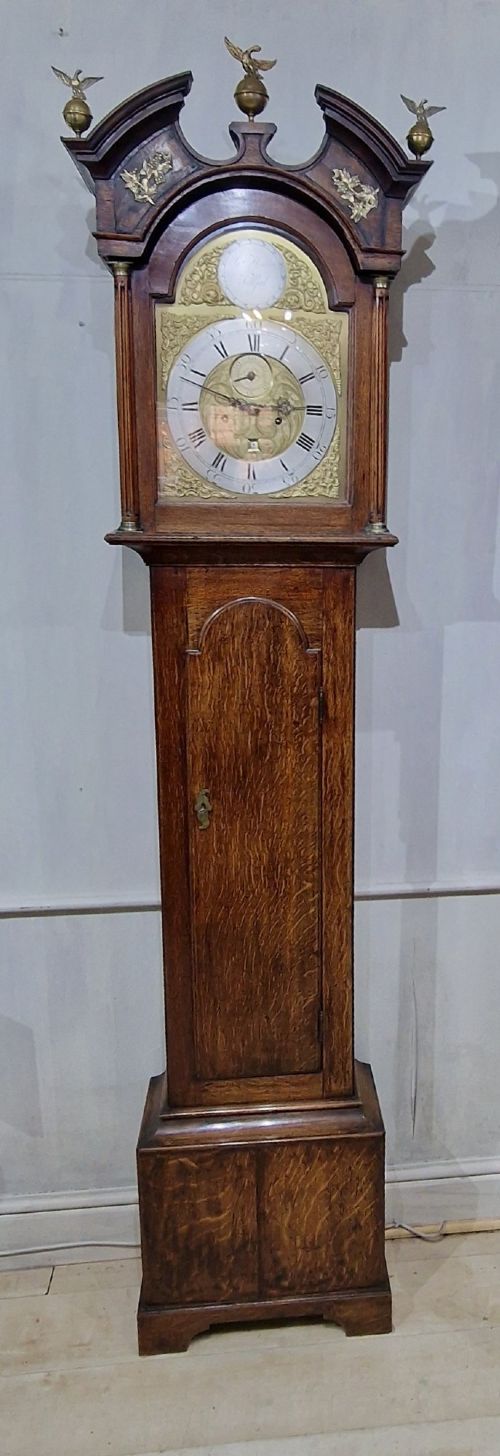
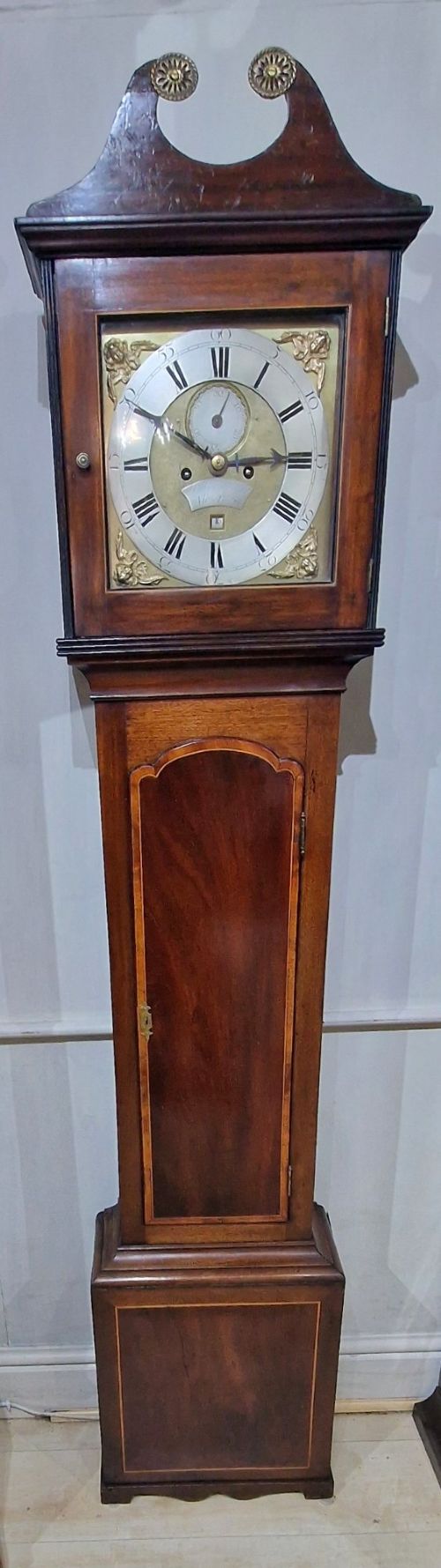
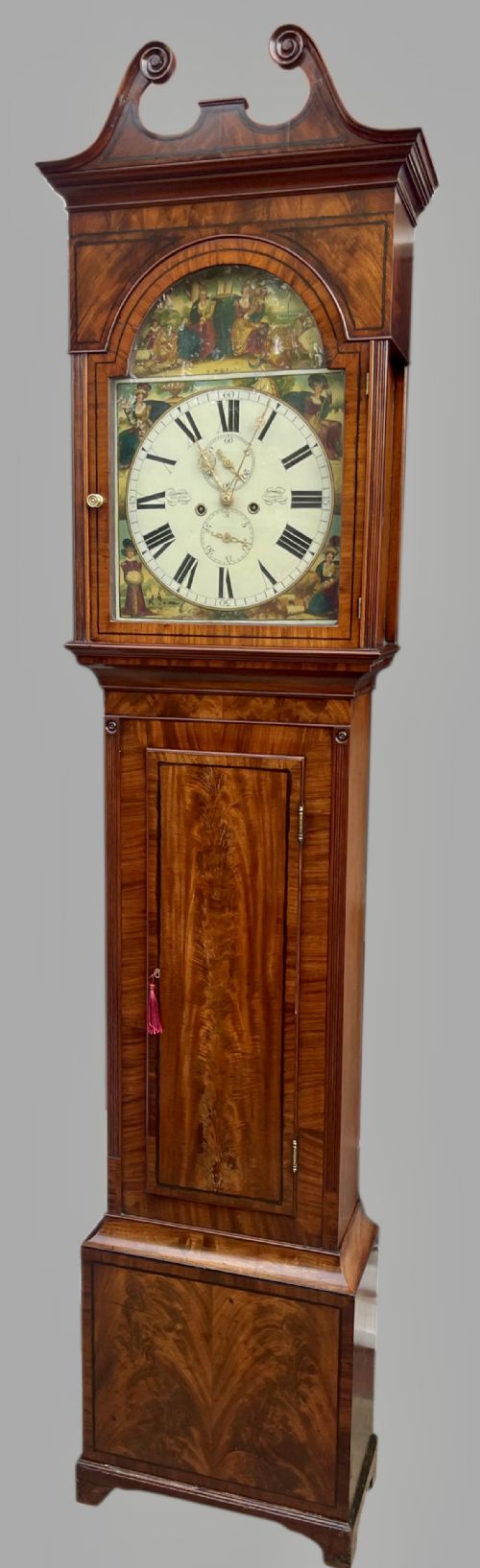
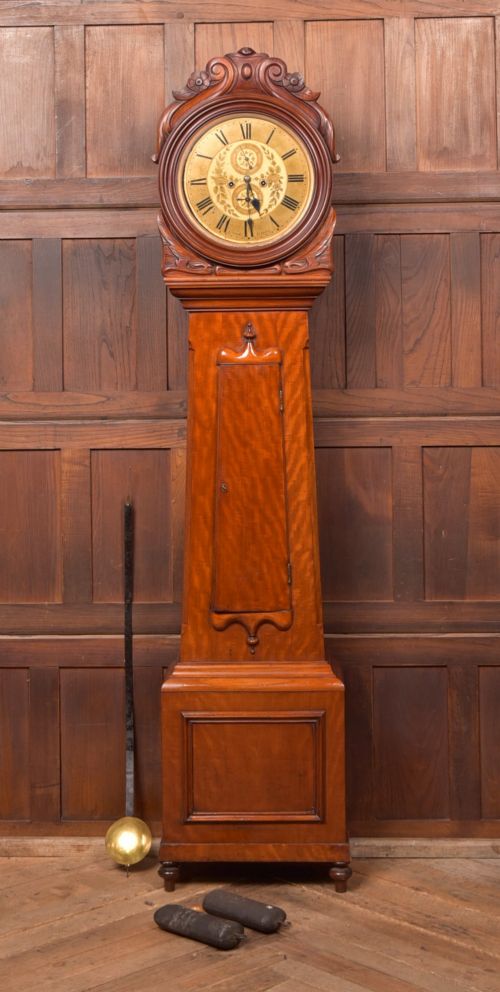
The most common examples met on this page are mahogany and oak longcase pieces from the Georgian and nineteenth-century periods, often featuring painted iron dials and traditional hood designs. Alternative forms include drumhead variants and regulated movements housed in cases of flame mahogany or lacquered finishes.
Makers from centres such as Edinburgh, Dundee, and Dunfermline signed their dials, grounding each scottish floor clock in a specific Scottish locality. These pieces bridge utilitarian timekeeping and regional decorative arts, combining architectural woodwork with brass mechanical components.
Evaluating the Range
Quality separates objects through the crispness of timber carving, the selection of figured mahogany veneers, and the sophistication of the dial's hand-painted details. Regional origin and signed movements by noted makers elevate individual pieces above standard production work.
The integration of the hood design with the trunk proportions dictates visual balance, while complex mechanical additions such as moonphase indicators or regulated movements demonstrate superior technical ambition in the clockmaker's workshop.
Scottish Floor Clock Retail Price Guide 2026
Typical asking prices for scottish floor clock among the pieces listed under this phrase on Sellingantiques today, from the lower quarter to the upper quarter. They describe what is for sale here now, not the wider market.
Some provincial makers measured time so earnestly they even signed the inside of the timber trunk where only wandering spiders could read the ink.
Hendrie Ogg·Gordon of Aberdeen·Green of Edinburgh·Matt Wylie Paisley·David Morice·John Breakenrig
The Scottish Floor Clock Glossary
- Longcase clock
- A tall pendulum clock enclosed in a wooden case standing upon the floor. These items are commonly known as grandfather clocks.
- Drumhead
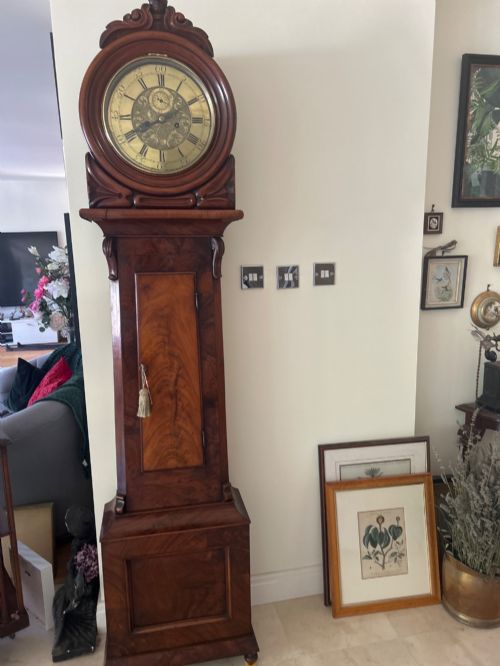
- A circular dial housing positioned at the top of the trunk above a plinth base. This form is particularly prevalent in nineteenth-century Scottish examples.
- Moonphase
- A rotating mechanical disc displaying the lunar phases through an aperture on the dial face. This complication adds both visual interest and mechanical complexity.
- Regulator
- A precision timekeeper designed for high accuracy, often featuring a simplified dial layout and a deadbeat escapement. These movements represent the height of horological performance.
- Flame mahogany
- A veneer cut from the branch junctions of mahogany trees to produce a flamelike grain pattern. Cabinet-makers used this timber on prominent door and hood panels.
Scottish Floor Clock: Frequently Asked Questions
What is a Scottish floor clock?
A Scottish floor clock is a tall mechanical timekeeper housed in a wooden upright case, produced by regional horologists across Scotland. These pieces combine cabinet woodwork with brass weight-driven movements.
They served as the primary domestic timekeepers in homes during the Georgian and Victorian eras, marking hours with bell or gong strikes.
How do I date a Scottish floor clock?
Dating relies upon stylistic changes in the timber case, dial materials, and the signature of the maker recorded on the face. Georgian examples often feature square brass dials or arched painted iron faces within architectural oak or mahogany hoods.
Nineteenth-century pieces frequently introduce drumhead designs, flame mahogany veneers, and refined regional signatures from towns across Scotland.
Where were these clocks made?
These timepieces were manufactured by local clockmakers operating in workshops throughout Scottish cities and burghs. Notable centres of production include Edinburgh, Glasgow, Dundee, and smaller towns such as Dunfermline and Peebles.
Each maker inscribed their name and location directly onto the painted iron or brass dial, preserving the regional origin of the movement.
How do I live with a longcase clock?
Living with a tall timekeeper requires placing the piece on a stable floor surface away from direct heat sources and damp environments. The case should be secured to the wall if necessary to maintain upright stability.
Routine maintenance involves winding the weights at regular intervals according to the eight-day or thirty-hour movement design, alongside occasional professional mechanical servicing.