







Scottish Fine Art Canvas
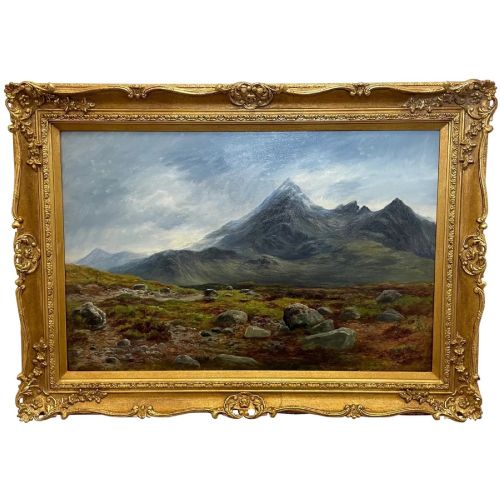
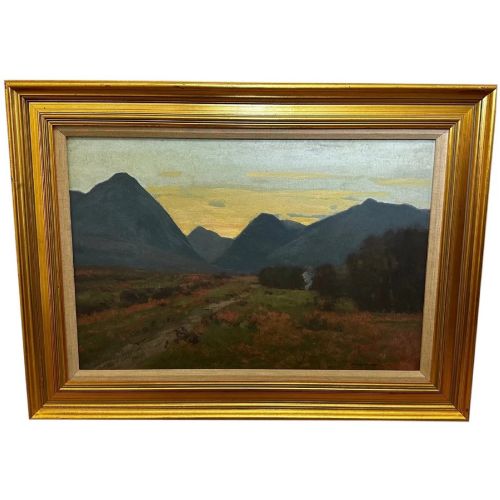
These scottish fine art canvas works bring centuries of portraiture and Highland landscapes into a room through oil paint applied directly to woven fabric.
Scottish Fine Art Canvas
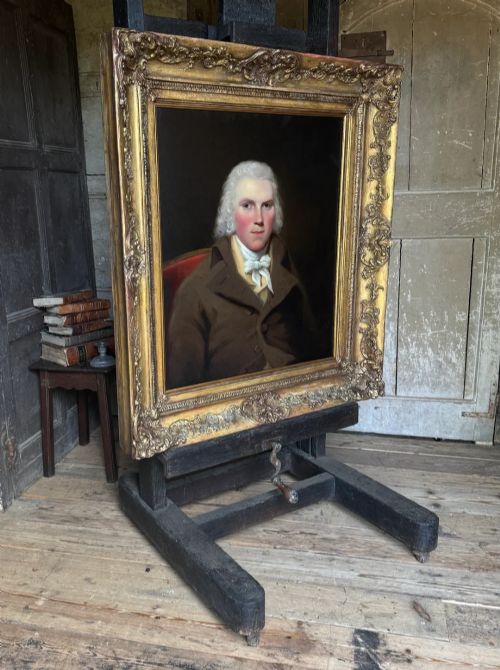
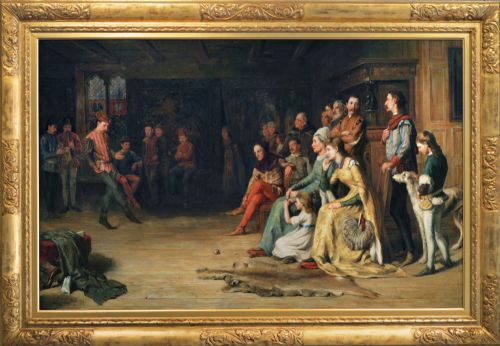
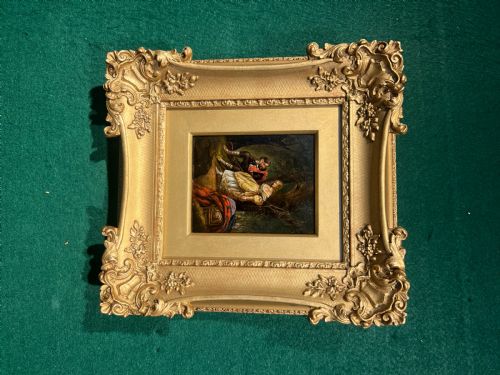
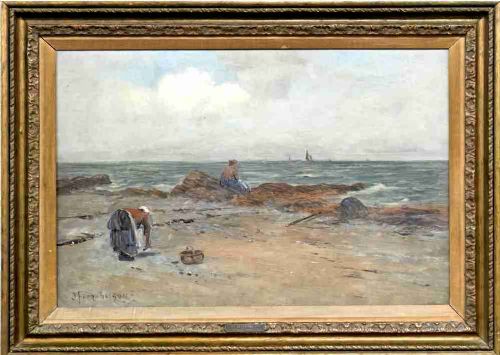
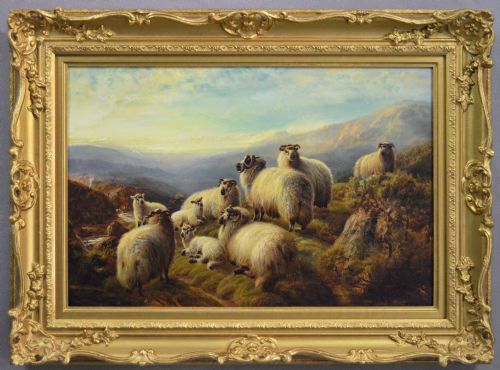
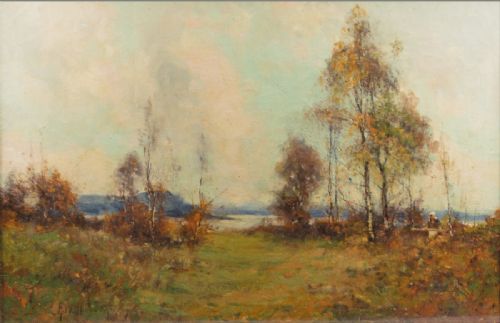
When you search for a scottish fine art canvas, you encounter oil paintings spanning from the seventeenth century through to the mid twentieth century. The selection leans heavily toward nineteenth century landscapes, Victorian genre scenes, and eighteenth century portraits.
Many works record figures from Scottish history, nobility, and local commerce alongside coastal harbours, pastoral valleys, and mountainous terrain. You also find intimate domestic interiors and animal studies rendered by regional painters and British Impressionists.
The dominant forms are framed oil paintings on canvas, often housed within period giltwood and gesso frames that match the age of the artwork itself.
Materials and Technique
Artists built these paintings using oil paint applied to prepared canvas stretched over wooden frames, relying on the texture of the fabric to hold heavy brushwork or fine glazes. Wood provides the internal stretcher structure while heavy gesso and gold leaf build up the ornamental frames.
The combination of oil paint and linen or hemp canvas allowed painters to achieve rich colour saturation and subtle tonal shifts that survive across centuries. Over time, the interaction between the oil pigments and the organic canvas created distinct craquelure patterns.
Listings feature works from the seventeenth to the mid twentieth century, utilising oil on canvas stretched over wood.
Judging Quality
Quality rests in the handling of light, the structural integrity of the canvas support, and the skill with which the artist captured anatomy or atmosphere. Superior works display confident brushwork and well proportioned compositions that hold the viewer's attention from across a room.
The condition of the original paint layer and the presence of a period matching giltwood frame elevate a piece significantly. Finer paintings maintain their original stretchers and show minimal retouching across the canvas surface.
DAVID SCOUGALL·GEORGE WILLISON·George Houston·Eric Robertson·James Hamilton·Joseph Farquharson·Charles James McCall·Robert Watson·William Watt Milne·Alexander Wellwood Rattray·Archibald Kay·John Horsburgh·John Douglas Perrett·TOM SEYMOUR·William McCance·Sir George Reid·George Melvin Rennie·James Torrington Bell·Alan Ramsay·Owen Bowen·Alfred de Breanski Sr.·John McGhie·James Archer·Gustave De Breanski·Duncan Cameron
The Scottish Fine Art Canvas Glossary
- Canvas
- A heavy woven fabric, usually linen or hemp, used as the primary support surface for oil paintings. It is stretched tightly over a wooden frame before painting begins.
- Gesso
- A plaster mix applied to wooden frames to create a smooth surface for gilding. It provides the crisp sculptural relief seen on antique frames.
- Craquelure
- The fine network of minute cracks that appears across the surface of old oil paintings as the paint film ages and hardens. Collectors view this as a natural marker of genuine age.
- Impressionism
- An art style focused on capturing light and everyday subjects through visible brushstrokes. Scottish practitioners adapted these techniques to render Highland weather and coastal light.
Scottish Fine Art Canvas: Frequently Asked Questions
Are these paintings stretched on original wood?
Many retain their original wooden stretchers, though older works occasionally require restretching onto new timber to support sagging canvas.
Examining the edges and the back of the frame reveals wedge keys and wood types consistent with the period of creation.
Where were these artists working?
The painters lived and worked across Scotland, recording urban scenes in Edinburgh and Glasgow alongside rural landscapes in the Highlands and Borders.
Some travelled internationally or trained in continental academies before returning to paint local subjects and portraits.
How should I hang canvas art at home?
Paintings on canvas need stable indoor environments away from direct sunlight, excessive heat sources, and damp exterior walls.
Securing the heavy giltwood frames with appropriate wall fixings ensures the weight distributes safely without straining the wire.