
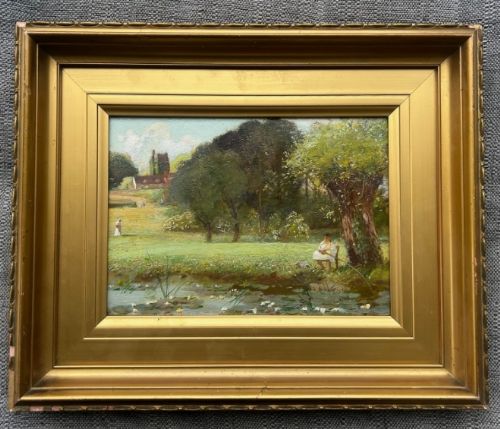


Scottish Artist Oil
These scottish artist oil paintings span centuries of portraiture, landscape and genre scenes, offering collectors a direct link to northern traditions.
Scottish Artist Oil
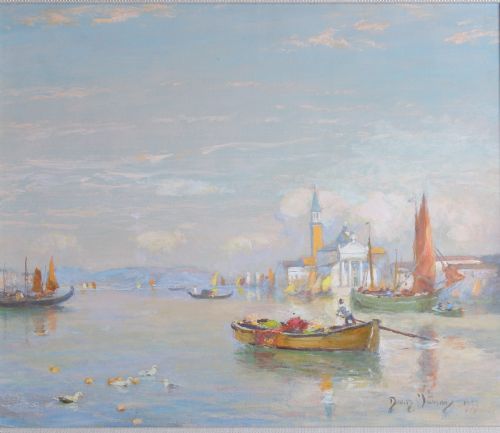
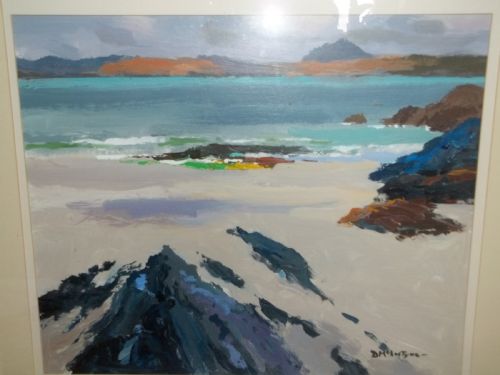
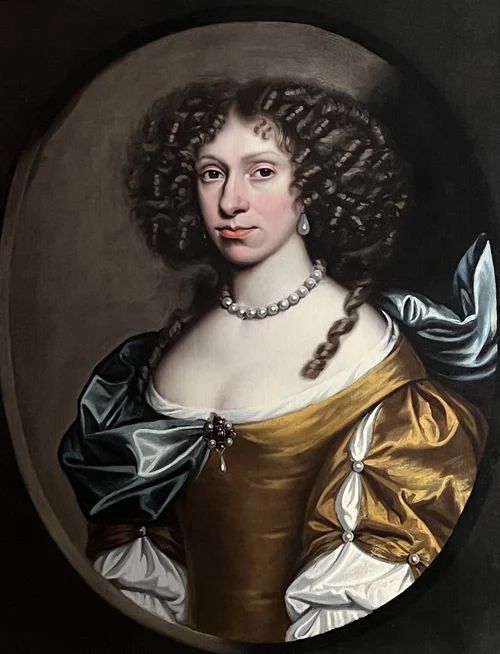
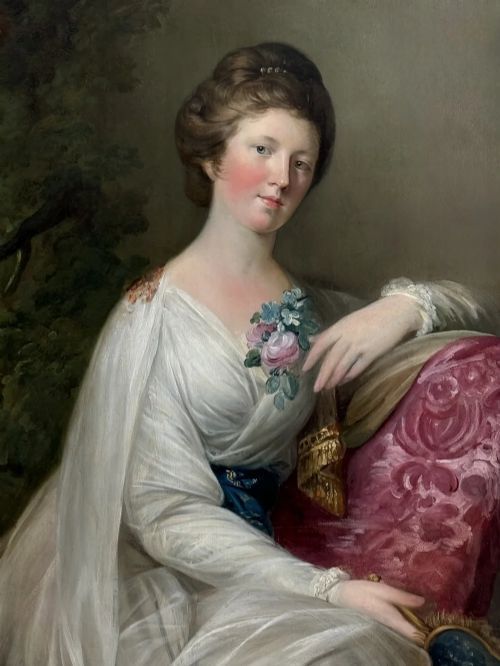
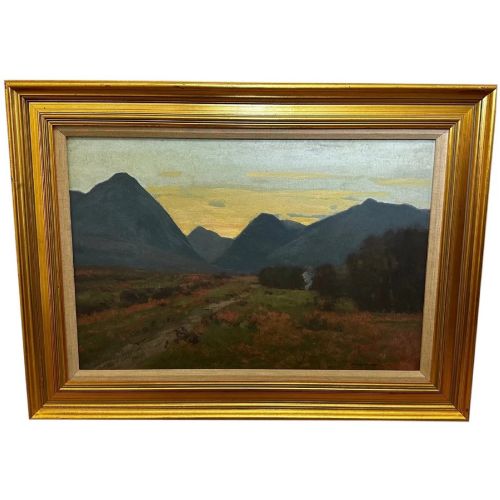
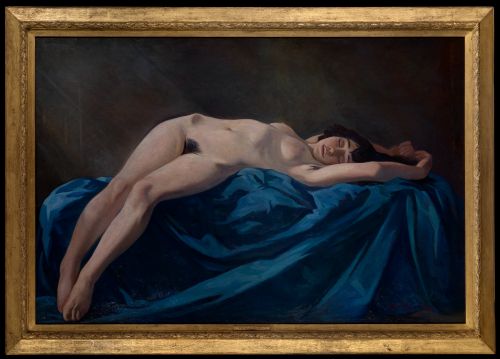
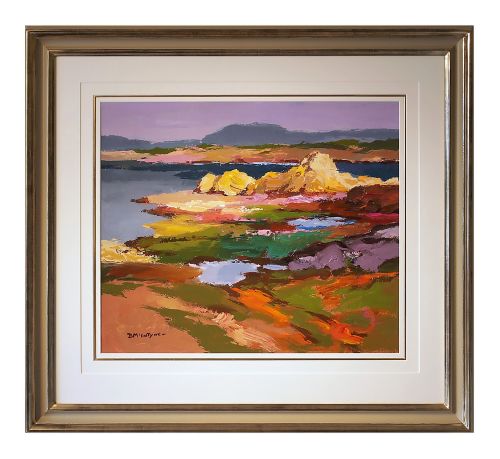
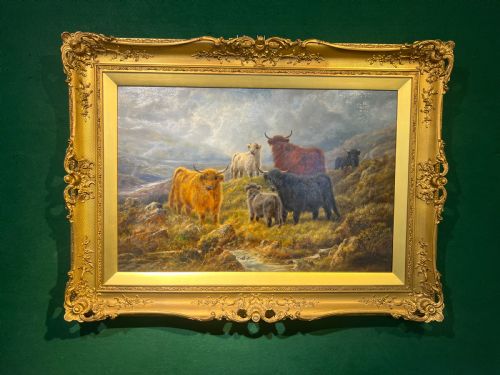
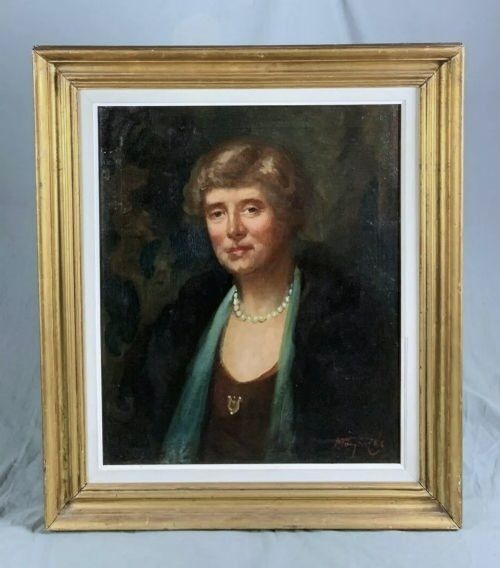
A scottish artist oil selection brings together centuries of painted canvases and panels, featuring everything from moody Highland landscapes to detailed portraiture. You will frequently encounter works originating from the nineteenth and early twentieth centuries, reflecting shifting regional movements.
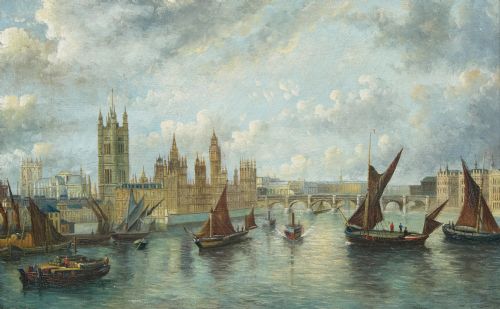
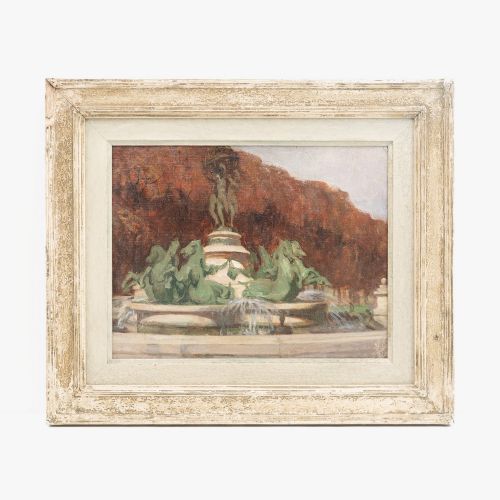
The subjects range widely across genres, capturing domestic animals, tranquil coastlines and urban street scenes. Many examples showcase distinct periods such as Victorian realism or early twentieth-century impressionism.
Methods and materials behind the canvas
Makers laid their compositions primarily using oil paint applied to stretched canvas or wooden panels. These supports were frequently prepared with gesso grounds to receive the pigment.
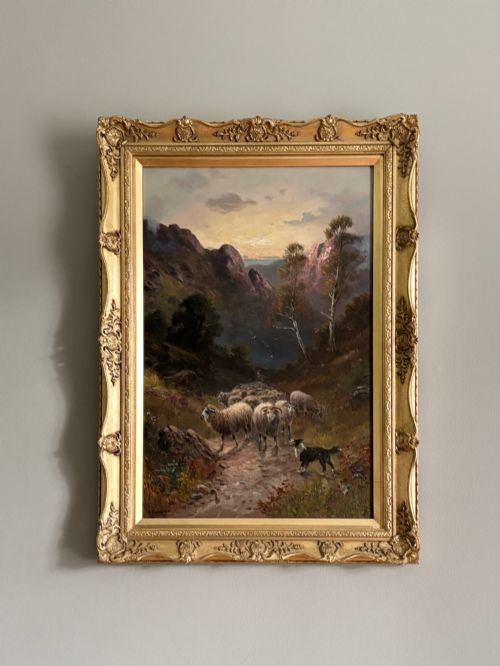
Framing often involved traditional giltwood mouldings that complement the depth of the painted surface. Brushwork ranges from tight academic precision to looser, textural application.
Sheep dogs and their flocks make regular appearances, proving that historical Scottish artists found just as much inspiration in woolly companions as in grand mountains.
Distinctions across the range
Execution and handling of the medium dictate the standing of each piece, distinguishing hurried sketches from fully realised compositions. The assurance of the brushwork and the management of light reveal the hand of a trained practitioner.
Condition of the pigment and the stability of the underlying support play a major role in assessment. Original frames and untouched surfaces elevate the integrity of the surviving work.
Donald McIntyre·David Scougall·George Willison·George Houston·Eric Robertson·Robert Watson·John Macvicar Anderson·Charles James McCall·Douglas Cameron·Alexander Jamieson·Sir David Murray·William Littlejohn·John A. Houston·John Douglas Perrett·Sir George Reid·William Miller Frazer·GW Horlor·Robert McGregor·James Stuart Park·John Robertson Reid·John McGhie·John Phillip·Alastair Flatterly·Allan Douglass Mainds·Samuel Fulton
The Scottish Artist Oil Glossary
- Canvas
- A heavy woven fabric used as a surface for painting. It is typically stretched tightly across a wooden frame before pigment is applied.
- Giltwood
- Timber that has been coated with a thin layer of gold leaf or gilt powder. This material is standard for traditional picture frames.
- Gesso
- A white paint mixture consisting of a binder mixed with chalk, gypsum or pigment. Painters use it as a prepared base for wooden panels and canvases.
- Oil Paint
- A slow-drying paint made by combining pigments with drying oils such as linseed. It allows artists to blend colours smoothly and build thick impasto textures.
Scottish Artist Oil: Frequently Asked Questions
How do I identify a nineteenth-century Scottish landscape?
Nineteenth-century Scottish landscapes often depict familiar regional topography, from Highland glens to coastal shores, executed in oil on canvas.
Examining the stretcher bars, canvas weave and biographical dates of the listed painter helps confirm the period of creation.
What is the difference between oil on canvas and wood panel?
Canvas provides a flexible, textured surface stretched over a wooden frame, which was standard for larger works.
Wood panels offer a rigid support that was frequently favoured for smaller, highly detailed paintings from earlier centuries.
How should I care for an antique oil painting?
Keep painted works away from direct sunlight and dramatic fluctuations in household humidity.
Dust the surface gently with a soft, dry brush and avoid using liquid cleaners on the pigment or gilt frame.
Are all these paintings signed by the artist?
Many examples feature artist signatures or monograms inscribed directly into the pigment, often near the lower edge.
Unsigned works are attributed based on stylistic evidence, technical handling and recorded provenance.