



Scottish Art Painting
Scottish art painting captures the landscapes, portraits, and maritime scenes of northern heritage through centuries of dedicated brushwork.
Scottish Art Painting
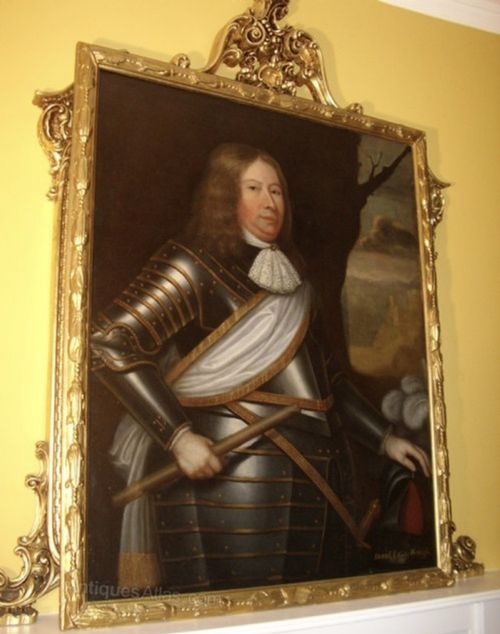
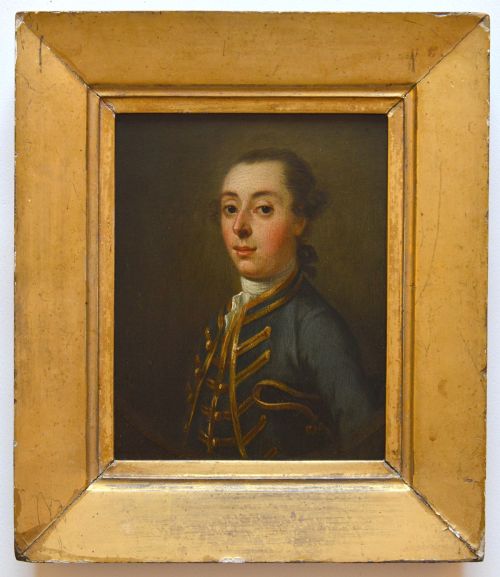
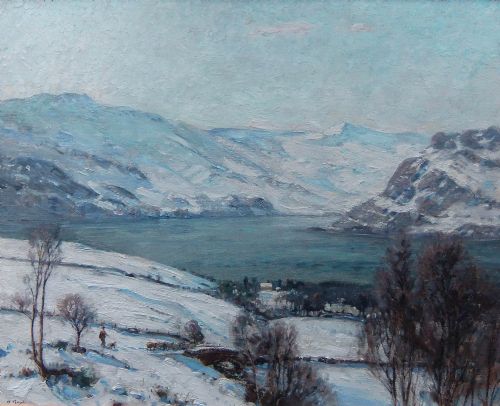
A scottish art painting encompasses framed works on canvas, board, and paper dating from the seventeenth century through the mid twentieth century. Buyers seeking this phrase encounter detailed portraits of nobility alongside atmospheric Highland landscapes and coastal watercolours.
Materials and Techniques
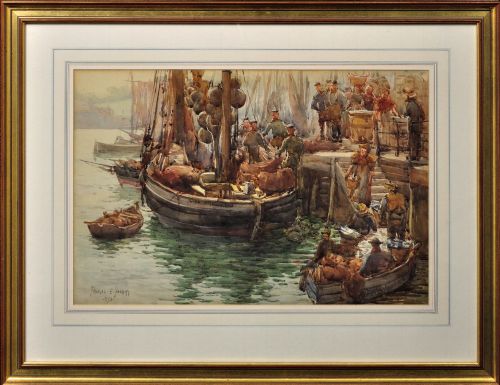
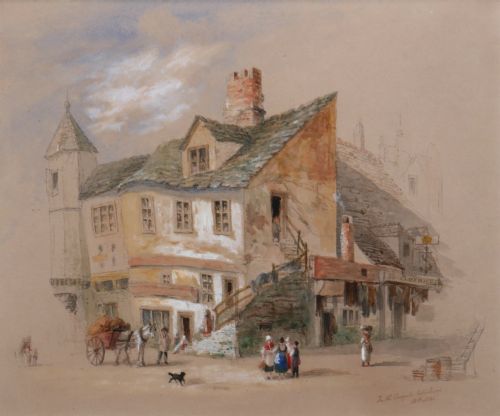
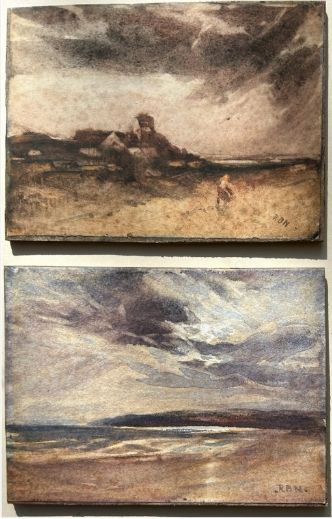
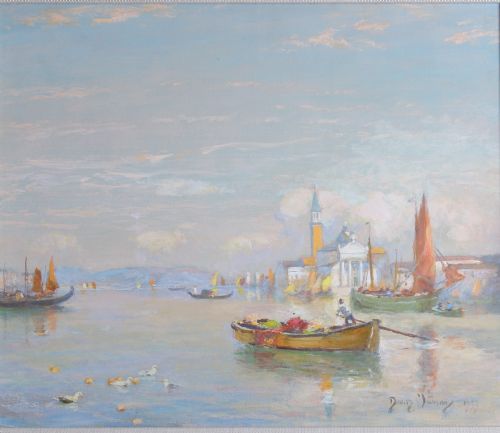
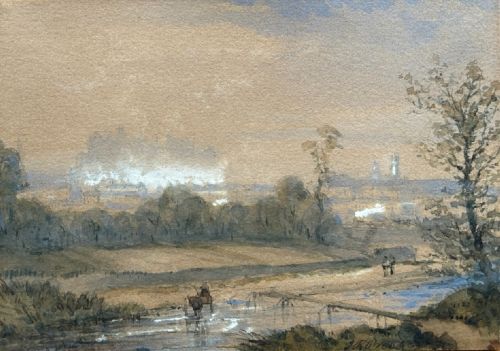
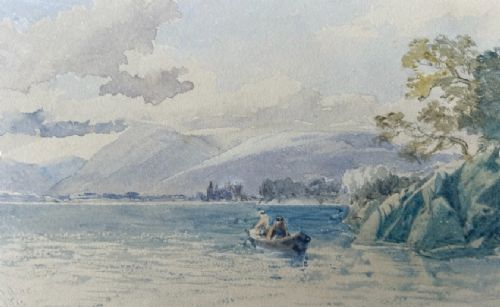
Artists typically applied oil paint onto prepared canvas or wooden panels, utilising rich pigments to build depth in landscape foliage and maritime waters. Watercolours on paper capture lighter, more translucent atmospheric effects in urban street scenes and loch views.
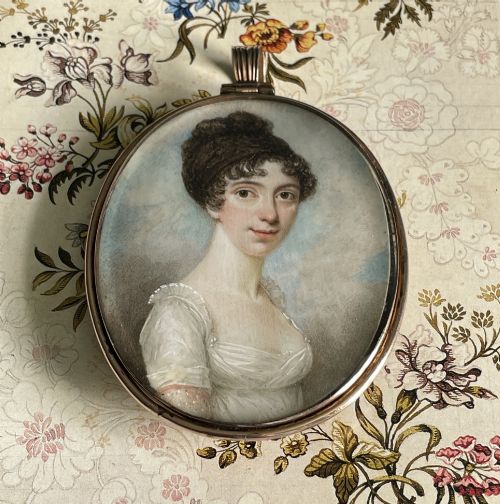
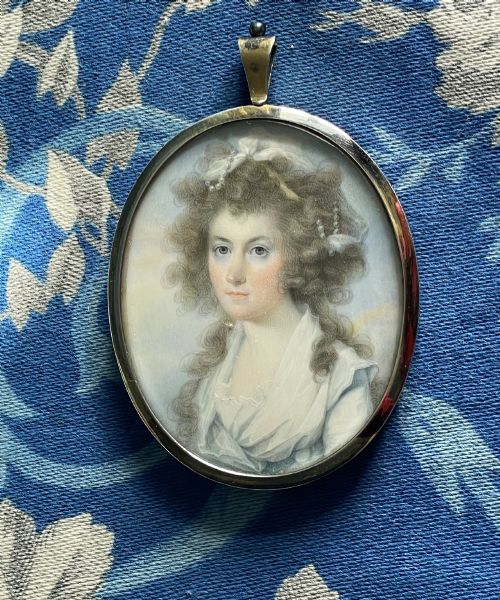
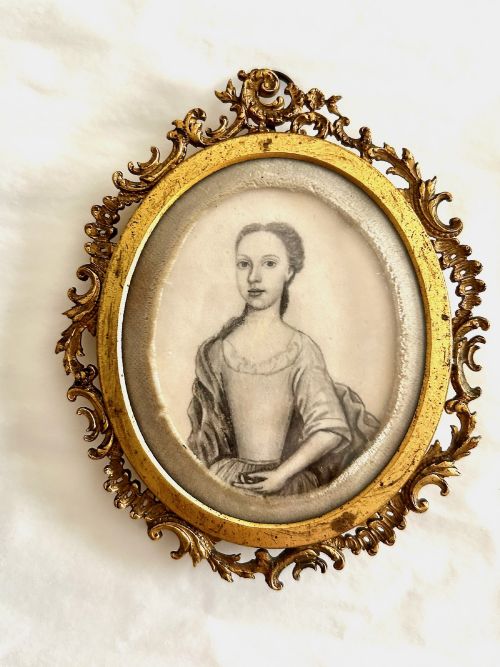
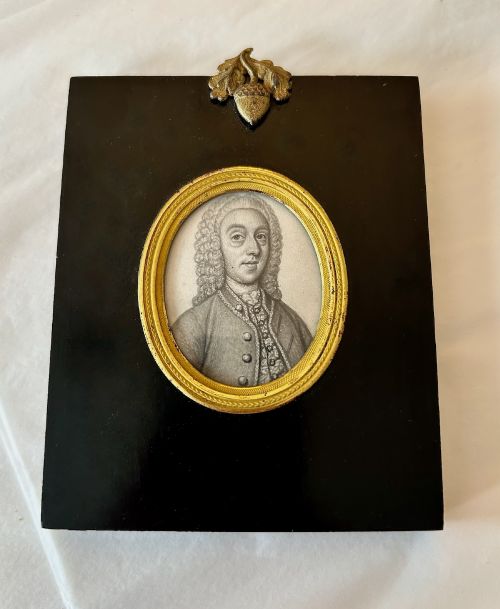
Many historical frames utilise carved and gilded wood, known as giltwood, complementing the visual weight of the central canvas. Portrait miniatures involve delicate pigment application on specialised surfaces, often housed within protective glass cases.
Scottish Art Painting Retail Price Guide 2026
Typical asking prices for scottish art painting among the pieces listed under this phrase on Sellingantiques today, from the lower quarter to the upper quarter. They describe what is for sale here now, not the wider market.
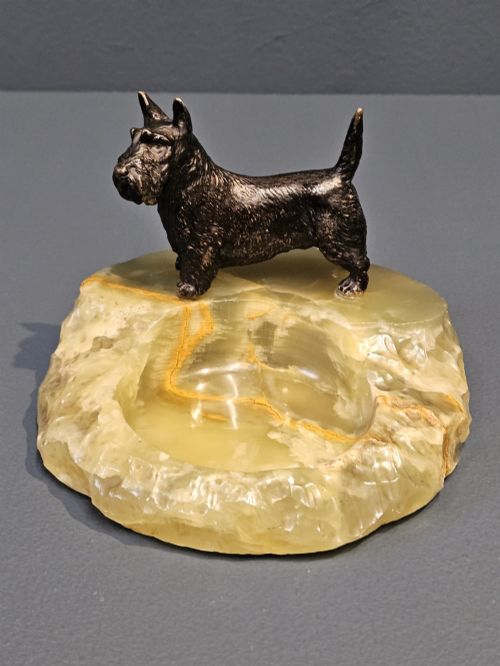
Canine companions make charming appearances, from cold-painted bronze desk tidies to hand-painted table lighters shaped like Scottie dogs.
Distinctions in Quality
Quality rests upon the sureness of the brushwork and the artist's ability to capture natural light and texture, particularly in landscape rendering. Works by recognised academy members or documented Scottish school artists demonstrate superior proportion and compositional balance compared to anonymous student pieces.
The preservation of the original paint layer without extensive overpainting distinguishes the finest examples. Surviving provenance and legible signatures by noted practitioners elevate the standing of a canvas within historical collections.
James Ferguson·Francis Lindo·David Scougall·George Whitton Johnstone·John Scougall
The Scottish Art Painting Glossary
- Oil on Canvas
- Pigment mixed with drying oil applied to a stretched woven fabric support. This combination allows for rich colour blending and textured impasto work.
- Portrait Miniature
- A small, highly detailed painting, often executed on ivory, vellum, or card during the eighteenth and nineteenth centuries. These intimate pieces were frequently worn or kept as personal tokens.
- Giltwood
- Wood carved and coated with a thin layer of gold leaf or powder. It provides a reflective, decorative border to traditional paintings.
- Watercolour
- Paint consisting of colorants suspended in a water-soluble vehicle, usually applied to paper. It creates transparent washes that emphasise light and fluidity.
- Wood Panel
- A rigid flat support made from timber, commonly utilised for oil paintings before canvas became universally dominant. Panels offer a stable surface that preserves fine detail.
Scottish Art Painting: Frequently Asked Questions
How do I date a Scottish oil painting?
Dating relies on stylistic markers, framing techniques, and recorded signatures or dates inscribed by the artist. Costume details in portraits and specific geographic landmarks in landscapes also help narrow the period of creation.
Examining the reverse of the canvas or panel often reveals old exhibition labels, stamps, or handwritten notes that provide a concrete timeline for the artwork's history.
Where were these paintings displayed originally?
These works primarily hung in country houses, civic buildings, and urban drawing rooms across Scotland and the wider British Isles. Portraits commemorated family lineages, while landscapes decorated formal reception rooms.
Smaller watercolours and miniatures were often kept in private studies or carried as personal keepsakes by travelling gentry and military officers.
How should I care for antique oil paintings?
Display paintings away from direct sunlight and fluctuating heat sources to prevent the canvas from cracking and the pigments from fading. Gentle dusting with a soft, dry brush keeps the surface clear without disturbing fragile paint layers.
Avoid using water or chemical cleaners on either the canvas or the historic frame, consulting a professional restorer for deep cleaning.
What is the difference between oil and watercolour?
Oil paint utilises a slow-drying binder that permits rich layering, thick impasto textures, and deep colour saturation on canvas or wood boards. Watercolour employs a water-soluble medium on paper, resulting in bright, translucent compositions.
Watercolours require protective glass framing to prevent moisture damage, whereas oil paintings on canvas remain exposed to open air.