

Scottish Gold
When you search for scottish antique gold, you encounter historic oil paintings and precious gold hardstone jewellery born from centuries of regional craftsmanship.
Scottish Gold
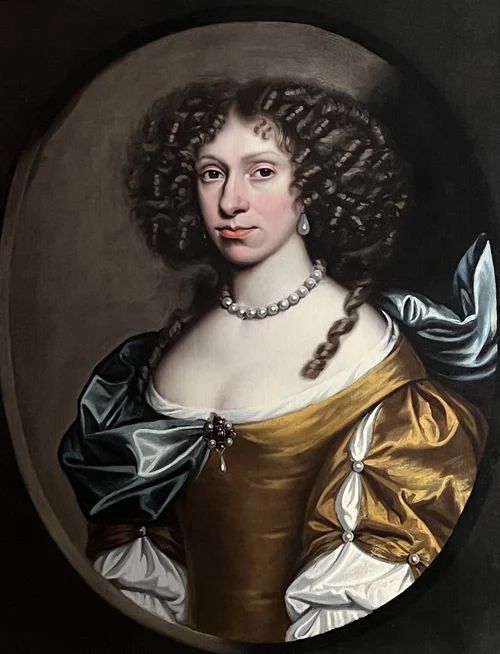
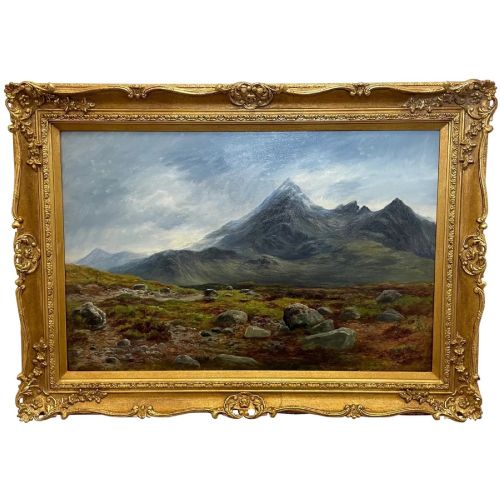
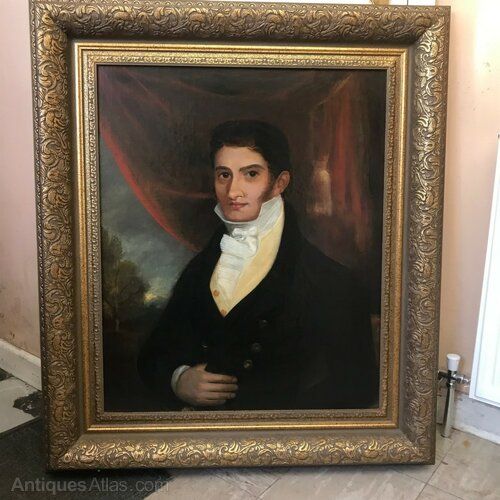
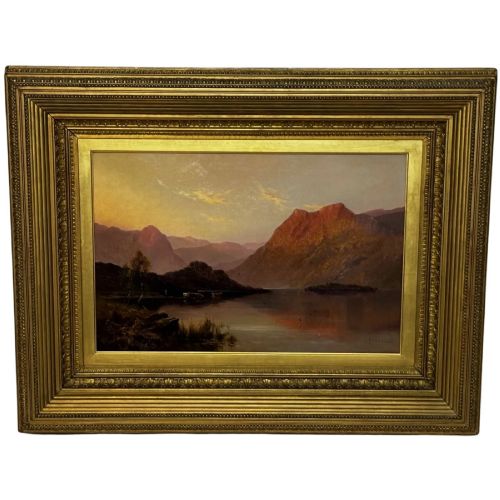
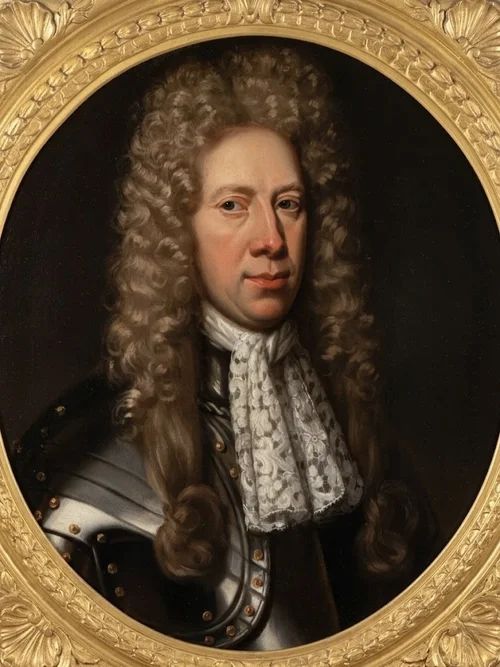
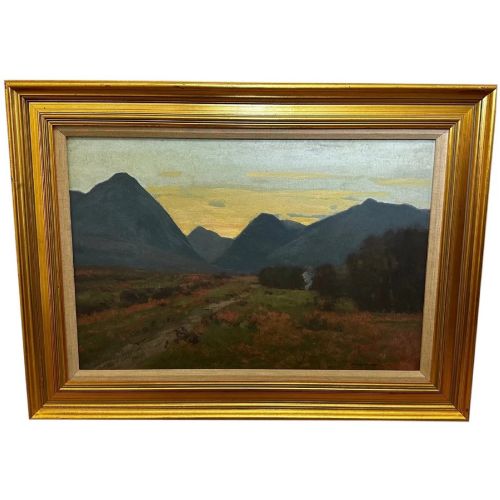
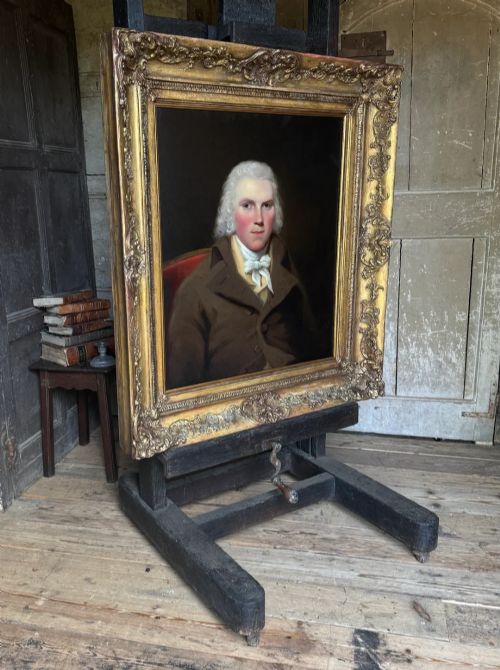
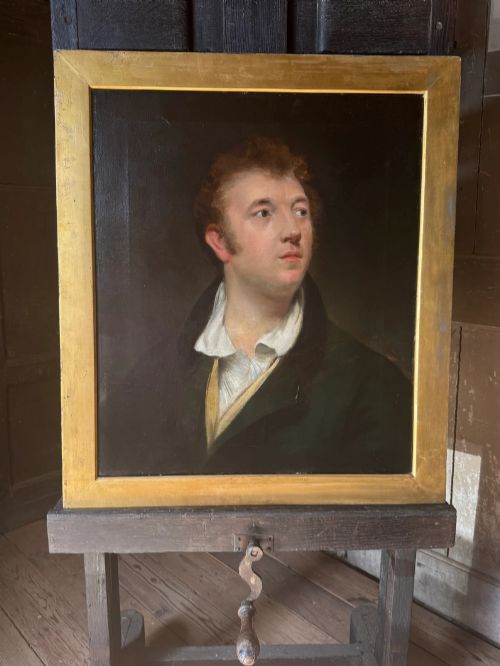
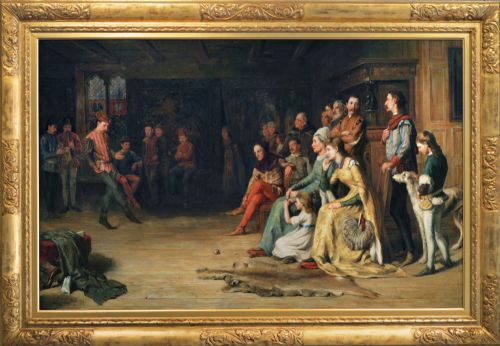
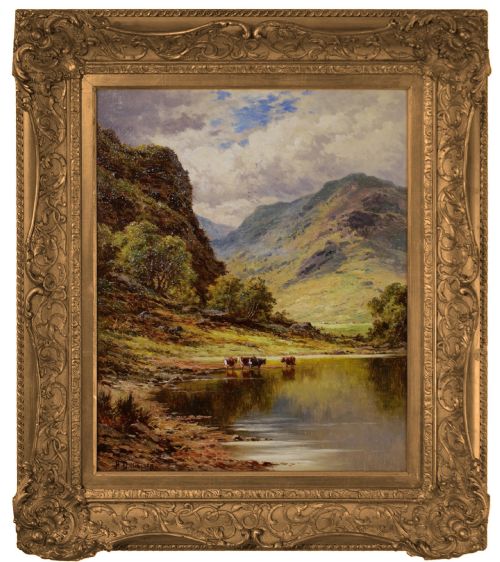
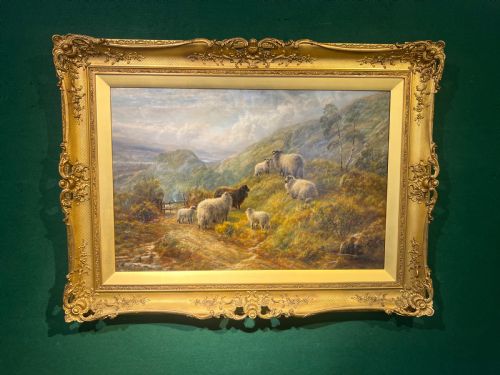
The jewellery items frequently manifest as heavy signet rings, brooches, and bracelets incorporating native Scottish stones like carnelian and agate. Meanwhile, the paintings capture historical sitters and sweeping scenery across canvases framed in period moulding.
How they were made
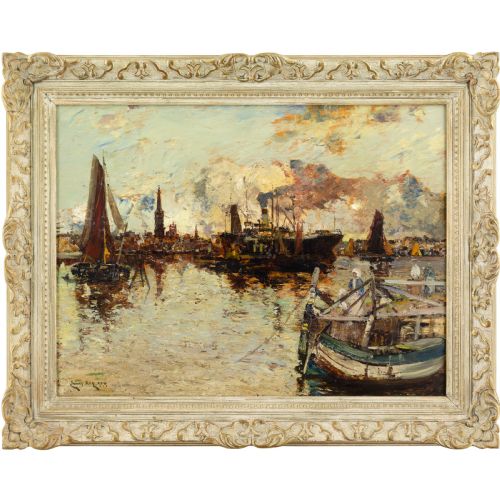
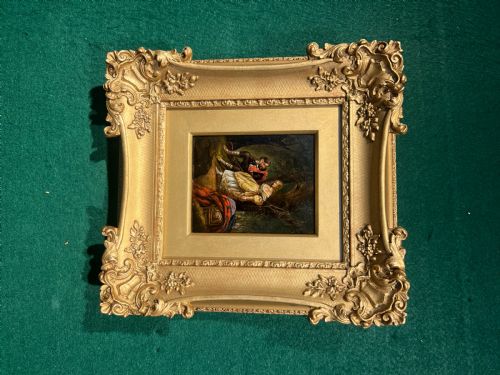
The oil paintings utilise oil paint applied to canvas, panel, or board, often held within carved giltwood and gesso frames finished in gold leaf. Artists built these compositions using layered pigments to achieve depth in portraiture and Highland scenes.
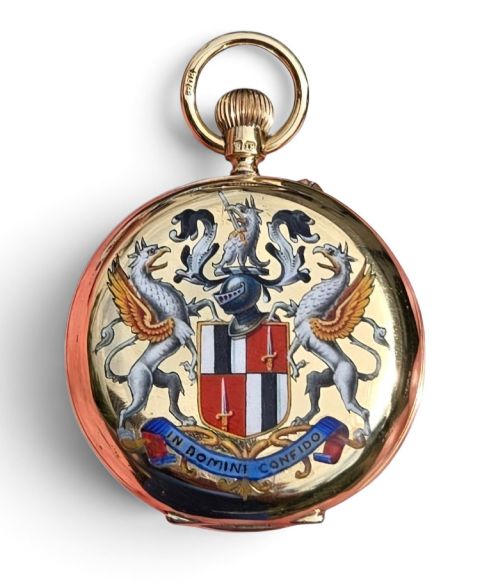
The gold items employ yellow gold in eighteen-carat and nine-carat purities, shaped into rings, snuff boxes, and intricate mounts for hardstone jewellery. Goldsmiths meticulously cut and polished local agates and citrines to fit flush within these precious metal settings.
Listings span periods from the seventeenth century through the twentieth century, uniting oil paintings on canvas with Victorian gold and agate jewellery.
What varies in quality
In paintings, quality rests on the precision of the brushwork, the depth of historical provenance, and the integrity of the original canvas and stretcher. Listed artists commanding strong historical records elevate a canvas far above anonymous school works.
In jewellery, distinction lies in the weight of the gold, the clarity and variety of the natural agates, and the refinement of the metalwork surrounding the stones. Substantial weight and documented period mounts separate exceptional pieces from simpler utilitarian items.
David Scougall·William Beattie Brown·R Stewart Glasgow·James Howe·Joseph Farquharson·William Watson Jnr·Robert Cleminson
The Scottish Gold Glossary
- Giltwood
- Wood carved and coated with gold leaf or a thin layer of gold. This material frequently frames oil paintings from the Georgian and Victorian eras.
- Agate
- A cryptocrystalline variety of quartz displaying multicolored bands. Scottish jewellers mounted these native stones into Victorian gold brooches and bracelets.
- Gesso
- A plaster-like mixture applied to wood surfaces as a base for gilding. It underpins the ornate gold frames holding many historical portraits.
- Fusee
- A conical pulley mechanism used in antique pocket watches to maintain even power as the mainspring unwinds. This intricate horological feature appears in fine Scottish timepieces.
- Citrine
- A yellow variety of quartz found in natural mineral deposits. It is often set alongside agate in traditional Scottish gold jewellery.
Scottish Gold: Frequently Asked Questions
How do I date a Scottish oil painting?
Dating a Scottish oil painting involves examining the costume of the sitter, the stretcher construction behind the canvas, and the style of the giltwood frame. Signatures, inscriptions on the reverse, and documented exhibition records also establish a clear chronology.
Furthermore, comparing brushwork techniques against known active dates of listed artists helps narrow the period of creation. Most works span from the seventeenth-century portraiture tradition through to twentieth-century impressionist landscapes.
How were hardstone brooches worn?
In the nineteenth century, hardstone brooches functioned as functional fasteners for tartan plaids, shawls, and heavy woollen garments as well as decorative accessories. Their robust gold mounts and substantial stone settings suited daily Highland attire.
Today, collectors wear them on modern lapels or preserve them within dedicated display collections. Their durable agate and gold construction ensures they survive in wearable condition.
What subjects appear in these paintings?
The paintings frequently portray prominent historical figures, physicians, and military captains through detailed oil portraits. Other canvases capture sweeping Highland landscapes populated by cattle, sheep, and figures engaged in daily rural life.
These works document the changing artistic styles from Baroque portraiture to Victorian landscape realism. Artists utilised oil on canvas to record the changing light across Scottish lochs and glens.