



Scientific Surveying Instrument
A scientific surveying instrument measures the physical world with brass and glass, offering precision born from Georgian and Victorian engineering.
Scientific Surveying Instrument
A scientific surveying instrument encompasses navigational tools, measuring devices, and field equipment designed for cartographers, explorers, and engineers. These mechanical apparatuses translate physical terrain and spatial dimensions into readable data.
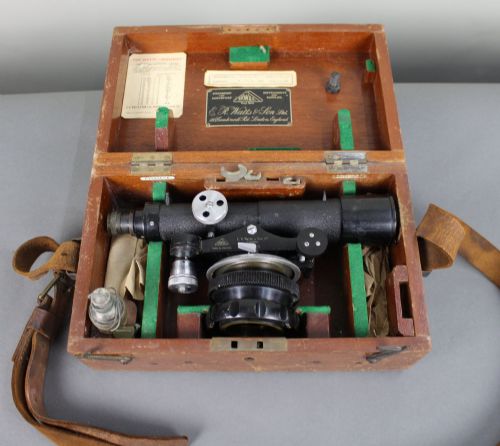
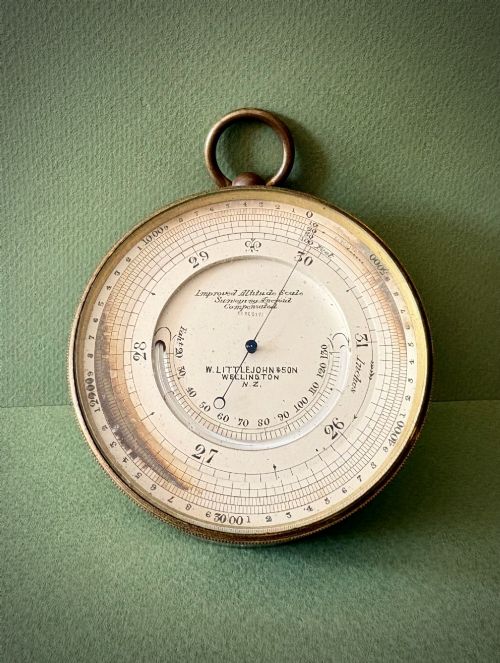
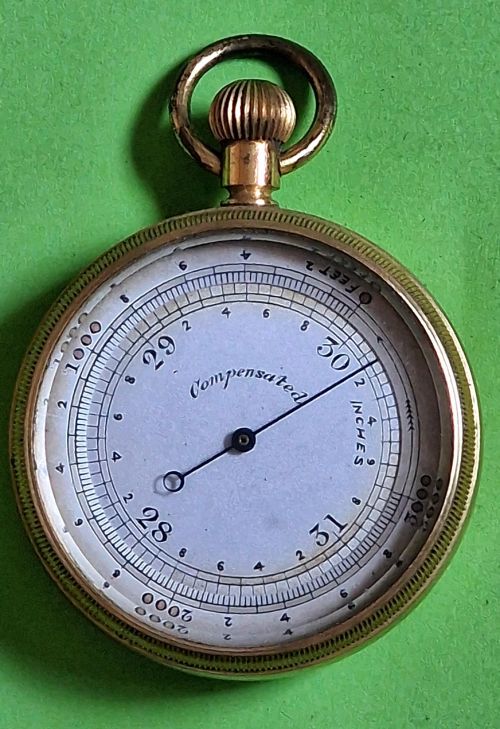
The pieces encountered span from the Georgian period through the Edwardian era, featuring field compasses, pocket barometers, and large brass theodolites. Mahogany fitted cases and specialised travelling sets appear frequently among these surviving examples.
Makers such as Negretti & Zambra, W&S Jones, and Elliott Bros represent the workshops that produced these instruments. Their output ranges from portable altimeters to complex vernier theodolites utilised in official mapping.
Materials and construction methods
Makers constructed these objects primarily from turned brass and silvered metal, housing delicate needles, spirit levels, and graduated dials. Glass protects the moving elements, while lacquered metal coatings protect exposed surfaces from outdoor field conditions.
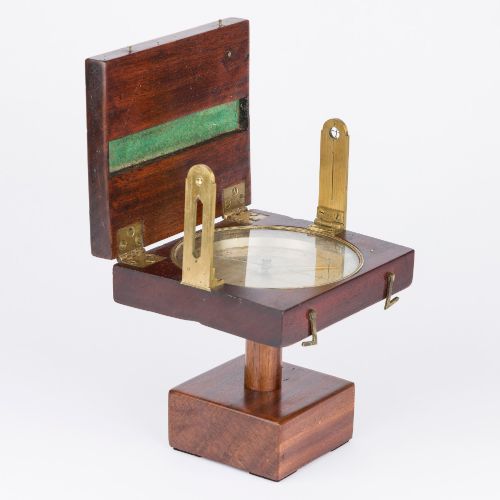
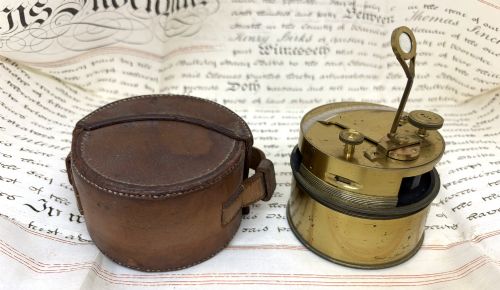
Enclosing cabinetry relies on dense hardwoods such as mahogany and boxwood, shaped into fitted transport cases with brass hinges and leather carrying straps. These fitted boxes preserve the precision components during transport across rough terrain.
Scientific Surveying Instrument Retail Price Guide 2026
Typical asking prices for scientific surveying instrument among the pieces listed under this phrase on Sellingantiques today, from the lower quarter to the upper quarter. They describe what is for sale here now, not the wider market.
The listings span from Georgian examples to early twentieth century pieces, executed in brass, mahogany, and silvered metal.
Distinctions in craftsmanship and survival
Quality rests upon the crispness of the engraved graduations on silvered metal dials and the smoothness of the mechanical movements. Finer instruments retain their original optics, leveling bubbles, and signed maker plates without replacement parts.
The survival of the original fitted mahogany or leather case significantly elevates an instrument, especially when it contains auxiliary sights, plumb bobs, or matching lenses. Completeness of the internal components separates working field tools from incomplete examples.
G. Davis of Leeds·P. Orr, Madras·Baker, London·W&S Jones·L Casella & Co·Cooke Troughton & Simms·Stanley, London·Negretti & Zambra·Elliott Bros, London·Alexander Adie·Thomas Dunn·W. H. Harling·James Murray·John Lilley & Son·Cox of Devonport·De Grave & Co·Barker & Son·J Hicks·R. Field & Son·WF Stanley
The Scientific Surveying Instrument Glossary
- Theodolite
- An optical instrument mounted on a tripod for measuring horizontal and vertical angles in surveying and civil engineering. It typically utilises precision brass circles and telescoping sights.
- Clinometer
- A portable tool used for measuring angles of slope, elevation, or depression of an object with respect to gravity. Surveyors and military observers relied on them to gauge terrain steepness.
- Barometer
- A scientific instrument used for measuring atmospheric pressure to forecast weather and calculate altitude. Pocket versions were housed in leather or brass travel cases for field use.
- Prismatic compass
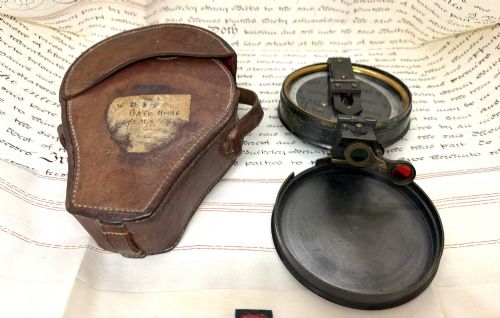
- A magnetic compass fitted with a prism that allows the user to view the sighting object and the magnetic bearing simultaneously. This mechanism ensures accurate directional readings in the field.
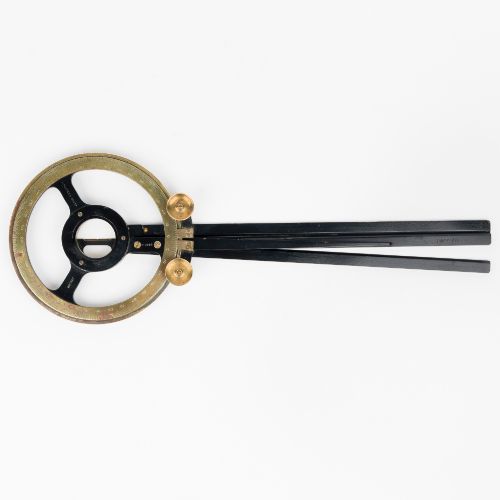
- Station pointer
- A three-armed maritime surveying instrument used in hydrographic surveying to plot a position on a chart. It measures angles between three known visible landmarks.
Scientific Surveying Instrument: Frequently Asked Questions
How do I date an antique brass theodolite?
Dating relies primarily on the engraved signature of the maker and stylistic shifts in the brass casting and vernier scales. Georgian models often feature simpler forms, while Victorian and Edwardian examples incorporate more complex leveling assemblies.
Matching the maker's trading address listed on the instrument against historical directories provides a narrower window of manufacture. Fitted mahogany cases can also display secondary retailer labels that help establish the timeline.
Were these instruments used outdoors?
These tools were built specifically for field operations, military mapping, maritime navigation, and civil engineering projects across rough landscapes. Surveyors carried them into remote terrain inside protective wooden boxes and leather cases.
Despite their robust construction from brass and heavy timber, the internal compass needles and glass vials required careful handling. Many survivors show minor traces of outdoor use while retaining their functional mechanical parts.
What is the difference between a compass and a theodolite?
A compass determines direction relative to magnetic north using a floating needle suspended within a brass housing. It serves primarily for basic route finding and general orientation.
By contrast, a theodolite is a complex optical measuring device that calculates both horizontal and vertical angles across a landscape. It incorporates telescopes, graduated metal circles, and leveling screws for precise cartographic work.
How should I clean a brass surveying instrument?
Maintenance should focus on gentle dusting with a soft, dry brush to protect delicate silvered metal dials and engraved markings. Aggressive metal polishes strip the historic patina and erase the aged character of the brass.
Applying a light coat of microcrystalline wax can protect exposed metal surfaces from further oxidation without altering the appearance. Glass lenses and mirrors require only careful cleaning with a lint-free cloth.