
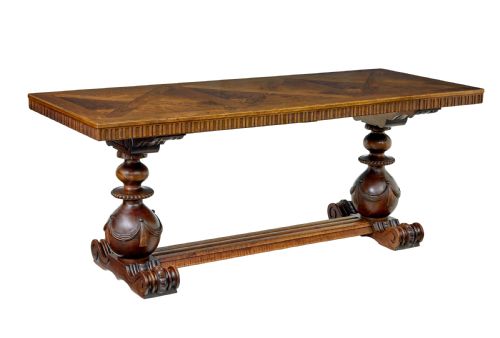


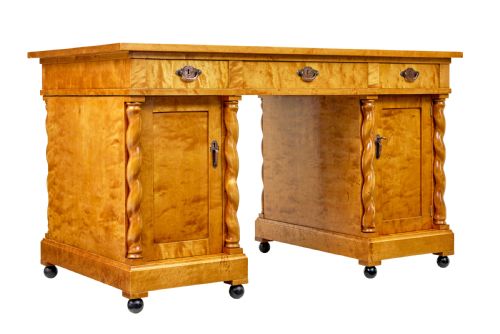


Scandinavian Writing Desk
A scandinavian writing desk brings together clean lines and functional storage, offering a workspace rooted in northern craft traditions.
Scandinavian Writing Desk
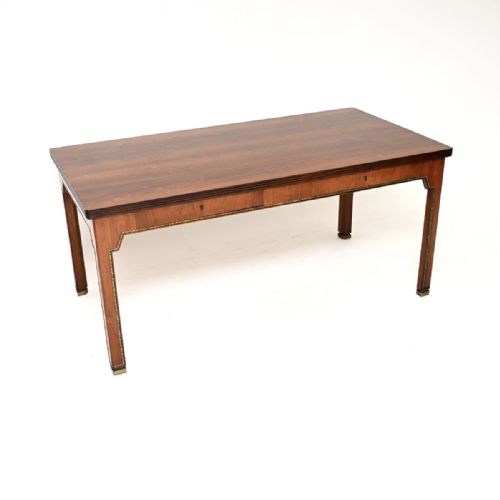
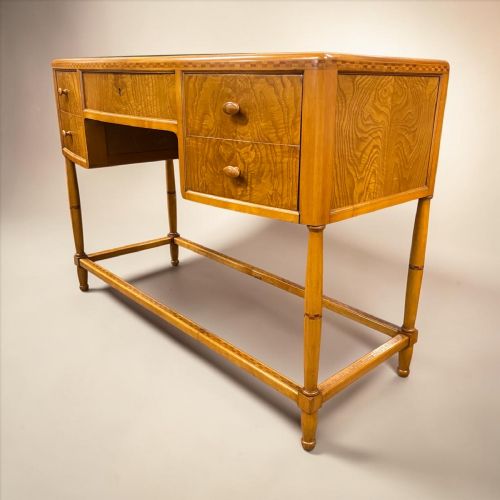
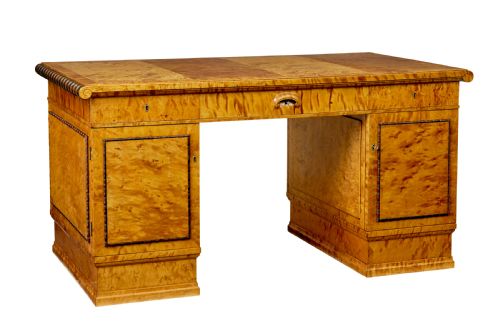
A scandinavian writing desk encompasses a variety of practical writing forms, ranging from modest pine table tops to grand bureau bookcases and pedestal desks. These pieces originate predominantly from Sweden, Denmark, and Norway, spanning centuries from the eighteenth through to the early twentieth century.
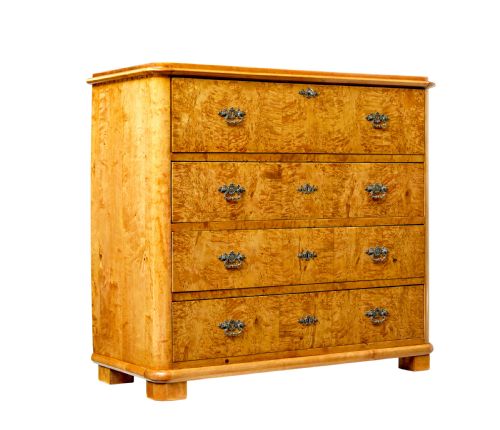
Buyers will most frequently encounter nineteenth-century painted pine escritoires and burr birch secretaire chest of drawers on this page. Alongside these, examples styled in Biedermeier, Art Deco, and Danish Modern appear, reflecting shifting tastes across northern Europe.
The selection also includes simpler rustic painted tables and refined Empire revival desks. Each item serves a domestic workspace function, whether fitted with internal drawers or offered as a clean surface for correspondence.
Materials and Construction
Makers utilised native northern timbers such as pine, birch, burr birch, and flame birch, often applying paint finishes over the wood. Walnut, oak, elm, and exotic rosewood appear in select pieces, matched with leather writing surfaces and cast brass hardware.
Construction techniques combine traditional cabinetmaking with decorative surface treatments, including scraped paint layers and highly figured wood veneers. Carved details and turned elements finish the structural framework of tables, desks, and bureau cabinets.
Listings feature pine, burr birch, and rosewood, spanning periods from the eighteenth century to Art Deco and Danish Modern.
Craft and Proportion
Quality rests in the selection of timbers, such as richly figured burr birch veneers versus plain deal, and the crispness of carved wooden details. The integrity of original painted finishes or scraped surfaces heavily influences the character of pine pieces.
Proportion and the execution of structural joints distinguish the work of skilled cabinetmakers from more rustic regional carpentry. Thoughtful internal arrangement of drawers within a secretaire or bureau bookcase indicates a higher grade of manufacture.
The Scandinavian Writing Desk Glossary
- Secretaire
- A desk featuring a fold-down or sliding panel that conceals a writing surface and small compartments. This form is common in nineteenth-century burr birch and painted pieces.
- Bureau bookcase
- A dual-purpose piece combining a lower writing desk with an upper shelving or cabinet section enclosed by doors. Examples survive in painted pine and carved oak from earlier centuries.
- Biedermeier
- A central European and Scandinavian style spanning the nineteenth century, characterised by utilitarian comfort, clean lines, and minimal ornamentation that highlights figured veneers.
- Escritoire
- A traditional writing cabinet or desk designed for correspondence and paper storage. These often stand on slender legs with fitted interiors.
- Masur birch
- A decorative wood grain showing distinctive dark swirls and flecks, frequently utilised by Scandinavian cabinetmakers on polished desk surfaces.
Scandinavian Writing Desk: Frequently Asked Questions
How do I identify a Biedermeier desk?
Look for restrained classical proportions, smooth polished timber surfaces without excessive carving, and prominent use of figured veneers like burr birch. The emphasis rests on clean architectural lines and practical function rather than applied ornamentation.
Hardware is typically minimal, allowing the natural grain of the wood to define the appearance of the piece. Interior compartments remain neatly arranged behind the primary writing flap.
Where were these desks made?
These pieces originate from northern European countries, with the majority hailing from Sweden alongside examples from Denmark and Norway. Workshops ranged from provincial makers utilising local pine to city cabinetmakers working in fine hardwoods.
Regional styles often reveal themselves through construction methods and the choice of native timbers such as birch and pine.
What is a secretaire chest of drawers?
It is a tall storage chest where one of the upper drawer fronts pulls down or drops forward to reveal a fitted writing surface and small pigeonholes. This clever design combines the clothes or linen storage of a chest with the utility of a desk.
When closed, the desk function remains entirely hidden behind a unified facade, preserving clean lines in a room.
How should I care for a painted pine desk?
Maintain painted softwood surfaces by dusting gently with a dry cloth and avoiding modern chemical cleaning sprays that might lift historic paint layers. Keep the piece away from direct heat sources and strong sunlight to prevent the timber from warping and the paint from fading.
Leather writing inserts benefit from occasional light conditioning to keep the material supple without introducing excess moisture to the surrounding wood.