


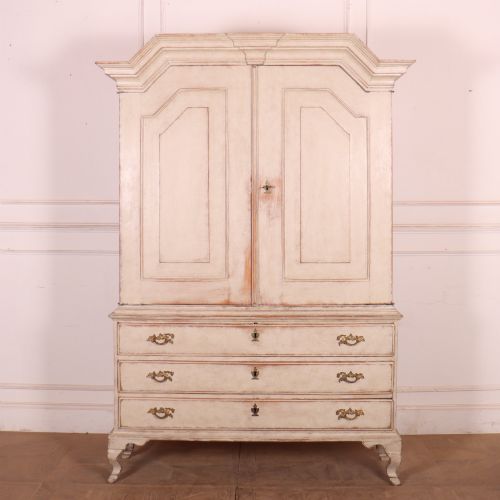


Scandinavian Pine Storage Cupboard
A scandinavian pine storage cupboard brings robust country utility and pale painted charm to domestic rooms.
Scandinavian Pine Storage Cupboard
A scandinavian pine storage cupboard serves as a practical vessel for household belongings, originating primarily from 18th century and 19th century workshops. These pieces span regional expressions such as Swedish country, Gustavian, and Scandinavian folk art traditions.
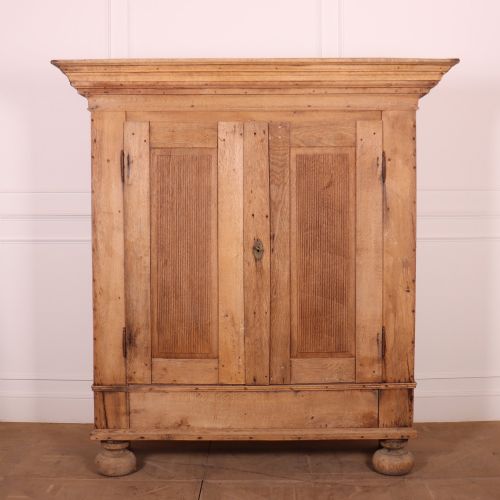
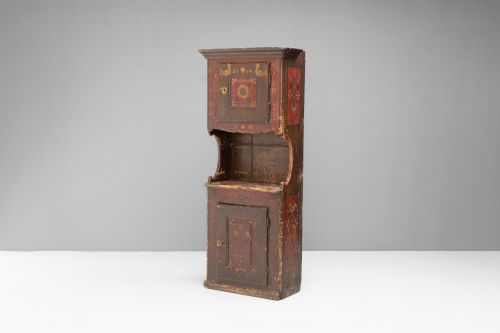
The most common form encountered on this page is the painted linen cupboard or double door cabinet, often standing on a plinth or short legs. Buyers also find narrower kitchen cabinets, wall cupboards, and occasional sideboards constructed from native softwood.
The aesthetic leans towards functional domestic storage, ranging from rustic Baltic examples to refined green hall wardrobes and decorative single door cupboards. Their utility remains straightforward, designed to house textiles, kitchen provisions, or daily wear.
Materials and construction methods
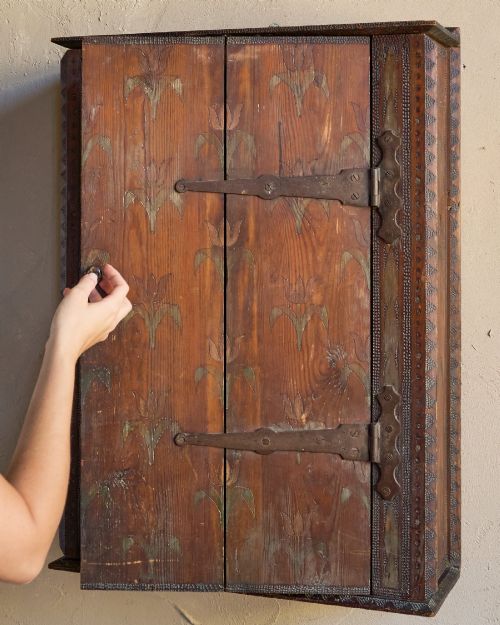
Carpenters built these items using solid pine timbers, joined with traditional framing and panel techniques suited to softwood construction. Iron and brass hardware, including strap hinges and key escutcheons, secure the doors and drawers.
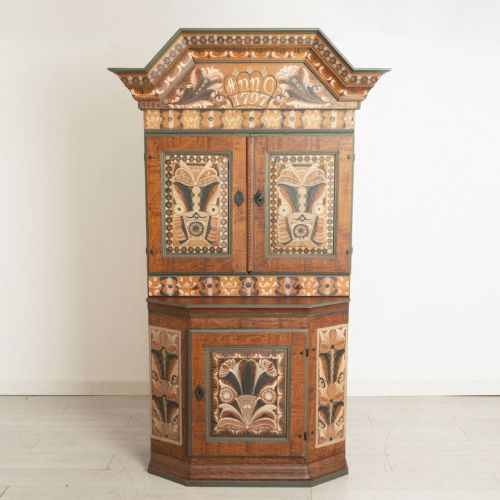
Surfaces frequently receive layers of paint, mineral paint, or traditional ragwork finishes applied over the pine base. Many examples preserve original scraped paint or historical hand-painted folk motifs that reflect regional decorative customs.
Scandinavian Pine Storage Cupboard Retail Price Guide 2026
Typical asking prices for scandinavian pine storage cupboard among the pieces listed under this phrase on Sellingantiques today, from the lower quarter to the upper quarter. They describe what is for sale here now, not the wider market.
The inventory records distinct regional styles including Gustavian, Scandinavian folk art, and Swedish country across various cabinet and cupboard forms.
Distinguishing quality across examples
The distinction between ordinary and exceptional pieces rests in the survival of original decorative surfaces and the crispness of early paint treatments. Pieces bearing untouched ragwork or authentic hand-painted folk art command greater interest than later repainted items.
Proportion and scale also dictate quality, particularly in how regional details such as Gustavian moulding or tailored cornices integrate with the pine structure. Well-proportioned linen cupboards with balanced door panels demonstrate superior joinery by historical provincial makers.
The Scandinavian Pine Storage Cupboard Glossary
- Ragwork
- A decorative paint technique where rags or cloths create textured, mottled patterns on the surface of the pine. This method was widely used in traditional Scandinavian interior decoration.
- Gustavian
- The Swedish neoclassical style spanning the late 18th and early 19th centuries, characterised by restrained symmetry and lighter proportions. It draws inspiration from French royal design adapted to northern tastes.
- Linen cupboard
- A tall storage cabinet specifically intended for holding household textiles and bedding. These pieces often feature internal shelving and deep proportions.
- Mineral paint
- A matte, durable coating derived from natural minerals and pigments, frequently utilised in modern restorations or traditional finishes on antique pine furniture.
- Baltic pine
- Softwood timber sourced from the regions surrounding the Baltic Sea, commonly exported and utilised across Scandinavian cabinet making during the 19th century.
Scandinavian Pine Storage Cupboard: Frequently Asked Questions
How do I use a scandinavian pine storage cupboard today?
These cupboards provide generous interior volume suitable for linens, crockery, or clothing in modern bedrooms and living areas. Their neutral tones and painted facades allow them to anchor contemporary interiors while offering concealed storage.
Smaller wall cupboards or narrow cabinets fit easily into tighter hallways or kitchens where floor space is limited. Their internal shelves accommodate everyday items while maintaining an ordered appearance.
What is the difference between Gustavian and folk art cupboards?
Gustavian pieces follow neoclassical lines with symmetrical panels, fluting, and pale, restrained colour palettes. They reflect an aspiration towards royal French aesthetics filtered through Swedish craftsmanship.
Folk art cupboards embrace a more vibrant, handcrafted local expression featuring hand-painted motifs and textured ragwork finishes. These items rely on regional traditions rather than formal classical rules.
Are these cupboards made of solid pine?
Yes, historical regional workshops relied almost exclusively on native pine timbers for the carcase, shelving, and panel construction. The wood was selected for accessibility and stability before being painted.
Iron or brass fittings were added to secure doors and hinges, while the primary structure remained entirely softwood. This consistent use of pine gives the pieces their characteristic lightweight yet sturdy nature.
How can I tell the age of a painted pine cupboard?
Age is indicated by the construction techniques, the composition of the timber, and the layering of the paint surface. Hand-cut nails, pegged joints, and historical tool marks point towards 18th century or 19th century manufacture.
Examining the paint layers reveals whether the finish is original, scraped back, or a later application. Natural wear patterns around handles and hinges further confirm the active history of the piece.