

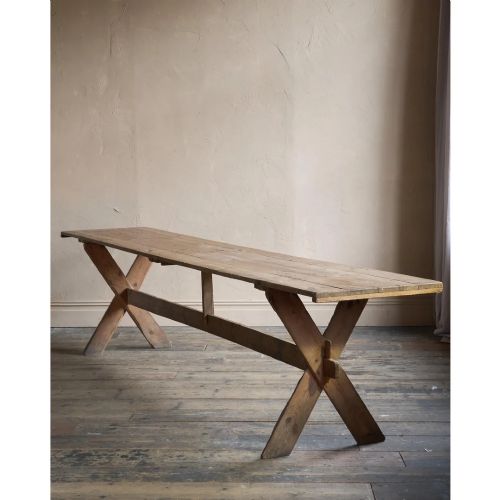


Scandinavian Pine Dining Table
A scandinavian pine dining table brings pale timber and rustic painted surfaces into a room, offering practical dining space with historic Nordic character.
Scandinavian Pine Dining Table
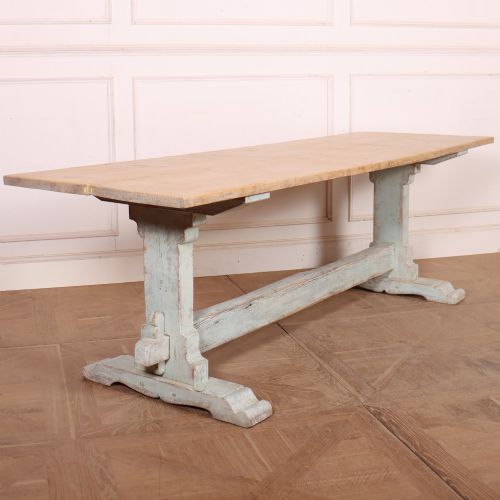
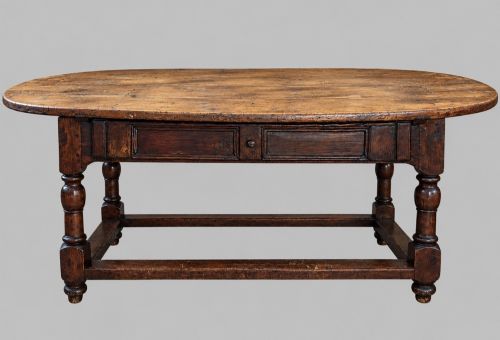
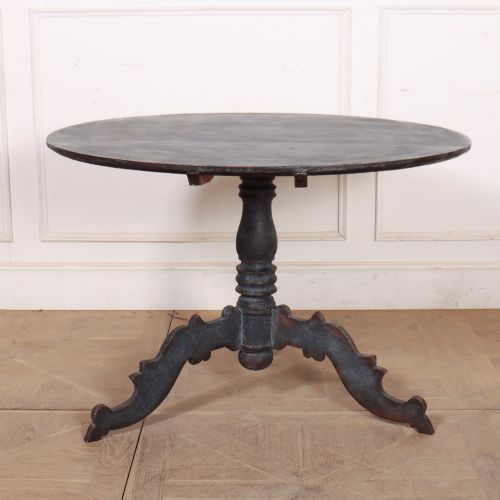
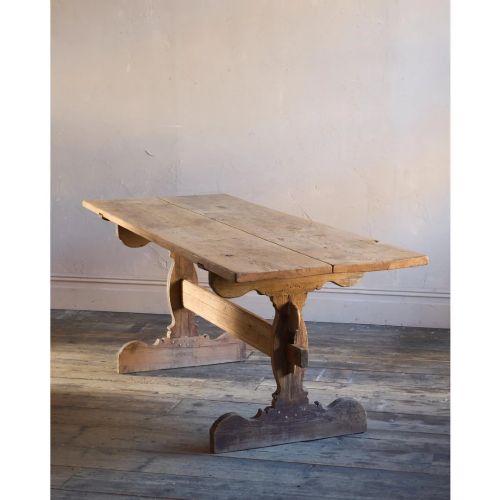
A scandinavian pine dining table typically takes the form of a kitchen table, trestle table, or drop-leaf dropleaf dining table originating from Sweden. These pieces span from the 18th century through to 1940, reflecting centuries of domestic utility in Scandinavian country interiors.
The most common examples on this page are 19th century painted pine kitchen tables and supper tables. They often feature simple silhouettes, sometimes paired with oak components, drop-leaf gateleg mechanisms, or X-frame supports.
Makers utilised softwoods and local timber, finishing surfaces with traditional treatments like Falu paint. The resulting tables serve as robust centres for daily meals while carrying the distinct aesthetic of Swedish country and Gustavian design traditions.
What varies in quality
Quality rests in the proportion of the timber, the integrity of the structural joints, and the historic character of the surface finishes. Tables with well-balanced trestle or X-frame supports demonstrate thoughtful carpentry designed for long-term domestic service.
The depth and ageing of original painted finishes, such as Falu paint or historic layered pigments, distinguish simpler utilitarian pieces from those with richer patination. The use of secondary hardwoods like oak in framing also indicates a higher grade of construction.
Scandinavian Pine Dining Table Retail Price Guide 2026
Typical asking prices for scandinavian pine dining table among the pieces listed under this phrase on Sellingantiques today, from the lower quarter to the upper quarter. They describe what is for sale here now, not the wider market.
Some tables survived centuries of family suppers simply because their sturdy X-frames refused to wobble.
The Scandinavian Pine Dining Table Glossary
- Pine
- A softwood timber commonly used across Scandinavian furniture for its accessibility and resilience. It takes paint and oil finishes readily, forming the primary material for these historic tables.
- Falu paint
- A traditional red or dark earth paint originating from the copper mines of Falun in Sweden. It preserves softwood effectively and creates a distinct matte finish.
- Trestle table
- A table design featuring a long top supported by two or more vertical legs or frames connected by a horizontal stretcher. This construction allows maximum legroom for diners.
- Slagbord
- A traditional Scandinavian drop-leaf table utilising swing-out legs to support folding flaps. It offers flexible sizing for different dining arrangements.
- Gustavian
- The Swedish neoclassical style spanning the late 18th and early 19th centuries. It combines French influence with simpler Nordic restraint, often featuring pale painted surfaces.
Scandinavian Pine Dining Table: Frequently Asked Questions
How do I clean a painted pine table?
Wipe the surface gently with a slightly damp cloth using mild soap if necessary. Avoid harsh chemical cleaners that can strip historic paint finishes.
Dry the timber thoroughly afterwards to prevent moisture damage to the softwood underneath.
Are these tables suitable for daily use?
These tables were originally built for heavy kitchen work and daily family meals. Their robust pine and softwood construction handles regular dining comfortably.
Use coasters and placemats to protect historic painted or weathered surfaces from excessive heat and moisture rings.
What is Falu paint?
Falu paint is a traditional Swedish paint made from copper mining residue, linseed oil, and flour. It was widely used to protect timber from harsh Nordic weather.
On interior tables, it creates a distinct, matte coloured surface that ages with character over the decades.
How do drop-leaf tables work?
Drop-leaf tables feature hinged side flaps that fold down when not in use to save floor space. Swing-out wooden legs or gatelegs rotate outward to support the raised flaps during meals.
This mechanism allows the table to expand or contract depending on the number of guests.