


Scandinavian Painted Pine Box
A scandinavian painted pine box brings rustic folk art charm and practical storage into a room through vibrant pigment paint and sturdy construction.
Scandinavian Painted Pine Box
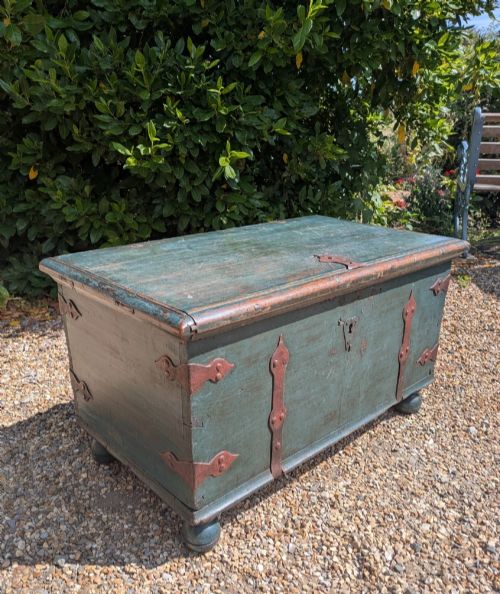
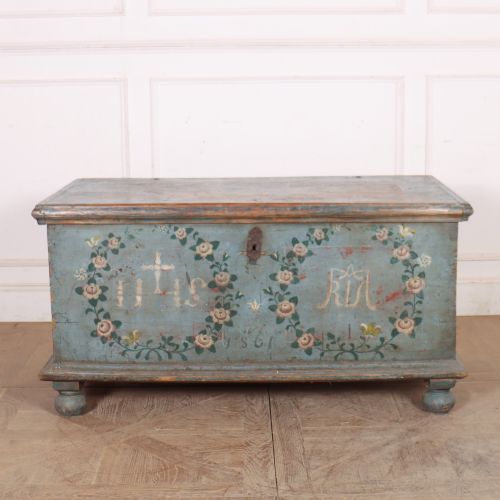
A scandinavian painted pine box encompasses a range of storage forms, from small tabletop boxes and strong boxes to large marriage chests, coffers and blanket boxes. These pieces originate primarily from the nineteenth and eighteenth centuries, reflecting regional Scandinavian country and folk art traditions.
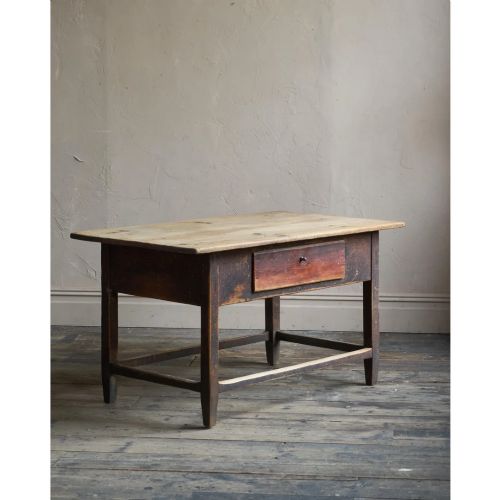
The version most commonly encountered on this page is the nineteenth century Swedish pine chest or strong box, often finished with hand painted decoration. Alongside traditional boxes, the selection includes related forms such as log bins, benches with storage, and tables equipped with box stretchers.
The aesthetic bridges utilitarian rural storage and decorative folk art, spanning styles from rustic farmhouse to Gustavian. Makers utilised softwoods to build functional containers that served vital domestic purposes before receiving colourful decorative surfaces.
Materials and Construction
Makers constructed these objects using native pine timber, shaping the boards to form strong joints suitable for heavy domestic use. Secondary materials such as birch root occasionally appear alongside the primary softwood structure.
Iron and brass provide structural reinforcement and closure mechanisms, with hand forged iron strapwork and hinges securing the pine panels. Surfaces are finished with pigment paint or graining techniques, creating the characteristic decorative exterior over the wooden base.
Object forms range from small cutlery boxes and oval strong boxes to large dome top marriage chests and storage benches.
Judging Quality
Quality rests in the survival of original painted surfaces and the crispness of the folk art decoration. Pieces retaining their untouched early pigment paint demonstrate higher desirability than those with later repainting.
Construction details distinguish standard utility pieces from finer examples, particularly the presence of hand forged iron strapwork, dovetail joints, and shaped or dome top forms. The balance between utilitarian strength and artistic expression dictates the distinction across the range.
The Scandinavian Painted Pine Box Glossary
- Strong box
- A heavy storage chest fitted with secure iron hardware designed for valuables and documents. These boxes often feature shaped profiles and robust locks.
- Coffer
- A large wooden chest traditionally used for storing garments and household goods. They frequently display dome top lids and painted folk art motifs.
- Marriage chest
- A commemorative storage piece given to newlyweds, often decorated with dates, initials, and symbolic motifs. They represent the upper tier of traditional folk art woodworking.
- Strapwork
- Ornamental bands of iron fixed across the exterior of a chest to reinforce the wooden panels. Hand forged examples contribute significantly to the decorative and structural character of the piece.
- Graining
- A decorative painting technique used to imitate the appearance of more expensive hardwoods over a pine base. This finish appeared frequently on nineteenth century country furniture.
Scandinavian Painted Pine Box: Frequently Asked Questions
What were these boxes used for?
These boxes served essential domestic storage roles in rural Scandinavian households, holding textiles, blankets, clothing, and valuables.
Larger coffers and marriage chests stored household linens, while smaller strong boxes kept important documents and currency safe.
How do I date a painted pine box?
Dating relies on examining the construction methods, iron hardware, and pigment characteristics visible on the piece.
Nineteenth century examples typically show hand forged ironwork and specific folk art paint palettes, while eighteenth century items often display darker pigments and simpler, heavier proportions.
Are the painted finishes original?
Many pieces retain their original surface paint, though nineteenth century country furniture was frequently repainted during subsequent eras of use.
Examining the wear patterns, pigment adherence, and underlying wood helps determine whether the decorative surface dates to the period of manufacture.
How do I incorporate one into modern interiors?
A painted pine box functions well as a coffee table, blanket storage at the foot of a bed, or a standalone decorative accent.
The vibrant folk art colours provide a striking contrast in contemporary spaces while offering practical hidden storage.