


Scandinavian Painted Coffer
These scandinavian painted coffer pieces are sturdy storage chests carrying heritage pigment finishes, offering practical utility alongside distinct folk character.
Scandinavian Painted Coffer
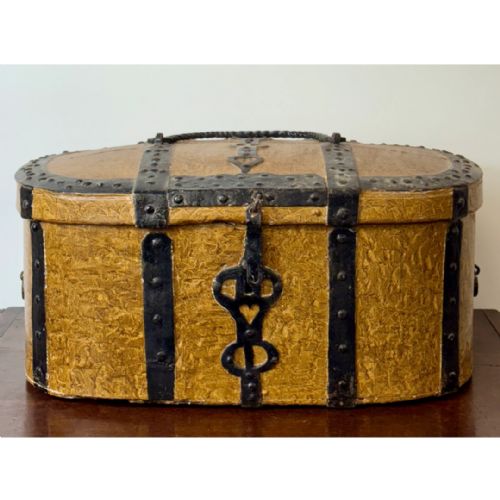
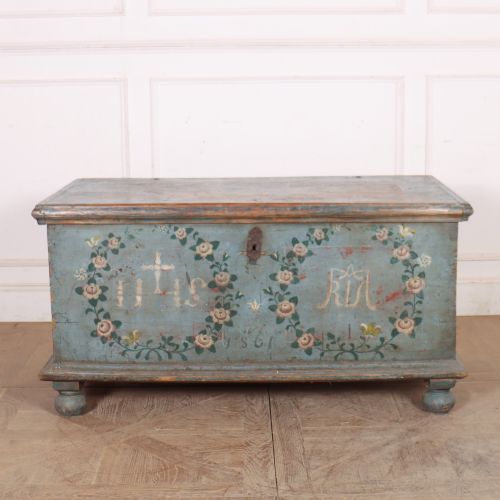
A scandinavian painted coffer serves as a traditional storage vessel, encompassing marriage chests, dome top boxes, and strong boxes originating mainly from the nineteenth and eighteenth centuries. These items appear in formats ranging from large blanket boxes to small oval storage bins and shaped boxes on stands.
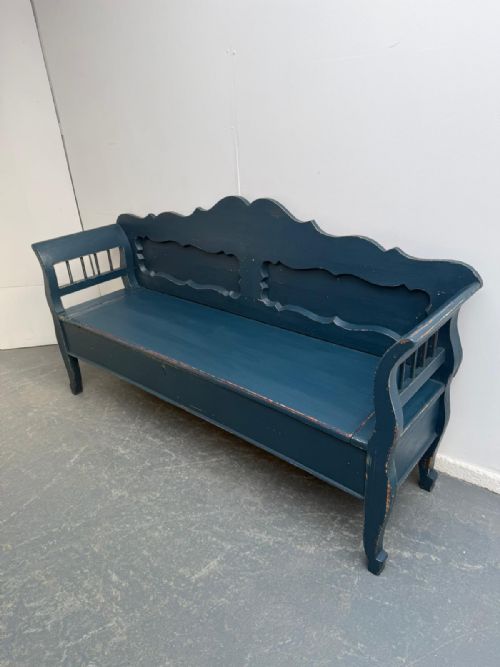
The objects fit within broader styles such as scandinavian folk art, rustic farmhouse, and european folk art, with specific pieces linked to Swedish origins and Hungarian benches. Buyers encounter these forms utilised historically for domestic storage, textiles, and valuables.
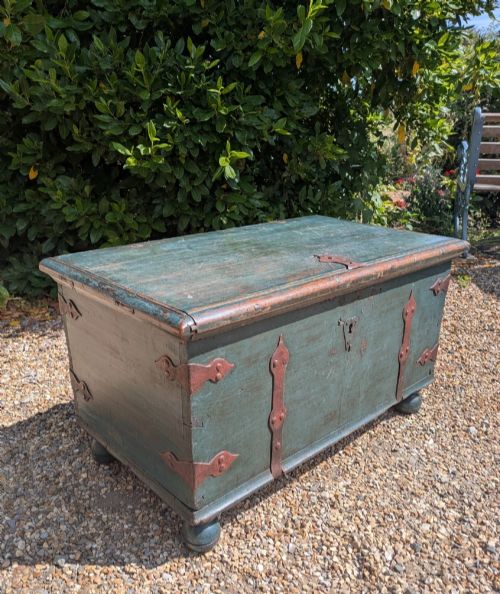
The selection on this page demonstrates significant variation in proportion, spanning from compact log bins to substantial nineteenth-century storage chests. Each piece reflects regional vernacular traditions through distinct construction and painted surface treatments.
Evaluating Quality and Character
Quality rests in the survival of original pigment paint surfaces and the complexity of hand-painted folk art details rather than generic uniformity. Pieces featuring intact hand forged iron strapwork and untouched structural timber demonstrate superior craftsmanship.
The sophistication of the painted decoration, such as specific regional motifs or labyrinth designs on eighteenth-century examples, elevates certain items above standard utilitarian storage boxes.
Scandinavian Painted Coffer Retail Price Guide 2026
Typical asking prices for scandinavian painted coffer among the pieces listed under this phrase on Sellingantiques today, from the lower quarter to the upper quarter. They describe what is for sale here now, not the wider market.
Listings feature pine and oak materials combined with iron hardware across eighteenth-century and nineteenth-century periods.
The Scandinavian Painted Coffer Glossary
- Coffer
- A heavy wooden chest used historically for storing valuables, textiles, or documents. These storage pieces often feature reinforced lids and sturdy iron hardware.
- Marriage Chest
- A specialised storage box commissioned or given for a wedding, frequently decorated with specific dates, initials, or symbolic folk art motifs. These pieces hold particular cultural significance within Scandinavian domestic history.
- Dome Top
- A curved lid construction on a chest or box designed to shed water and provide extra internal headroom. This form required precise carpentry to shape the wooden staves or panels.
- Strong Box
- A smaller, highly secure chest fitted with robust iron straps and locks to protect currency and precious items. These compact containers represent high-status security within a household.
- Strapwork
- Ornamental bands of iron or metal applied across the exterior of a box or chest to reinforce joints and hinges. This metalwork combines structural utility with visual contrast against the painted timber.
Scandinavian Painted Coffer: Frequently Asked Questions
What were coffers used for?
These chests served primarily for storing household textiles, blankets, clothing, and valuable personal possessions in traditional homes. Their robust construction protected contents from pests, dust, and damp environments.
Larger versions often functioned as furniture surfaces within the main living quarters, whilst smaller strong boxes secured documents and money.
How do I date a painted chest?
Dating relies on examining the construction methods, timber preparation, and the composition of the paint and pigment layers. Eighteenth-century examples often show distinct joinery techniques and early pigment use compared to later nineteenth-century items.
Hardware styles, such as hand forged iron strapwork, also provide key indicators of the period in which the piece was constructed.
Are these chests original folk art?
The pieces reflect genuine regional traditions from Scandinavia, featuring hand-painted motifs and folk art styling applied by local makers. Surviving examples display authentic nineteenth-century and eighteenth-century characteristics.
Surface treatments include traditional green paint, blue pigment, and grained finishes applied over pine and oak.
How do I care for antique pine?
Maintain these wooden surfaces by keeping them away from direct heat sources and sudden humidity changes to protect the timber and paint layers. Gentle dusting with a dry cloth preserves the fragile pigment without introducing moisture.
Avoid chemical polishes that can alter or degrade historic painted finishes and iron strapwork.