



Scandinavian Brooch Pin
A scandinavian brooch pin brings together mid-century modernist design and vibrant enamel work, offering collectors a striking piece of wearable art.
Scandinavian Brooch Pin
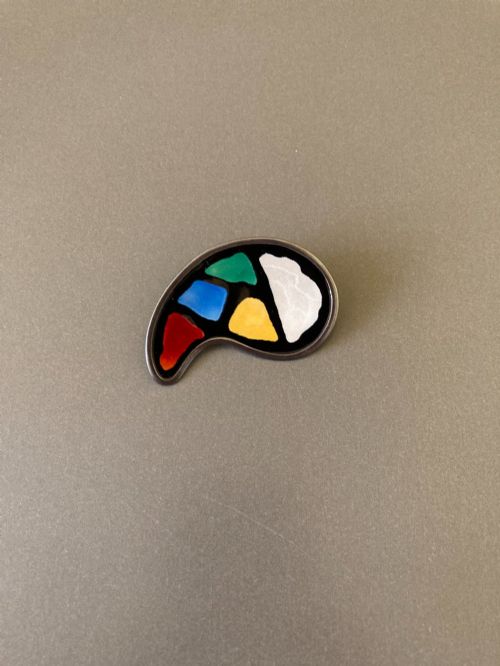
A scandinavian brooch pin is a piece of jewellery originating primarily from Norway and Denmark during the mid-century modern period, alongside earlier Art Deco and Victorian examples. These pieces typically take the form of detailed brooches, cap clips, and pins that reflect distinctive regional design traditions.
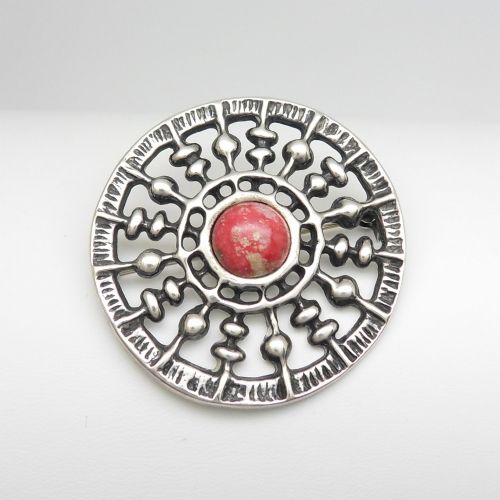
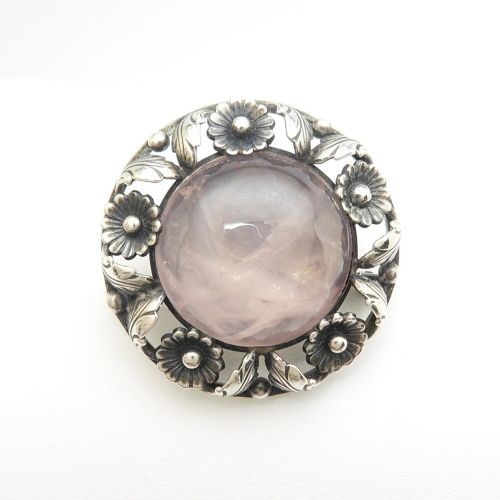
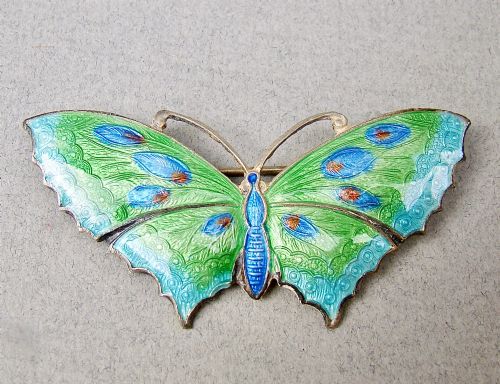
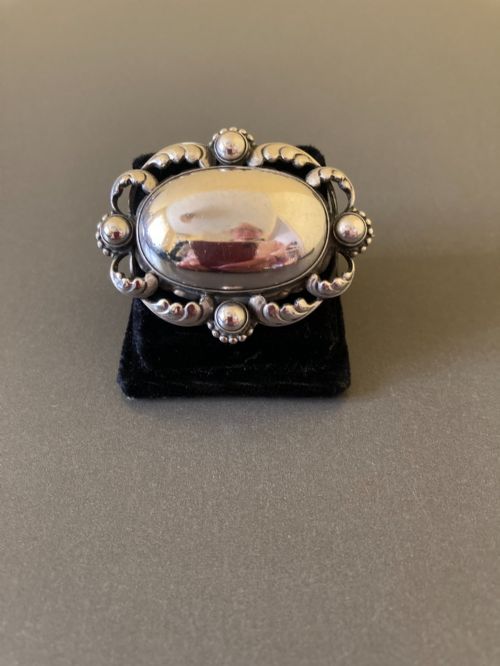
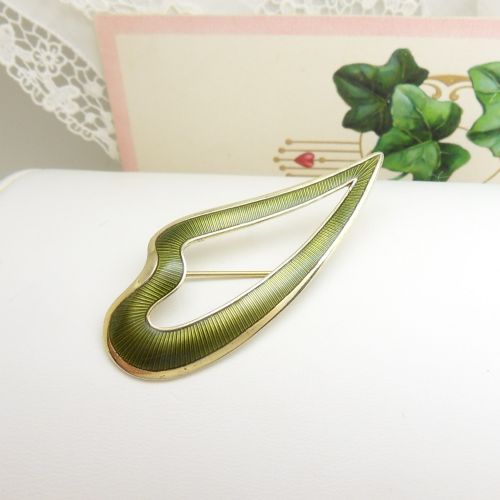
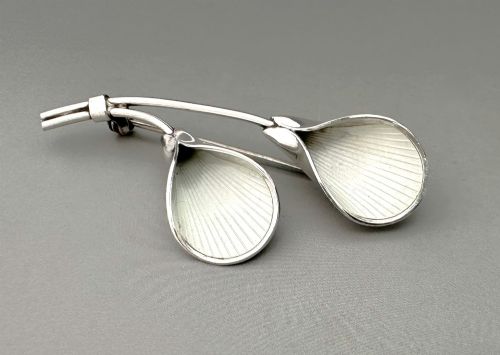
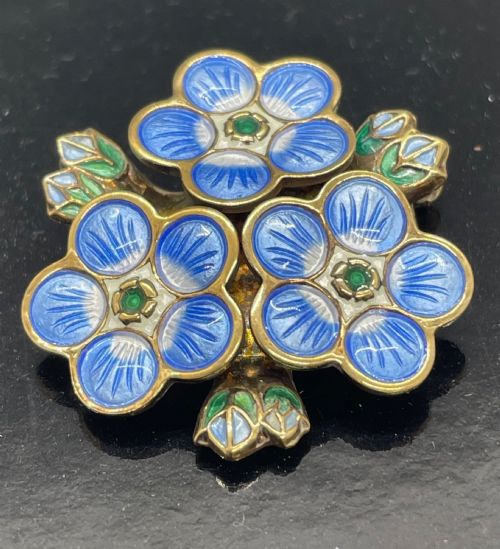
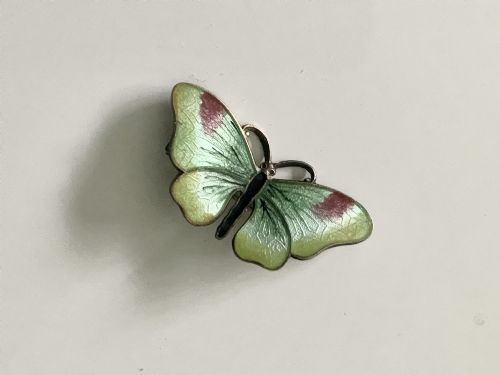
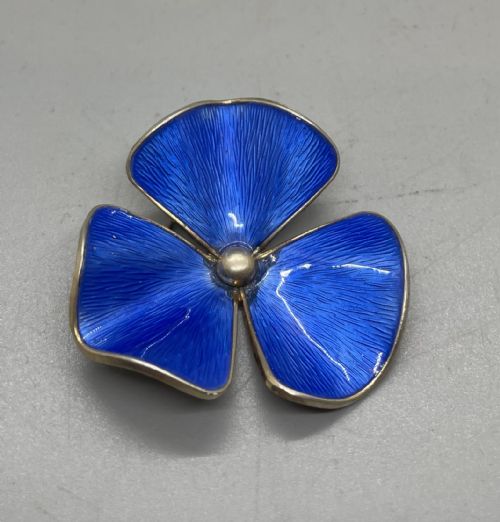
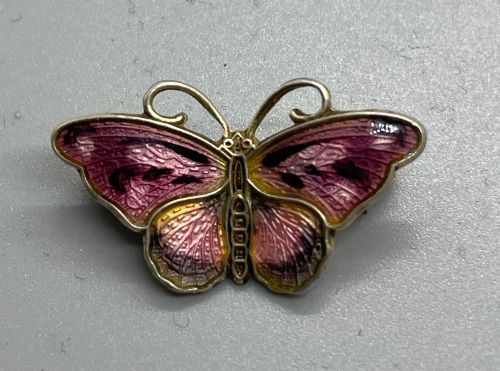
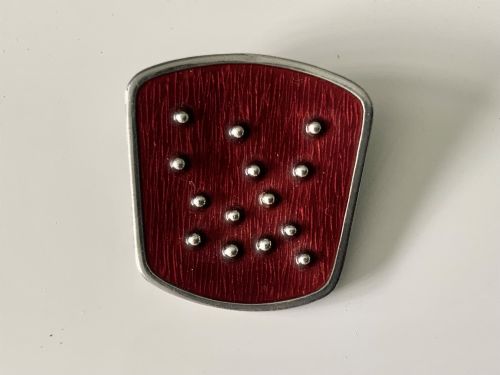
The most common version to meet on this page is the mid-century silver and enamel brooch, frequently featuring butterfly, floral, or abstract motifs. Makers from the 1930s through to the 1960s dominated this output, producing both sterling silver designs and silver gilt variations.
How they were made
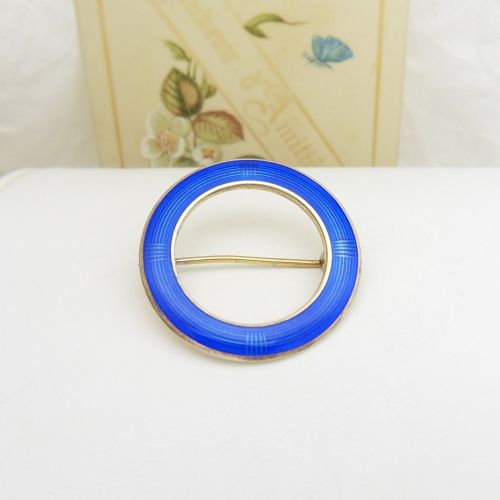
Silversmiths constructed these scandinavian brooch pin examples using sterling silver or silver gilt, often applying translucent guilloche enamel over engine-turned metal bases. This technique allowed intricate patterns beneath the coloured glass layer to catch the light.
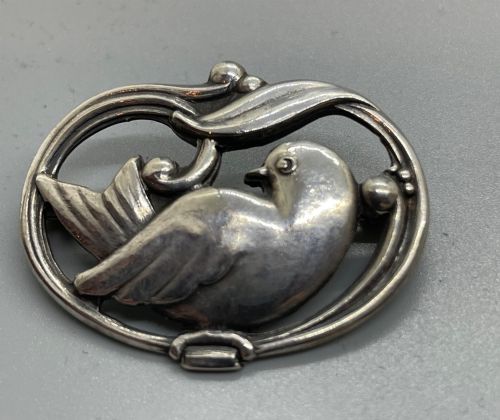
Enamelling techniques ranged from vibrant green, blue, and red vitreous enamel to complex opaque designs. Artisans also utilised oxidised silver details and gold vermeil finishes to add depth and contrast to the metalwork.
Scandinavian Brooch Pin Retail Price Guide 2026
Typical asking prices for scandinavian brooch pin among the pieces listed under this phrase on Sellingantiques today, from the lower quarter to the upper quarter. They describe what is for sale here now, not the wider market.
What varies in quality
The refinement of the enamel work separates finer examples from standard production, particularly the precision of the guilloche engine-turning underneath the translucent surface. Superior pieces display flawless, evenly fired enamel without pitting or discolouration.
Maker attribution and design complexity also distinguish the range, with signed works by known silversmiths demonstrating superior hand-finishing in the silver settings and pin mechanisms compared to unsigned workshop pieces.
K A Rasmussen·Georg Jensen·Aksel Holmsen·David Andersen·Hroar Prydz·Gustav Gaudernack
The Scandinavian Brooch Pin Glossary
- Guilloche enamel
- A decorative technique where a precise mechanical pattern is engraved into metal before translucent enamel is applied over the top. This allows the underlying geometric design to remain visible through the coloured glass.
- Silver gilt
- Sterling silver that has been coated with a thin layer of gold, providing a rich yellow gold appearance while retaining a silver base. Many mid-century Scandinavian designs utilised this finish for enhanced warmth.
- Vitreous enamel
- A material made by fusing powdered glass to a substrate by firing, resulting in a durable and glossy coloured surface. It forms the vibrant colour panels seen on many mid-century pins.
- Skonvirke
- A Scandinavian design style active in the late nineteenth and early twentieth centuries that emphasised natural motifs and fine craftsmanship. It predates the mid-century modern aesthetic commonly found in later pieces.
- Oxidised silver
- Silver that has been intentionally tarnished through chemical treatment to create dark areas in the recesses of the design. This creates contrast and highlights the relief work of the metal.
Scandinavian Brooch Pin: Frequently Asked Questions
How do I date a pin?
Dating relies on stylistic markers, hallmarks, and the specific type of enamel work used. Mid-century modern designs from the 1950s and 1960s often feature abstract or naturalistic motifs with bright transparent enamels.
Earlier pieces from the 1930s or Victorian era exhibit distinct aesthetic characteristics, such as Art Deco geometry or traditional Viking-revival imagery, alongside period-specific maker marks.
Who made these brooches?
Prominent workshops and designers across Norway and Denmark produced the majority of these pieces. Notable figures include Georg Jensen, Aksel Holmsen, David Andersen, Hroar Prydz, and K A Rasmussen.
Many pieces bear maker stamps or silver purity hallmarks on the reverse, which help identify the specific silversmith and country of origin.
How should I wear one?
These pieces function traditionally as dress clips, lapel pins, or scarf fasteners. Their secure pin mechanisms allow them to be worn on coats, heavy knitwear, or structured jackets.
When styling, pairing a colourful enamel brooch with neutral fabrics allows the intricate guilloche patterns and vibrant glasswork to stand out effectively.