

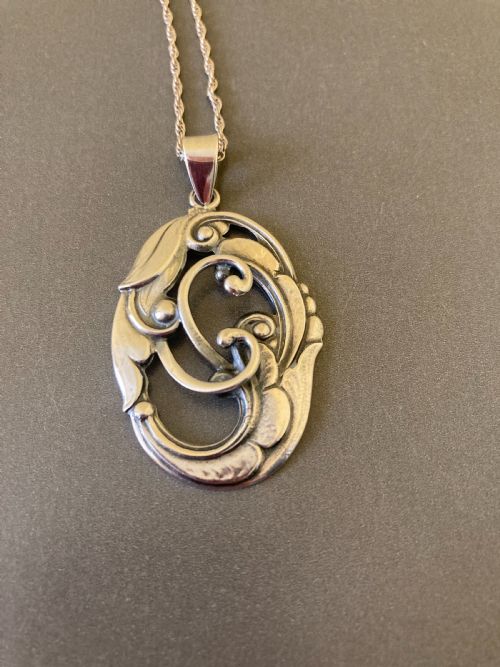


Scandinavian Art Deco Silver
Scandinavian art deco silver brings geometric discipline and vibrant enamelwork to domestic tableware and personal adornment, combining clean Nordic lines with modernist luxury.
Scandinavian Art Deco Silver
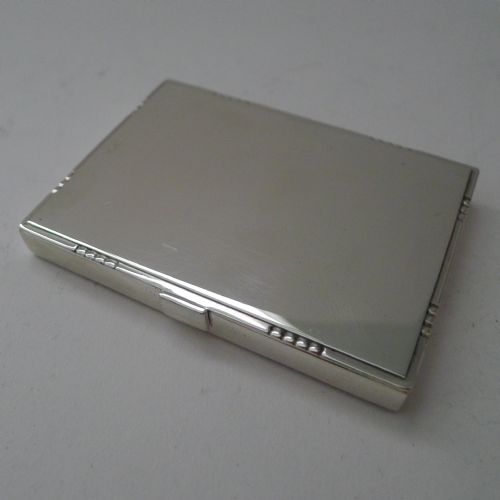
Scandinavian art deco silver encompasses decorative boxes, brooches, napkin rings, pendants, salt and pepper shakers, serveware, and cocktail shakers. These pieces emerge from the 1920s, 1930s, 1940s, and 1950s, bridging early twentieth-century design movements and mid-century modernism.
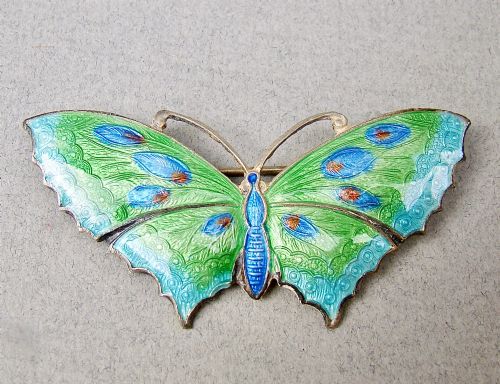
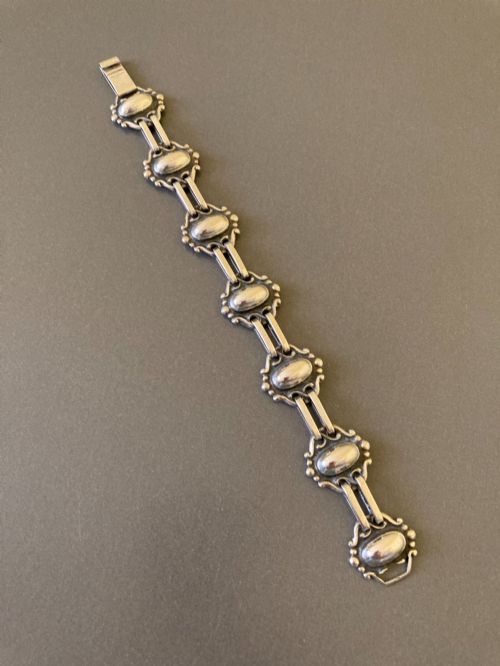
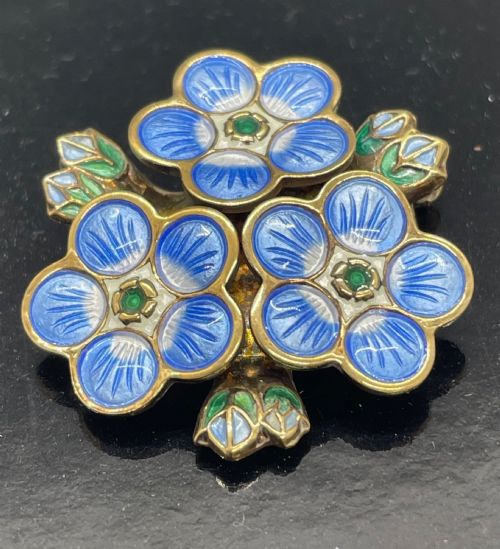
Brooches and personal accessories form a significant portion of what a buyer meets on this page, often featuring butterfly motifs and intricate work. Alongside wearable items, domestic silver includes cased salt cellars, caviar ice server sets, and cocktail shakers.
Danish and Norwegian workshops dominate these listings, representing distinct national contributions to the style. Pieces range from austere sterling silver boxes to richly coloured objects finished with gold gilt and enamel.
How they were made
Makers utilised sterling silver and standard silver as the primary structural metal for boxes, holloware, and mounts. Gold gilt frequently highlights interior surfaces or decorative details, adding a warm contrast to the white metal.
Vitreous enamel and guilloche enamel provide vibrant colour to brooches, napkin rings, and cocktail shakers. Enamellists applied translucent or opaque layers over engine-turned metal grounds to create patterned reflections beneath the coloured glass.
Scandinavian Art Deco Silver Retail Price Guide 2026
Typical asking prices for scandinavian art deco silver among the pieces listed under this phrase on Sellingantiques today, from the lower quarter to the upper quarter. They describe what is for sale here now, not the wider market.
Listings feature sterling silver, enamel, and gold gilt applied across forms ranging from cocktail shakers to delicate butterfly brooches.
What varies in quality
The sophistication of the enamelwork separates standard production from exceptional examples, particularly where engine-turned guilloche patterns catch the light beneath translucent layers. Crispness in the silver casting and the precision of geometric hinges on boxes also mark higher tiers of craftsmanship.
Attribution to prominent designers or established houses elevates certain pieces through superior proportion and considered weight. The integration of functional elements, such as fitted interior gilt washes or balanced cocktail shaker walls, demonstrates greater workshop mastery.
Georg Jensen·Harald Nielsen·David Andersen·Sigvard Bernadotte
The Scandinavian Art Deco Silver Glossary
- Guilloche enamel
- A decorative technique where a mechanical pattern is engraved into silver beneath translucent enamel. This creates repetitive geometric textures that shine through the coloured glass surface.
- Vitreous enamel
- A material made by fusing powdered glass to a metallic substrate through firing at high temperatures. The resulting coating provides durable, glossy colour for brooches and tableware.
- Silver gilt
- Silver that has been coated with a thin layer of gold on its surface. This finish protects the underlying silver from tarnishing and offers a rich two-tone appearance.
- Sknvirke
- A Scandinavian design style that preceded and influenced later modernist work. It emphasises natural motifs and traditional craftsmanship adapted to early twentieth-century forms.
- Sterling silver
- An alloy of silver containing ninety-two point five percent silver and seven point five percent other metals, usually copper. This standard ensures structural durability for functional domestic objects.
Scandinavian Art Deco Silver: Frequently Asked Questions
How do I care for silver and enamel pieces?
Store enamelled silver away from direct sunlight and extreme temperature fluctuations to protect the glass surface from stress. Clean the metal components gently with a soft cloth, avoiding abrasive polishes that might scratch the enamel.
Keep liquids away from vintage boxes with fitted interiors and handle cocktail shakers with clean hands. Professional maintenance ensures the structural integrity of both the silver mounts and the delicate enamel layers.
How do I identify a Norwegian design?
Norwegian pieces from this period frequently rely on vibrant guilloche enamel applied to silver gilt surfaces, particularly in napkin rings, salts, and butterfly brooches. Look for workshop stamps and maker marks originating from Oslo.
Designers in Norway embraced colourful enamel finishes more extensively than their Danish contemporaries during the interwar years. These items often arrive with original fitted cases intended for gift presentation.
What defines the Danish aesthetic?
Danish silver objects lean towards architectural restraint, prioritising the natural lustre of sterling silver over applied colour. Clean geometric lines and structural purity define boxes and serveware from this region.
Noted Danish makers focused on form and functional utility, producing pieces that anticipate Scandinavian modernism. Surfaces remain unadorned or rely on subtle plane shifts rather than enamel decoration.