





Scalloped Walnut Top Table
A scalloped walnut top table brings tactile warmth and carved outline to a room, offering surface space defined by shaped edges.
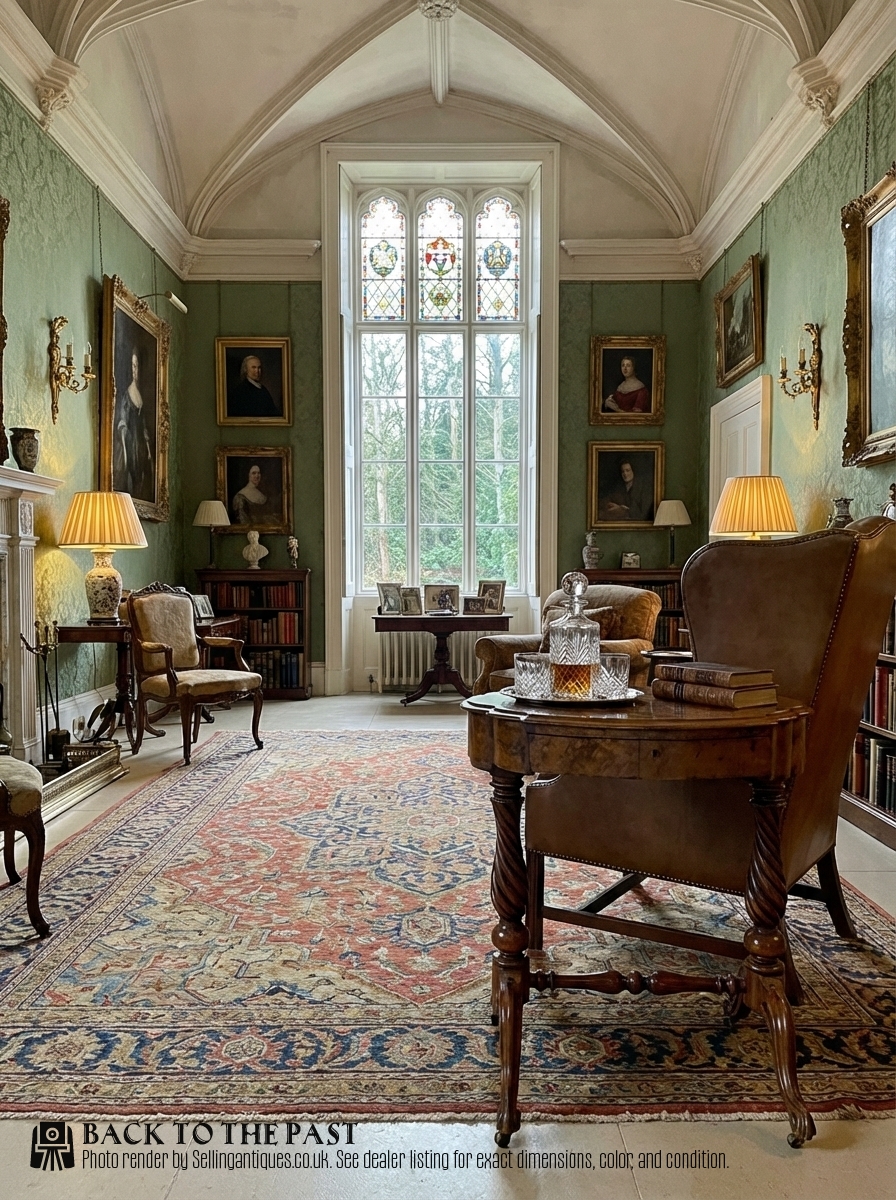
Scalloped Walnut Top Table
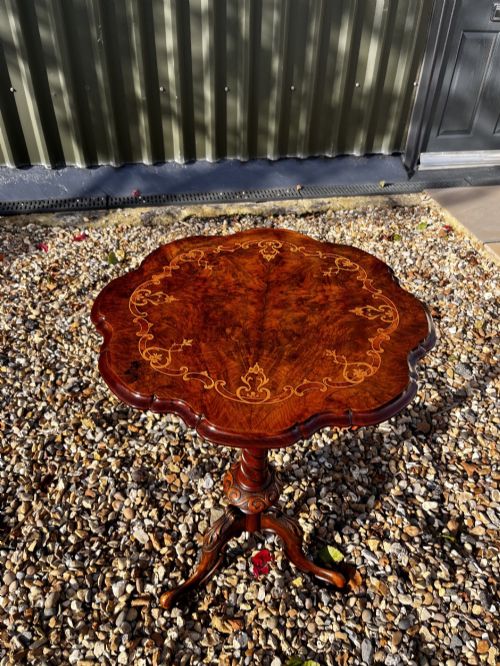
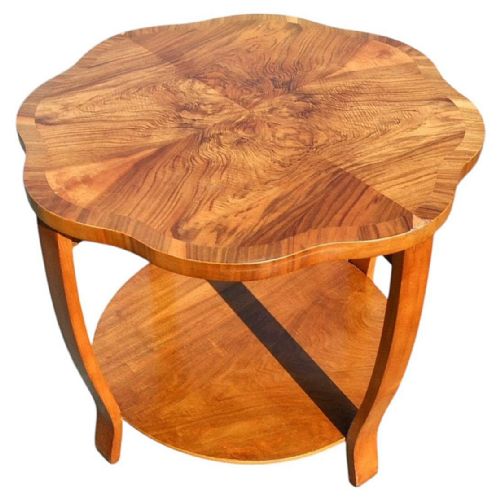
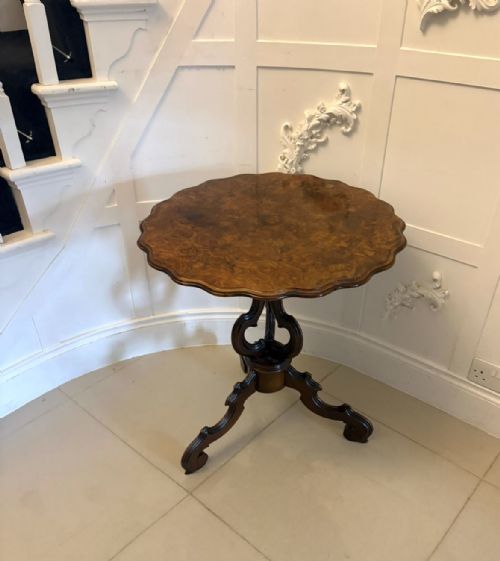
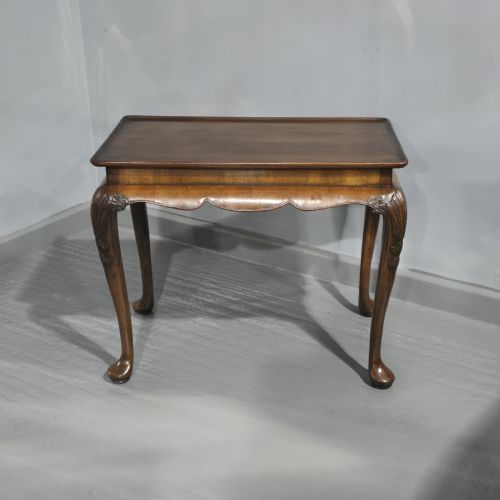
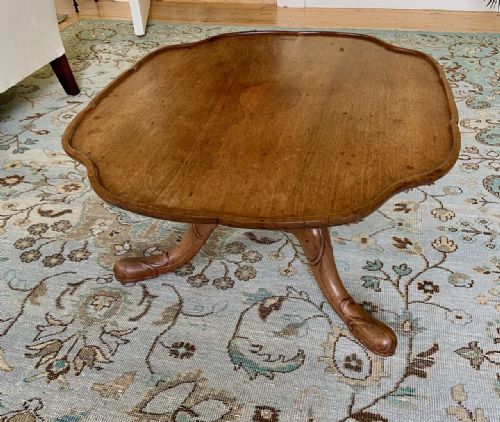
A scalloped walnut top table presents a distinctive curved edge profile fashioned from walnut timber, appearing across forms such as centre tables, coffee tables, side tables, and tilt-top examples. These pieces emerge predominantly from Victorian and later periods, spanning the nineteenth and twentieth centuries alongside revival expressions like Queen Anne style and Italian Baroque.
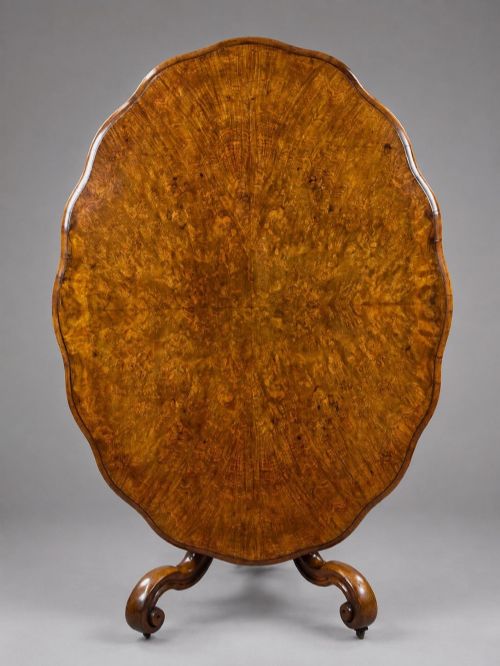
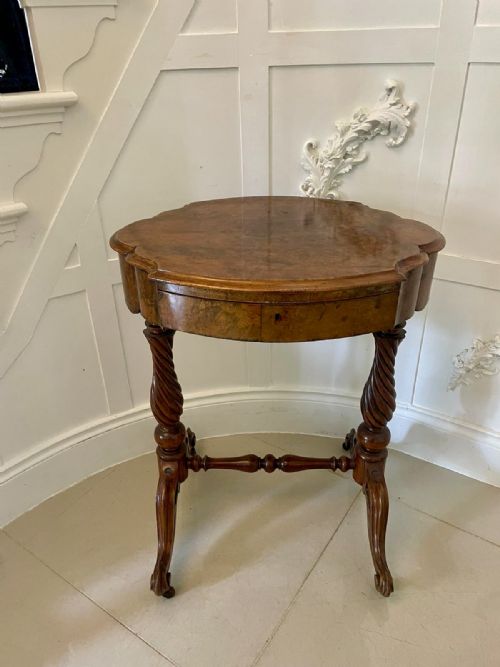
The version most commonly met on this page is the Victorian burr walnut centre table or lamp table featuring a shaped or scalloped timber top, often supported by a pedestal base or turned legs. Examples range from compact work tables to larger dining and breakfast tables.
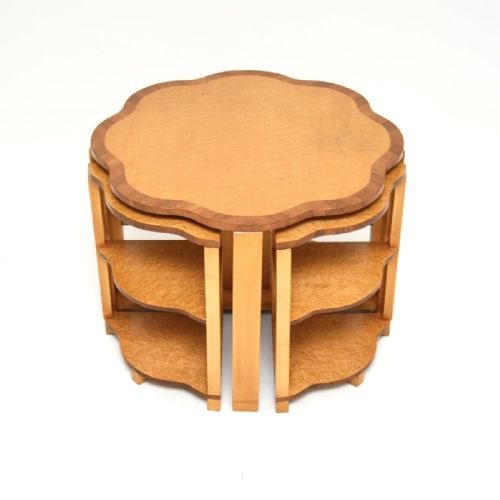
Makers and makers' marks occasionally accompany these items, pointing to workshops such as Whytock and Reid or makers like John Kendal. Other variants include nests of tables, wine tables, and candle stands incorporating marquetry or wood inlay.
Materials and construction
Construction relies heavily on walnut, burr walnut veneer, and solid walnut, sometimes paired with secondary timbers and decorative elements such as birds eye maple or pink Salome marble. Cabinetmakers selected burr veneers for their swirling grain patterns, applying them carefully to shaped surfaces.
Inlaid decoration and marquetry appear on selected tops, incorporating floral motifs and wood inlay techniques. Pedestal columns, tilt-top mechanisms, and multi-tiered frames require precise joinery to ensure stability alongside decorative flourish.
Scalloped Walnut Top Table Retail Price Guide 2026
Typical asking prices for scalloped walnut top table among the pieces listed under this phrase on Sellingantiques today, from the lower quarter to the upper quarter. They describe what is for sale here now, not the wider market.
Some tables tilt their tops upward, ready to play hide-and-seek against the drawing room wall.
Assessing quality in walnut tables
The distinction between tiers of quality rests upon the selection and matching of the walnut timber, particularly the richness of burr figure across the shaped surface. Finer examples display meticulous grain continuity and crisp execution of the scalloped outline.
Structural integrity of the pedestal, tilt mechanism, or leg assembly dictates longevity, alongside the finesse of any marquetry inlay or brass fittings. Superior workshops achieved seamless integration between the decorative top and the supporting framework.
Whytock and Reid·John Kendal
The Scalloped Walnut Top Table Glossary
- Burr walnut
- A wood harvested from the burl growth of a walnut tree, prized for its intricate and swirling grain patterns. Cabinetmakers sliced it into veneers to ornament table tops.
- Marquetry
- The art of applying pieces of veneer to a structure to form decorative patterns and pictures. It utilises various coloured woods laid into a ground.
- Tilt top
- A table mechanism allowing the surface to pivot to a vertical position when not in use. This enabled compact storage against walls in period interiors.
- Pedestal table
- A table supported by a single central column rising from a footed base. It removes corner legs to maximise seating or standing clearance around the perimeter.
Scalloped Walnut Top Table: Frequently Asked Questions
How do I clean a walnut table top?
Dust regularly with a soft, dry cloth to remove grit that might scratch the polished surface. Avoid silicone sprays or harsh chemical cleaners that can damage the finish.
Apply a traditional beeswax periodically to nourish the walnut timber and preserve its natural sheen. Buff gently with a clean cloth after application for the best result.
Can I use a centre table for daily dining?
Centre tables serve multiple domestic functions, but many period examples feature delicate veneers or tilt mechanisms not suited for heavy daily meals. Smaller or pedestal formats work well for occasional use.
Protect the surface from heat and moisture using coasters and placemats. Heavier dining tasks are better managed by robust dining tables designed specifically for that purpose.
What is burr walnut veneer?
Burr walnut veneer is a thin slice of wood cut from a tree burl, which is a growth deformity resulting in chaotic, highly figured grain patterns. It provides intense visual texture.
Craftsmen glued these delicate slices onto stable base timbers to create ornamental surfaces without wasting scarce burr material. It remains a hallmark of finer nineteenth-century cabinet work.
How do I date a Victorian walnut table?
Examine the construction methods underneath, including screw types, joint construction, and timber preparation marks. Victorian pieces often employ solid walnut frames combined with veneered tops.
Compare the style markers, such as Rococo Revival carving or pedestal turnings, against known design periods. Documentation or maker signatures also help establish precise chronology.