



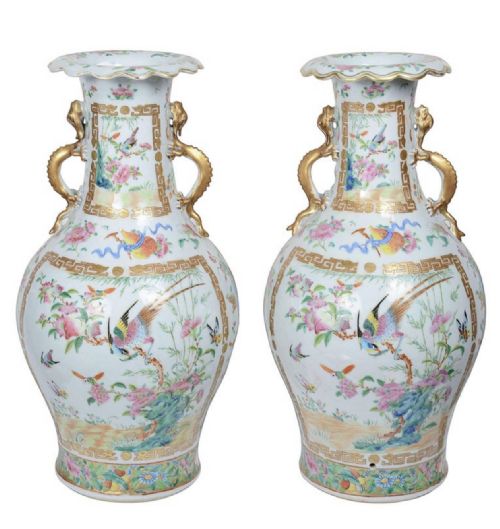


Scalloped Rim Vase
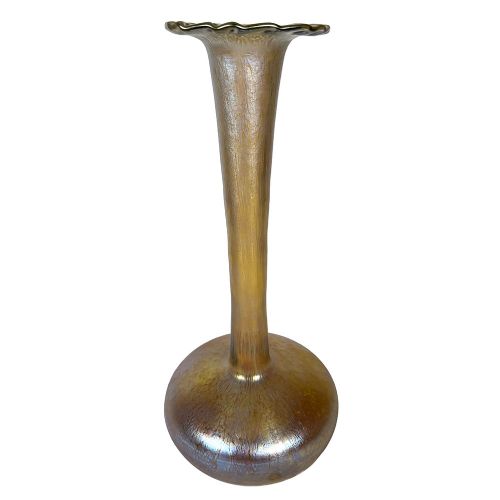
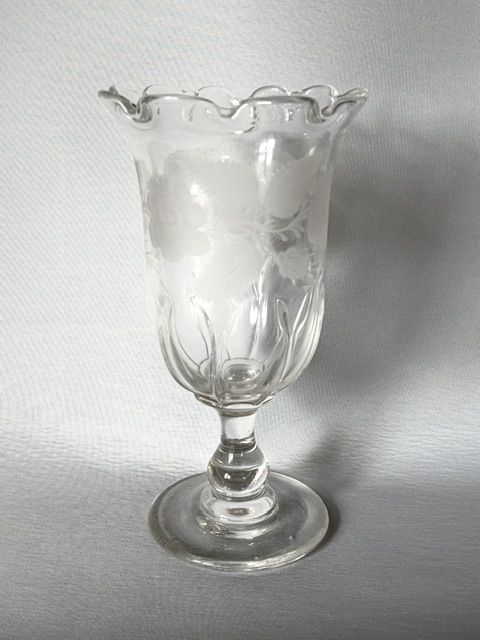
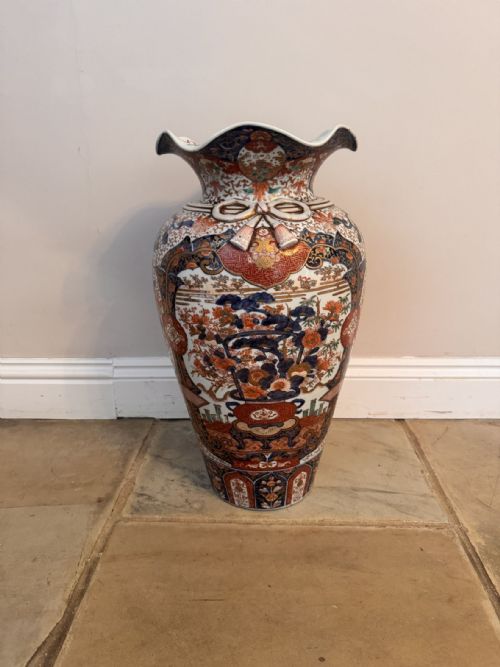
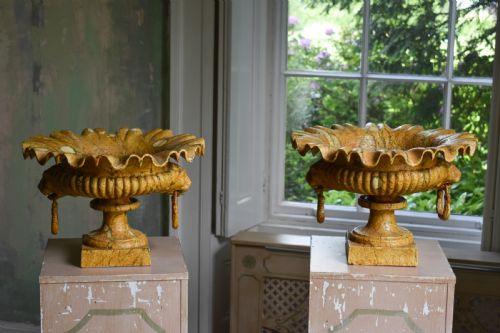
These scalloped rim vase examples bring decorative elegance to any room through their distinctive indented borders and varied historic forms.
Scalloped Rim Vase
A scalloped rim vase combines utility and ornamentation, featuring an indented or wavy upper edge that sets it apart from standard vessels. Buyers seeking a scalloped rim vase often encounter Victorian glass, Meiji period Japanese ceramics, and nineteenth-century European porcelain.
The inventory ranges from tall floor standing vessels to delicate cabinet pieces and urns. Pieces span various historical eras including Georgian, Victorian, and Edwardian periods.
Form and decoration vary widely, encompassing painted cast iron, cobalt glaze, enamel, and gold leaf applications. Such diversity allows collectors to select items that match specific interior aesthetics.
How they were made
Ceramic items utilise hard-paste porcelain and earthenware bodies finished with hand-painted enamels, cobalt glaze, and gilding. Japanese wares often incorporate intricate hand-painted motifs alongside traditional glazing techniques.
Glass vessels involve blowing and subsequent engraving or etching to create surface patterns below the shaped edge. Metal items such as cast iron employ traditional foundry methods before receiving decorative paint finishes.
Scalloped Rim Vase Retail Price Guide 2026
Typical asking prices for scalloped rim vase among the pieces listed under this phrase on Sellingantiques today, from the lower quarter to the upper quarter. They describe what is for sale here now, not the wider market.
Some nineteenth-century Victorian glass celery vessels were originally designed to display stalks upright on the dining table rather than holding flowers.
What varies in quality
Quality rests upon the precision of the shaping at the upper edge and the clarity of any applied surface decoration. Finer examples display crisp hand-painting, controlled gilding, and balanced proportions without distortion.
Materials dictate durability and refinement, where superior porcelain bodies and deeply etched glass command attention from discerning collectors. The integration of the decorative scheme with the vessel form ultimately determines the standing of an individual piece.
The Scalloped Rim Vase Glossary
- Hard-paste porcelain
- A durable ceramic material fired at high temperatures, composed of kaolin and petuntse. It provides a smooth, vitreous surface ideal for detailed enamel painting.
- Cobalt glaze
- A deep blue mineral pigment applied beneath or over the glaze before firing. This intense colouring remains stable at high kiln temperatures.
- Gold leaf
- Extremely thin sheets of beaten gold applied to surfaces for ornamentation. It adds reflective highlights to ceramic and glass details.
- Meiji period
- The era of Japanese history lasting from eighteen sixty-eight to nineteen twelve. Pieces from this time frequently feature elaborate hand-painted designs.
Scalloped Rim Vase: Frequently Asked Questions
What defines a scalloped rim vase?
A scalloped rim vase is characterised by an undulating, indented, or crimped upper border rather than a plain straight or flanged opening. This shaping requires careful manual manipulation during manufacture.
Such decorative shaping appears across glass, porcelain, and metal vessels from various nineteenth and early twentieth century traditions.
How do I date a glass vase?
Dating glass relies on observing the manufacturing techniques, such as pontil marks, etching styles, and the composition of the material itself. Victorian and Edwardian pieces often exhibit distinct engraved motifs characteristic of their era.
Comparing the decorative style and weight of the glass against documented examples helps narrow down the period of production.
Where were Japanese Imari vases made?
Japanese Imari wares were primarily produced in the town of Arita and exported through the port of Imari. These export pieces are known for their distinctive palette of underglaze blue, iron red, and added gold.
Later Meiji period examples adapted these traditional colour schemes for international markets while maintaining meticulous hand-painted detail.
Can these vases hold water safely?
Whether a vessel holds water depends upon its material, construction, and any historic conversions it has undergone. For instance, pieces that were previously adapted into lamps may have weighted bases or drilled wiring holes.
Glass and glazed porcelain items generally hold water, whereas painted cast iron or delicate enamel surfaces require gentle handling to preserve their finish.