

Scallop Top Table
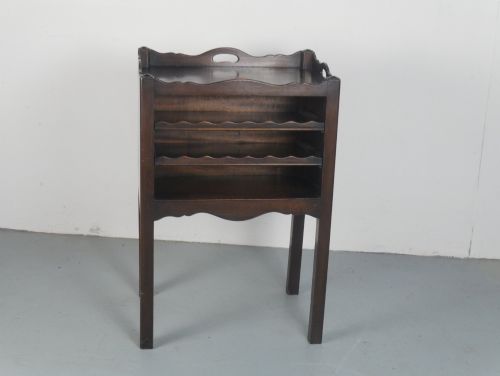
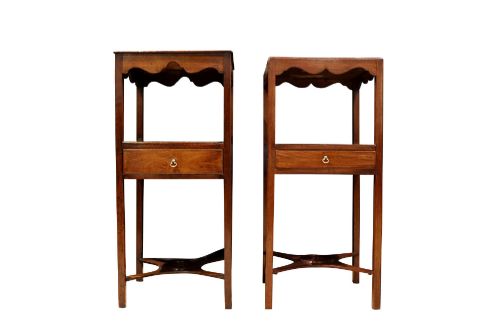
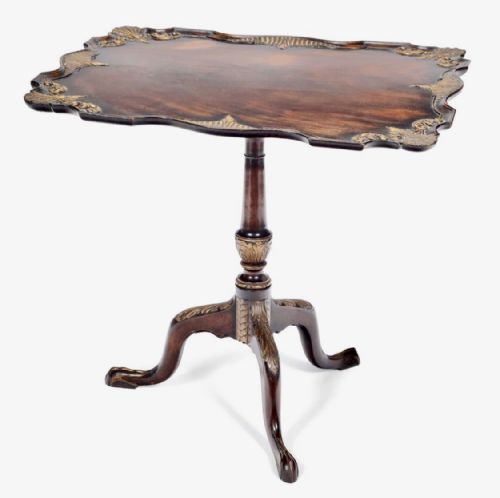
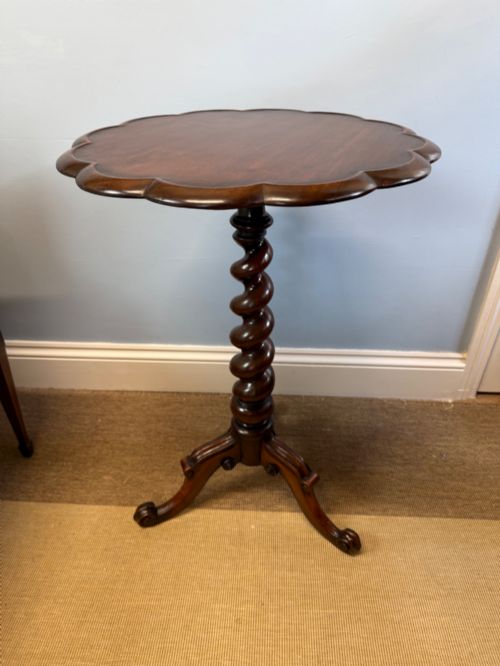
A scallop top table brings shaped timber and clever joints into a room, offering a surface that sits easily beside chairs or in hallways.
Scallop Top Table
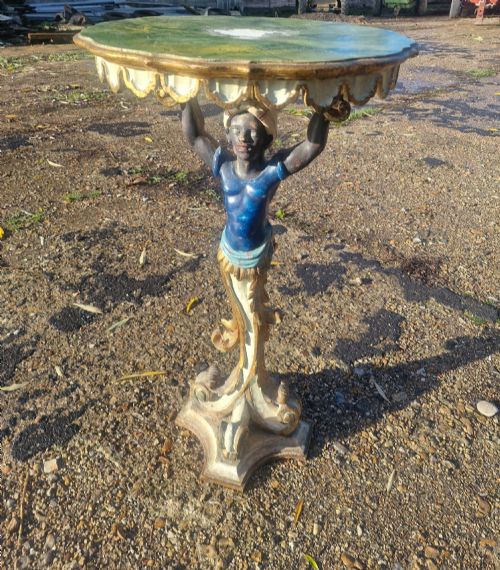
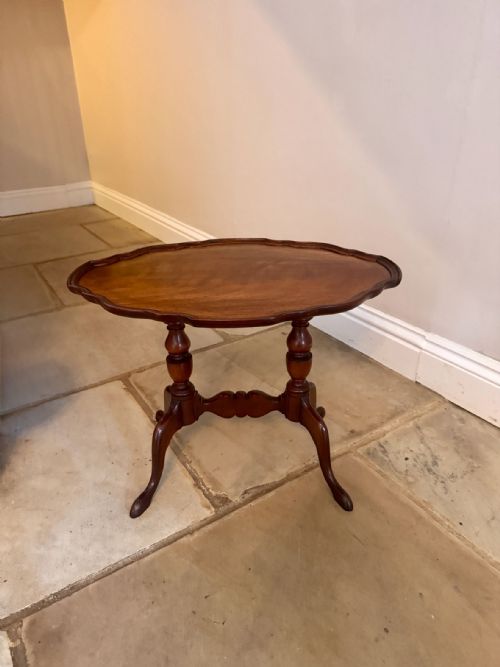
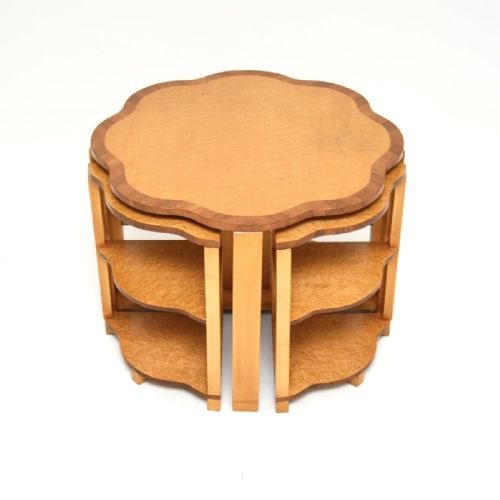
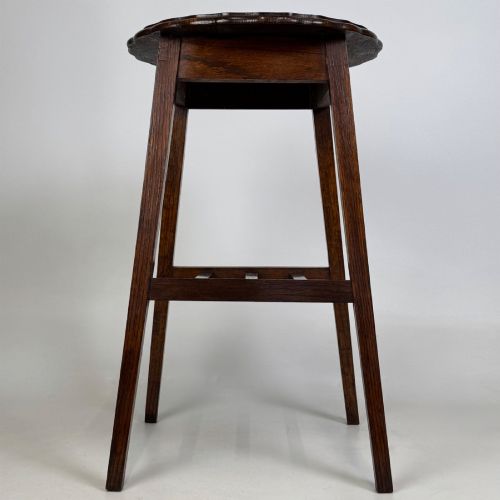
When you search for a scallop top table, you encounter a variety of forms including tripod wine tables, tilt-top centre tables, and occasional furniture designed for practical use. The pieces span periods from the eighteenth century through the Victorian era and into the twentieth century, reflecting shifting domestic habits.
Mahogany forms the core of the selection, accompanied by walnut, burr walnut, rosewood, oak, and satinwood. Many examples utilise tilt mechanisms or tripod bases, allowing the surface to fold away when not in active service in a room.
How they were made
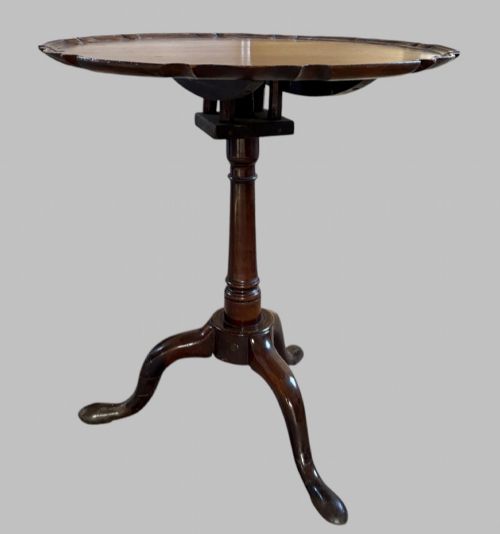
Cabinetmakers constructed these tables primarily in solid mahogany, walnut, and rosewood, often pairing figured veneers with turned solid wood bases. Tripod tables rely on precise dovetail joints and central pedestals carved from single blocks or turned on lathes.
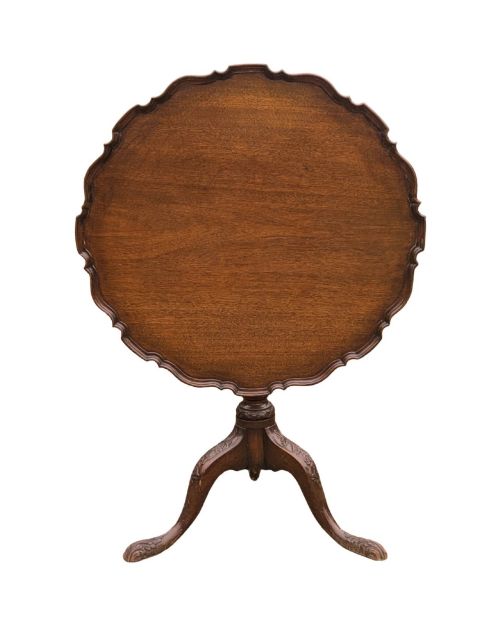
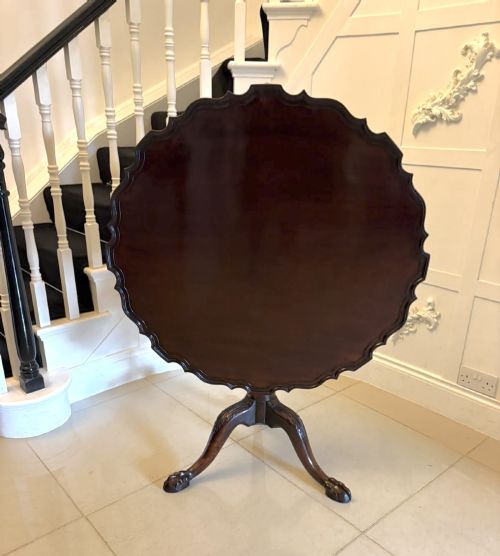
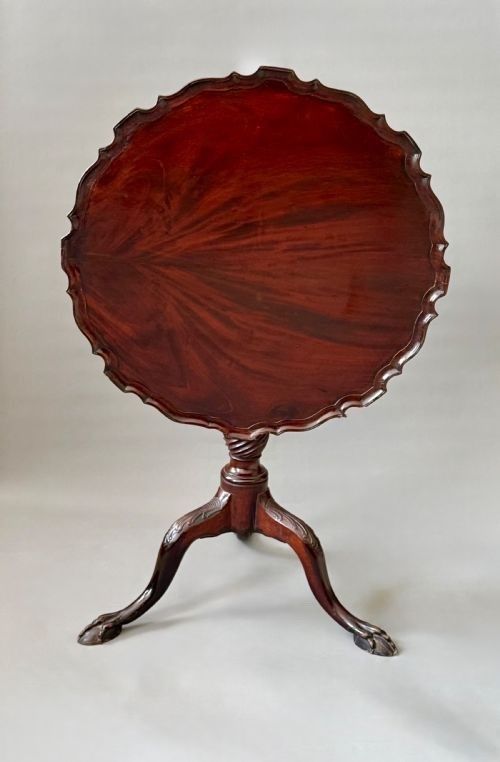
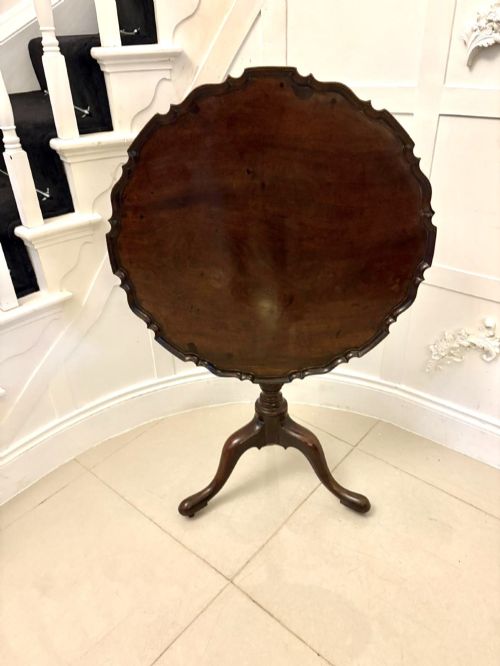
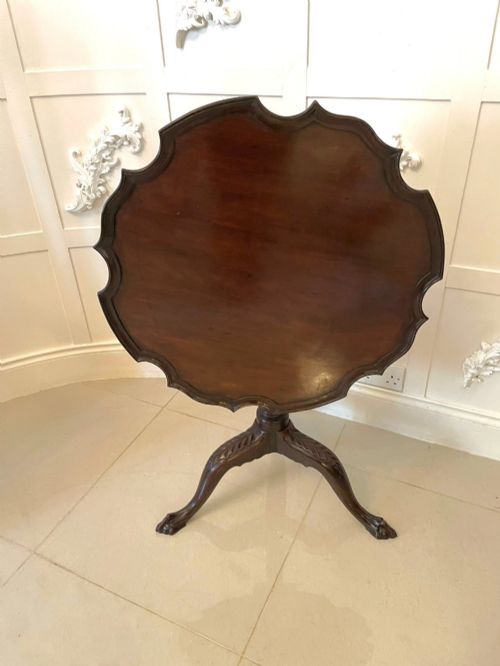
Surfaces feature shaped pie-crust or scalloped edges carved directly from thick timber or built up with applied mouldings. Inlays of satinwood, marquetry, and parcel gilt work add decorative contrast to the polished wood grains.
Scallop Top Table Retail Price Guide 2026
Typical asking prices for scallop top table among the pieces listed under this phrase on Sellingantiques today, from the lower quarter to the upper quarter. They describe what is for sale here now, not the wider market.
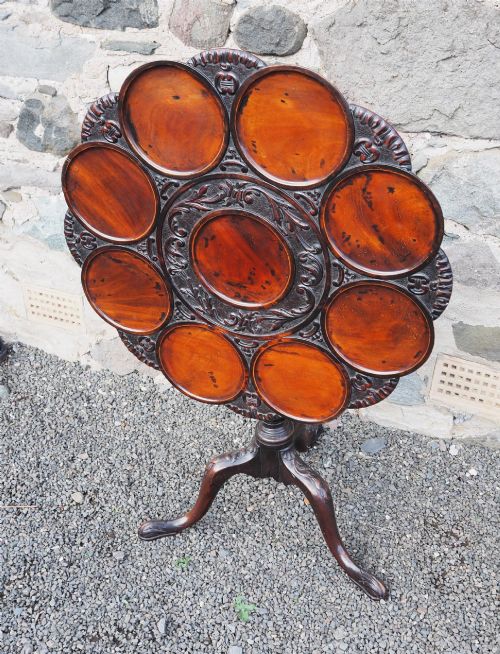
Papier-mâché wine tables offer a surprisingly sturdy alternative to timber, proving that nineteenth-century picnic trays could double as fine furniture.
What varies in quality
The distinction between standard utility items and superior examples lies in the crispness of the edge carving and the selection of timber figure. Finer tables exhibit deeply moulded pie-crust profiles and richly grained mahogany or burr walnut surfaces.
Structural integrity of the tilt mechanism and the stability of the tripod legs determine daily usability. Superior pieces retain original catches, well-fitted pillar blocks, and unwarped tops that rest flat when lowered.
Gillows·Egan Workshop
The Scallop Top Table Glossary
- Pie-crust edge
- A raised, carved perimeter moulding resembling pastry work, commonly found on eighteenth-century and revival tripod tables. This shaped border prevented items from sliding off when the top was tilted.
- Tilt-top
- A hinged table surface that rotates to a vertical position against the pedestal column. This mechanism allowed furniture to be stored compactly against walls when the room was cleared.
- Tripod base
- A central pedestal supported by three legs diverging outwards. It provides stable floor contact on uneven historic flooring.
- Burr walnut
- Timber harvested from walnut tree growths, featuring swirling, mottled grain patterns. Cabinetmakers applied this wood as veneer on tabletops for visual depth.
Scallop Top Table: Frequently Asked Questions
How were tilt-top tables used historically?
These tables stood against drawing room walls until needed for tea, reading, or card games. Servants or residents tilted the surfaces vertically to save floor space when rooms served other functions.
In daily life, the mechanism offered flexibility without requiring bulky furniture to be carried between chambers.
What is a pie-crust edge?
A pie-crust edge is a decoratively carved, undulating border raised above the flat surface of the tabletop. Craftsmen carved these profiles directly from solid mahogany boards.
The resulting rim keeps small objects secure while adding ornamental detail to occasional and tea tables.
Where should I place a wine table?
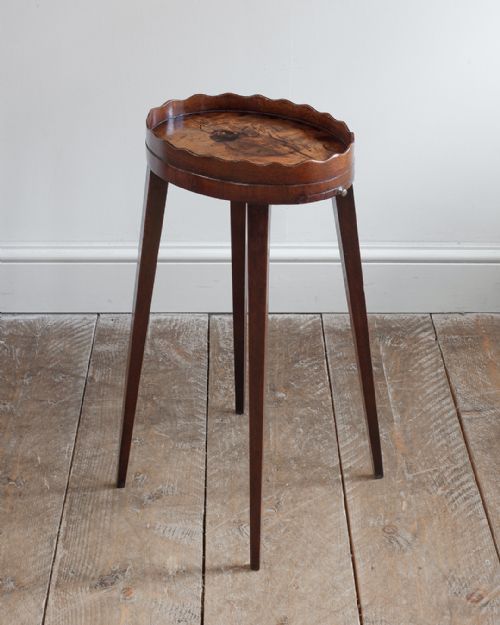
Wine tables suit tight spaces beside armchairs, sofas, or in entrance halls where a full-sized desk or side table is impractical. Their compact tripod bases allow them to tuck into corners.
They hold small lamps, books, or drinks without dominating the room layout.
How do I care for polished wood surfaces?
Maintain timber surfaces by dusting with a dry, soft cloth and applying traditional beeswax periodically to nourish the grain. Avoid placing pieces near direct heat sources or strong sunlight.
Moisture protection prevents water rings on antique polished mahogany and walnut.