

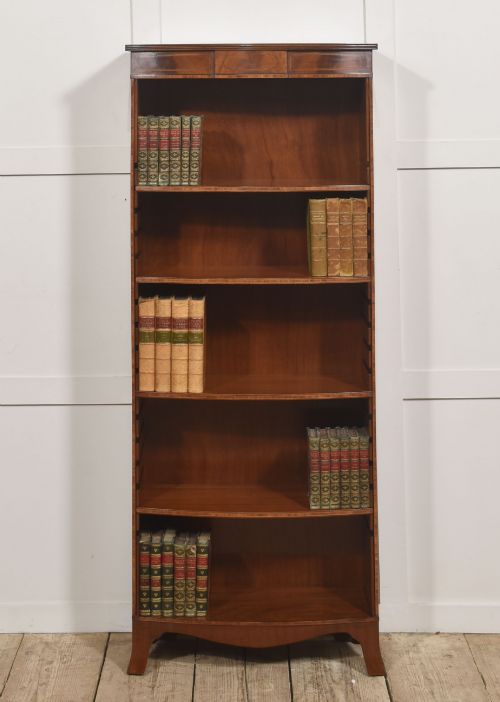


Satinwood Open Bookshelf
A satinwood open bookshelf brings light timber and accessible shelving to a room, offering both display space and refined period character.
Satinwood Open Bookshelf
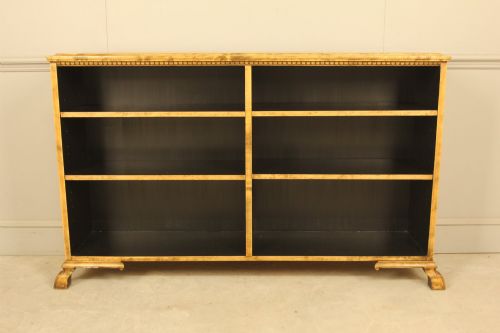
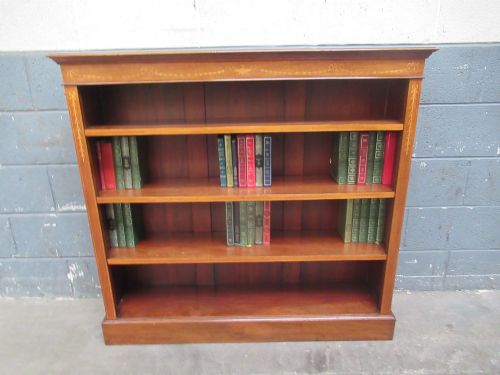
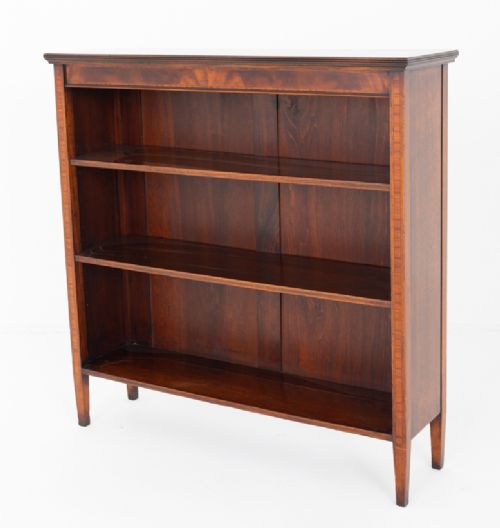
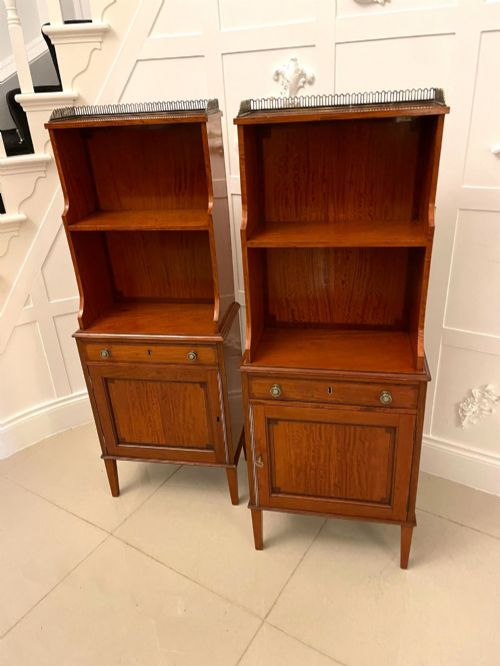
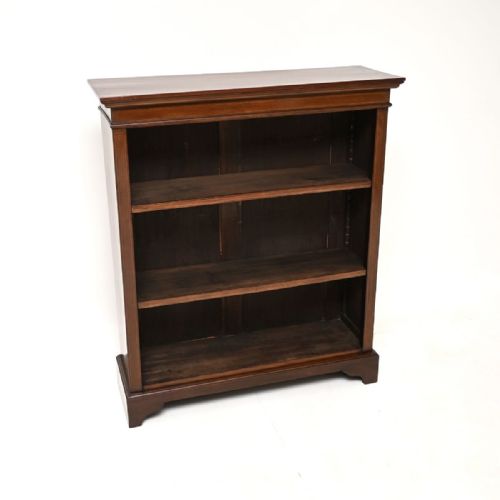
A satinwood open bookshelf is typically designed as an accessible piece for displaying volumes without the barrier of glass doors. These items appear across several distinct historical periods, most notably in Edwardian interpretations and Sheraton Revival revivals.
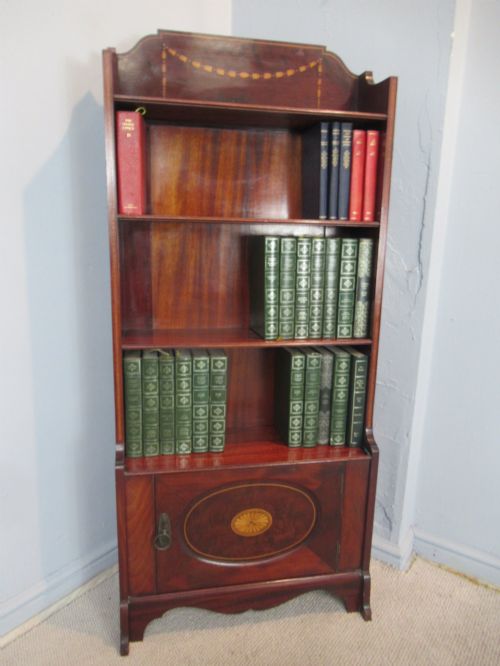
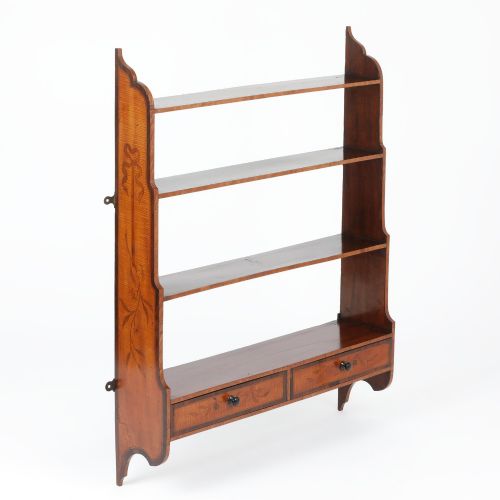
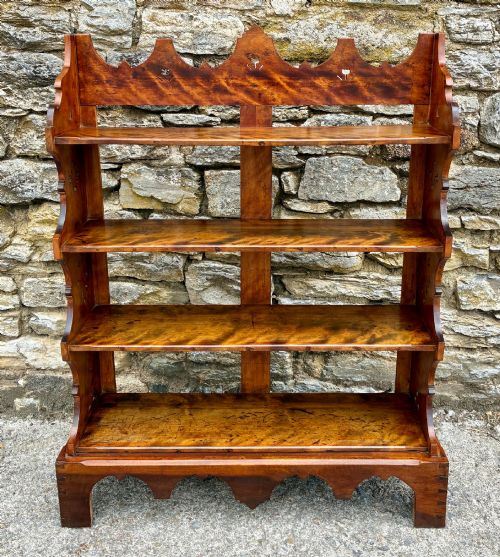
The forms range from slim vertical units and low breakfront pieces to hanging waterfall shelves and architectural library bookcases. Many examples incorporate contrasting timbers and delicate stringing, reflecting the decorative priorities of their respective eras.
Materials and construction methods
Cabinetmakers utilised pale satinwood as the primary visible surface, often framing it with rich mahogany, walnut, or ebonised wood. Inlay work frequently employed boxwood and contrasting veneers to create geometric or classical motifs.
Structural integrity relied on traditional joinery, while decorative details included brass fittings and carefully executed crossbanding. Timbers such as flame birch also appear, adding distinct grain patterns to the finished pieces.
Satinwood Open Bookshelf Retail Price Guide 2026
Typical asking prices for satinwood open bookshelf among the pieces listed under this phrase on Sellingantiques today, from the lower quarter to the upper quarter. They describe what is for sale here now, not the wider market.
Listings feature periods spanning from the eighteenth century through to the Edwardian era and the 1930s.
Distinctions in quality
Quality in these pieces is dictated by the crispness of the inlay and the selection of the timber grain. Superior examples exhibit tightly matched veneers and finely detailed friezes rather than plain, unadorned surfaces.
The overall proportion and the subtlety of decorative additions, such as bow fronts or waterfall tiers, separate standard utility furniture from finer cabinetmaking.
Gillows
The Satinwood Open Bookshelf Glossary
- Satinwood
- A hard, durable timber known for its lustrous, golden-yellow sheen and smooth grain. It was highly favoured for fine decorative cabinetry during the eighteenth and nineteenth centuries.
- Crossbanding
- A border technique where veneer is laid with the grain running perpendicular to the main panel. This adds a neat framing effect to shelves and tabletops.
- Sheraton Revival
- A late nineteenth and early twentieth-century design movement inspired by the neoclassical work of Thomas Sheraton. It relies on graceful proportions, satinwood, and delicate marquetry.
- Waterfall bookcase
- A tiered shelving unit where each level steps back progressively from bottom to top. This form was popular for displaying smaller collections of books.
Satinwood Open Bookshelf: Frequently Asked Questions
What is a satinwood open bookshelf?
A satinwood open bookshelf is a freestanding or hanging shelving unit constructed primarily with pale satinwood timber, designed for easy access to books and display items without doors.
These pieces emerged in various periods including the Georgian era, the nineteenth century, and the Edwardian period, often featuring contrasting wood inlays.
How do I date a satinwood bookcase?
Dating relies on observing construction methods, timber choices, and stylistic cues such as Sheraton Revival motifs or Arts and Crafts simplicity. Edwardian pieces often combine mahogany with satinwood stringing.
Examining the secondary timbers at the back and interior can also provide clues regarding the period of manufacture.
Where should I place an open bookshelf?
These bookshelves suit studies, living rooms, and bedrooms where their light timber tones can brighten a corner. Because the shelves are open, they work best in rooms with controlled dust and moderate humidity.
Keep them away from direct sunlight to prevent the satinwood from darkening or fading unevenly over time.
What styles are common for these shelves?
Common styles include Sheraton Revival, Edwardian, and Aesthetic Movement designs, alongside occasional French provincial and Swedish neoclassical examples. Each style brings different decorative elements.
Some lean towards minimalist geometry while others feature elaborate marquetry and inlaid friezes.