

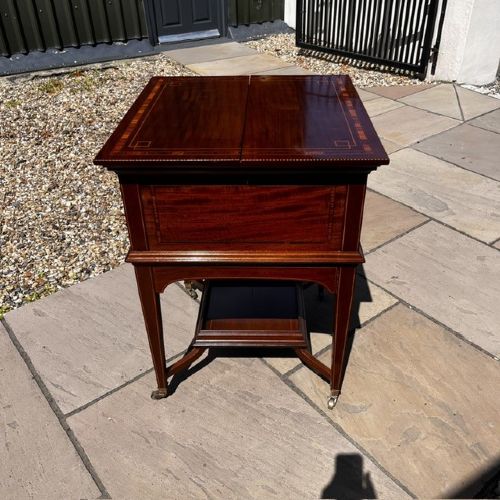
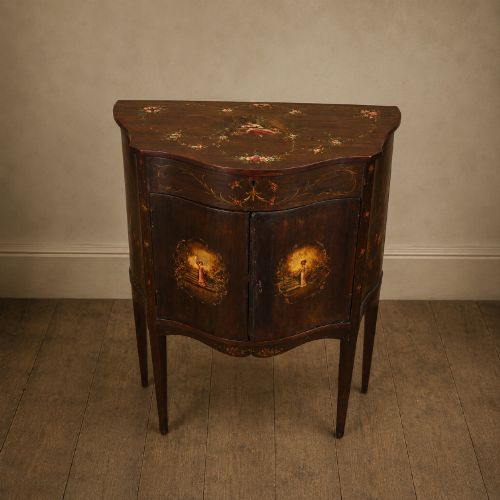
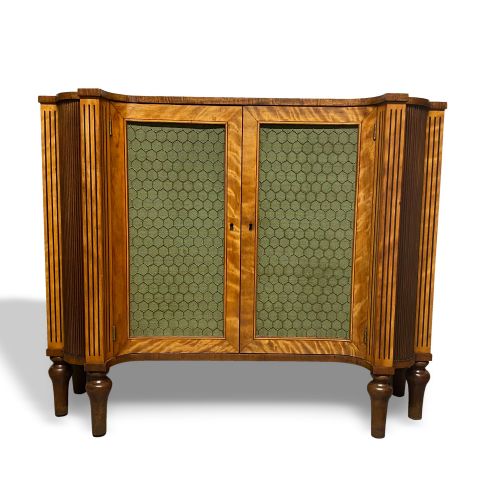
Satinwood Furniture Cabinet
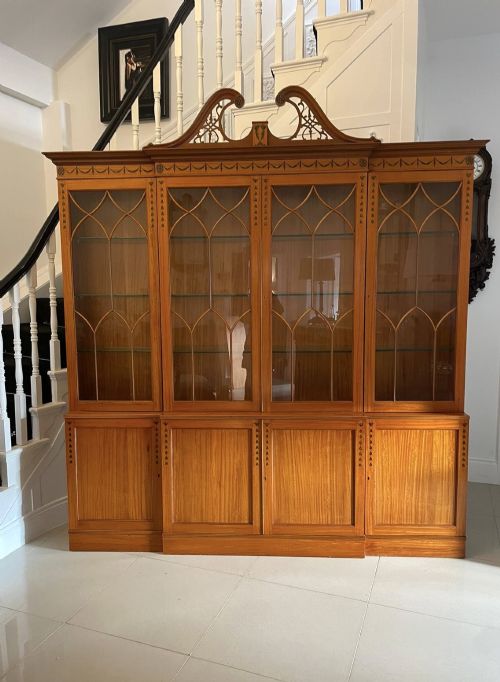
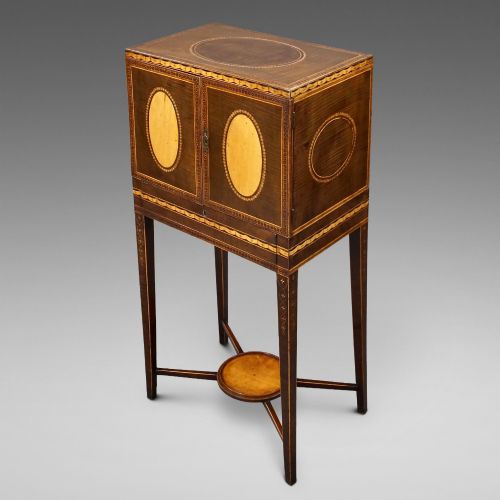
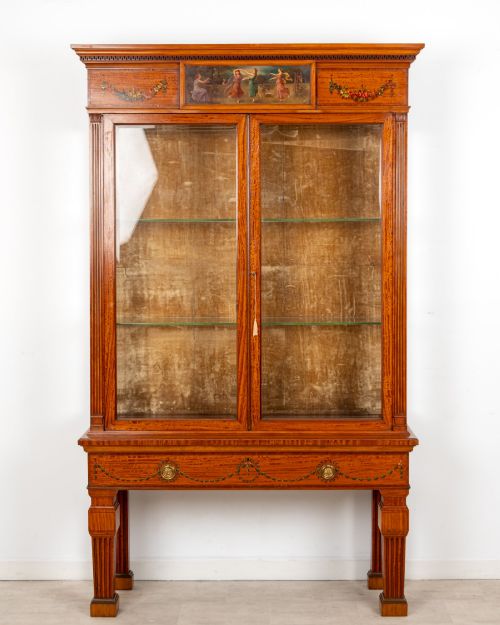
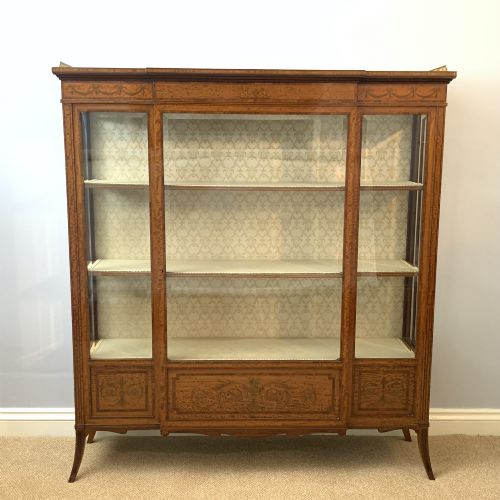
These satinwood furniture cabinet examples span periods from the eighteenth century to art deco, offering polished timber and painted surfaces for storage and display.
Satinwood Furniture Cabinet
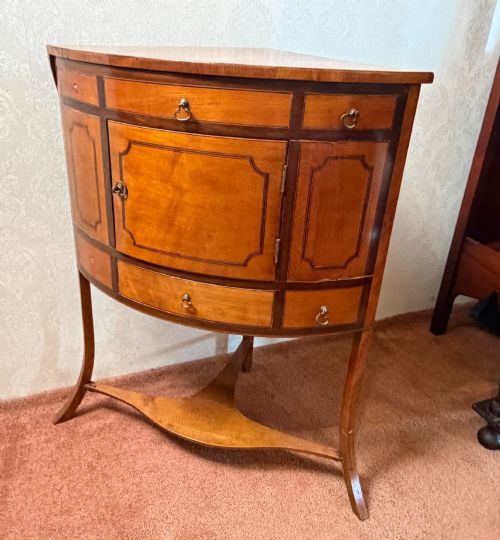
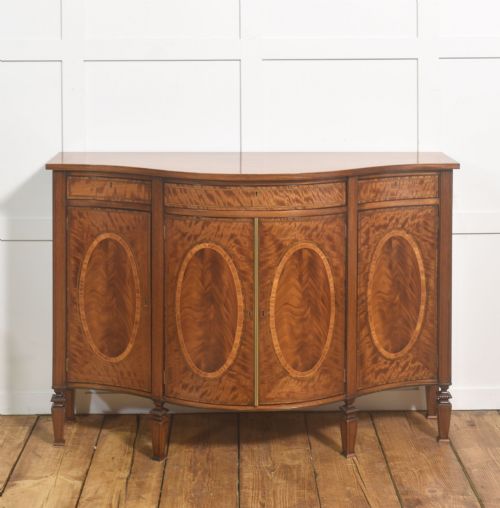
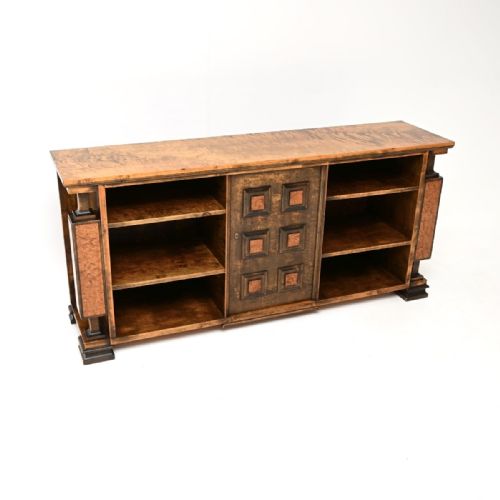
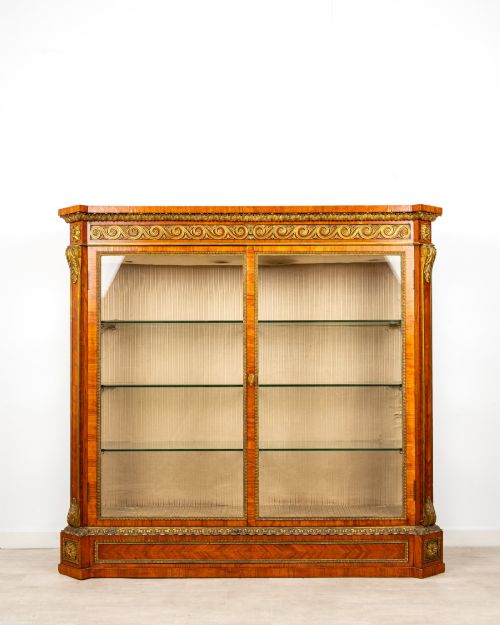
When you search for satinwood furniture cabinet, you encounter a range of storage and display forms spanning multiple centuries and stylistic revivals. The selection includes display cabinets, side cabinets, bedside cabinets, and bookcases alongside commodes and writing cabinets.
Edwardian and Sheraton revival pieces dominate the current selection, often incorporating painted decoration or intricate inlay work. Pieces from the eighteenth century, including George III designs, appear alongside nineteenth-century iterations and nineteen-thirties art deco items.
How they were made
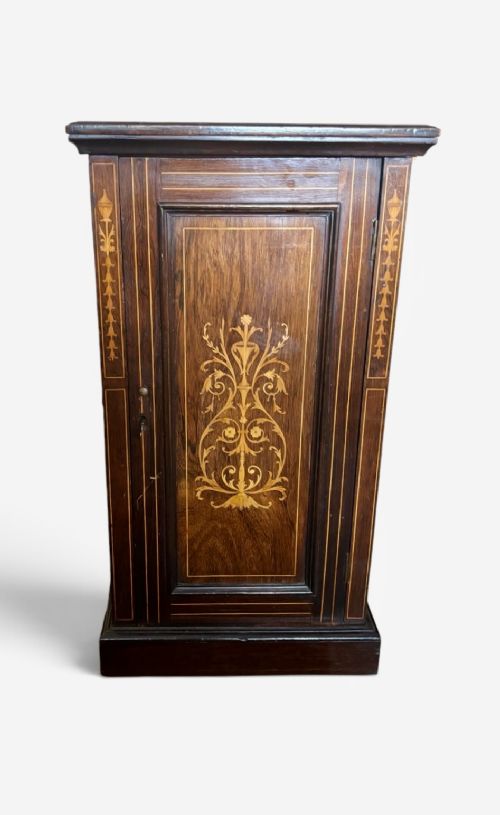
Cabinet makers utilised satinwood as a primary timber or as a veneer over mahogany, walnut, and other foundational woods. Workshops applied contrasting stringing and banding in materials such as boxwood, harewood, and sabicu to define panels and edges.
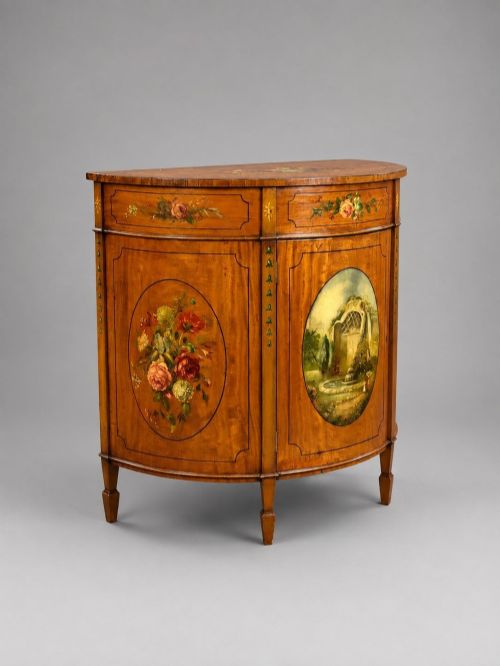
Many items incorporate glass panels for display, brass hardware for handles and mounts, and hand-painted floral or neoclassical motifs across doors and drawers. Construction methods range from traditional dovetailing in drawers to specialised joinery in breakfront and serpentine carcases.
Listings feature satinwood combined with mahogany, walnut, and rosewood across multiple decorative periods.
What varies in quality
The degree of hand-painted detail and the precision of inlaid marquetry distinguish finer cabinet work from simpler commercial production. Execution of complex curved forms, such as bow-fronts and serpentine shapes, requires advanced carpentry skill.
The choice of secondary timbers and the retention of original decorative schemes influence the overall integrity of a piece. Maker attribution, through stamps or known workshop signatures, further differentiates individual examples.
Hampton & Sons·Edwards & Roberts·Waring & Gillows·Maple & Co.·James Hicks
The Satinwood Furniture Cabinet Glossary
- Satinwood
- A durable hardwood known for its golden sheen and smooth grain, utilised extensively in fine cabinet making and veneering. It takes a high polish and accepts painted decoration readily.
- Sheraton Revival
- A late nineteenth and early twentieth century design movement that reinterprets the neoclassical furniture styles of eighteenth-century designer Thomas Sheraton. These pieces frequently feature light timber inlay and painted satinwood.
- Marquetry
- The art of applying decorative veneer pieces to a structural carcase to form geometric or pictorial designs. Craftsmen use contrasting woods like boxwood and harewood for tonal variation.
- Serpentine
- A furniture front or top shaped with a curving contour that bulges outward centrally and recesses at the sides. This technique demands precise woodworking to maintain structural integrity.
- Bijouterie
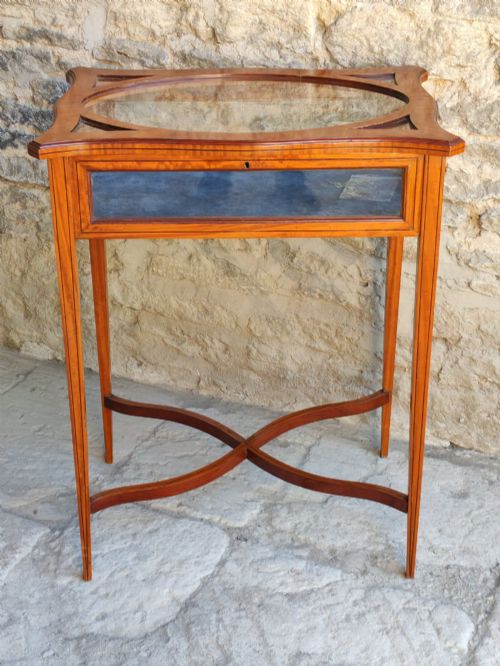
- A small glass-topped cabinet or table designed specifically for displaying small valuable items or collections. These pieces often feature satinwood frames and lined interiors.
Satinwood Furniture Cabinet: Frequently Asked Questions
What periods do these cabinets cover?
The selection includes eighteenth-century George III examples, Victorian and Edwardian revival pieces, and nineteen-thirties art deco designs. This wide chronological span reflects changing tastes in interior decoration and cabinet making.
Craftsmen across these periods utilised satinwood in distinct ways, ranging from painted neoclassical motifs on Edwardian display pieces to streamlined art deco veneers.
How do I identify a Sheraton Revival piece?
Sheraton Revival cabinets typically date from the late nineteenth or early twentieth century and draw inspiration from the late eighteenth century. They often feature delicate satinwood veneers, painted floral swags, and tapered legs.
Makers utilised contrasting stringing and symmetrical proportions to evoke the lighter, neoclassical aesthetic associated with Thomas Sheraton's original designs.
Where were bedside and side cabinets used?
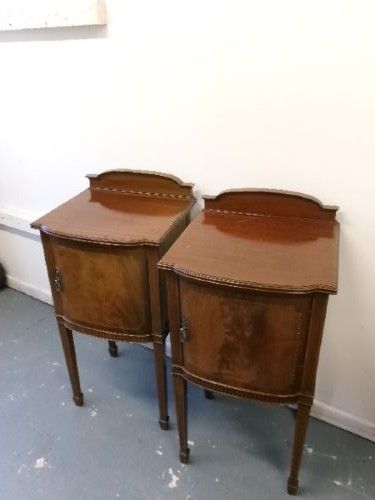
Bedside cabinets and side cabinets served functional storage roles in bedrooms, drawing rooms, and studies. They held personal items, books, or washstand accessories while complementing the main suite of furniture.
Craftsmen designed these smaller carcases with doors, drawers, or open shelving to suit specific domestic spaces within period homes.
Are painted decorations original?
Many Edwardian and Sheraton Revival cabinets feature hand-painted floral decoration or classical medallions applied directly to the satinwood surface. Examining the pigment integration and wear patterns helps determine authenticity.
Makers such as Hampton & Sons and Edwards & Roberts produced documented pieces with painted finishes that matched the prevailing tastes of their era.