





Salt Glazed Vessel
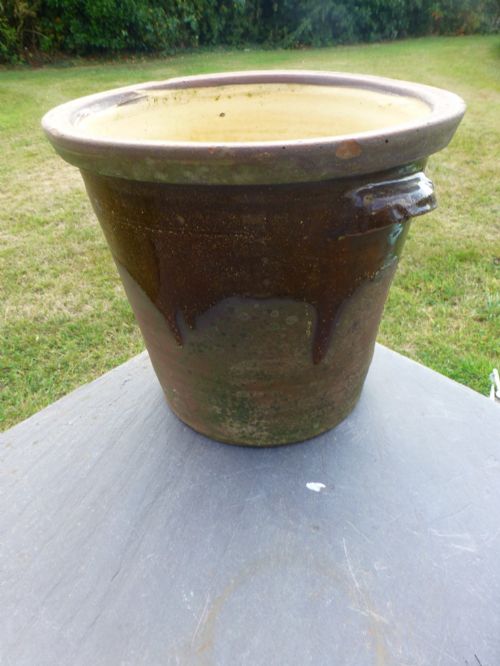
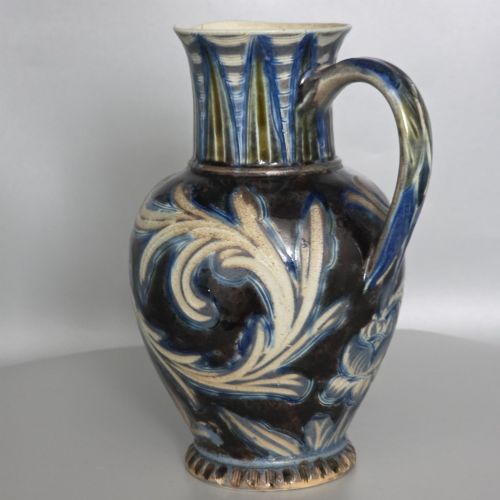
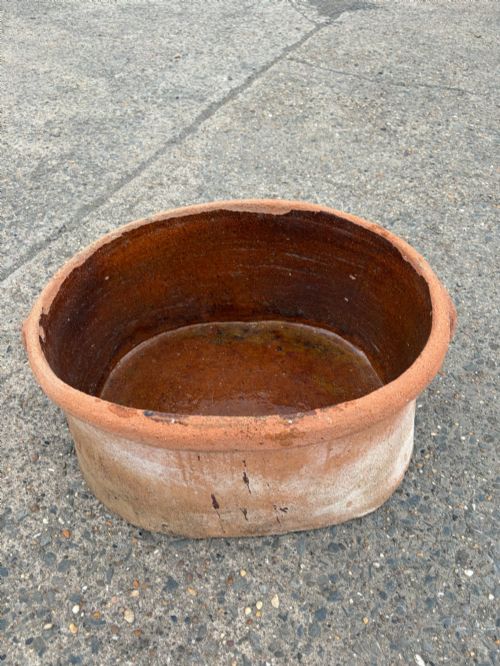
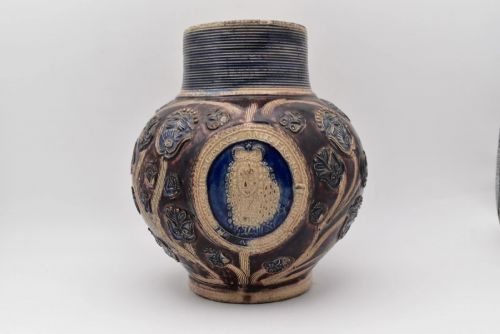
A salt glazed vessel carries the unmistakable pitted texture of salt-fired ceramic, spanning centuries of utilitarian and decorative craft.
Salt Glazed Vessel
A salt glazed vessel encompasses an array of utilitarian and decorative forms, from sturdy jugs and flagons to elaborate ewers and jardinières. When searching this phrase, buyers encounter pieces originating from the sixteenth century onwards, spanning German, French, and English workshops.
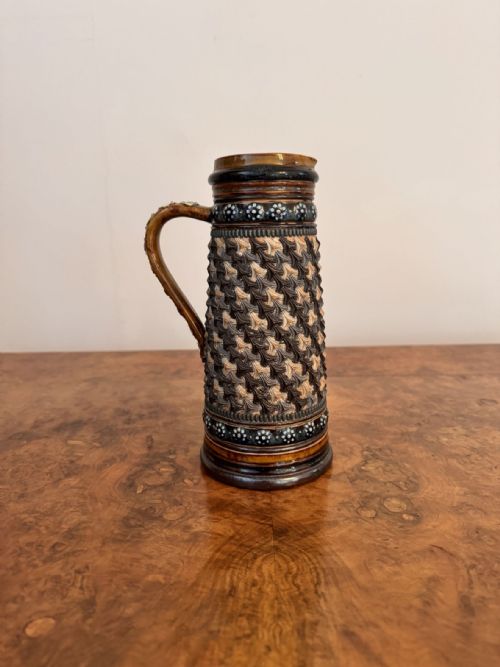
The selection on this page leans heavily towards nineteenth-century Victorian pieces, notably the rich output of Doulton Lambeth alongside earlier continental stoneware and rustic domestic crocks. These objects range from heavy-duty dairy salters and water filters to delicate vases and puzzle jugs.
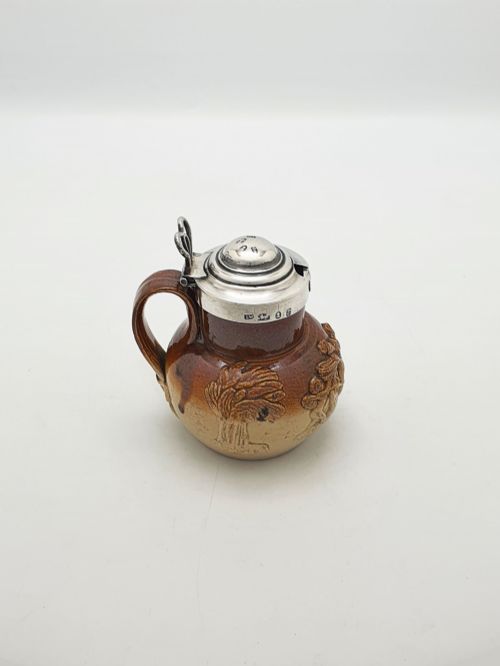
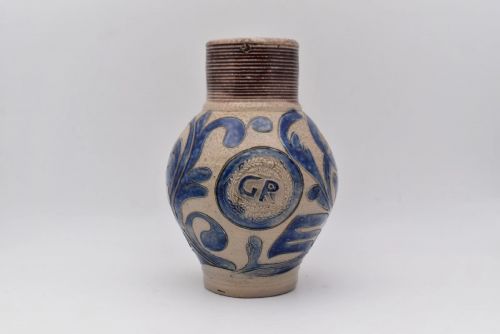
Forms vary from simple wine bottles and tavern jars to exhibition-quality presentation pieces featuring intricate sprigged decoration, sterling silver collars, and portrait ciphers.
Materials and Technique
These pieces are fashioned primarily from dense clay and stoneware, subjected to high-temperature firing where salt is thrown directly into the kiln. This chemical reaction creates the characteristic orange-peel texture upon the surface.
Makers occasionally combined the salt-glazed body with secondary materials, mounting stoneware jugs and beakers with sterling silver collars, hinged lids, and applied cream-coloured sprigged reliefs.
Salt Glazed Vessel Retail Price Guide 2026
Typical asking prices for salt glazed vessel among the pieces listed under this phrase on Sellingantiques today, from the lower quarter to the upper quarter. They describe what is for sale here now, not the wider market.
Tavern patrons once tested their wits against puzzle jugs, attempting to drink without spilling through hidden spouts.
Distinctions in Quality
Quality rests upon the crispness of the salt-glazed texture and the precision of the modelling, distinguishing standard utilitarian containers from masterwork exhibition pieces. Sharp relief work, complex incised patterns, and balanced proportions elevate a piece.
The presence of distinguished factory stamps, identifiable artist signatures, or precious metal mounts adds historical significance and craftsmanship depth to the finished object.
Doulton Lambeth·Fulham Pottery·Dee Filter Company·C & A Painter·Roger Guerin
The Salt Glazed Vessel Glossary
- Salt Glaze
- A glossy, slightly pitted ceramic finish created by throwing common salt into the kiln during high-temperature firing. The sodium reacts with the silica in the clay body to form a durable glassy coating.
- Stoneware
- A robust, vitrified pottery type fired at high temperatures until the clay becomes non-porous and impermeable. It serves as the primary body for heavy-duty vessels and bottles.
- Sprigged
- A decorative technique where separately moulded clay reliefs are applied to the surface of an unbaked vessel before firing. These applied details often feature contrasting cream-coloured clay.
- Bartmann
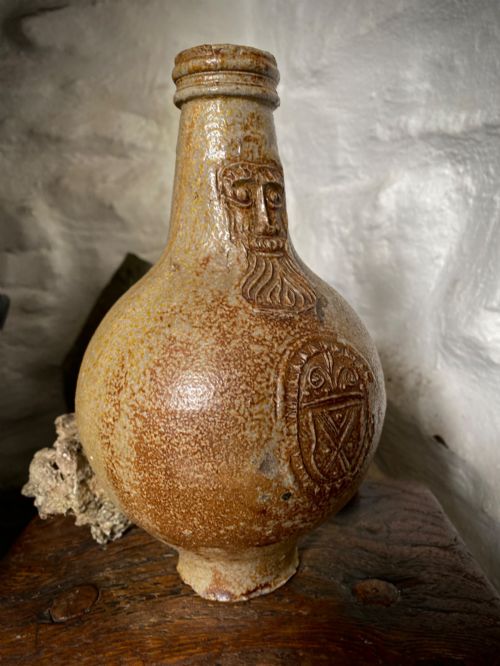
- A traditional German stoneware jug decorated with a bearded mask on the neck, commonly produced from the sixteenth century onwards. These vessels are also frequently referred to as Bellarmine jugs.
- Tyg
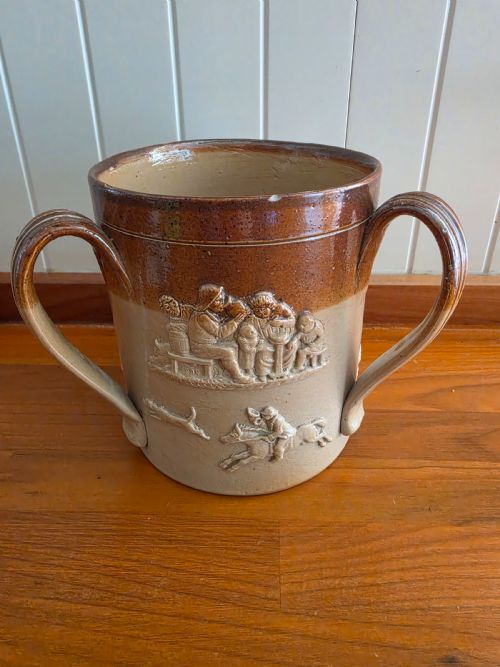
- A traditional multi-handled drinking vessel designed for communal passing around a table. They typically feature three or more loop handles spaced evenly around the body.
Salt Glazed Vessel: Frequently Asked Questions
How do I identify a salt glazed vessel?
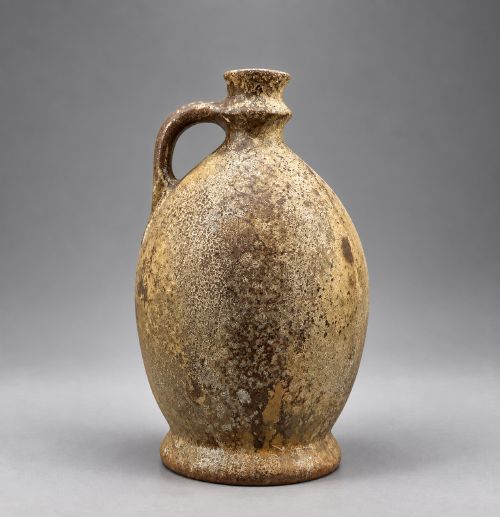
Look closely at the surface texture for a characteristic finish that resembles the skin of an orange, featuring tiny indentations left by the vaporised salt.
This distinct pitting distinguishes salt glaze from smooth modern glazes and provides a tactile indicator of traditional kiln firing.
Were these vessels used for food storage?
Many examples served utilitarian domestic roles, including dairy salting crocks, vinegar barrels, water filter urns, and tavern soup jars.
The dense stoneware material safely held liquids, oils, and foodstuffs without absorbing flavours or leaking over time.
How should I clean a stoneware vessel?
Wash the piece gently using warm water and a mild soap, avoiding harsh abrasive pads that might scratch the historic ceramic body.
Take particular care with pieces featuring applied metal mounts, such as sterling silver collars or hinged lids, keeping moisture away from vulnerable joints.
Can I date a piece by its salt glaze?
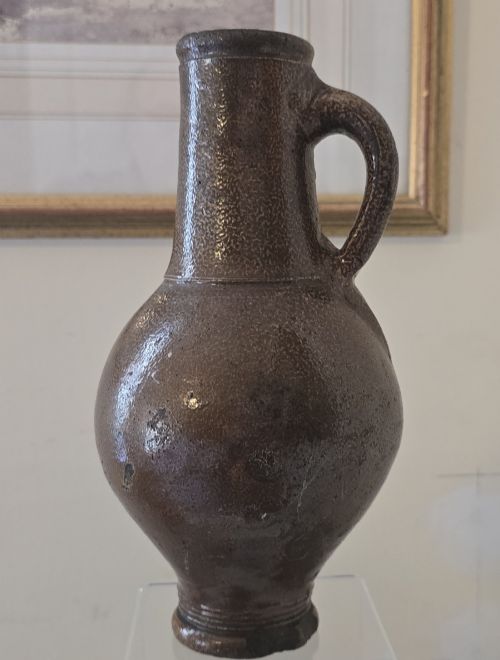
Early continental pieces from German production centres often display grey bodies with blue cobalt decoration or moulded mask adornments.
Later Victorian interpretations, such as those from English potteries, tend to feature richer browns, incised patterns, and factory stamp marks.