



Salt Glazed Ceramic
Salt glazed ceramic items bring enduring tactile weight and historic character to interiors through robust utilitarian forms.
Salt Glazed Ceramic
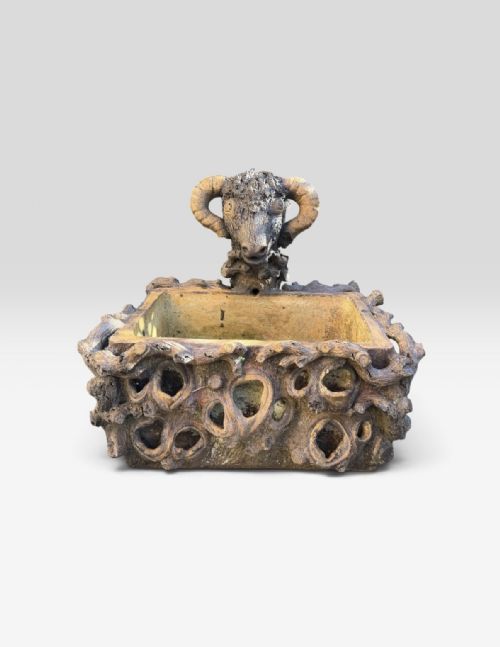
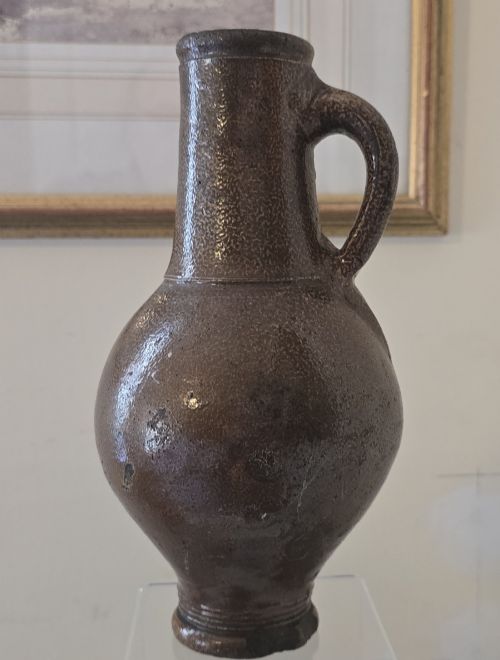
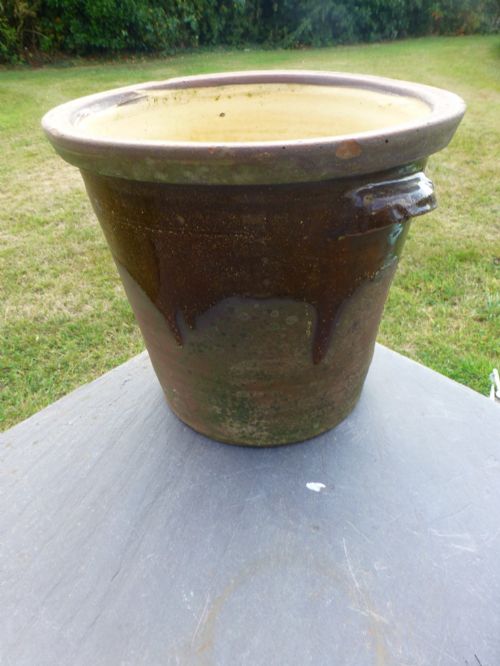
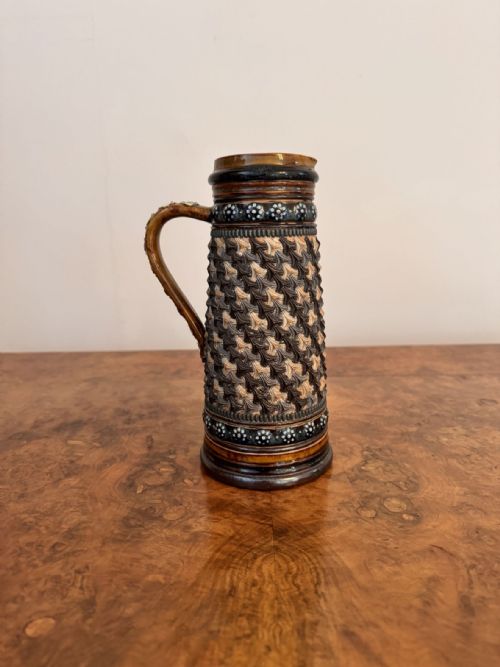
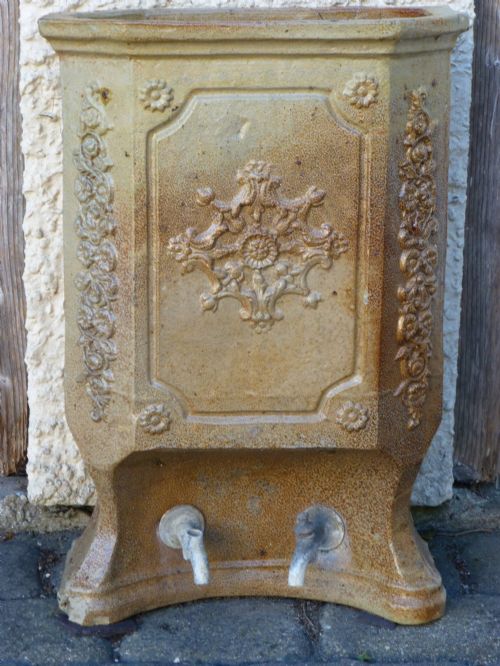
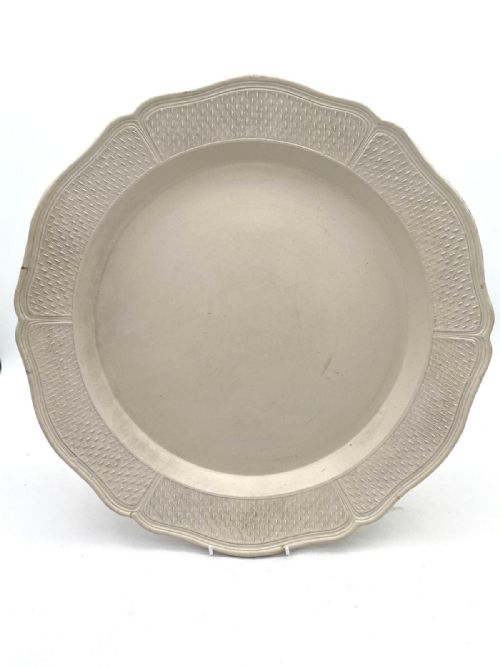
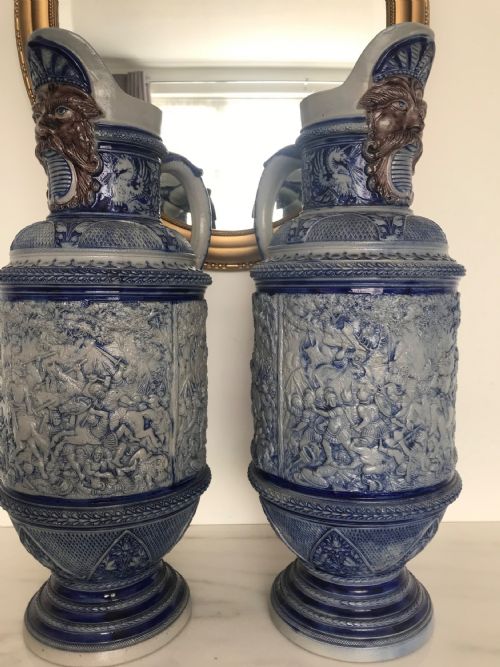
Salt glazed ceramic objects span domestic and decorative vessels produced across the seventeenth, eighteenth, and nineteenth centuries. Jugs, pitchers, water filtration fountains, and dairy salting crocks form the backbone of the selection available on this page.
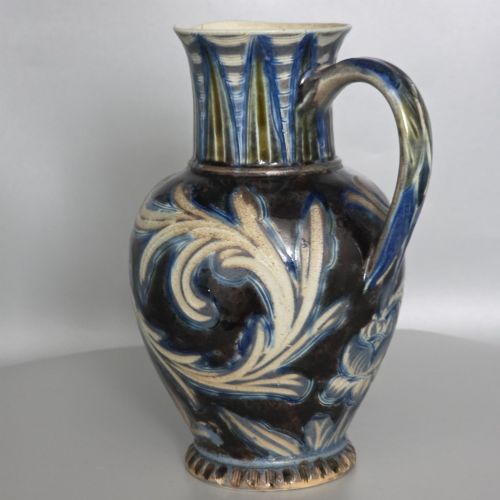
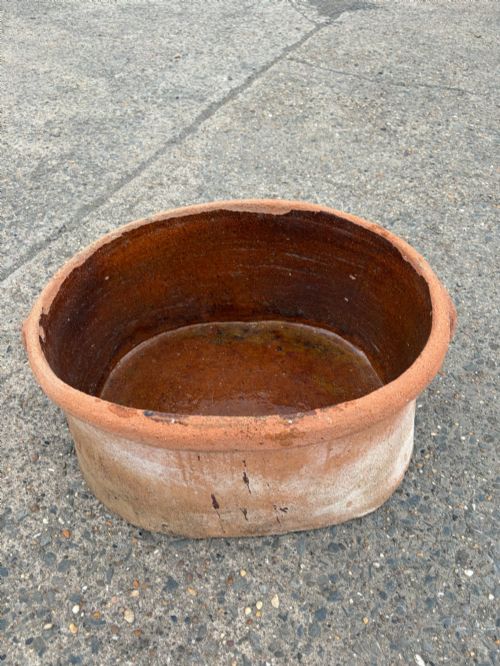
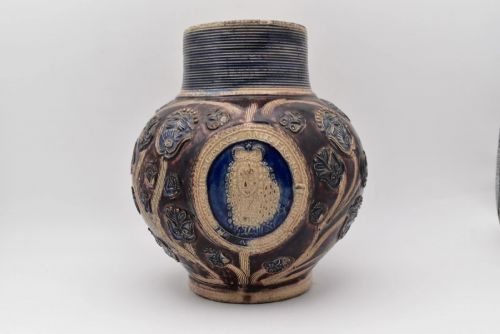
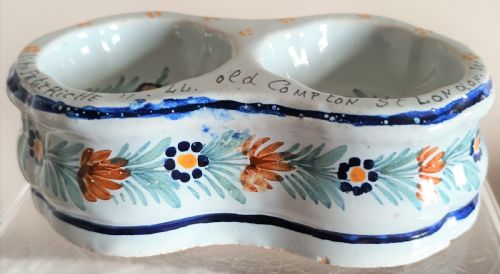
Makers shaped these utilitarian forms from durable stoneware, clay, and terracotta, often enhancing vessels with cobalt blue decoration or sprigged reliefs. Pieces range from German Westerwald tankards and bottles to English Doulton Lambeth ewers and art pottery jugs.
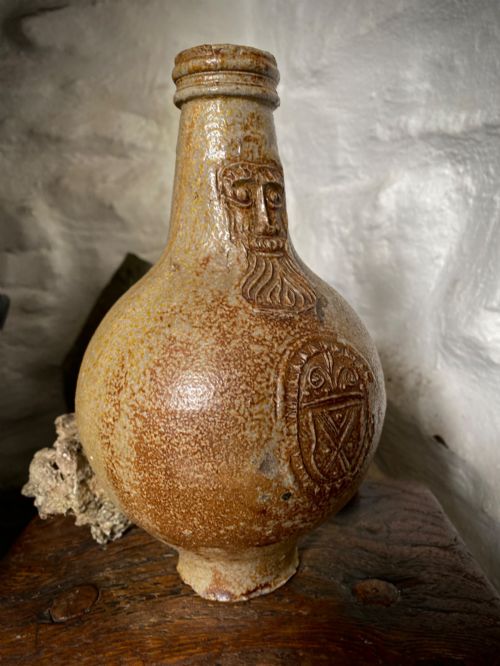
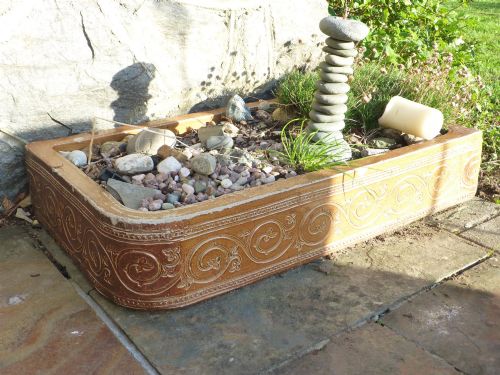
The assortment reaches from early seventeenth-century Fulham pottery bottles bearing historic ciphers to late Victorian jardiniere vessels and planters. Collectors encounter everything from everyday tavern vessels to large exhibition-quality chargers.
Materials and production methods
Potters threw dense stoneware and clay bodies on wheels or formed them in moulds to create vessels capable of holding liquids securely. The addition of common salt thrown into the kiln during high-temperature firing created the characteristic pitted, orange-peel texture on the glaze.
Painters applied cobalt oxide pigments directly onto the clay body before firing to produce vivid blue motifs against grey or brown backgrounds. Artisans also utilised sprig-moulded clay reliefs and incised patterns to enrich the surface detail of harvest jugs and art pottery vases.
Salt Glazed Ceramic Retail Price Guide 2026
Typical asking prices for salt glazed ceramic among the pieces listed under this phrase on Sellingantiques today, from the lower quarter to the upper quarter. They describe what is for sale here now, not the wider market.
Listings feature salt glazed ceramic pieces spanning the 17th, 18th, and 19th centuries, utilising stoneware, terracotta, and clay.
Distinctions in quality and execution
Quality rests upon the crispness of incised decoration, the control of cobalt painting, and the evenness of the salt-glazed surface. Pieces bearing named studio artists or recognised factory stamps demonstrate superior technical execution compared to unmarked utilitarian wares.
The clarity of sprigged medallions, heraldic ciphers, and portraits distinguishes standard production pieces from exhibition-grade outputs. Additionally, the survival of original silver mounts, rims, or lids alters the desirability and completeness of domestic drinking vessels.
John Dwight Fulham Pottery·Doulton Lambeth·Simon Peter Gerz·Dee Filter Company·HB Quimper
The Salt Glazed Ceramic Glossary
- Salt glaze
- A vitreous coating formed on stoneware by introducing common salt into the kiln during the high-temperature firing process. This reaction creates a distinctive textured surface resembling orange peel.
- Stoneware
- A dense, hard ceramic fired at high temperatures until the clay body vitrifies and becomes completely non-porous. It provides exceptional durability for liquid storage vessels.
- Cobalt
- A metallic oxide pigment utilised under the glaze to impart a deep blue coloration to pottery. It remains stable at extreme kiln temperatures.
- Tyg
- A large drinking vessel featuring three or more handles designed for communal passing around a table. These pieces frequently appear in seventeenth and eighteenth-century contexts.
- Sprigged
- A decorative technique involving separately moulded clay reliefs applied to the wet surface of a vessel before glazing and firing. This method adds raised pictorial detail without throwing extra weight into the wall.
Salt Glazed Ceramic: Frequently Asked Questions
What is salt glazed ceramic?
Salt glazed ceramic refers to stoneware pottery fired with salt introduced directly into the kiln chambers. The chemical reaction between the salt and silica in the clay produces a durable, glossy surface with a pitted texture.
This method was widely adopted for storage and drinking vessels because the resulting finish resisted acids and held liquids safely without additional interior treatments.
How were these jugs used historically?
Historical salt glazed vessels served primarily practical roles in domestic, tavern, and dairy environments. They stored ale, wine, water, and preserved foodstuffs in large salting crocks.
Filtered water vessels and pitchers also met daily sanitation needs before modern plumbing, while smaller puzzle jugs and tankards provided communal entertainment in taverns.
How do I date a piece?
Dating relies upon stylistic markers, factory stamps, and specific historical ciphers stamped into the clay body. Pieces bearing royal ciphers like GR or specific monarch jubilees provide firm chronological anchors.
Changes in decorative styles, moving from German baroque and Westerwald cobalt motifs to Victorian art pottery and incised floral designs, further clarify the period of manufacture.
How do I live with salt glazed ceramics?
Living with these pieces involves integrating robust historic textures into contemporary kitchen, dining, and living spaces. Large crocks and planters function well as architectural plant holders or umbrella stands.
Displaying jugs and pitchers on open shelving or tables allows their historic cobalt decoration and orange-peel surfaces to catch ambient light.