



Sailor Folk Art Carving
Sailor folk art carving pieces are tangible pieces of maritime history created by sailors at sea, offering authentic handcrafted character that collectors treasure.
Sailor Folk Art Carving
When you search for sailor folk art carving, you encounter objects shaped by hands far from land during long voyages. The pieces on this page span the nineteenth century, nineteen-ten, nineteen-twenty, nineteen-thirty, and the Georgian era.
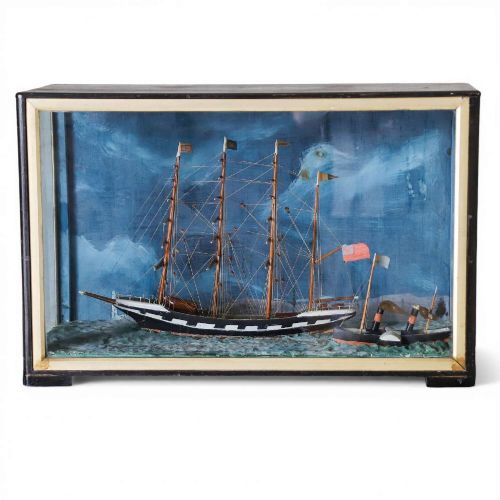
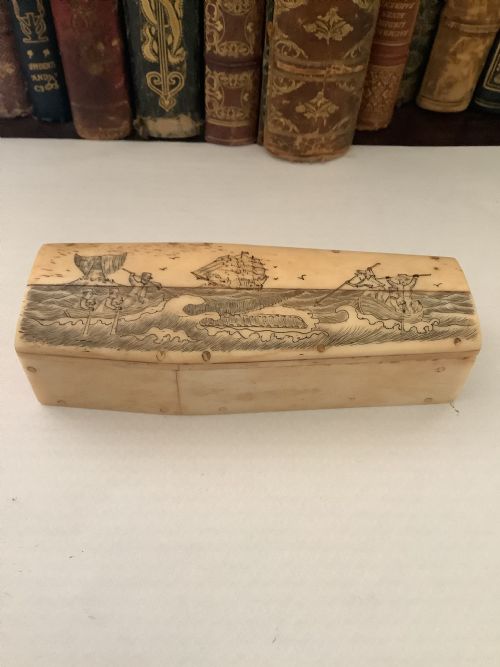
The forms vary widely across the listings, taking the shape of decorative objects, maritime collectables, decorative boxes, and maritime shadow boxes. You will also find walking sticks and canes, decorative models, decorative flasks, and drinking vessels.
Maritime folk art and nautical folk art dominate the styles, alongside nineteenth-century folk art, Victorian maritime folk art, and Georgian examples. These items reflect the everyday creativity and resourcefulness of mariners aboard ship.
Materials and construction
Makers utilised available onboard materials such as wood, bone, whalebone, and coconut shell. Pigment and paint often highlight details, while glass and metal appear in specific constructions.
Carvers shaped bone and whalebone into walking sticks and memento mori, and hollowed out coconut shells to create flasks and drinking vessels. Others built naive scratch-built ships and intricate dioramas.
Sailor Folk Art Carving Retail Price Guide 2026
Typical asking prices for sailor folk art carving among the pieces listed under this phrase on Sellingantiques today, from the lower quarter to the upper quarter. They describe what is for sale here now, not the wider market.
A sailor signalman whirligig waits on deck, ready to spin at the slightest gust of wind.
Assessing quality and craftsmanship
The distinction between ordinary and exceptional pieces lies in the precision of the carving and the complexity of the form. Finer examples display intricate detail in carved bone or well-proportioned model ships within bottles and dioramas.
The Sailor Folk Art Carving Glossary
- Fid
- A conical wooden tool used by sailors for splicing ropes. Examples are sometimes carved from wood or rosewood.
- Memento mori
- An artistic reminder of mortality. These carved bone objects reflect reflections on death common in historical periods.
- Whalebone
- Baleen or bone derived from whales, utilised by sailors for crafting durable walking sticks and practical items.
- Bug bear flask
- A carved drinking vessel fashioned from a coconut shell, often featuring detailed engraved decoration.
- Whirligig
- A wind-driven toy or signalman that moves in the breeze, representing a lighter side of folk art.
Sailor Folk Art Carving: Frequently Asked Questions
How were walking sticks made?
Sailors carved walking sticks from whalebone and wood using simple pocket knives and crude tools available on board. The shafts often feature intricate geometric patterns or scrimshaw work.
Survival at sea required patience, and these canes demonstrate the extensive hours spent whiling away calm days.
What are bug bear flasks?
Bug bear flasks are drinking vessels and containers carved from coconut shells. Sailors smoothed and engraved the hard shells with faces, patterns, or maritime scenes.
These flasks served as personal drinking vessels or decorative items during long voyages and remain highly collectible today.
How do I date these carvings?
Dating relies on material analysis, style, and documented periods such as the nineteenth century or Georgian era. The tools and techniques visible in the carving often point to specific decades.
Comparing construction methods with dated examples helps establish the approximate origin of unlabelled pieces.
Where did sailors find materials?
Makers gathered materials from their immediate surroundings on the ship or at ports of call. Whalebone came from whaling expeditions, while coconuts were acquired in tropical regions.
Pigment, paint, and scrap metal were salvaged from shipboard stores to finish the decorative objects.