



Nineteenth Century Bone Box
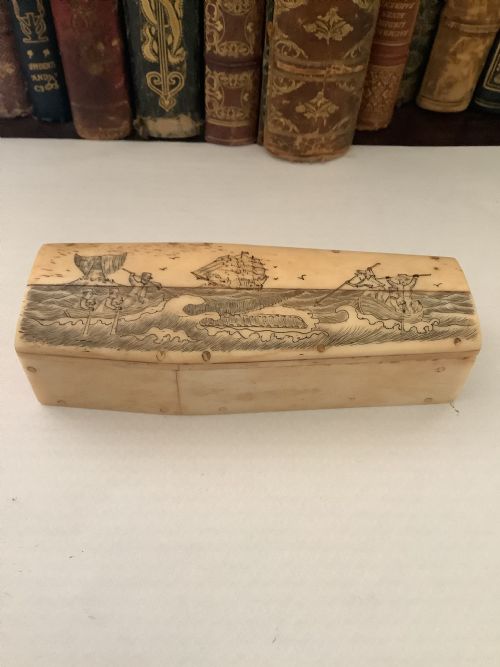
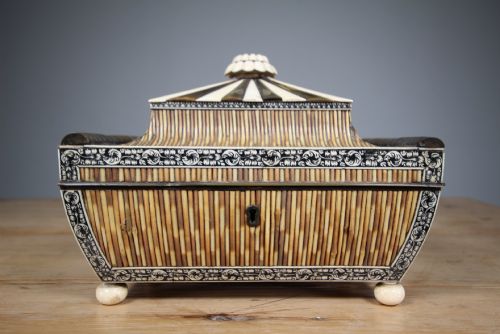
These nineteenth century bone box examples are small containers fashioned from worked animal skeletal material, offering a tactile glimpse into historical domestic storage.
Nineteenth Century Bone Box
A nineteenth century bone box encompasses various small containers fashioned during the period from worked animal skeletal material, often incorporating wood or metal elements. Buyers searching for a nineteenth century bone box will encounter items ranging from simple utilitarian snuff boxes to decorative memento mori objects and parlour game sets.
The pieces listed on this page span several stylistic categories including Victorian, Regency, and Anglo-Indian designs. Forms vary from miniature boxes to larger writing slopes and sewing boxes created across the nineteenth century.
Origins represented in the evidence include English, French, and Anglo-Indian workshops, reflecting diverse regional manufacturing traditions. Collectors often find these items alongside related wooden and quill-work pieces from the same eras.
Materials and construction
Construction relies primarily on bone and wood, with rosewood, sandalwood, and fruitwood frequently providing the main body or structural veneer. Artisans shaped these materials using hand tools to create fitted lids, panels, and internal compartments.
Surface ornamentation often involves detailed carving, incising, or inlay work using contrasting substances such as brass, pigment, and porcupine quill. These decorative techniques demand steady handwork to achieve flush, secure joints and patterns.
Nineteenth Century Bone Box Retail Price Guide 2026
Typical asking prices for nineteenth century bone box among the pieces listed under this phrase on Sellingantiques today, from the lower quarter to the upper quarter. They describe what is for sale here now, not the wider market.
Current site listings combine bone items with rosewood, sandalwood, and porcupine quill across Victorian and Regency periods.
Assessing craftsmanship and finish
Quality reveals itself in the precision of the carving and the tightness of the joinery where bone plates meet wooden frames. Finer examples display crisp detail in sculptural elements and smooth integration of contrasting inlay materials.
The choice of secondary woods and the condition of internal compartments distinguish higher-tier workshop output from simpler folk artefacts. Superior pieces maintain structural integrity alongside well-preserved surface textures and original hardware.
The Nineteenth Century Bone Box Glossary
- Bone inlay
- Pieces of animal bone set flush into a wooden surface to create geometric or figurative patterns. This technique requires meticulous fitting to ensure the materials expand and contract harmoniously.
- Writing slope
- A portable desk featuring a slanted lid designed for correspondence. These containers typically open to reveal internal storage for ink, pens, and paper.
- Memento mori
- An artistic or symbolic reminder of the inevitability of death. In box form, these objects often feature carved skulls or skeletal motifs.
- Treen
- Small handmade wooden household objects. The term encompasses utilitarian items shaped by turners and woodworkers.
- Sarcophagus
- A box shape characterised by a sloping, pedestal-based form resembling an antique stone coffin. This profile was particularly popular during the Regency period.
Nineteenth Century Bone Box: Frequently Asked Questions
What were bone boxes used for?
These containers served various daily purposes ranging from holding personal tobacco to storing writing materials and gaming pieces. Their compact size kept precious items secure on dressing tables and desks.
Many examples functioned as decorative ornaments within nineteenth century parlours, reflecting the owner's taste and the maker's skill.
How do I care for antique bone?
Keep these items away from direct sunlight and sources of extreme heat to prevent the material from drying out and cracking. Maintain a stable indoor humidity level.
Dust gently with a soft, dry cloth and avoid using liquid cleaners, oils, or modern polishes that can penetrate unsealed surfaces.
How can I tell the period?
Dating relies on examining the construction methods, fastener types, and characteristic stylistic motifs of specific eras like Regency or Victorian. Wood choices and decorative patterns often align with known manufacturing decades.
Comparing the object's hardware, such as hinges and locks, against established historical timelines provides further chronological clues.
Where were these boxes made?
Production occurred across European workshops in England and France, as well as in Anglo-Indian centres influenced by colonial trade. Each region developed distinct preferences for specific woods and decorative motifs.
Materials like sandalwood and porcupine quill point directly to Anglo-Indian craftsmanship, while fruitwood and rosewood frequently indicate European origins.