






Sail Boat Canvas Art
Sail boat canvas art captures the historic movement of maritime vessels through enduring oil paint upon textured fabric.
Sail Boat Canvas Art
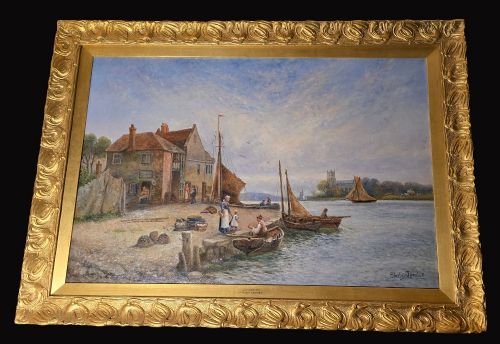
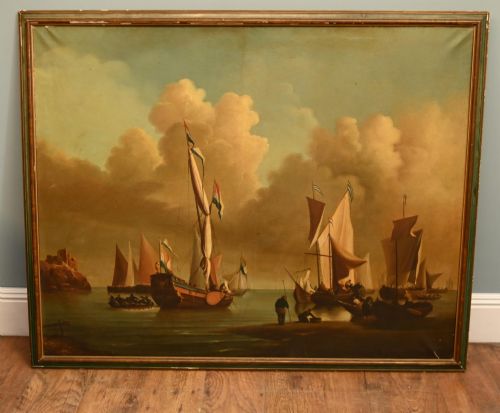
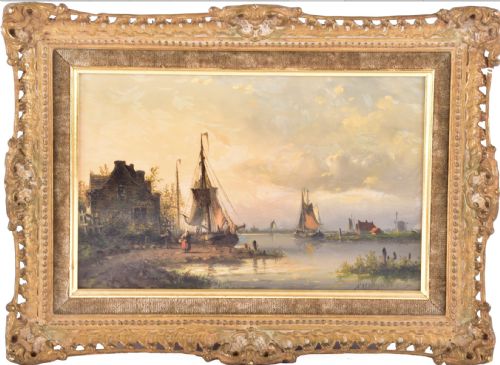
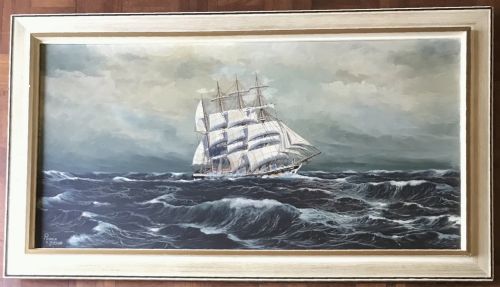
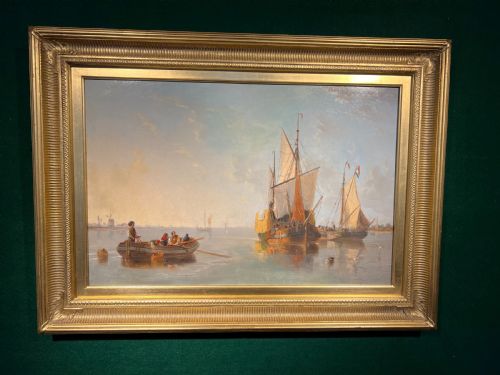
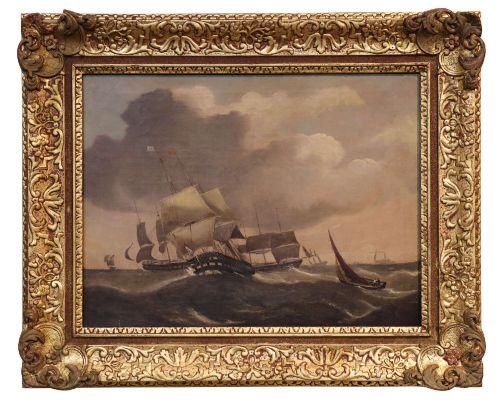
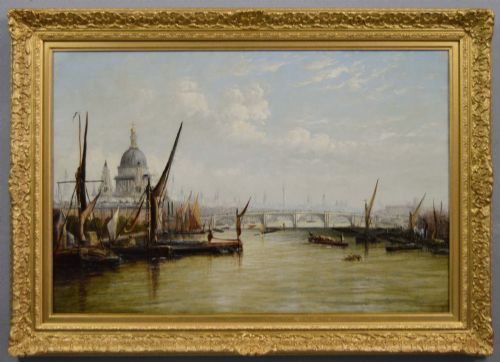
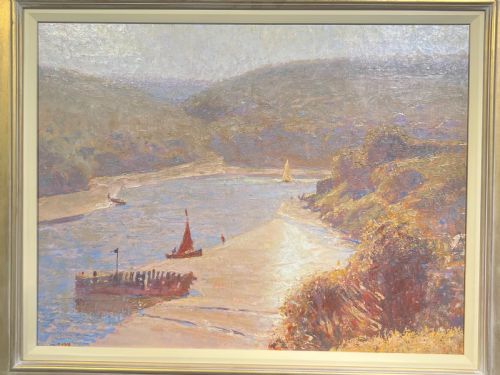
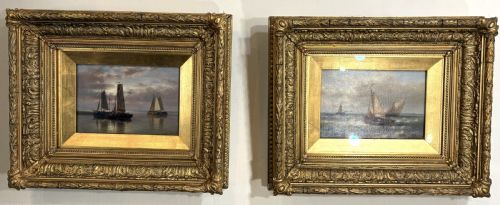
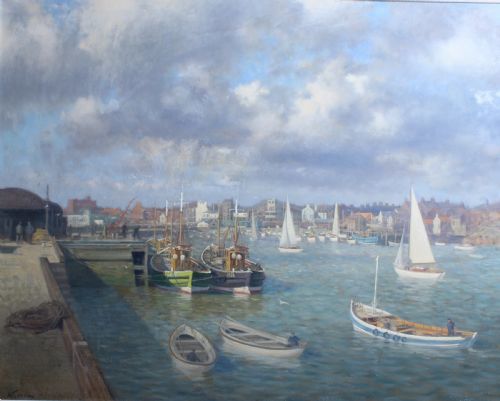
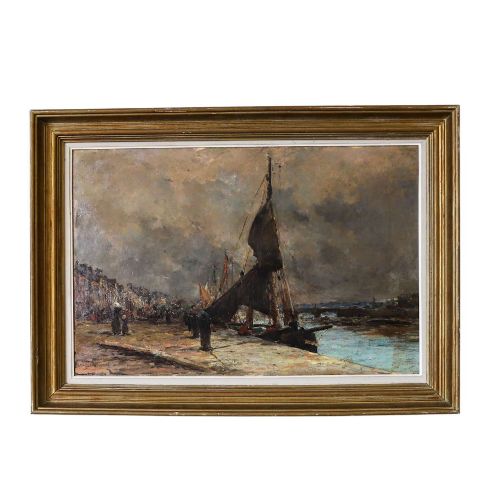
When you search for sail boat canvas art, you encounter historical oil paintings centred on maritime life, shipping vessels, and coastal harbours. The selection spans distinct periods including the Georgian and Victorian eras, alongside 19th-century Dutch romanticism and mid-20th-century impressionism.
The subjects range from storm-tossed three-masted schooners and naval galleons to calm river scenes with Thames barges and fishing boats heading out to sea. Works appear both unframed and housed within traditional gilt wood frames that complement the canvas surface.
You meet pieces originating from various European schools, featuring French coastal towns, Dutch shores, and British ports. Each painting records the changing moods of the sea through layered pigments applied directly to stretched cloth.
How they were made
These works rely fundamentally upon oil paint applied to woven canvas supports stretched across rigid wooden frames. Artists built texture using impasto techniques alongside smooth glazing to render water, sky, and vessel rigging.
Many historical examples are housed within original giltwood frames, carved and gilded to enclose the painting securely. The combination of organic plant fibres in the canvas and slow-drying oil mediums ensures the longevity of these marine scenes.
Sail Boat Canvas Art Retail Price Guide 2026
Typical asking prices for sail boat canvas art among the pieces listed under this phrase on Sellingantiques today, from the lower quarter to the upper quarter. They describe what is for sale here now, not the wider market.
Listings feature oil on canvas works spanning from the 18th century through the 1960s, encompassing British Impressionism and Dutch Romanticism.
What varies in quality
The distinction between ordinary and exceptional works rests on the artist's command of light, shadow, and atmospheric perspective over the open water. Superior pieces demonstrate precise observation of maritime rigging and hull construction combined with confident brushwork.
Condition plays a central role, distinguishing works retaining original stretchers and stable paint layers from those requiring extensive conservation. The quality of the accompanying gilt wood frame and the presence of a clear signature or attribution further elevate the standing of a painting.
Nicolaas Martinus Wijdoogen·Hans Harlander·Francis Moltino·John Wilson Carmichael·Abraham Hulk I·Elisabeth Bardon·Charles Napier Hemy·Edward Henry Eugene Fletcher·George Shaw·Edward Seago·Stephen J. Renard·Alfred Henry Vickers·George Henry Knight·John Callow·Edward Henry Holder·Frank Myers Boggs·William Edward Webb
The Sail Boat Canvas Art Glossary
- Canvas
- A heavy woven fabric typically made from hemp or flax that serves as the primary support surface for oil paintings. Artists prepare the material with a size and ground before applying pigments.
- Giltwood
- Wood, such as pine or oak, coated with a thin layer of gold leaf or gilt powder over a prepared gesso base. This material forms the ornate frames frequently surrounding 19th-century marine art.
- Impasto
- A technique where paint is laid onto a canvas in very thick applications, standing visibly above the surface. This method allows the artist to capture the physical texture of crashing waves or billowing sails.
- Seascape
- A work of art depicting the sea, ships, coastal views, or naval engagements. These compositions form the core of maritime painting traditions across European schools.
- Stretcher
- The internal wooden frame over which the canvas is pulled tight and secured with tacks. Original stretchers help confirm the age and integrity of a historic painting.
Sail Boat Canvas Art: Frequently Asked Questions
How do I date a sail boat canvas art painting?
Dating relies on examining the style of the vessel, the construction of the wooden stretcher behind the canvas, and any artist signatures or dates recorded on the surface.
Clothing styles of figures on the shore or deck also help narrow the period to specific decades such as the Victorian era or the mid-20th century.
Are these paintings original or reproductions?
The works listed are original hand-painted oil paintings created on canvas by period artists rather than modern printed reproductions.
Close inspection reveals brush texture, the weave of the fabric, and the natural craquelure developed in aged oil paint over time.
How should I care for an antique oil painting?
Keep the canvas away from direct sunlight, extreme temperature fluctuations, and high humidity to prevent the paint from cracking or the wood from warping.
Dust the surface and the surrounding gilt wood frame gently with a dry, soft brush without applying liquid cleaners directly to the paint layer.
What subjects are common in maritime art?
Common subjects include bustling harbour scenes, fishing boats navigating choppy coastal waters, and merchant vessels at sea.
Works also depict specific historic events, naval engagements involving galleons, and calm river landscapes featuring traditional sailing barges.