
Rustic Wooden Wardrobe
A rustic wooden wardrobe brings honest timber, generous proportions and hard-working storage straight into a bedroom.
Rustic Wooden Wardrobe
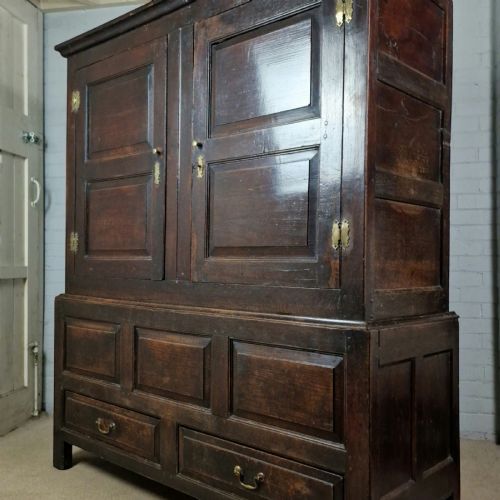
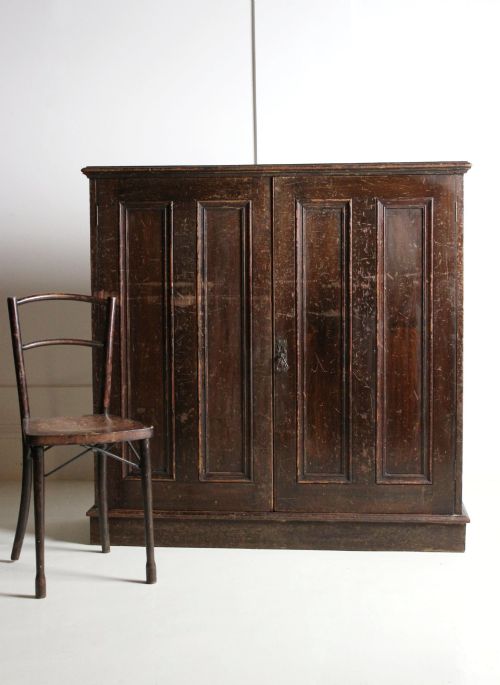
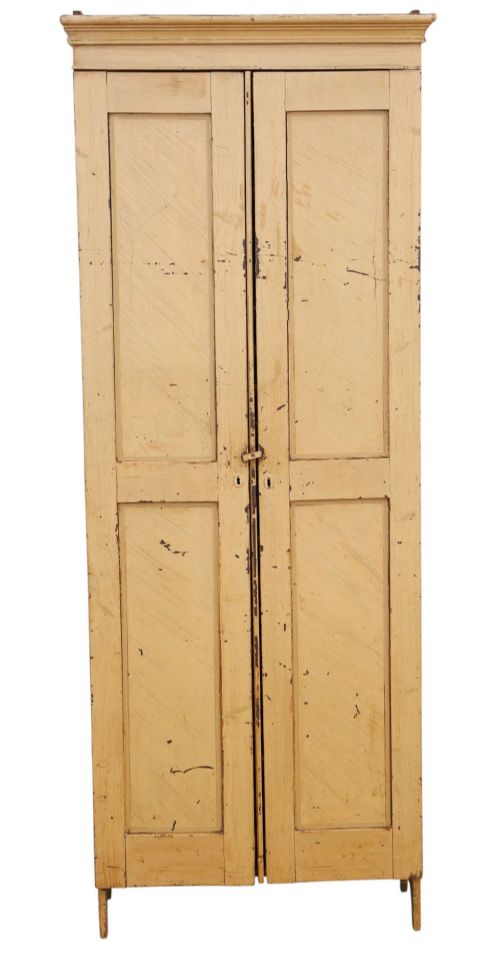
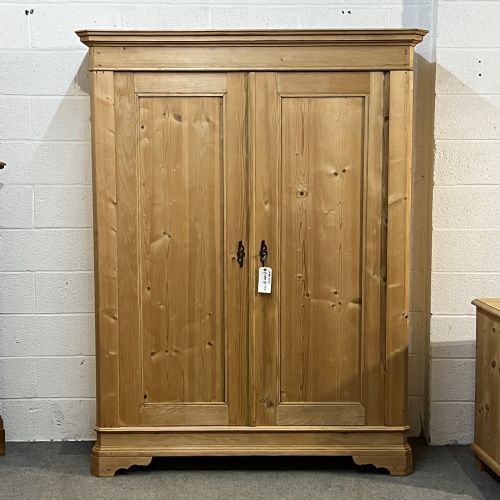
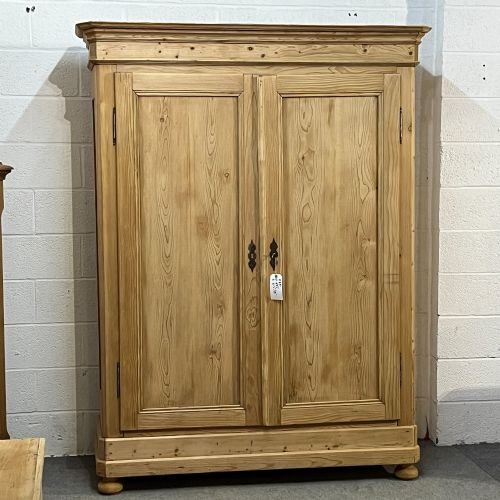
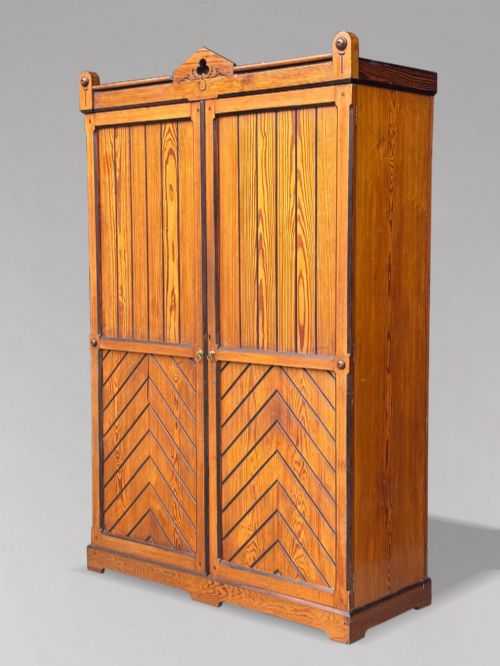
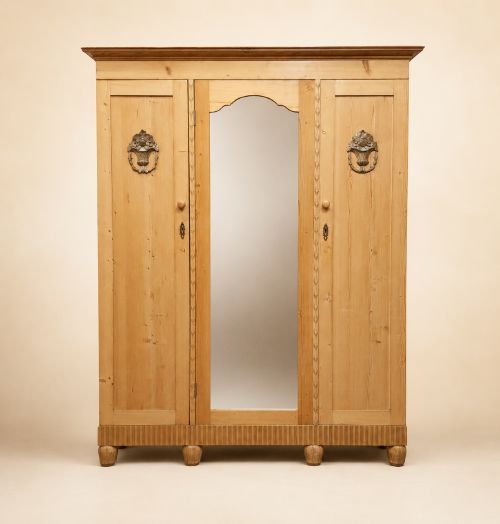
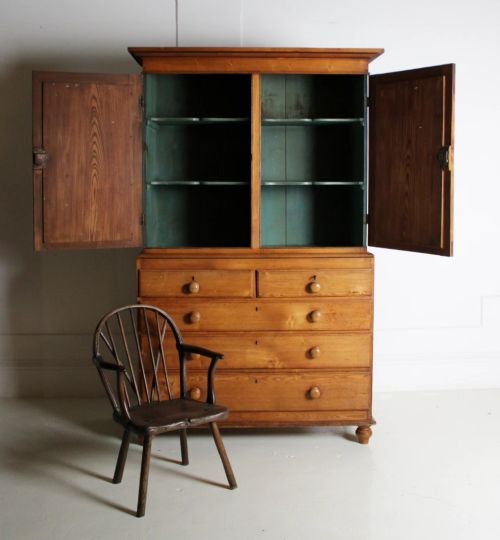
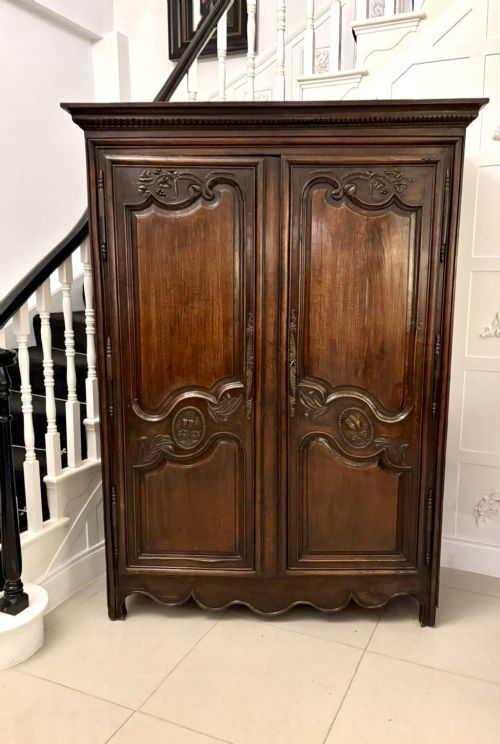
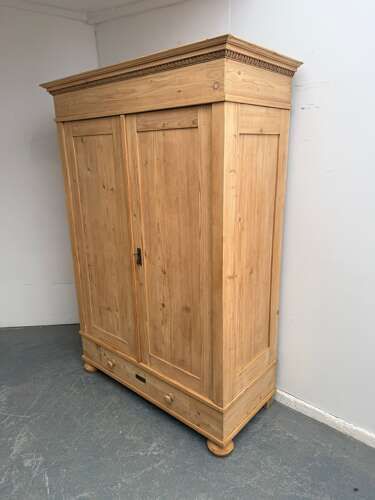
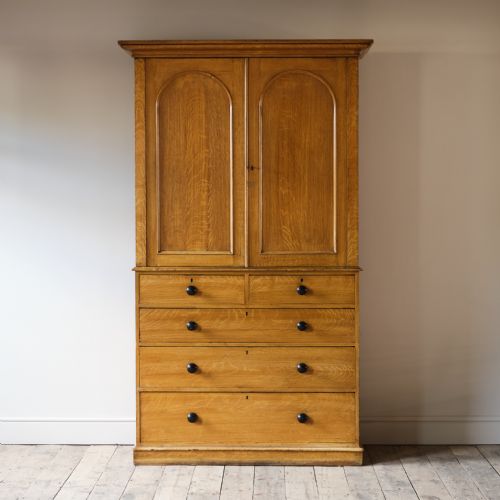
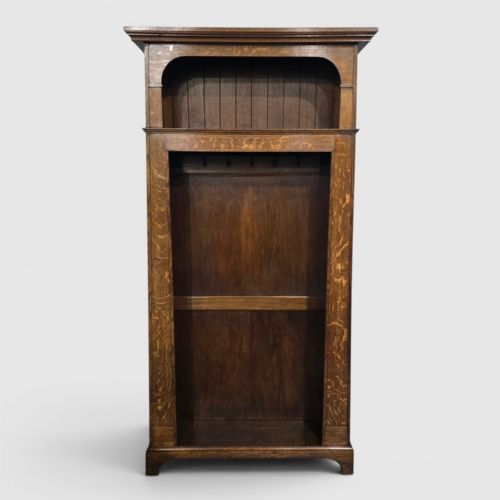
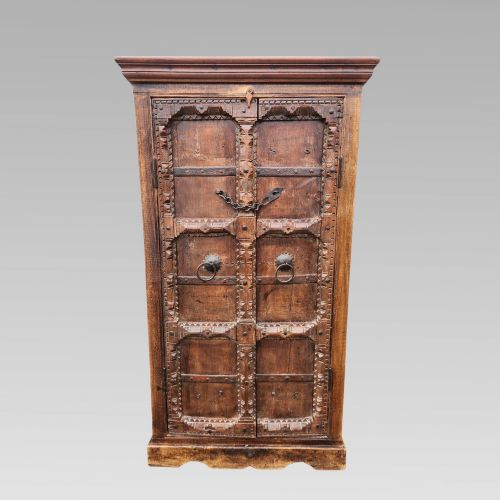
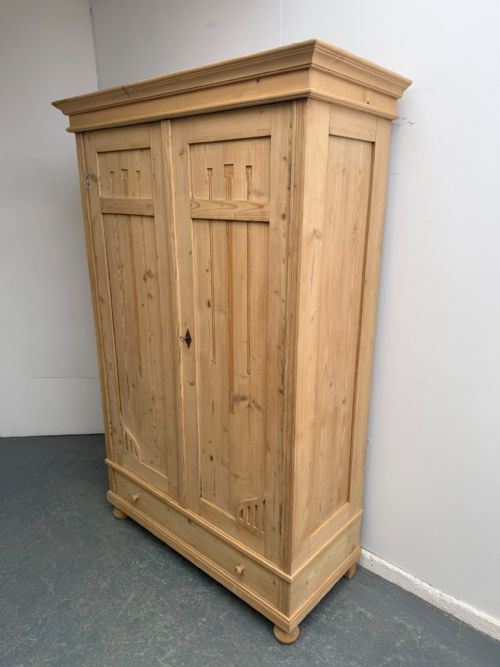
A rustic wooden wardrobe provides substantial hanging space and internal shelving, taking the form of large double wardrobes, tall narrow cupboards, linen presses and hall robes. These pieces span centuries of rural craftsmanship, originating from British country houses, French provinces, Scandinavian farmsteads, Hungarian villages and Indian workshops.
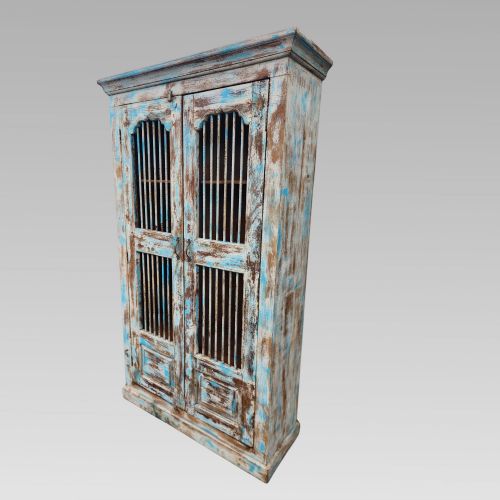
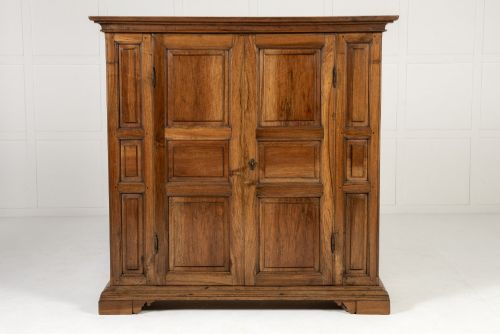
The selection here draws heavily on nineteenth-century vernacular pieces alongside earlier Georgian and seventeenth-century examples, complemented by later Indian reclaimed timber designs. Pine, oak and teak dominate the structural forms, often finished in original paint, layered wax or stripped timber surfaces.
Buyers encounter everything from simple single-door storage cupboards to massive knockdown wardrobes designed to dismantle for transport. Regional styles range from French provincial armoires to Scottish arts and crafts designs and Italian marriage cupboards.
Materials and construction methods
Solid softwoods and hardwoods form the core of these pieces, with pine, oak, teak and walnut providing the structural integrity needed for heavy domestic use. Carpenters utilised traditional joinery techniques, building large carcasses with panelled doors, pegged joints and clever knockdown frameworks.
Metal hardware plays an essential functional and decorative role, incorporating iron hinges, brass fittings and occasionally metal binding to reinforce the timber. Many surfaces retain their original paint finishes, distressed blue or cream coats, or historical wax applications developed through generations of care.
Several heavy pine wardrobes feature clever knockdown engineering, proving that flat-pack convenience was mastered centuries before modern warehouses existed.
Factors that define quality
The integrity of the original timber and the cleverness of the structural joinery separate standard utility cupboards from exceptional examples. Pieces retaining untouched original paint surfaces or honest period hardware command greater interest than those stripped or altered heavily over time.
Proportion and scale dictate the visual weight of the piece, with well-balanced cornices, sturdy feet and smooth-operating doors reflecting superior regional workshop traditions. The presence of functional internal elements, such as original shelves, hanging rails or linen presses, preserves the intended utility of the design.
The Rustic Wooden Wardrobe Glossary
- Knockdown wardrobe
- A large piece of furniture engineered to be disassembled into flat panels and main sections for ease of movement between rooms.
- Linen press
- A tall storage cupboard featuring upper shelving or hanging space combined with lower drawers specifically designed for household textiles.
- Armoire
- A large freestanding cupboard with doors, originating in continental Europe and traditionally utilised for storing garments or linens.
- Marriage cupboard
- A decorative regional cabinet traditionally commissioned or gifted to celebrate a wedding, often featuring distinctive painted panels.
- Livery cupboard
- An early form of ventilated storage cabinet originally used to store food or clothing in grand domestic settings.
Rustic Wooden Wardrobe: Frequently Asked Questions
How do I assemble a knockdown wardrobe?
Many large period wardrobes were built to dismantle into individual panels, cornices, bases and doors so they could navigate tight stairwells and narrow farmhouse doorways. Assembly typically involves interlocking wooden tenons, wedges or internal iron bolts that secure the frame without permanent glue.
Taking time to align the panels correctly ensures the doors hang square and shut evenly against the doorframe once fully secured.
Should I wax or paint my pine wardrobe?
Deciding whether to strip, wax or paint depends entirely on the current finish and the historical integrity of the piece. Many nineteenth-century country pieces survive in original paintwork or layered historical colours that tell a rich visual story and should be preserved.
If the timber is bare or previously stripped, applying a traditional beeswax feed nourishes the grain and develops a warm, protective sheen over decades of use.
What is the difference between a wardrobe and a linen press?
A wardrobe is primarily dedicated to hanging garments, featuring an internal rail or hooks spanning the height of the main compartment. A linen press traditionally combines deep shelving compartments above with a bank of wide drawers below, built specifically for folded linens and textiles.
Many pieces listed under these search terms blur the distinction, having been adapted internally over the centuries to suit modern clothing storage needs.
How do I date a rustic wooden wardrobe?
Dating requires looking closely at tool marks, construction methods, hardware and timber selection rather than relying on a simple label. Hand-sawn boards, forged iron hinges, pegged joints and specific regional proportions often point towards seventeenth-century or Georgian origins, while later nineteenth-century pieces show early machine-sawn elements.
Comparing the decorative vocabulary, such as arts and crafts motifs or provincial mouldings, helps place the piece within its specific stylistic era.