




Rustic Wooden Vessel
A rustic wooden vessel brings raw, tactile history into a room, offering functional utility carved from timber across past centuries.
Rustic Wooden Vessel
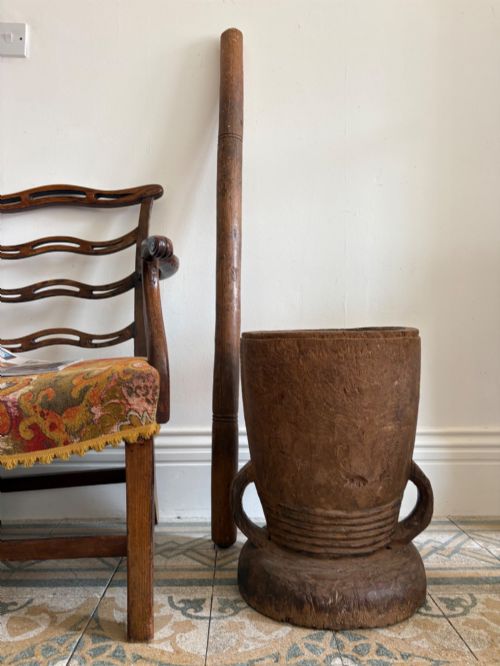
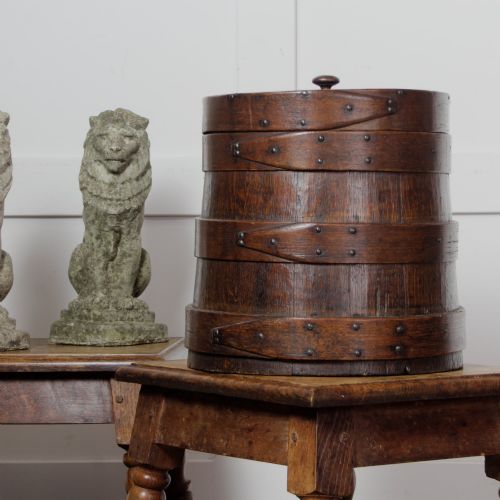
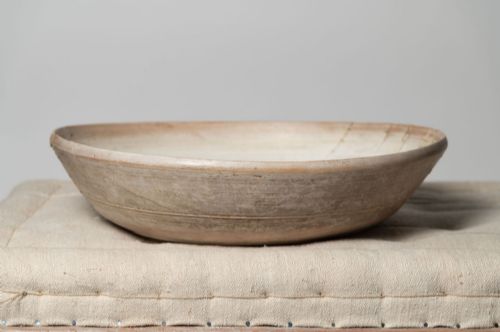
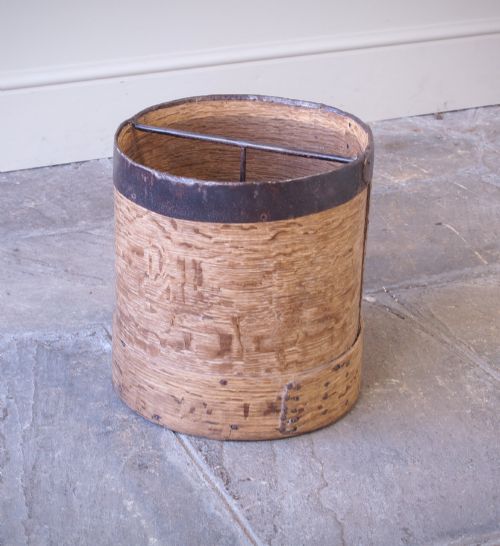
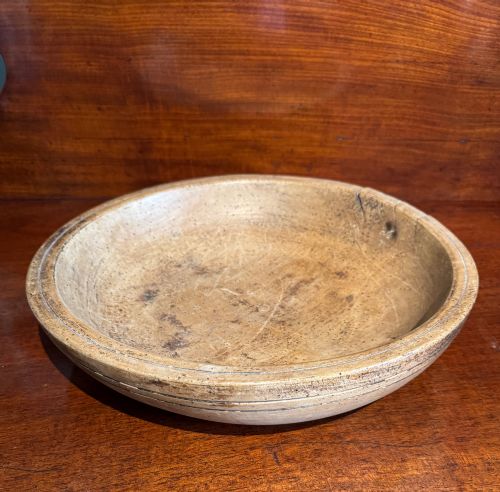
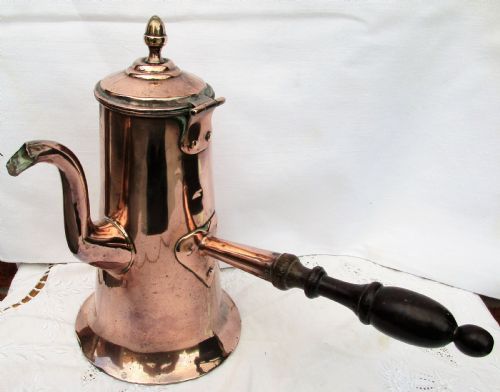
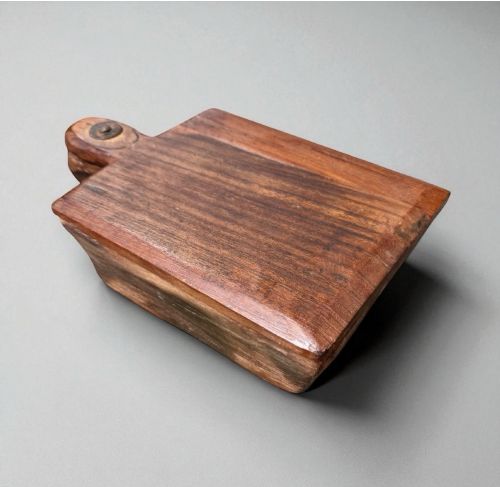
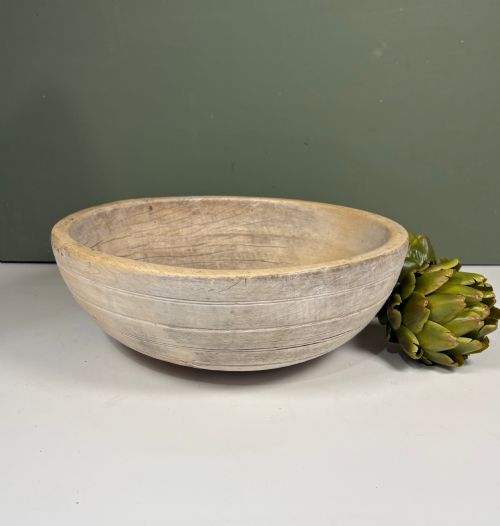
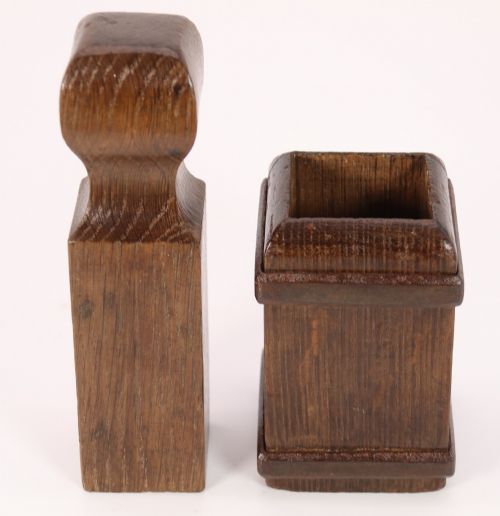
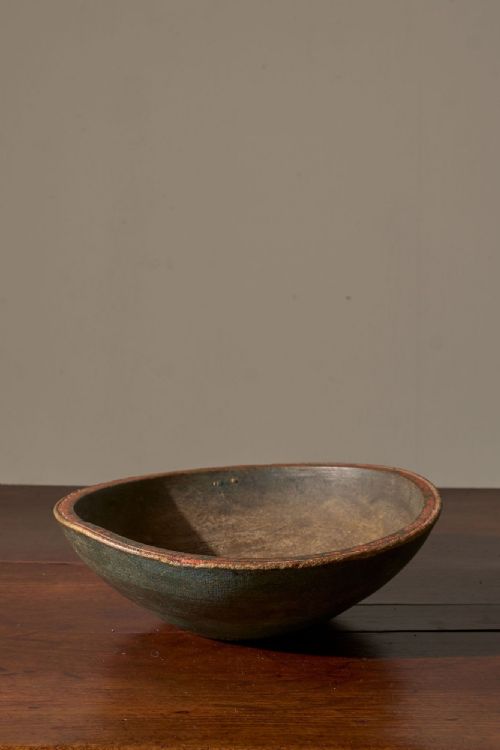
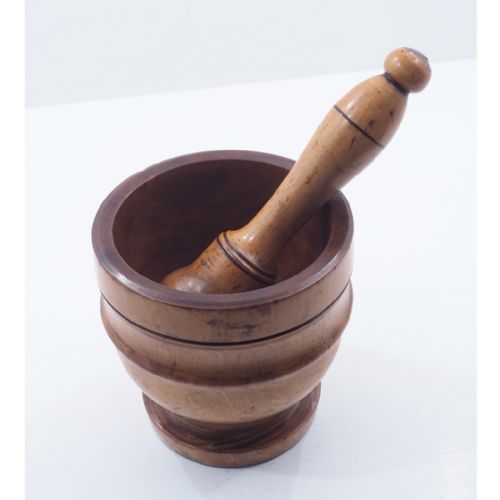
A rustic wooden vessel encompasses utilitarian containers shaped from timber, spanning categories such as dairy bowls, grain bins, storage barrels, and carved mortars. These pieces originate from domestic, agricultural, and trade contexts across the eighteenth, nineteenth, and early twentieth centuries.
The selection on this page relies heavily on nineteenth-century examples, alongside eighteenth-century items and early twentieth-century pieces. Common regional forms include Scandinavian dairy bowls, French grain measures, and English well buckets.
Buyers encounter items fashioned for specific domestic tasks, including butter tubs, apothecary crushers, and truffle collecting trugs. Each object reflects the agrarian and utilitarian demands of its period of origin.
Materials and construction methods
Constructed primarily from domestic hardwoods and softwoods such as oak, sycamore, pine, elm, and olive wood, these objects utilise the timber available to local turners and coopers. Artisans shaped these materials using hand tools, turning green wood on lathes or hollowing out single tree trunks.
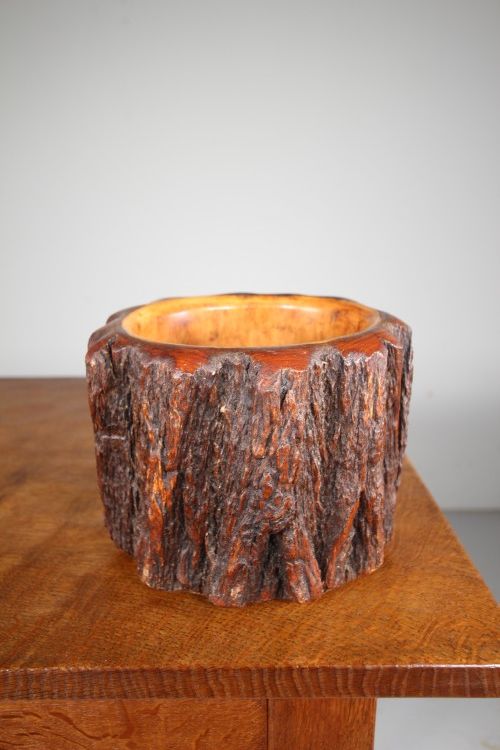
Techniques varied by function, dividing into coopered vessels assembled from staves bound with iron or brass hoops, and dug-out vessels carved directly from solid logs. Surfaces often show the tool marks of adzes, gouges, and chisels, leaving a direct record of the maker's hand.
Listings span the eighteenth, nineteenth, and early twentieth centuries, incorporating oak, sycamore, pine, and wrought iron.
Quality and character in timber pieces
Quality rests upon the integrity of the original construction, the honesty of the surface wear, and the balance of the proportions. Examples that retain their original metal bands, uncompromised timber surfaces, and clear tool marks stand apart from heavily restored or altered items.
The depth of the patina develops from decades of handling, exposure, and natural use, marking the transition from working tool to decorative object. Pieces that retain traces of early paint or natural wax finishes demonstrate a superior visual presence compared to stripped or over-cleaned surfaces.
The Rustic Wooden Vessel Glossary
- Coopered
- A method of construction where tapered wooden staves are joined side by side and secured with metal or wooden hoops to form a watertight container.
- Treen
- Small handmade wooden domestic utensils and objects, prized by collectors for their tactile qualities and simple forms.
- Dairy bowl
- A wide, shallow wooden basin utilised in traditional dairies for setting milk and skimming cream.
- Searce
- A fine sifting or straining vessel used in domestic food preparation or pharmacy.
- Patina
- The surface sheen and colour developed on timber through age, handling, and repeated waxing.
Rustic Wooden Vessel: Frequently Asked Questions
What were rustic wooden vessels used for?
These vessels served practical tasks in daily domestic and agricultural life, ranging from storing grain and flour to churning butter and holding well water.
Households and trades relied on these durable wooden items for food preparation, storage, and material handling before mass production.
How do I care for antique wooden vessels?
Keep wooden pieces away from direct heat sources, radiators, and rapid humidity changes to prevent the timber from splitting or warping.
Apply a microcrystalline wax occasionally to nourish the dry wood and maintain the natural surface sheen without creating a glossy finish.
How can I tell the age of a wooden bowl?
Dating relies on observing tool marks, timber shrinkage, construction methods, and the natural accumulation of wear and patina over time.
Hand-dug surfaces and early iron or brass bindings offer key physical clues to the manufacturing period of the piece.
Are these wooden vessels waterproof?
While originally designed to hold liquids like milk or water, older coopered and dug-out vessels often dry out over centuries.
Using them to hold water directly is generally discouraged today, though they remain suitable for dry storage, plants with liners, or display.