



Vintage Carved Log
Vintage carved log pieces bring raw, organic texture and heavy timber presence into a room.
Vintage Carved Log
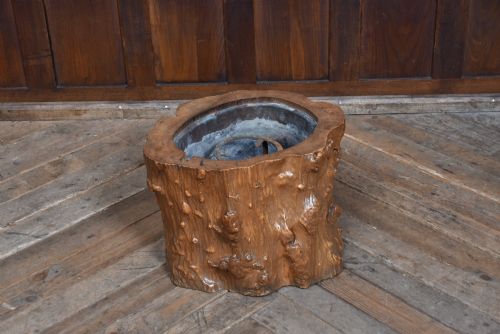
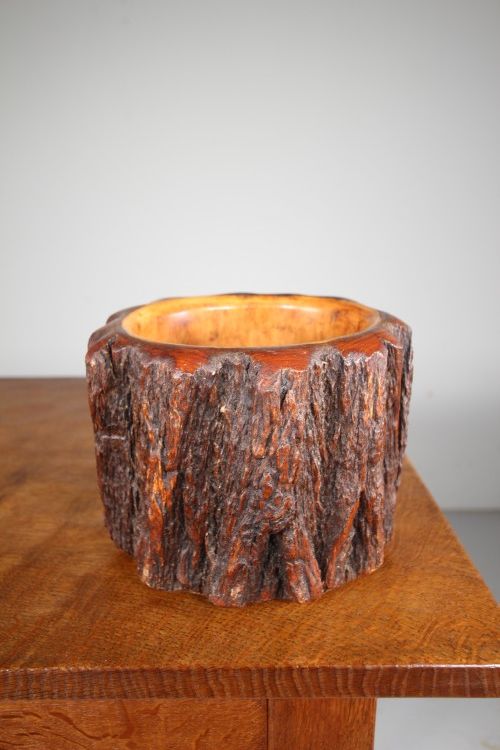
When you search for vintage carved log, you are looking at utilitarian timber items shaped directly from tree trunks and branches during the nineteenth and early twentieth centuries. These pieces encompass dug-out tree trunk planters, chopping blocks, tree stem bowls, and rustic seats that celebrate the natural grain and shape of wood.
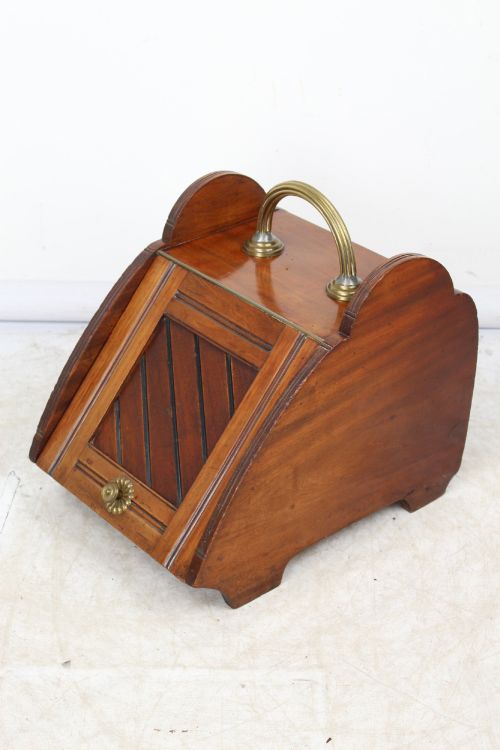
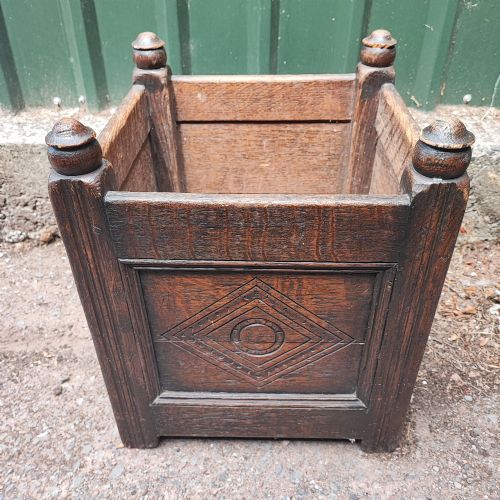
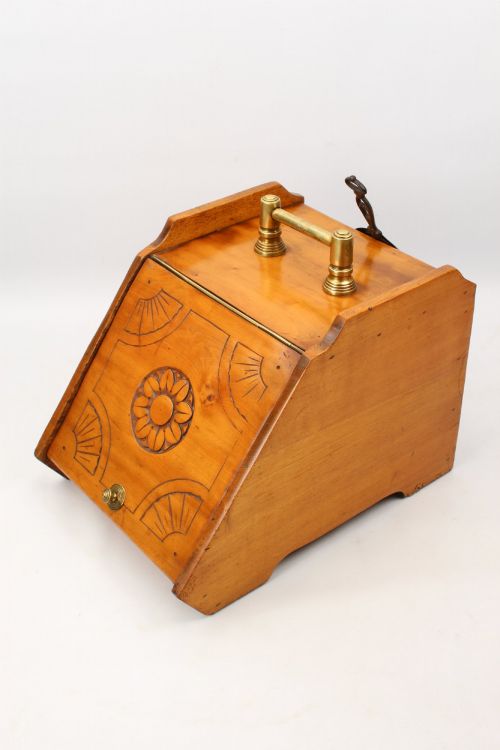
The version you are most likely to meet on this page is a nineteenth-century oak or sycamore log box, coal scuttle, or dug-out planter from the Victorian or Edwardian periods. They range from primitive country work to more finished domestic storage containers.
Makers utilised heavy timbers like oak, elm, sycamore, and mahogany to create functional hearth and garden accessories that endure. The forms remain resolutely practical, born from nineteenth-century rural life and rustic folk art traditions.
Materials and construction
The construction relies on solid hardwoods such as oak, mahogany, sycamore, and elm, often shaped directly from whole tree trunks or thick branches. Craftsmen used hand tools to hollow out dug-out vessels and shape chopping blocks, leaving visible adze or chisel marks across the timber.
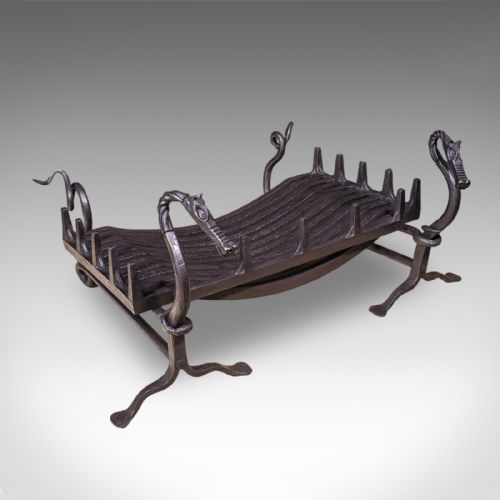
Metal fittings in brass, copper, iron, and wrought iron frequently complement the carved wood, appearing as hinges, handles, and fire furniture. Bark is sometimes retained on rustic pieces to emphasise the natural origin of the material.
Evaluating the pieces
Quality in a vintage carved log piece rests on the selection and condition of the timber, alongside the integrity of the original carving. Heavy, stable hardwoods with deep, patinated grain sit at the top of the range, showing purposeful hand-shaping rather than crude assembly.
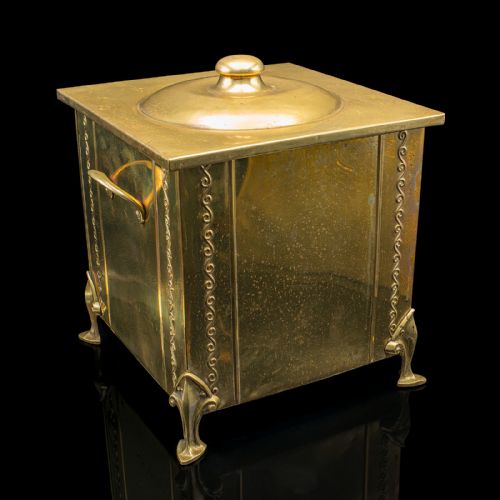
The integration of metal hardware, such as solid brass handles or copper linings, distinguishes finer domestic coal boxes and planters from purely utilitarian farm items. Retained original surfaces without excessive modern intervention separate the best examples from lesser pieces.
The Vintage Carved Log Glossary
- Dug out
- A vessel or container formed by hollowing out a single solid tree trunk. This method creates heavy, seamless items like planters and troughs.
- Treen
- Small handmade wooden domestic objects. These items show skilled turning or carving of natural timber.
- Coal scuttle
- A container designed to hold fuel for a fireplace, often made of wood with metal linings. They feature handles for carrying fuel to the hearth.
- Hibachi
- A traditional Japanese heating device, sometimes formed from wood or metal. These pieces bring alternative hearth aesthetics to a collection.
- Planter
- A vessel intended to hold soil and plants, frequently fashioned from hollowed tree trunks or repurposed boxes. They utilise rot-resistant hardwoods for durability.
Vintage Carved Log: Frequently Asked Questions
What is a dug out tree trunk used for?
These solid timber blocks served various rural and domestic purposes, including as sturdy chopping surfaces and heavy planters. Their sheer weight and density made them stable for demanding everyday tasks.
Today, buyers place them indoors as rustic side surfaces or outdoors as garden planters. Their robust construction allows them to endure heavy use in either setting.
How do I care for vintage wooden log boxes?
Keep these timber pieces away from direct heat sources and rapid temperature fluctuations to prevent the wood from splitting. Occasional light waxing helps nourish the dry nineteenth-century surface.
Avoid soaking dug-out wooden planters in standing water if used indoors. Using a proper waterproof liner protects the historic interior timber from moisture damage.
How can I tell Victorian pieces apart?
Victorian examples often combine carved oak or mahogany with heavy brass and copper hardware. They reflect established nineteenth-century domestic standards for hearth and coal storage.
Earlier rustic folk art pieces tend to show simpler construction with minimal metalwork. They rely entirely on the raw character of the sycamore, elm, or pine trunk.
Are these items suitable for modern homes?
Their organic shapes and rich wood patinas fit easily into contemporary rustic, industrial, or minimalist interiors. They provide grounded, tactile contrast against smooth modern surfaces.
Pieces like log bins, coal scuttles, and tree stem bowls serve practical storage roles while displaying natural history. They bring functional heritage directly into living spaces.