
Antique Log Planter
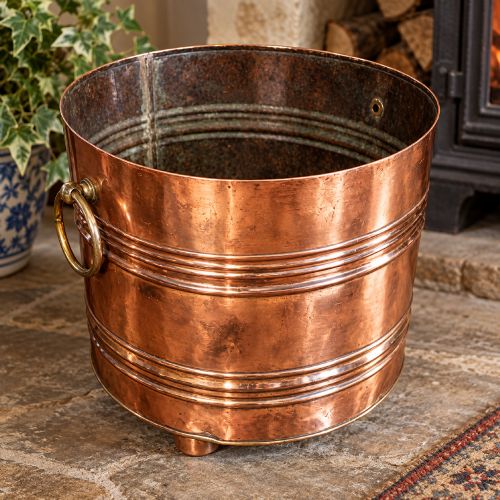
These heavy metal and timber vessels made for holding fuel now serve as an antique log planter to bring texture into a room.
Antique Log Planter
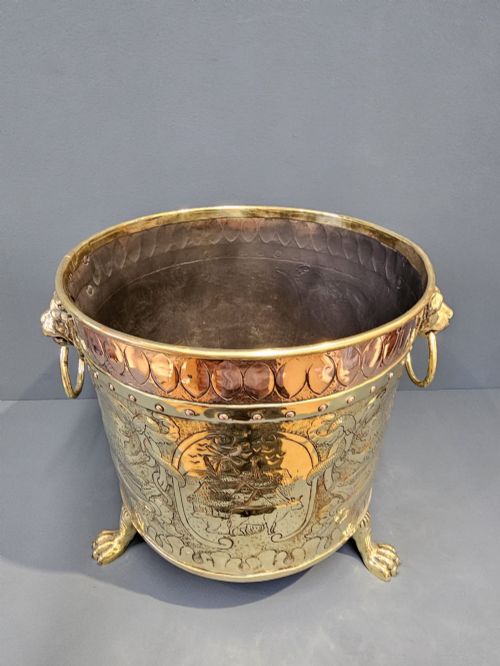
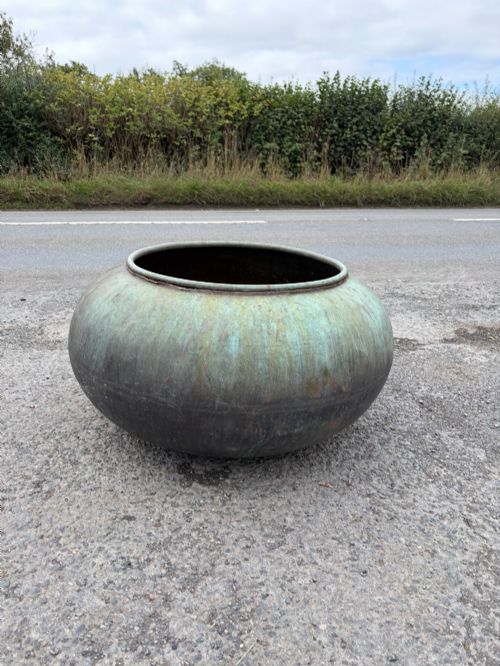
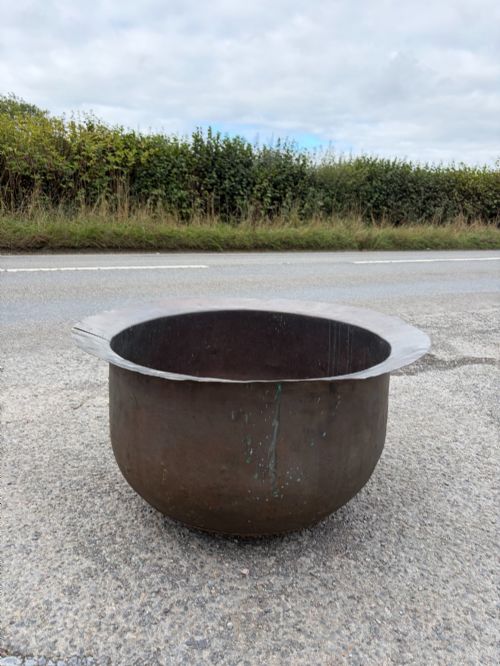
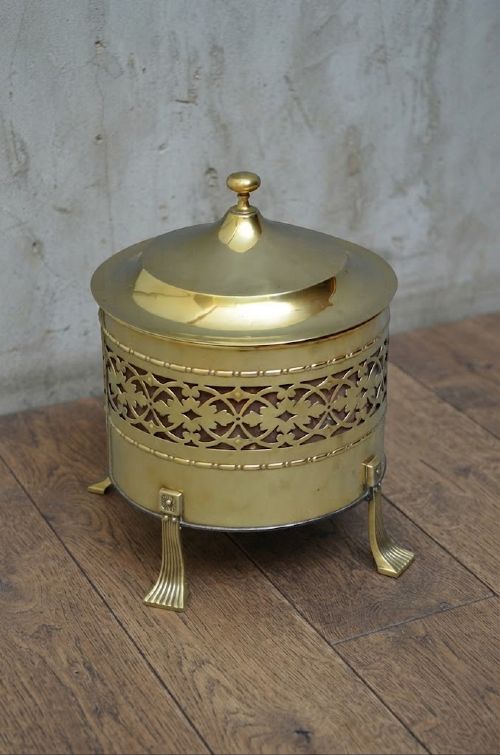
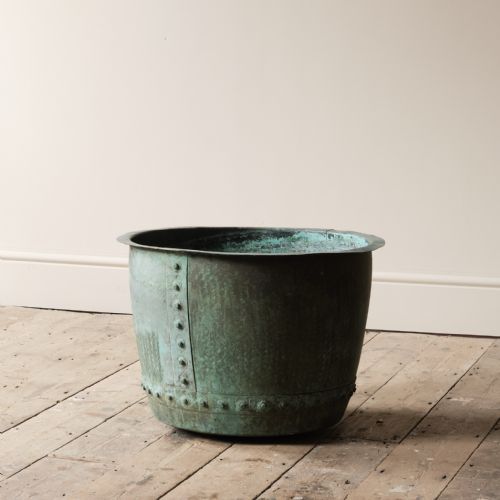
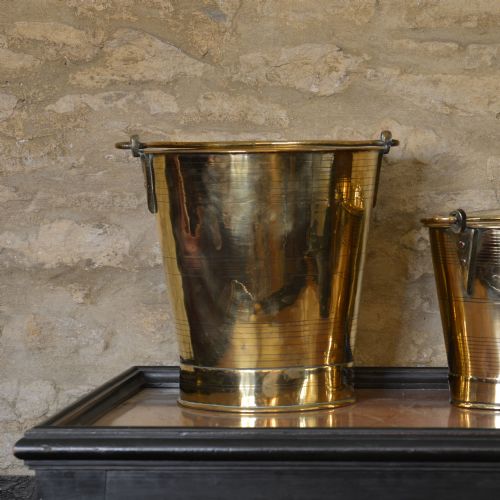
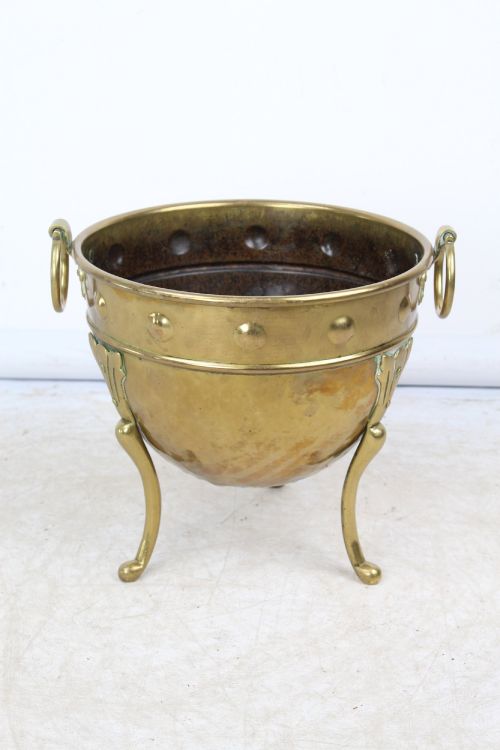
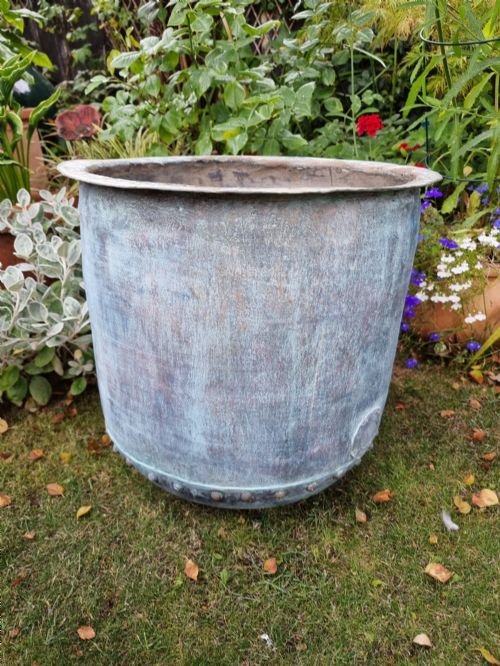
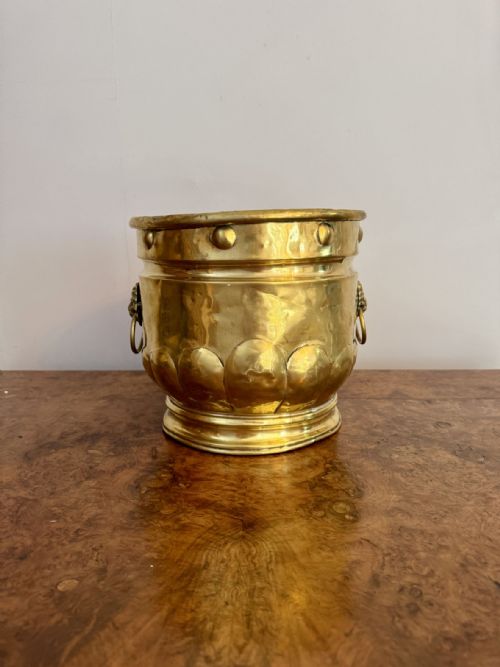
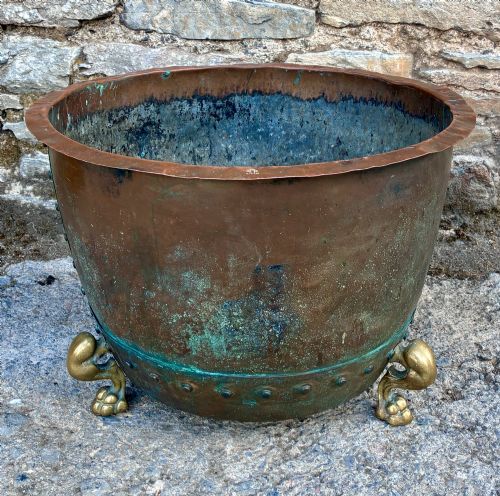
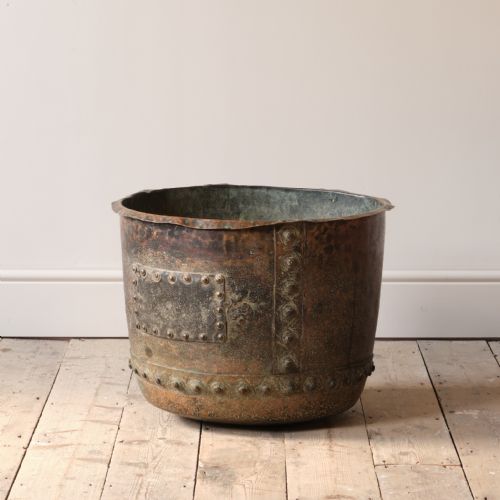
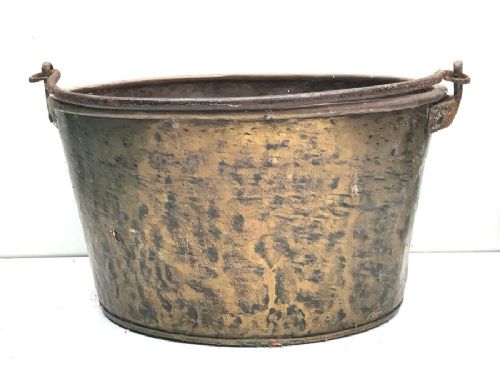
An antique log planter is a substantial hearth or garden vessel built to hold fuel, water or plants, appearing most often on this page as nineteenth-century copper pots and Victorian brass bins.
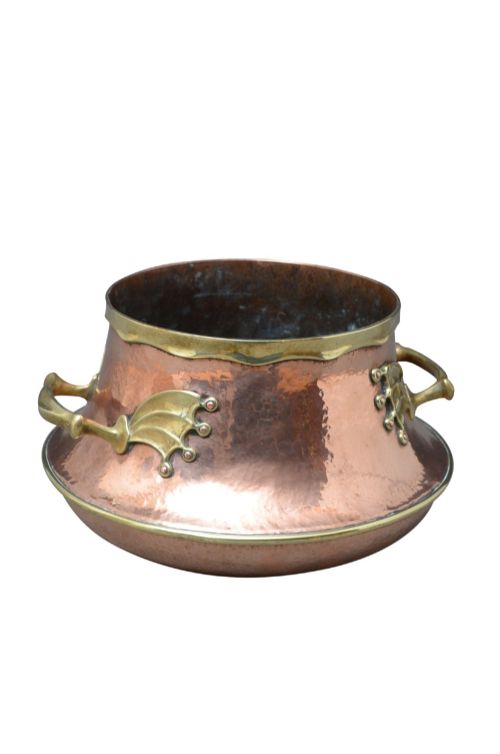
Makers shaped these utilitarian objects across Georgian, Victorian and Edwardian periods, employing styles that range from plain rustic country oak to decorative Arts and Crafts embossing.
Many items recorded here double as coal buckets, jardiniere vessels and wash tubs, reflecting how nineteenth-century households repurposed heavy metal and wooden containers.
How They Were Made
Metal vessels rely on heavy sheets of copper and brass joined by hand-riveting, often accented with wrought iron handles or cast brass bands.
Wooden examples utilise traditional coopered construction, shaping oak and mahogany staves into barrel forms held tight by structural hoops.
Surfaces show the marks of hand-hammering, fretwork cutting and natural patination developed through decades of domestic or garden exposure.
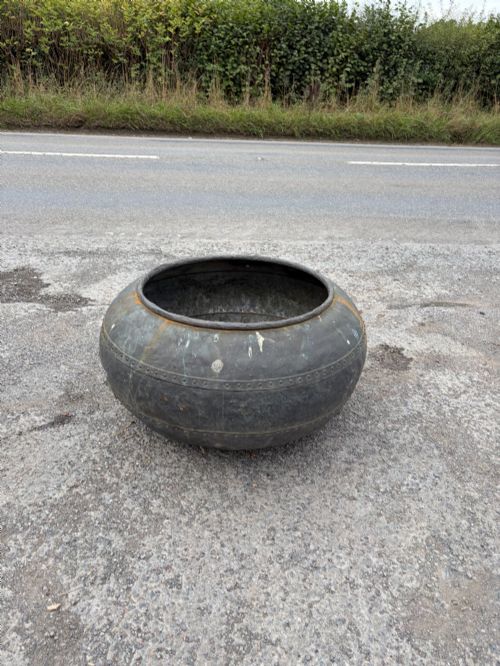
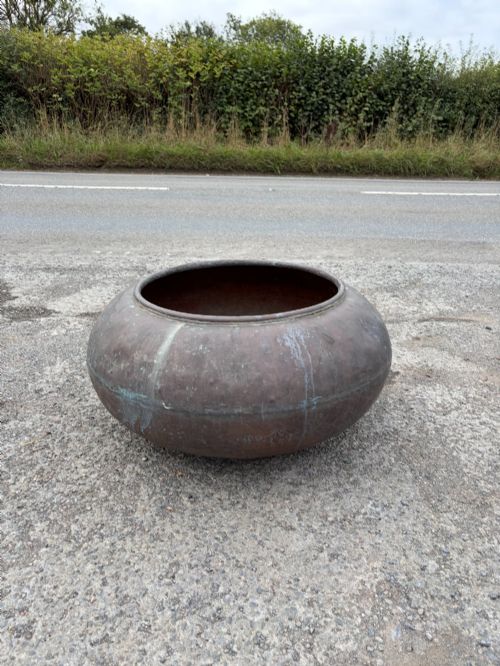
Several heavy copper vessels began their working lives holding French cheese or boiling wash before finding a quiet retirement holding ferns.
What Varies in Quality
The standard of a piece rests on the integrity of its construction, distinguishing hand-riveted seams and tight wood cooperage from lesser assembly.
The depth of the natural patina and the preservation of original swing handles or iron fittings determine the visual weight of the vessel.
Henry Loveridge
The Antique Log Planter Glossary
- Coopered
- Built from fitted wooden staves bound together by metal hoops, much like a traditional barrel. This technique ensures watertight strength for wood and plant storage.
- Jardiniere
- An ornamental pot or stand designed to hold growing plants indoors. These vessels often feature decorative brass or copper bodies.
- Verdigris
- The green patina that forms naturally on copper and brass through atmospheric oxidation. Collectors value this surface layer for its aged appearance.
- Fretwork
- Openwork ornamentation cut from sheet metal or wood using a piercing saw. Edwardian examples frequently utilise this technique around the rim.
- Cauldron
- A large round metal pot with a swing handle, traditionally used over an open fire. In later periods, these sturdy iron and copper vessels were adapted for domestic hearth storage.
Antique Log Planter: Frequently Asked Questions
What is an antique log planter?
An antique log planter is a repurposed metal or wooden vessel, usually dating from the nineteenth century, originally made to hold coal, logs or water.
Today, these sturdy copper pots, brass buckets and oak barrels serve indoors and outdoors as deep containers for houseplants and floral displays.
How do I care for a copper planter?
Copper planters require gentle cleaning with mild soap and warm water to preserve the metal without stripping away the historical surface finish.
Avoid harsh chemical polishes if you prefer the dark tones and green verdigris that centuries of exposure have created on the metal.
Were these always used for plants?
These vessels started as heavy domestic utilities for the hearth, laundry room or dairy rather than decorative items for botany.
Households utilised copper pots, brass coal buckets and wooden wash tubs for daily chores long before modern gardeners repurposed them as planters.
How can I tell a Victorian planter apart from a Georgian one?
Georgian pieces often display simpler, heavier iron and copper construction used in utilitarian kitchen pans and early coal buckets.
Victorian and Edwardian versions introduce decorative embossing, brass banding, Arts and Crafts motifs and intricate fretwork designs.