

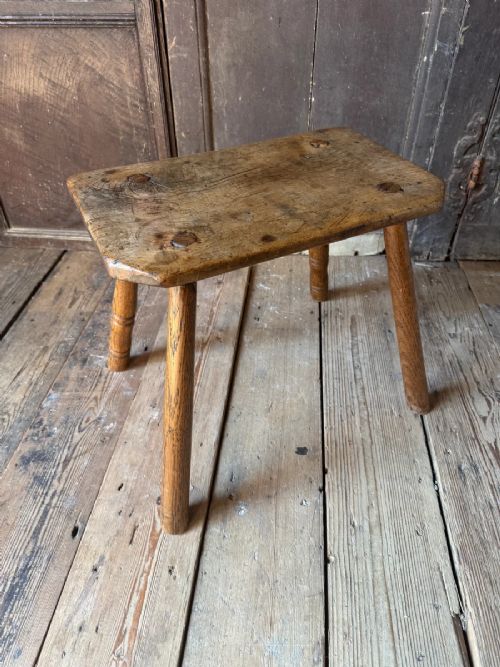
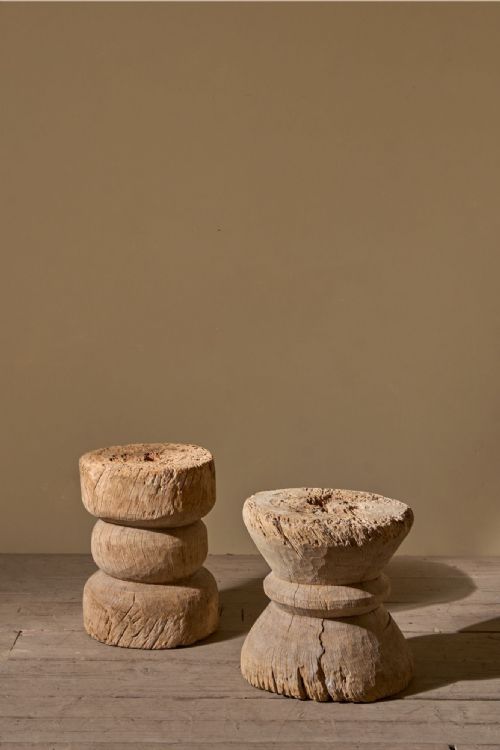
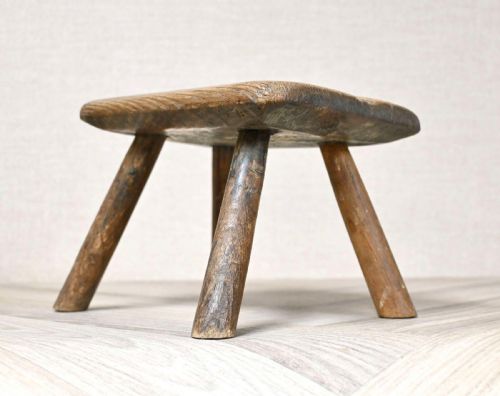
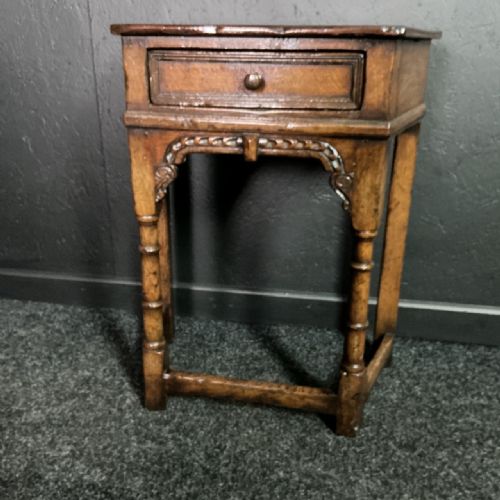
Rustic Wooden Side Stool
A rustic wooden side stool brings unpretentious utility and tactile grain to a room, serving as a low surface or extra seat.
Rustic Wooden Side Stool
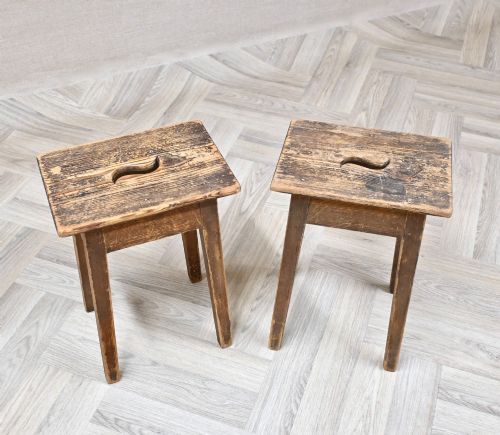
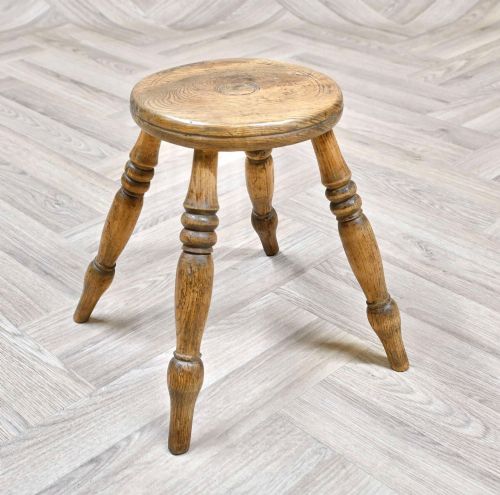
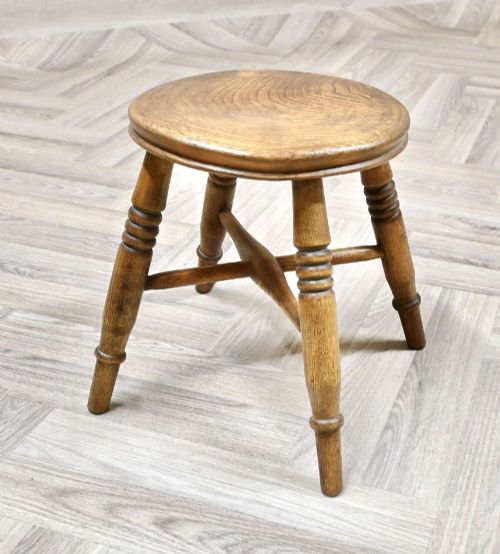
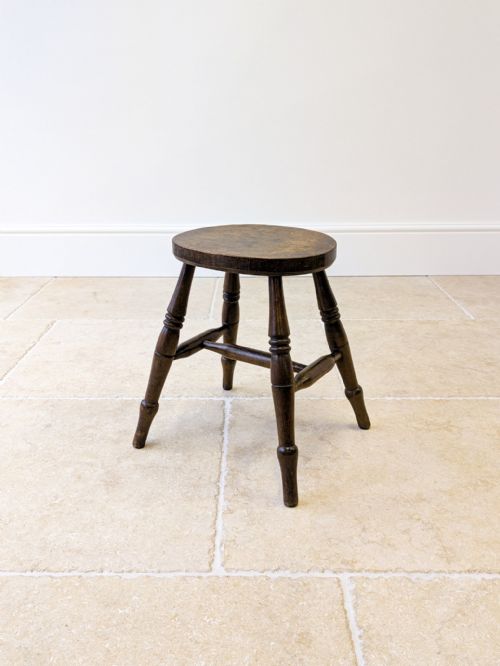
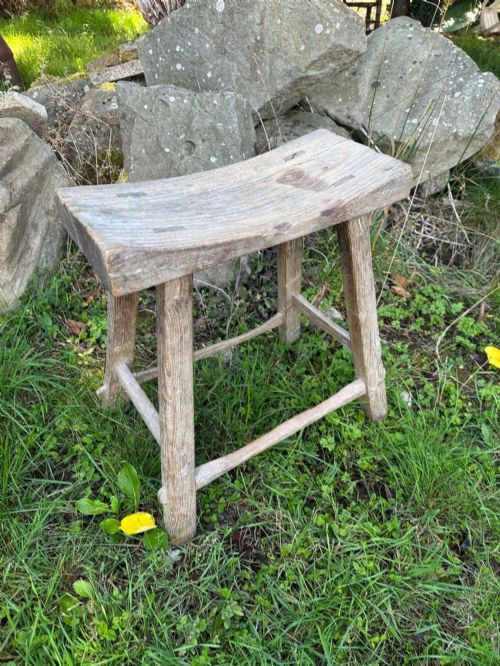
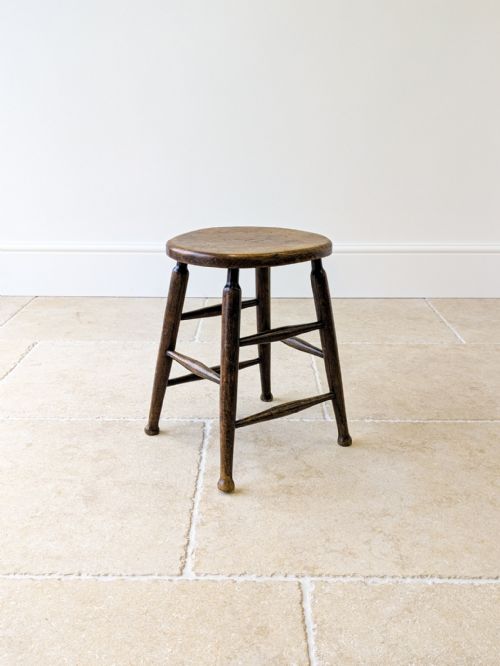
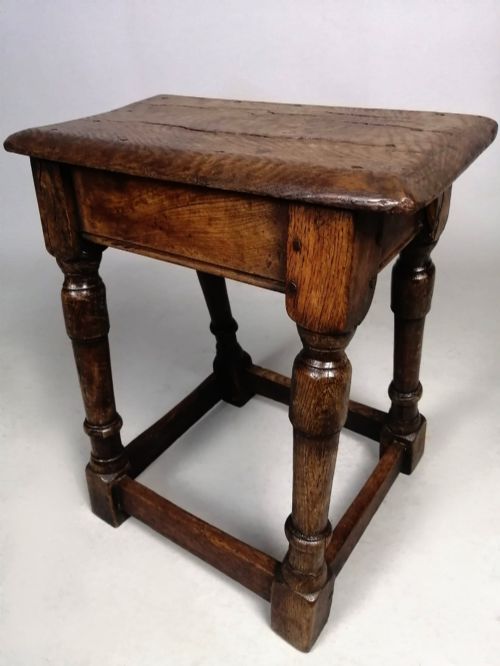
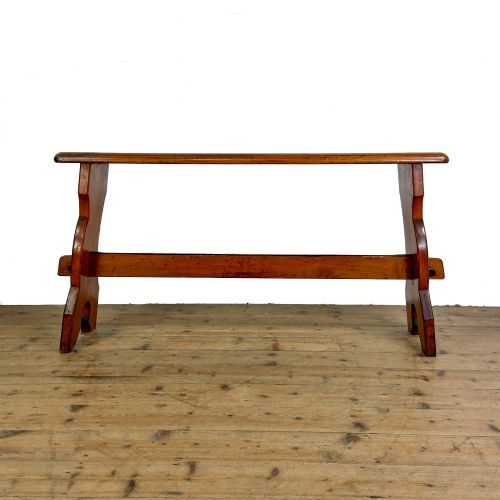
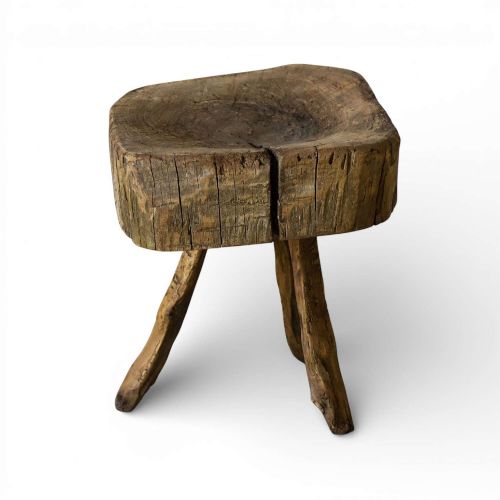
When you search for a rustic wooden side stool, you encounter low seating and small utility surfaces shaped by utilitarian necessity rather than courtly fashion. These pieces include joint stools, milking stools, and occasional tables spanning multiple centuries.
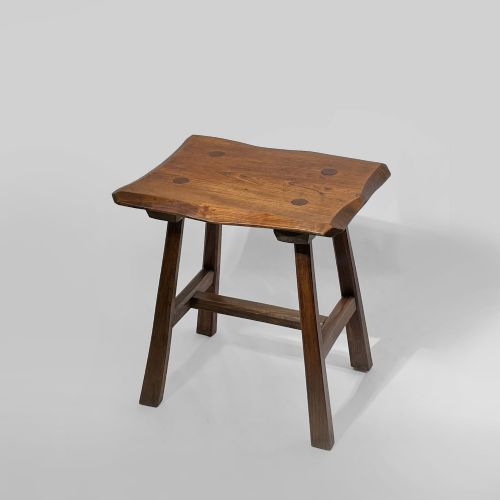
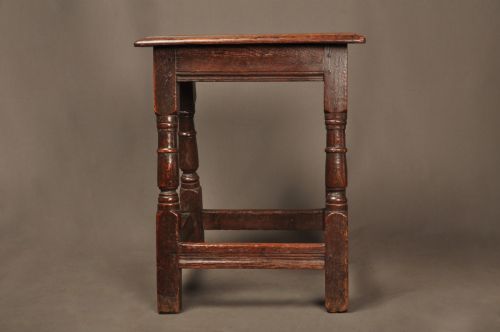
The most common examples on this page are domestic items from the nineteenth century, alongside earlier seventeenth-century joint stools and regional Chinese elm forms. They function flexibly as side tables, bed-side stands, or low seats.
Makers ranged from village carpenters working in local hardwoods to vernacular makers producing scratch-built pine benches and chopping blocks. Their forms remain small and functional, designed for daily rural tasks.
Materials and construction methods
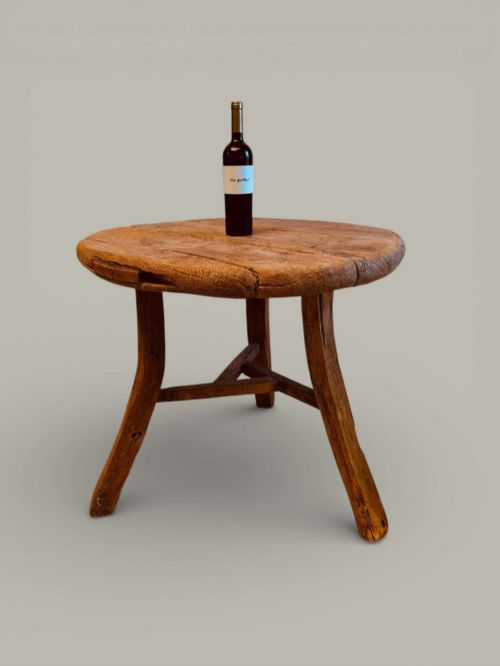
Construction relies heavily on sturdy native timbers such as oak, elm, ash, beech, and pine, selected for local availability and toughness. Pegged joinery and three-legged designs accommodated uneven floors in vernacular workshops.
Surfaces show the marks of hand tools, adzes, and lathes, sometimes retaining original paint, lacquer, or wax finishes. Plank tops and joined frames distribute weight without complex hardware.
Rustic Wooden Side Stool Retail Price Guide 2026
Typical asking prices for rustic wooden side stool among the pieces listed under this phrase on Sellingantiques today, from the lower quarter to the upper quarter. They describe what is for sale here now, not the wider market.
Several items double as chopping blocks, proving that historical kitchen prep surfaces make charming low tables for modern drinks.
Factors separating quality ranges
Quality rests upon the integrity of the original timber and the honesty of the construction, such as hand-pegged joints and untouched surfaces. Pieces retaining original paint or authentic gnarled legs show superior character.
Heavy alterations or inappropriate modern stripping diminish the integrity of vernacular items. The best examples display harmonious proportions and clear evidence of period hand-working.
Jack Grimble
The Rustic Wooden Side Stool Glossary
- Joint stool
- A sturdy wooden seat constructed with mortise and tenon joints secured by wooden pegs, common from the seventeenth century onward.
- Milking stool
- A low, often three-legged stool traditionally used by agricultural workers for milking livestock in barns or fields.
- Vernacular
- An architectural or furniture style produced by local artisans using regional traditions and materials rather than academic designs.
- Bobbin turned
- A style of furniture leg or stretcher shaped on a lathe to resemble a series of bobbins or spools threaded together.
- Plank top
- A solid wooden surface constructed from one or more boards joined edge-to-edge, frequently seen on early tables and benches.
Rustic Wooden Side Stool: Frequently Asked Questions
What is a joint stool?
A joint stool is a solidly built wooden seat constructed with pegged mortise and tenon joints. They appeared frequently in seventeenth-century households.
These pieces served as flexible seating or low tables before chairs became common domestic items.
How were three-legged stools used?
Three-legged stools, such as milking stools, remained stable on uneven dirt or stone floors in barns and cottages. Their simple design suited agricultural labour.
Today they function as compact side tables or decorative stands in living spaces.
What woods were used for country furniture?
Makers utilised whatever hardwoods and softwoods grew locally, including oak, elm, ash, beech, and pine. Elm was chosen for seats because its interlocking grain resisted splitting.
Oak provided rigid framing for joined tables and benches.
How do I spot original paint?
Original paint or ochre finishes show natural wear, craquelure, and fading accumulated through decades of rural use. Modern overpainting often feels flat and lacks this depth.
Examining the underlying timber grain helps confirm the age of the surface.