





Rustic Wooden Larder
A rustic wooden larder is a utilitarian food store built from solid timber, offering honest rural charm and deep storage for the modern home.
Rustic Wooden Larder
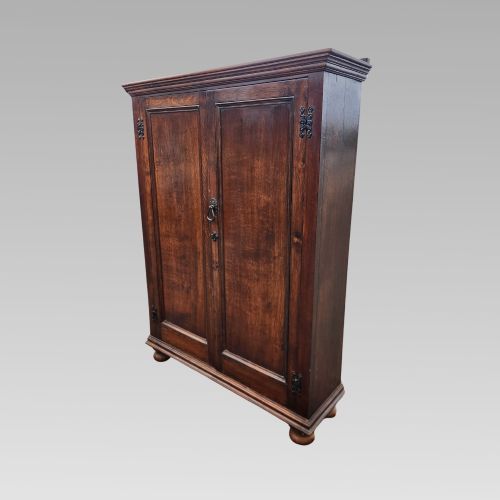
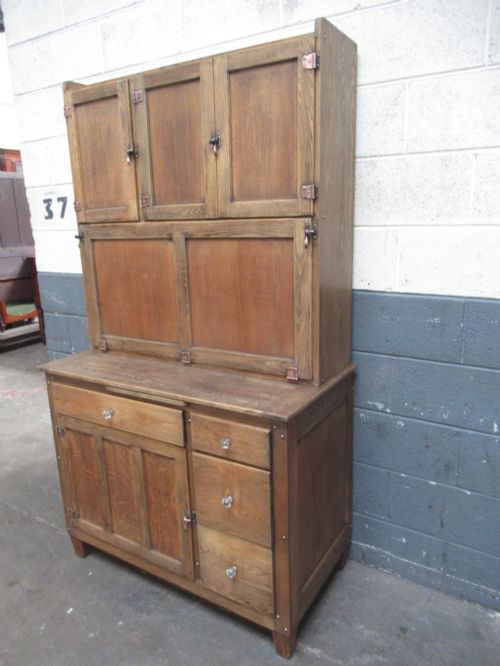
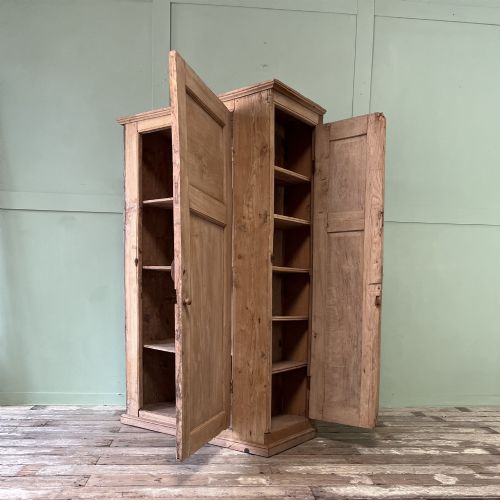
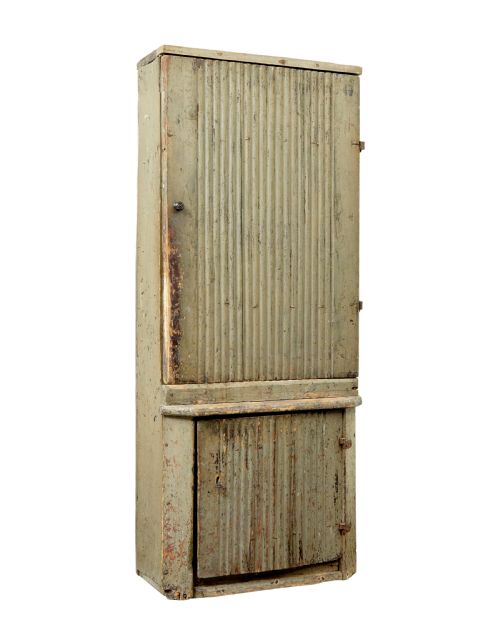
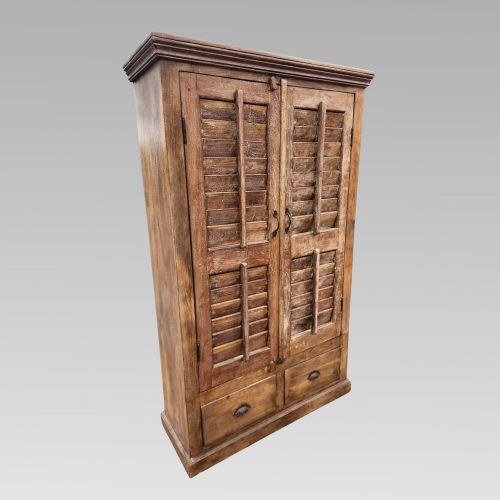
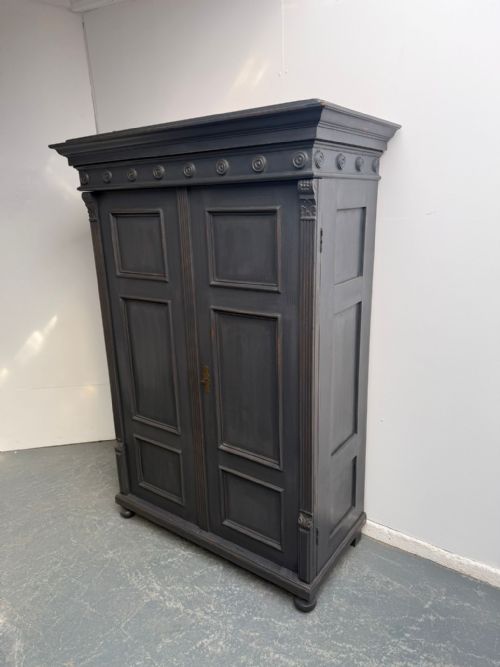
A rustic wooden larder serves as a traditional provision store, taking the form of tall cupboards, housekeeper units, and food cupboards designed for domestic storage. When searching for a rustic wooden larder, buyers encounter substantial freestanding furniture originating from various rural traditions, including English country workshops, Welsh vernacular pieces, and continental provincial kitchens.
The selection ranges from early eighteenth-century elm food cupboards and Georgian pine cabinets to nineteenth-century painted housekeeper cupboards and Scandinavian carved storage. Many examples show utilitarian origins with simple panelled doors, louvered ventilation slats, or large storage capacities suited to storing provisions and kitchen wares.
Materials and construction
These storage pieces rely heavily on domestic softwoods and hardwoods, predominantly pine, elm, chestnut, and occasionally exotic timbers like Indian rosewood. Construction methods reflect traditional joinery, utilising solid planks, pegged joints, and heavy timber framing designed to withstand daily domestic use.
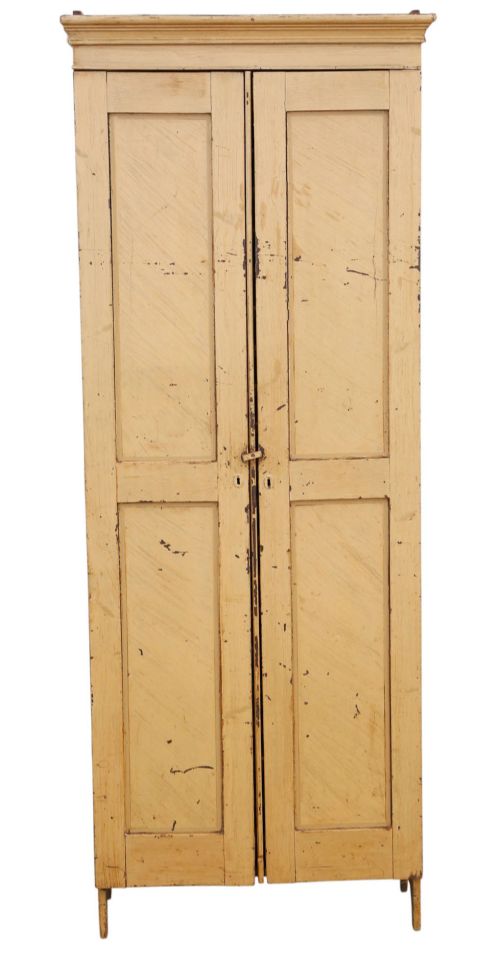
Surface finishes vary from raw scrubbed wood and wax polish to layered historical paint schemes in cream, grey, or original colourways. Hardware typically includes iron hinges, brass latches, and simple wooden turn-buttons that secure the heavy cupboard doors.
Rustic Wooden Larder Retail Price Guide 2026
Typical asking prices for rustic wooden larder among the pieces listed under this phrase on Sellingantiques today, from the lower quarter to the upper quarter. They describe what is for sale here now, not the wider market.
Some cupboards retain traces of flour dust and ancient spice aromas locked deep within their unsealed pine floorboards.
Assessing quality in country storage
Quality in these rural storage pieces rests upon timber selection and the integrity of the original construction, distinguishing sturdy vernacular joinery from lesser utility builds. Pieces retaining their original hardware, uncompromised backboards, and authentic historical painted surfaces command greater interest from collectors.
Proportion and scale also dictate desirability, as taller narrow formats and well-balanced multi-door layouts offer practical utility alongside aesthetic presence. The survival of early surface patination, whether aged wax or genuine old paint, marks the difference between a standard storage box and a notable antique.
The Rustic Wooden Larder Glossary
- Vernacular furniture
- Domestic items made by local tradesmen for everyday use rather than high-style urban workshops. These pieces reflect regional traditions and available local materials.
- Housekeeper cupboard
- A large storage cabinet traditionally used for linens, dry goods, and household provisions. They often feature multiple doors and internal shelving.
- Food cupboard
- A specialised cabinet designed with ventilated panels or mesh to keep provisions fresh before mechanical refrigeration. Early examples frequently utilise elm or oak.
- Patina
- The surface sheen and colour acquired by timber and paint over decades of handling, cleaning, and exposure to light. It serves as an indicator of age and authenticity.
Rustic Wooden Larder: Frequently Asked Questions
What is a rustic wooden larder used for today?
These large cupboards function primarily as kitchen pantries, linen stores, or general living room storage units. Their deep shelves accommodate dinnerware, cookware, and dry goods with ease.
In contemporary interiors, they provide substantial freestanding storage without the need for fitted cabinetry. Their substantial presence suits modern country kitchens and open-plan dining spaces alike.
How do I care for a painted pine cupboard?
Maintain painted wooden surfaces by dusting gently with a dry or slightly damp cloth, avoiding harsh chemical cleaners that might strip historical pigment. Keep the timber away from direct heat sources to prevent warping.
Wax-finished pine benefits from occasional application of traditional beeswax to nourish the wood. Check hinges and latches periodically to ensure doors hang correctly without straining the old joints.
Are these cupboards suitable for small kitchens?
While many food cupboards and housekeeper cabinets are quite large, the selection includes tall narrow formats and compact two-door variants. Measuring available floor space and ceiling height is essential before placement.
Their vertical storage capacity makes efficient use of floor space, holding significant volume within a relatively small footprint. Consider door swing clearance when positioning near islands or tables.
How can I tell an eighteenth-century cupboard from a nineteenth-century one?
Earlier pieces from the eighteenth century frequently employ native timbers like elm or chestnut with hand-carved details and pegged frame construction. Ironwork tends to be hand-forged and specific to regional blacksmith styles.
Nineteenth-century examples often utilise pine with machine-sawn elements, standardised iron hinges, and mass-produced mouldings. Painted finishes on Victorian pieces commonly feature layered lead-based colours unique to that era.