

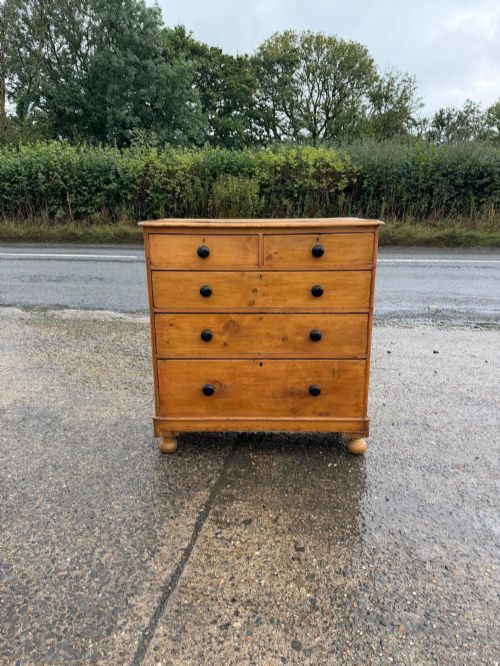
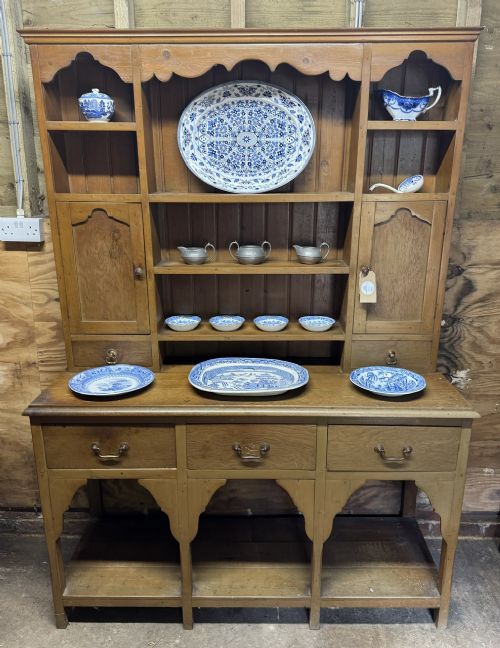
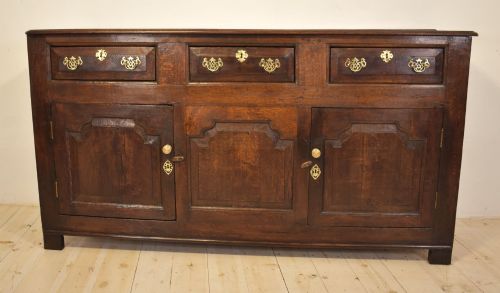
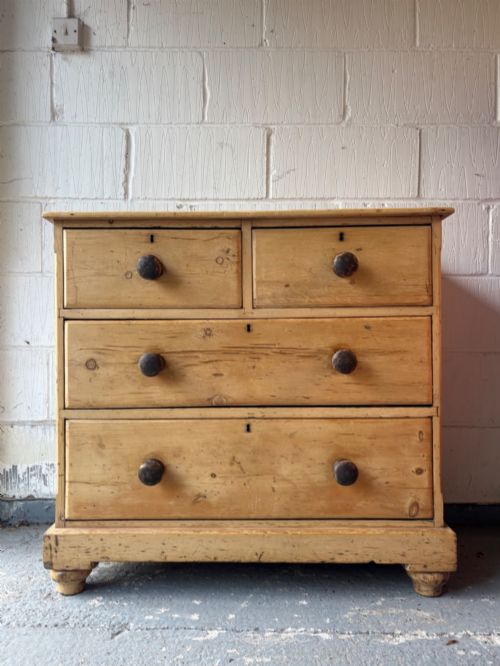
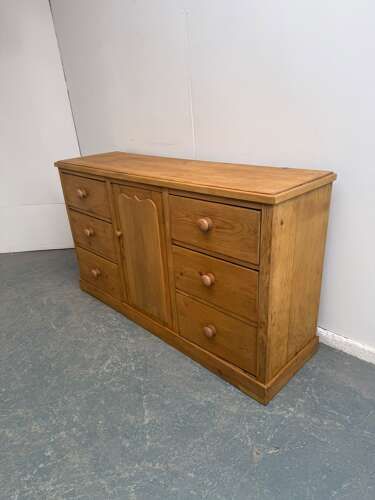
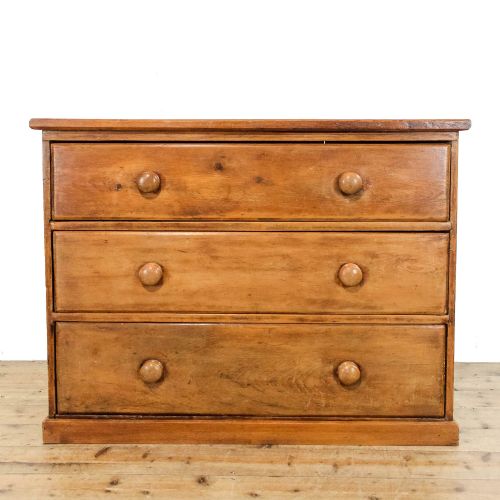
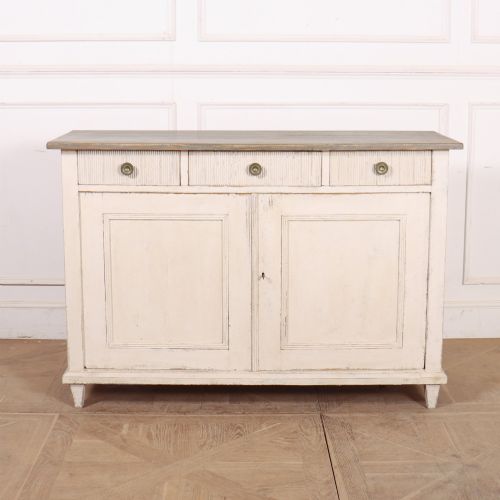
Rustic Wooden Country Dresser
A rustic wooden country dresser brings honest utility and vernacular warmth into a room, offering robust storage built for daily domestic life.
Rustic Wooden Country Dresser
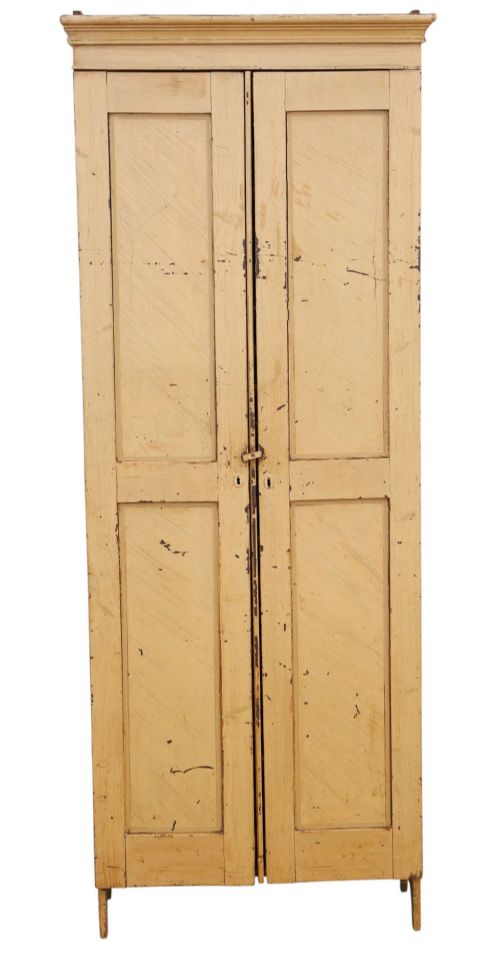
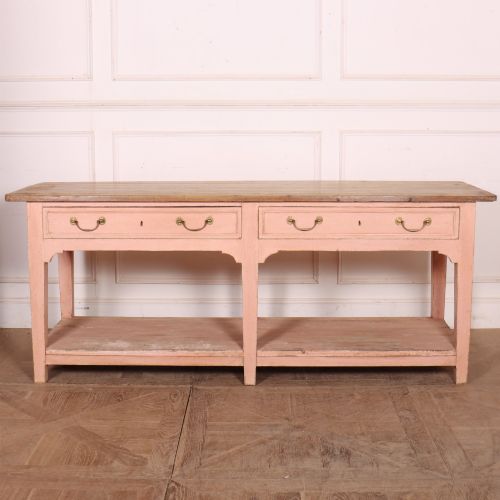
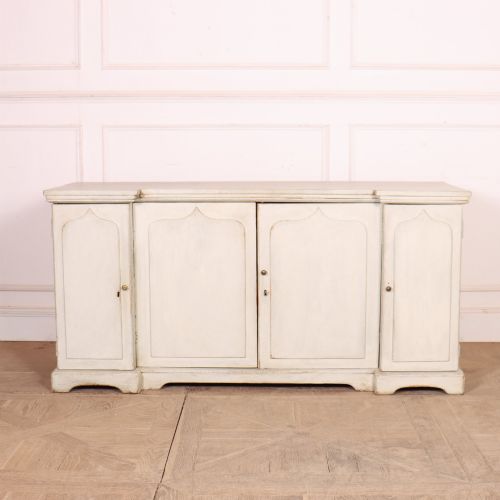
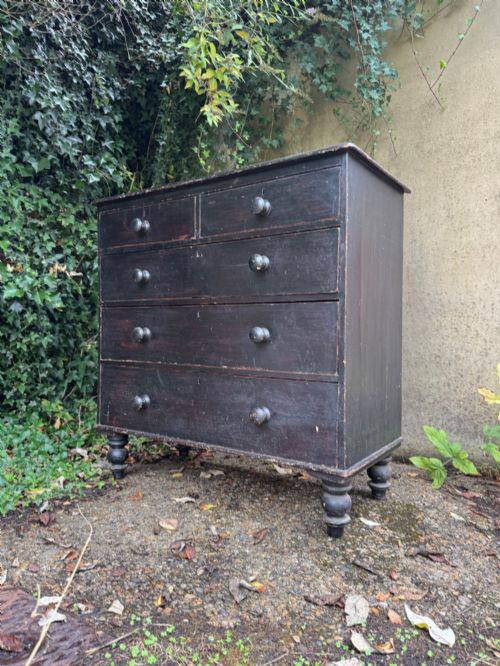
A rustic wooden country dresser combines practical storage with domestic history, serving as the central working hub of traditional kitchens and dining rooms. The search phrase covers forms ranging from open plate racks and dresser bases to tall cupboards and multi-drawer chests.
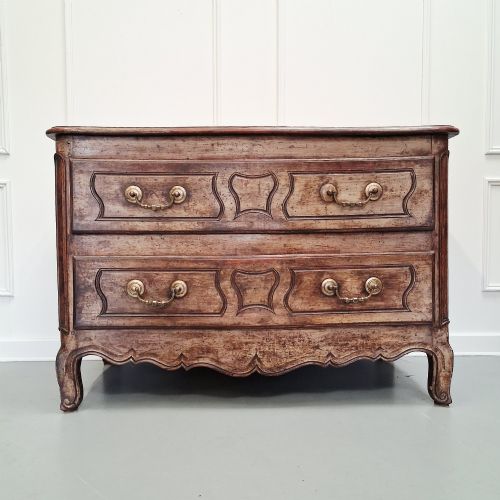
The pieces seen here span the eighteenth and nineteenth centuries, taking in Georgian, Victorian, and regional English, Welsh, Irish, and continental styles. Most examples emerge from rural workshops where local utility dictated the design rather than courtly fashion.
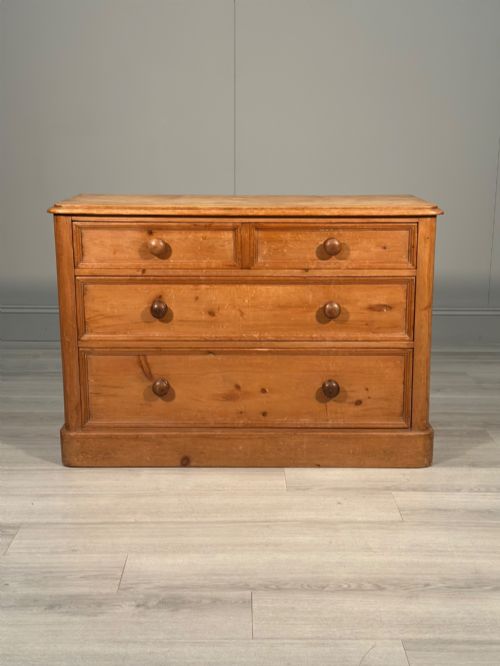
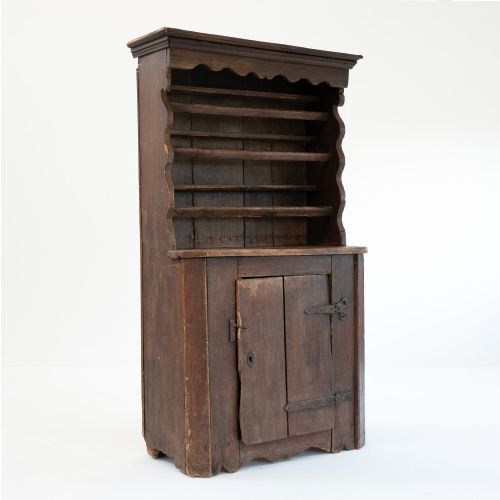
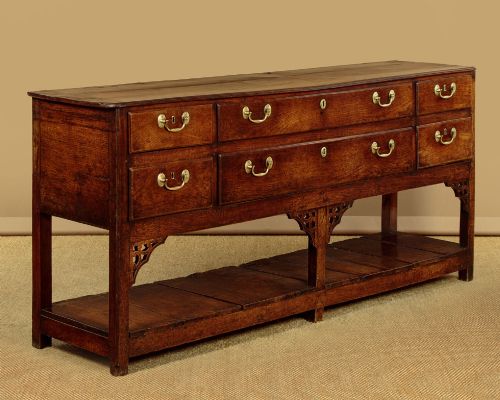
Oak and pine dominate the forms, appearing either in waxed natural timber or showing layers of original paint and patina. Buyers encounter everything from low, wide potboard bases to towering kitchen cabinets fitted with shelves for displaying crockery.
Materials and construction methods
Carpenters built these pieces using solid native timbers such as pine, oak, and pitch pine, selecting woods available close to regional workshops. Boards were joined with traditional methods, accommodating the natural movement of timber over decades of domestic use.
Iron and brass hardware, including handles, hinges, and escutcheons, provide functional contrast to the heavy wooden frames. Surfaces received protective finishes of natural wax, scrubbed treatments, or coats of paint that now carry deep historic character.
The listings on this page span the Georgian, Victorian, and Regency periods, utilising pine, oak, and painted wood in regional English, Welsh, Irish, and continental styles.
Quality variations in country furniture
Quality rests in the integrity of the original construction and the preservation of authentic surface finishes, such as untouched early paint or deep historic wax patinas. Pieces that retain their original regional proportions and unaltered hardware stand apart from heavily restored examples.
The handling of timber grain, the snugness of drawer joints, and the balance of plate racks against base cabinets reveal the competence of the regional maker. Simplicity of form combined with honest, hard-wearing assembly defines the higher tier of these domestic pieces.
The Rustic Wooden Country Dresser Glossary
- Dresser base
- The lower cabinet or sideboard portion of a kitchen dresser, often fitted with drawers and cupboards below a solid top.
- Potboard
- An open slatted lower shelf fitted between the legs of a dresser base, traditionally used for storing pots and pans.
- Plate rack
- The upper wall-mounted section featuring shelves and grooves specifically designed for standing plates upright.
- Patina
- The surface sheen and colour developed over decades through handling, waxing, and exposure to light.
- Scrubbed pine
- Timber surfaces washed repeatedly with water and soap until the grain stands proud and pale.
Rustic Wooden Country Dresser: Frequently Asked Questions
What rooms suit a country dresser?
These pieces fit naturally into kitchens, dining rooms, and open-plan living spaces where their generous storage and display capacity serves daily routines. Their honest proportions bring grounded character to modern interiors.
Larger base units work well as sideboards, while complete dressers with plate racks organise crockery and glassware within easy reach.
How do I care for waxed pine?
Maintenance requires regular dusting with a dry cloth and occasional application of traditional beeswax to nourish the dry timber. Avoid placing these pieces near direct heat sources that can dry out the wood.
Keeping the surface polished protects the historic patina and prevents moisture marks from settling into the grain.
Were these dressers made in sections?
Many larger country dressers and tall cupboards were constructed in two distinct parts to ease transport through narrow rural doorways. The upper plate rack or cupboard simply rests upon or secures to the lower dresser base.
This modular construction is common in Welsh and English regional pieces from the eighteenth and nineteenth centuries.
How can I tell pine from oak?
Pine is a softer softwood showing a lighter, paler grain structure that often takes paint or wax with a warm, mellow tone. Oak is a hard, heavy hardwood distinguished by prominent medullary rays and a denser, more robust weight.
Both materials were used extensively in country furniture depending on regional availability and the intended function of the piece.