

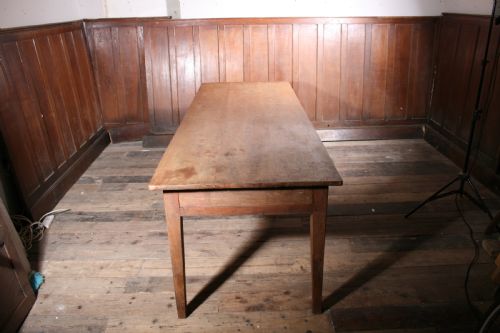
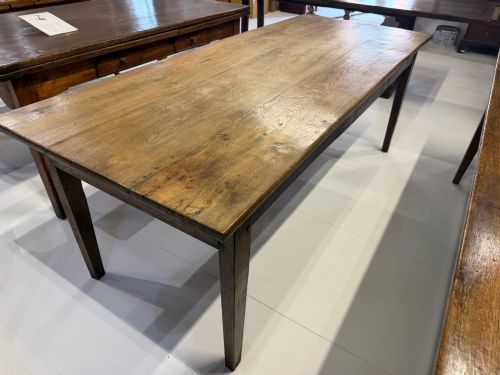
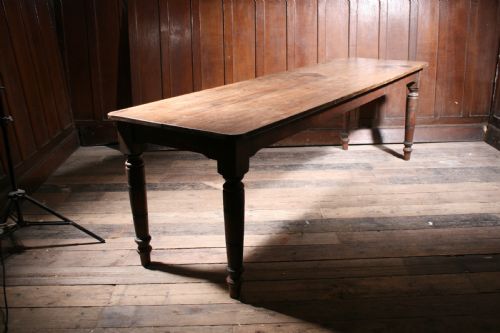
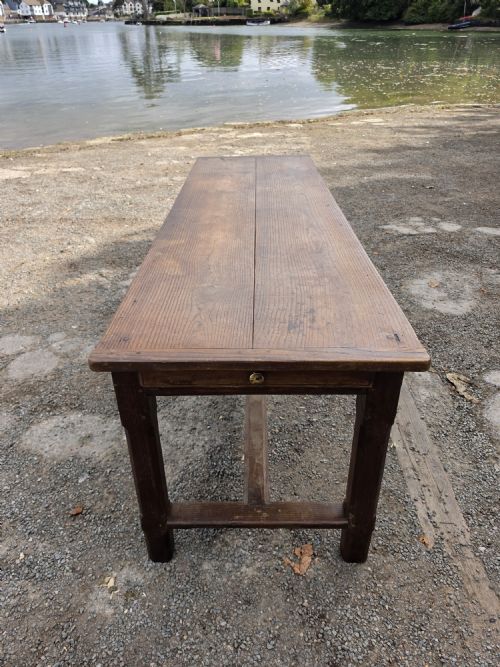
Rustic Timber Refectory Table
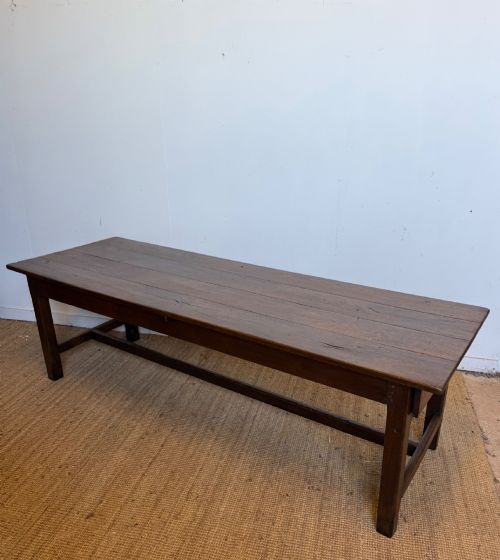
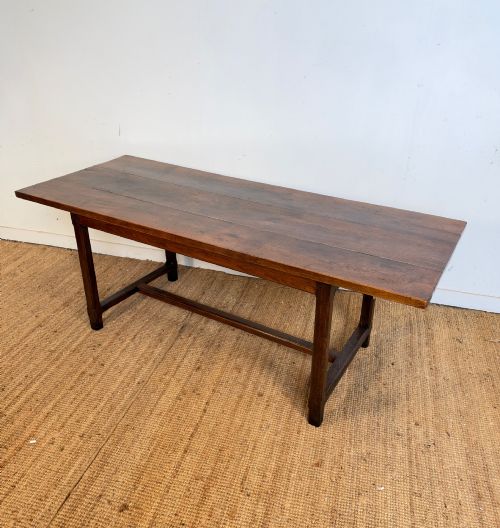
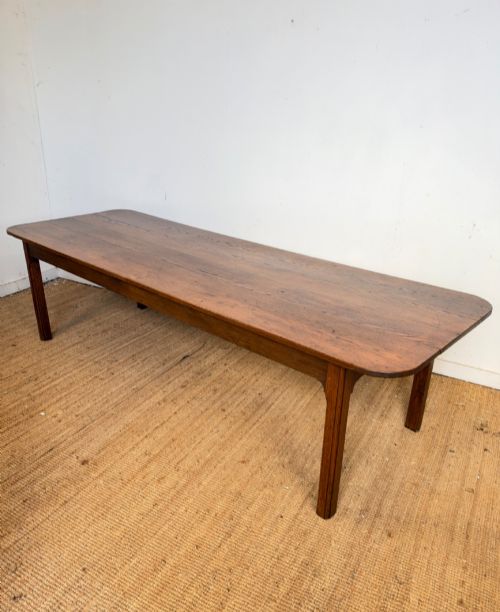
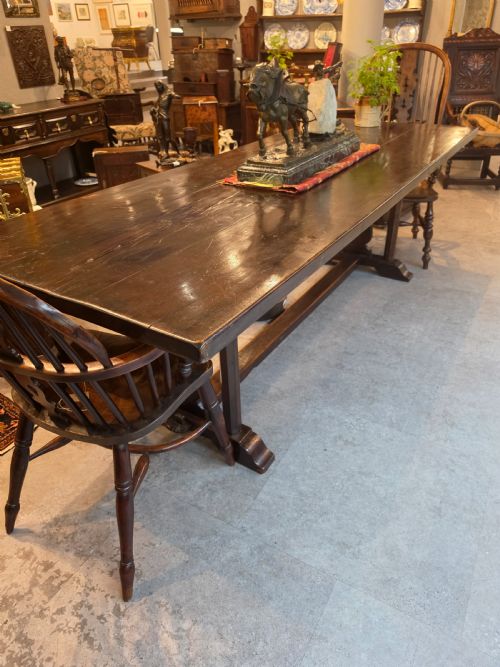
A rustic timber refectory table brings sturdy construction and centuries of character straight into a modern dining room.
Rustic Timber Refectory Table
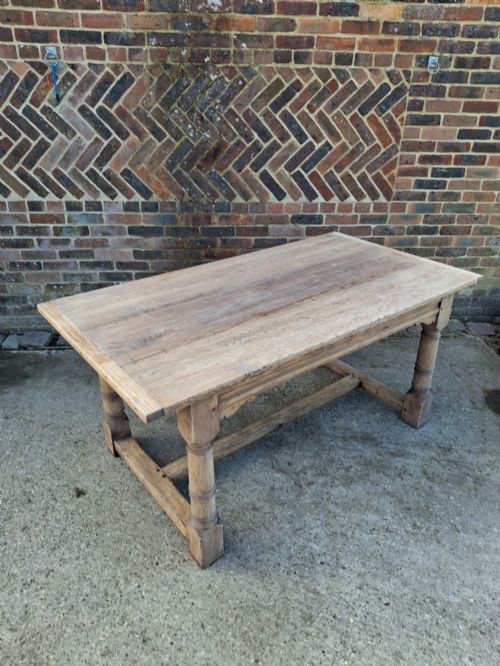
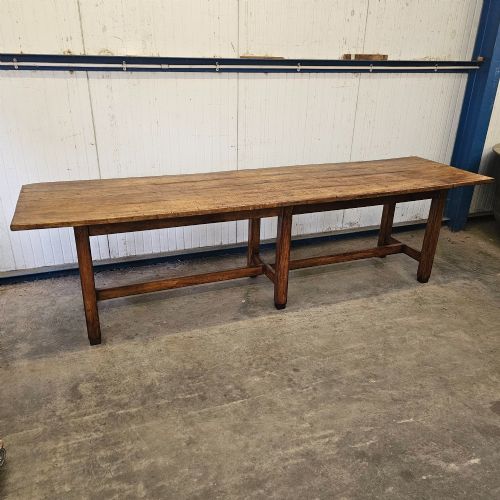
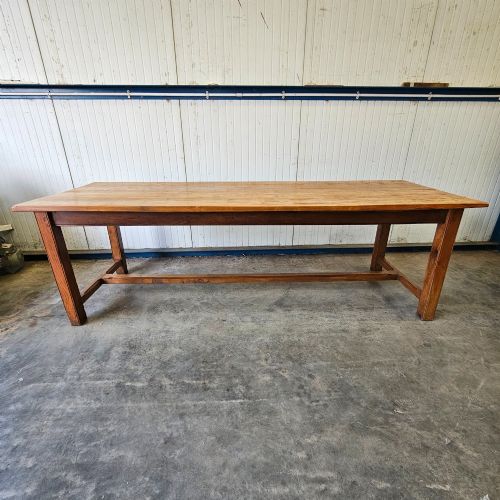
A rustic timber refectory table serves as the hearty centrepiece of a kitchen or dining space, designed originally for communal halls and domestic meals. When hunting for a rustic timber refectory table, you encounter substantial dining boards set upon trestles or four-legged supports.
The pieces appearing here span the eighteenth century, the nineteenth century, and the early twentieth century. Examples draw on styles such as French provincial, rustic farmhouse, and primitive country.
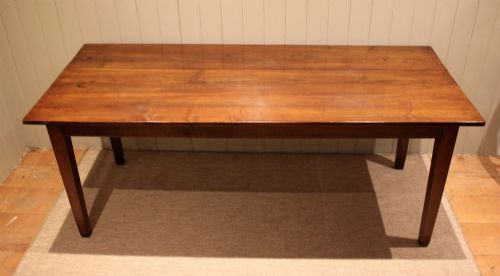
Makers utilised robust woods to build surfaces meant for daily service. You will find forms ranging from long dining boards to smaller kitchen tables and coffee tables.
Materials and construction
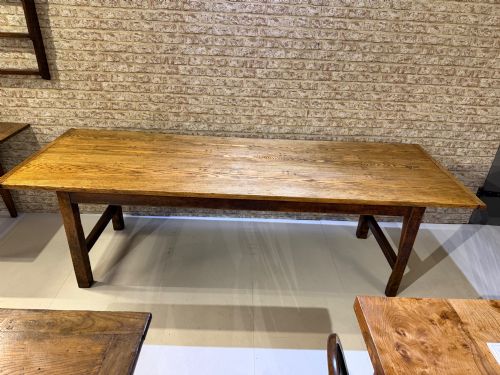
Carpenters built these tables using hard and soft timbers including oak, pine, elm, walnut, fruitwood, chestnut, poplar, beech, and cherry. Planks were joined side by side to form thick tops, sometimes supported by iron or brass hardware.
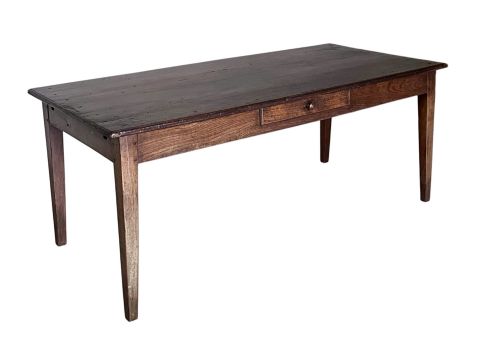
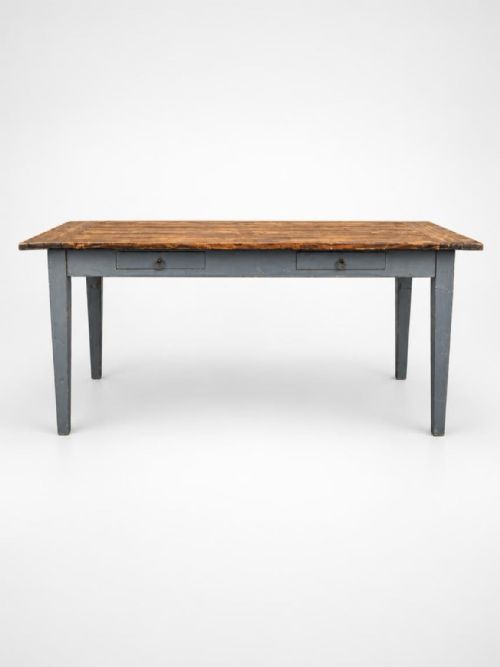
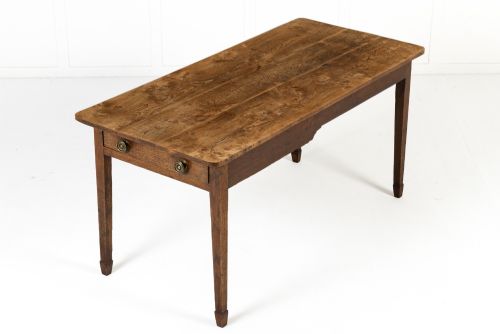
Supports take the form of square section legs, trestle ends, or frames incorporating side drawers and bread slides. Surfaces display the natural grain of the wood, shaped by hand tools and years of domestic use.
Rustic Timber Refectory Table Retail Price Guide 2026
Typical asking prices for rustic timber refectory table among the pieces listed under this phrase on Sellingantiques today, from the lower quarter to the upper quarter. They describe what is for sale here now, not the wider market.
Several tables include hidden drawers and sliding bread boards, proving that historical bakers and cooks loved secret compartments just as much as we do.
Distinctions in quality
The integrity of the timber planking and the stability of the underframe separate standard boards from superior examples. Tables featuring heavy oak, chestnut, or walnut retain their structural balance more effectively over generations.
The treatment of the wood surface alters the character of the piece, from scrubbed pine to faded cherry and bleached oak. Original joinery and well-preserved drawer mechanisms indicate thoughtful historical craftsmanship.
The Rustic Timber Refectory Table Glossary
- Refectory table
- A long dining table traditionally used in monastic or communal dining halls. These pieces evolved into domestic kitchen and dining furniture.
- Plank top
- A table surface constructed from multiple wide boards joined edge to edge. This method provided a stable eating area before the widespread use of sheet materials.
- Trestle supports
- Upright structural framing pieces placed at either end of a table to bear the weight of the top. They often feature shaped ends for added visual interest.
- Bread slide
- A pull-out wooden shelf integrated beneath the table top. Historically utilised for cooling bread or preparing food close to the main surface.
- Scrubbed pine
- A finish achieved through repeated washing and scouring of softwood surfaces. This process lightens the timber and accentuates the natural grain.
Rustic Timber Refectory Table: Frequently Asked Questions
How do I clean a timber table top?
Wipe the surface gently with a damp cloth using mild soap where necessary.
Avoid harsh chemical cleaners that strip the natural patina accumulated over the centuries.
Are these tables suitable for daily dining?
Solid wood construction provides the durability required for everyday family meals and kitchen activities.
Use mats and coasters to protect the antique timber from heat and moisture marks.
How can I tell the age of a table?
Examine the timber species, joinery methods, and tool marks visible on the underside of the boards.
Eighteenth-century and nineteenth-century examples display hand-cut joints and distinct wear patterns compared to later pieces.
What is a bread slide used for?
The sliding shelf provided extra workspace for food preparation or cooling baked goods near the main dining area.
In modern homes, it serves as a charming historical detail that pulls out from beneath the surface.