





Rustic Timber Carving
These rustic timber carving examples bring unpretentious charm and solid utility straight into a room through honest craftsmanship.
Rustic Timber Carving
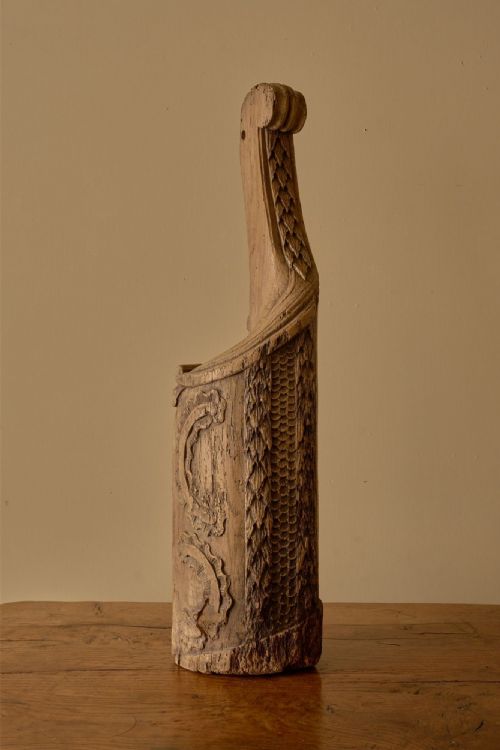
Rustic timber carving encompasses a diverse assortment of functional items and sculptural objects shaped from natural woods across the eighteenth, nineteenth, and early twentieth centuries. These pieces emerge from folk art traditions and country workshops rather than urban cabinetmakers, prioritising utility and character.
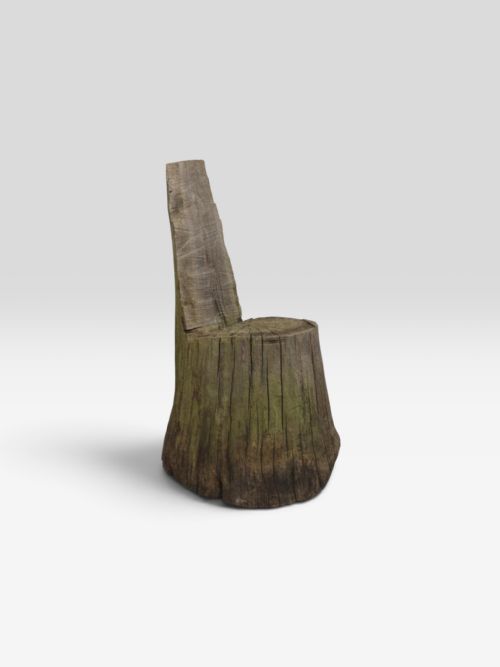
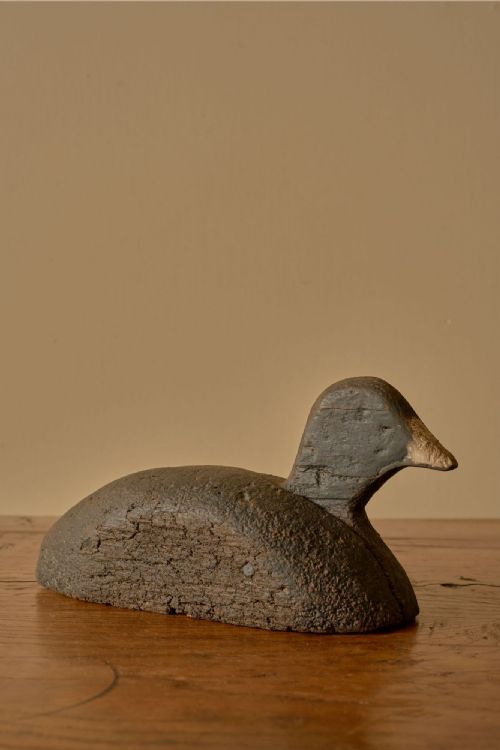
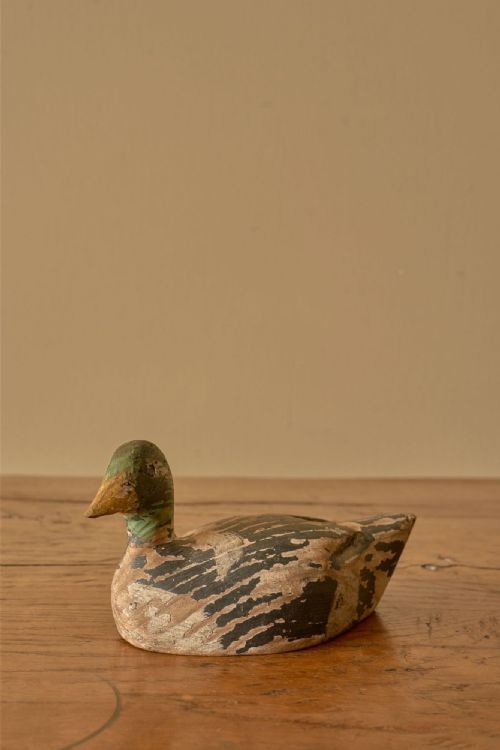
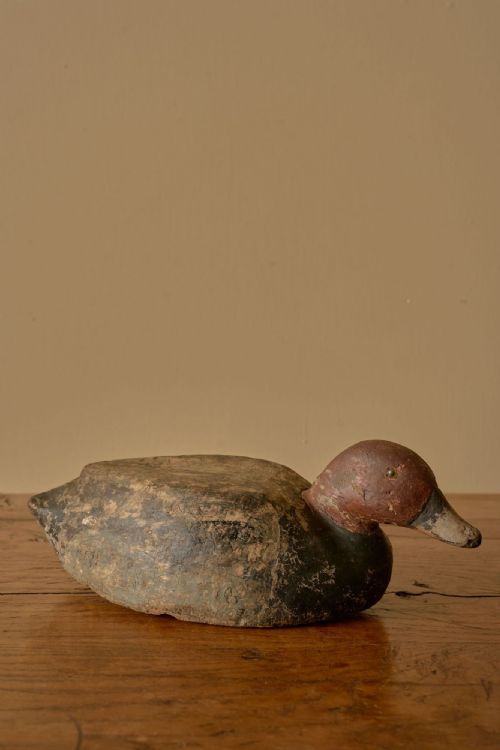
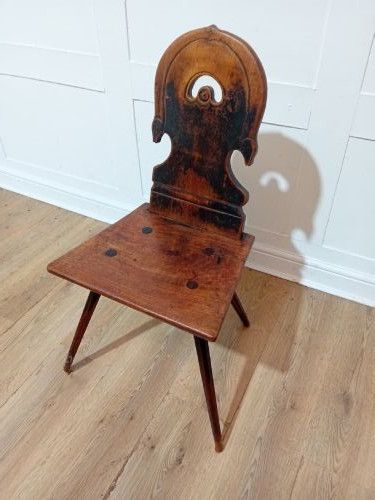
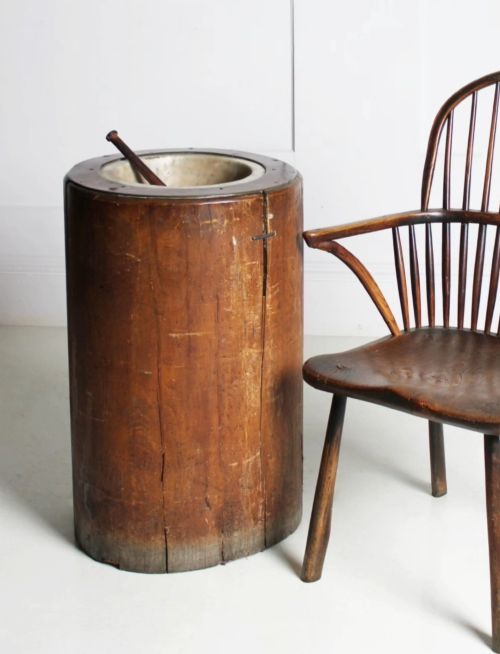
Stools, benches, settles, and side tables form the core of the utilitarian offerings alongside storage items like coffers and blanket chests. Decorative animal sculptures, architectural salvage, and carved wall pieces represent the more artistic side of the tradition.
Examples span various regional aesthetics, including Scandinavian country, Black Forest, and British folk art traditions. Oak, pine, and mixed hardwoods dominate the selection, often retaining traces of old paint or untreated natural surfaces.
Materials and Construction
Makers relied primarily on native timbers such as oak, fruitwood, pine, and mixed hardwoods readily available to local craftsmen. These woods were worked green or dry using basic hand tools like drawknives, gouges, and adzes to shape solid logs and planks.
Construction techniques remain straightforward and robust, utilising pegged joints, dovetails, and iron fixings where necessary for structural stability. Surfaces frequently display tool marks left by the maker, revealing the direct process of hand shaping the timber.
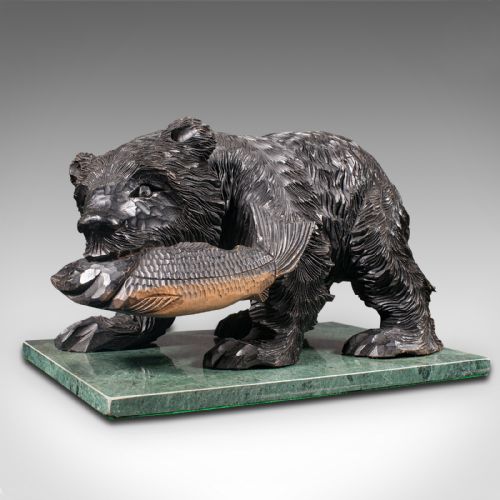
A carved wooden bear keeps a silent, steadfast watch over the room while holding up a small table.
Evaluating the Range
Quality in these pieces depends heavily on the strength of the sculptural form and the integrity of the surviving surface patina. Items that retain their original unstripped paint or deep, aged wax polish hold greater visual depth than those stripped down to bare wood.
Proportion and balance distinguish ordinary utility items from superior examples of vernacular design. A well-balanced silhouette and confident chisel work elevate utilitarian furniture into compelling pieces of folk art.
The Rustic Timber Carving Glossary
- Folk art
- Artistic work produced from an indigenous culture or peasant society, characterised by a naive style and practical utility. These objects are made outside formal academic traditions.
- Black Forest
- A nineteenth-century style of wood carving originating from the mountainous region of Germany and Switzerland, famous for realistic animal sculptures and household items. Limewood and walnut are typical mediums for these detailed works.
- Settle
- A wooden bench with high back and solid arms, designed to keep draughts away from people sitting near a fireplace. Older examples are typically constructed from heavy oak panels.
- Cricket table
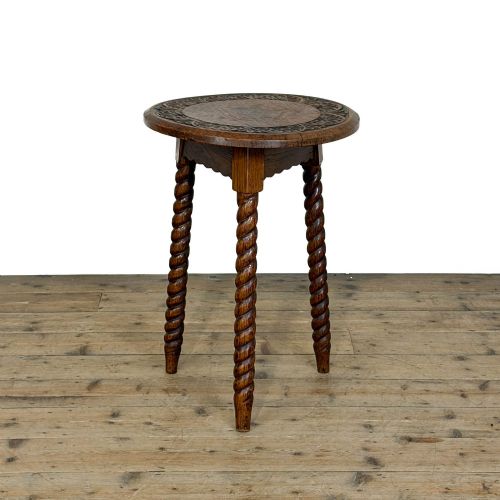
- A small, light table traditionally featuring three legs and a round top, originally used on uneven cottage floors. The three-legged design ensured the table remained stable without rocking.
- Patina
- The surface sheen and colour developed on wood through age, handling, and regular waxing over many decades. A rich patina indicates long-term use and careful preservation.
Rustic Timber Carving: Frequently Asked Questions
How were these carved items used?
Most items served practical daily functions in domestic or agricultural settings, providing seating, storage, or structural support in rural homes.
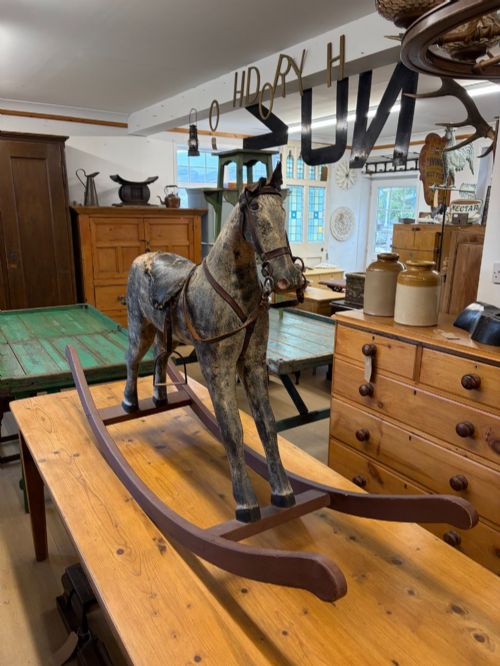
Others functioned purely as decorative art, such as carved animal heads, naive horse sculptures, and architectural ornaments meant to enhance domestic interiors.
How do I care for antique wood?
Maintain these wooden pieces by keeping them away from direct heat sources and sudden humidity changes that cause the timber to split.
Apply a microcrystalline wax occasionally to nourish the surface and preserve the historic patina without sealing the wood permanently.
How can I tell the period?
Dating relies on observing construction methods, tool marks, joinery styles, and the natural ageing of the timber over centuries.
Stylistic cues such as Jacobean revival details, Georgian proportions, or early twentieth-century folk art motifs also help place an object within its historical context.