



Rustic Tavern Stool
A rustic tavern stool brings solid timber character and honest utility to any room, offering robust seating shaped by decades of everyday use in country pubs and alehouses.
Rustic Tavern Stool
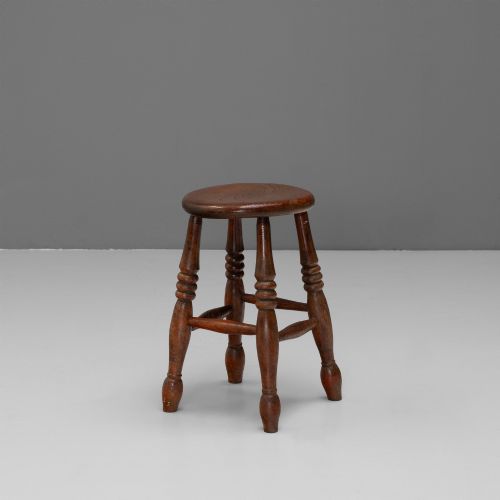
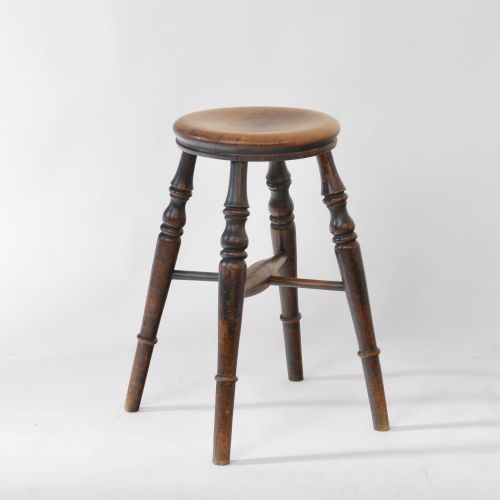
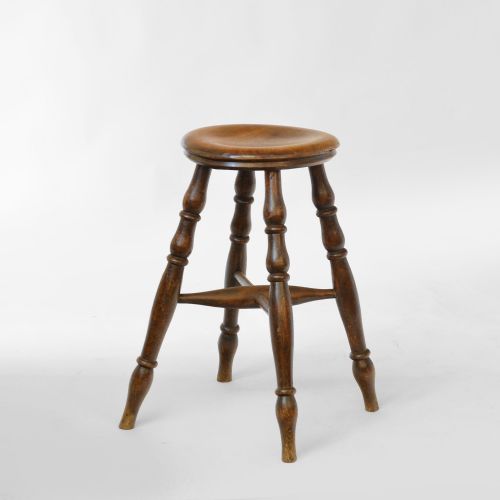
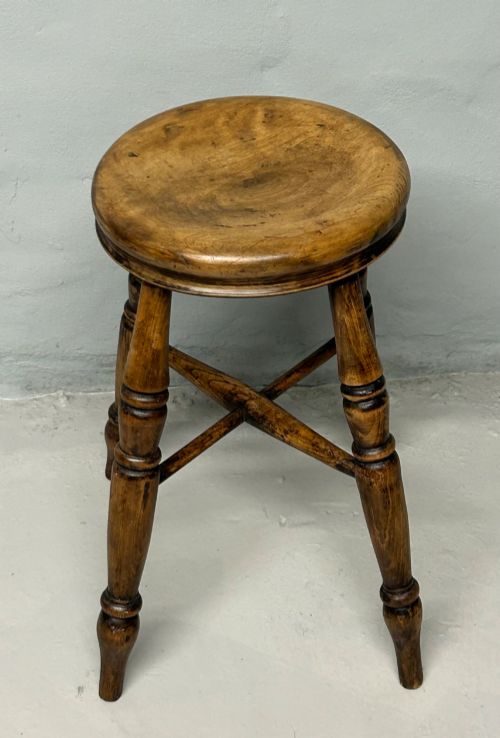
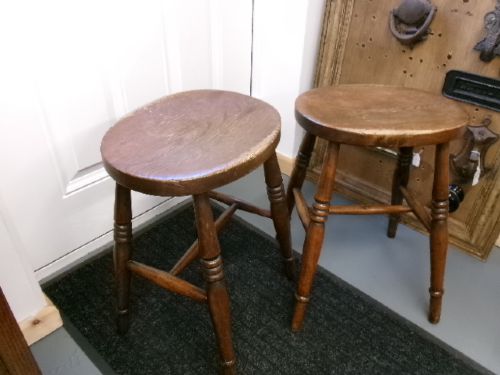
A rustic tavern stool is a functional seat designed for public houses, inns and country settings during the Georgian, Victorian and nineteenth-century periods. These utilitarian pieces emerge in various forms, including three-legged country stools, bar stools, alehouse stools and Windsor variants.
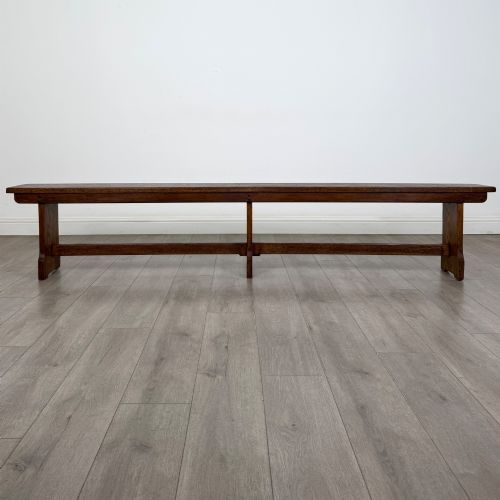
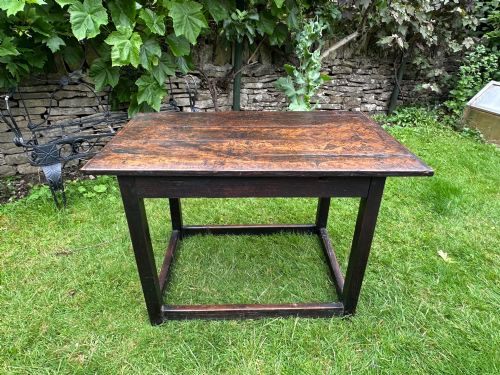
The most common version to meet on this page is the nineteenth-century pub or tavern stool, frequently constructed with a solid timber top and sturdy legs. Alongside stools, the selection includes related tavern benches, low side tables, cricket tables and plank top tables sharing the same vernacular aesthetic.
Makers shaped these items for practical public house and domestic service rather than formal display, resulting in honest construction without superfluous ornament. The geographical origins span English country workshops employing traditional regional woodworking methods.
How they were made
Craftsmen utilised native hardwoods such as oak, elm, ash, sycamore, beech and pollard oak to build durable seating capable of withstanding heavy daily use. Seats were often shaped from single planks or carved into oval dished tops for comfort.
Construction relied on traditional joinery, integrating turned or shaved legs into solid timber seats using wedged tenons or simple pegged joints. This straightforward method produced resilient furniture that remains sturdy after generations of service.
Many tavern stools survived because patrons used them more for resting boots than sitting.
What varies in quality
Quality depends on the integrity of the original timber and the degree of honest wear accumulated over the centuries. Pieces retain greater character when patination has developed naturally through handling rather than modern intervention.
Proportion and structural balance separate standard utilitarian examples from finer vernacular seating. The harmony between the turned or shaved supports and the solid seat determines the overall aesthetic success of the piece.
The Rustic Tavern Stool Glossary
- Dished top
- A seat surface hollowed out into a shallow concave dish for comfort. This shaping was carved directly into solid timber using adzes or gouges.
- Vernacular
- Everyday furniture made by local carpenters for domestic or commercial use rather than high-style cabinet makers working in urban centres. These pieces follow regional traditions and available local woods.
- Windsor stool
- A seat featuring turned legs wedged directly into a thick solid wooden base, adopting the construction methods of traditional Windsor chairs.
- Cricket table
- A small, light table traditionally supported by three legs, commonly fashioned with a circular or plank top for stability on uneven floors.
Rustic Tavern Stool: Frequently Asked Questions
What is a rustic tavern stool?
A rustic tavern stool is a heavy timber seat made for public houses and inns during the eighteenth and nineteenth centuries.
These pieces prioritise utilitarian strength and straightforward construction over formal decorative design.
How were tavern stools used?
They served patrons seated at bars, public house tables and tavern counters in busy rural and urban hostelries.
Their compact footprint allowed them to be tucked beneath counters or moved easily across flagged floors.
How do I care for antique wood?
Keep wooden tavern furniture away from direct heat sources and sudden humidity changes to prevent timber splitting.
Apply traditional beeswax occasionally to nourish the dry grain and maintain the natural surface sheen.
How can I date an old stool?
Examine the tool marks, timber species, joinery methods and the nature of the surface wear accumulated over time.
Nineteenth-century examples often display machine-sawn components alongside hand-finished turning, whereas earlier pieces rely entirely on hand tools.