


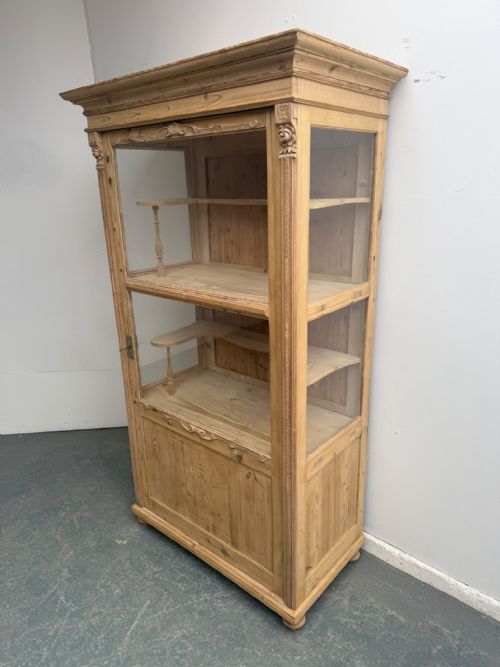
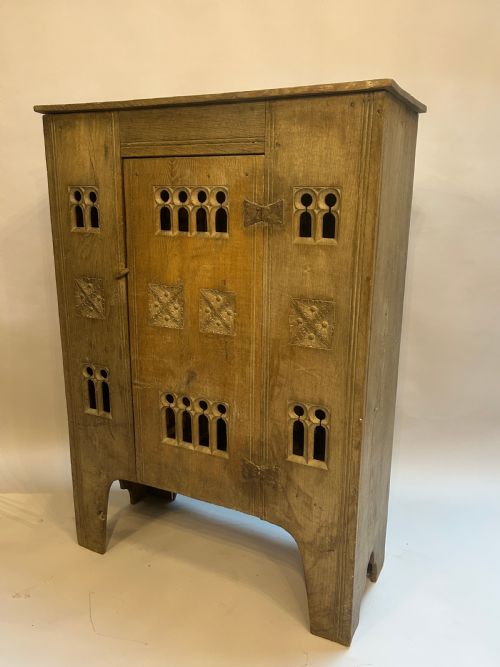
Rustic Tall Cabinet
A rustic tall cabinet brings vertical presence and honest utility to a room, using aged timber and straightforward joinery to store everyday provisions.
Rustic Tall Cabinet
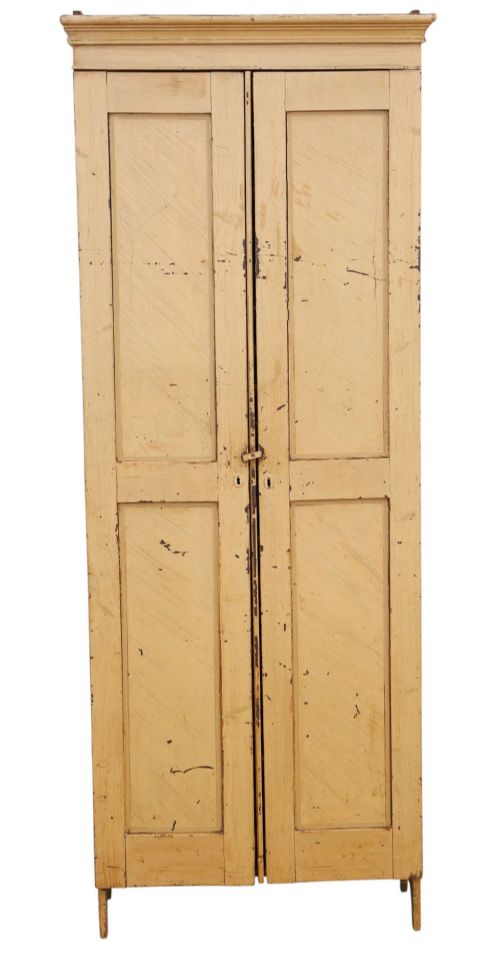
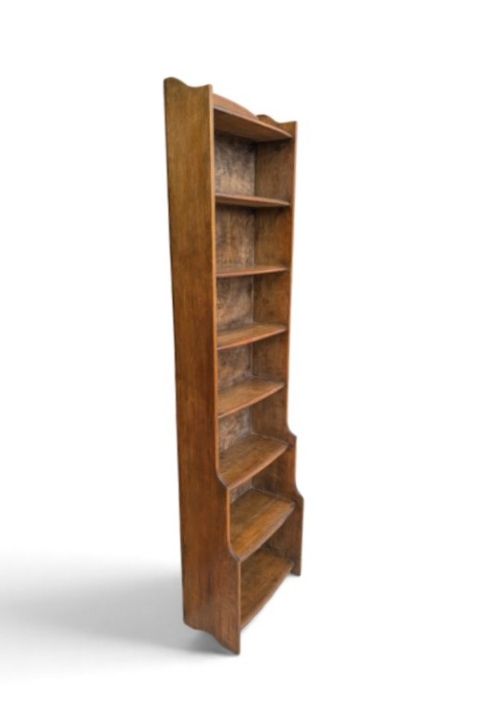
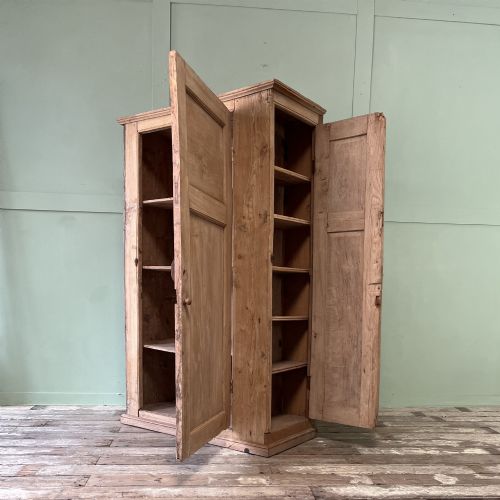
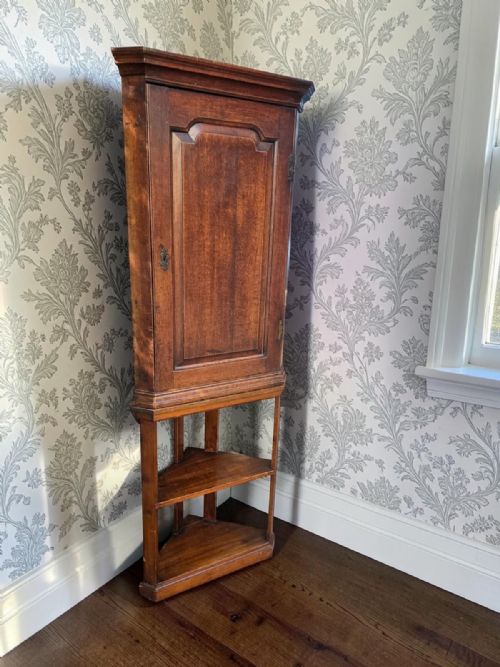
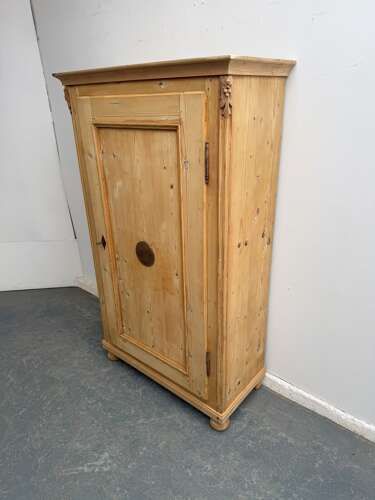
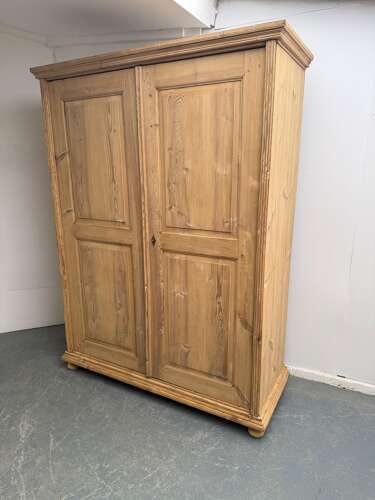
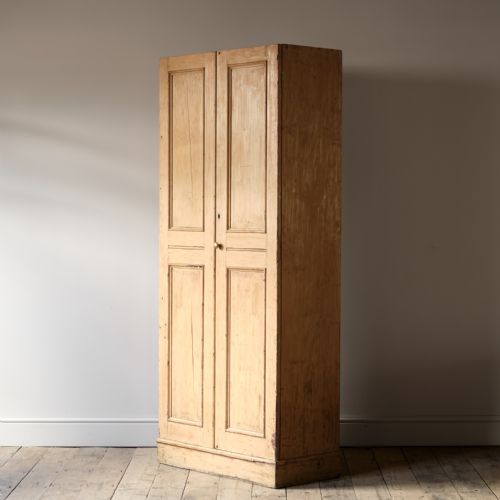
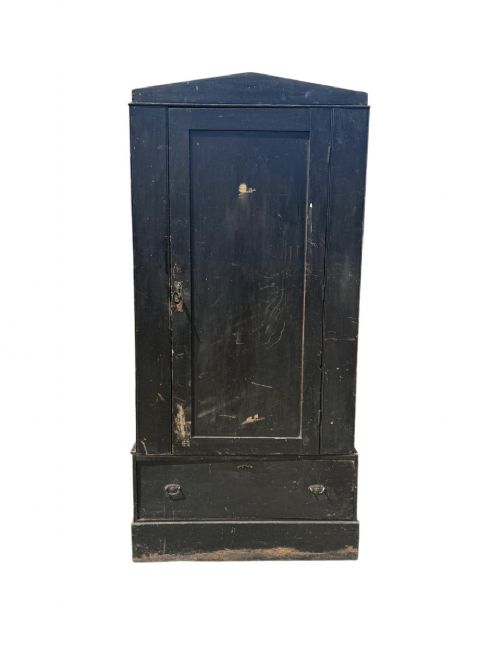
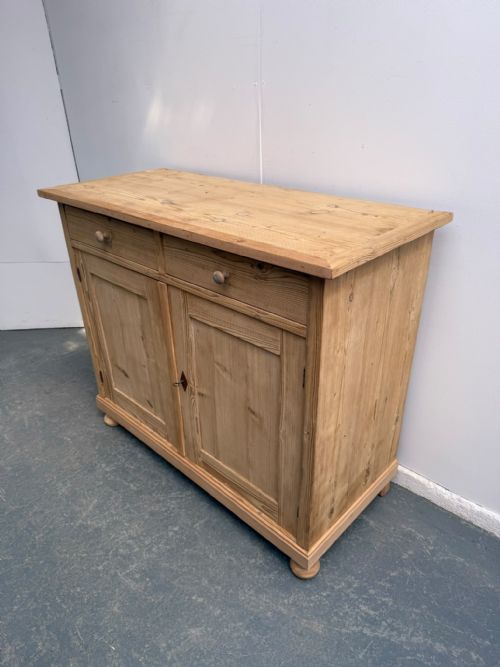
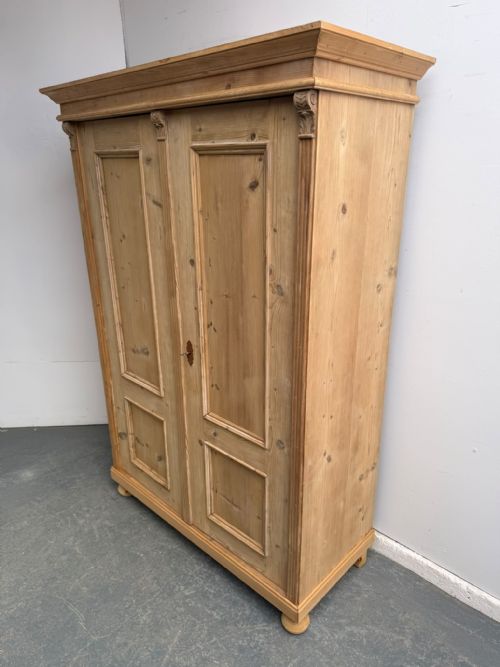
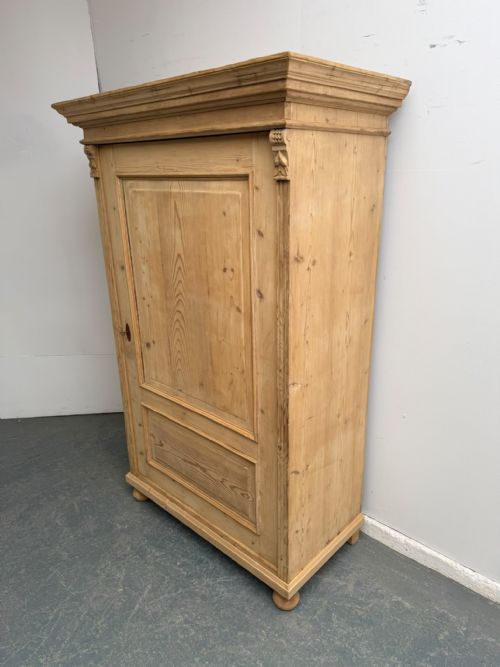
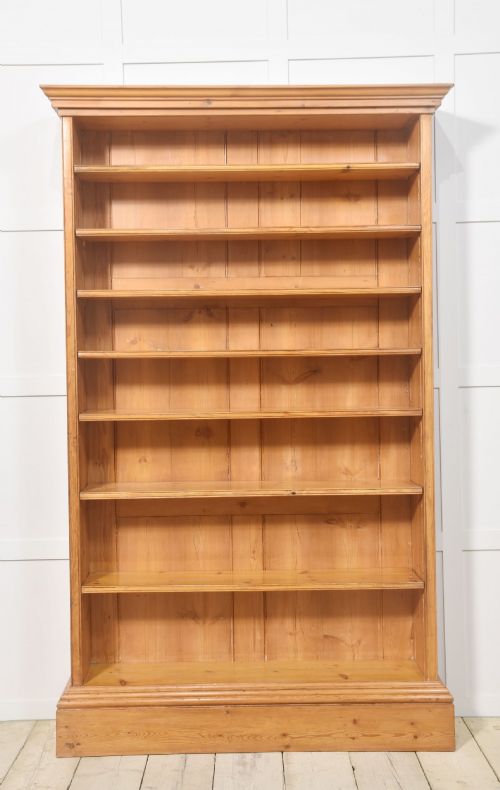
A rustic tall cabinet stands as a commanding vertical storage piece, taking forms such as housekeeper's cupboards, linen presses, wardrobes, bookcases, and food cupboards. These items serve functional roles in domestic interiors, offering generous capacity while occupying a modest floor footprint.
The inventory on this page draws heavily from Victorian and nineteenth-century examples, alongside eighteenth-century formats and early twentieth-century pieces. Pine dominates the material record, accompanied by oak, walnut, elm, cherrywood, and metal-bound variants.
Stylistic origins stretch across regional British, French provincial, Scandinavian country, and Indian traditions. Buyers encounter everything from painted chapel cupboards and glazed display cabinets to open bookcases and knockdown wardrobes.
How they were made
Construction relies primarily on solid timbers such as pine, oak, elm, and walnut, shaped with hand tools and traditional joinery methods suited to heavy daily use. Many surfaces display original or later paint finishes, wax treatments, or natural grain patination.
Iron and brass hardware, including hinges, locks, and metal binding, provide structural reinforcement and functional operation on doors and drawers. Glazed panels appear on display variants, while carved details adorn regional European armoires and food cupboards.
Pine and oak appear across multiple centuries, accompanied by walnut, elm, and cherrywood in regional styles.
What varies in quality
Quality rests upon the integrity of the timber, the original state of the surfaces, and the survival of period hardware. Pieces retaining untouched paint finishes or deep patination from wax carry greater integrity than those stripped down or heavily altered over time.
Proportion and scale dictate desirability, particularly when dealing with narrow footprints or one-piece architectural corners. The heft of solid oak or walnut construction differs noticeably from lighter pine utilities, while regional carving and brass detailing elevate specific regional types.
The Rustic Tall Cabinet Glossary
- Knockdown
- A piece of furniture designed to be dismantled into sections for ease of transport and assembly. This method appears frequently in large Victorian wardrobes.
- Linen Press
- A tall piece featuring upper sliding trays or shelves enclosed by doors, traditionally used for storing folded textiles. Lower drawers usually provide additional capacity.
- Fielded
- A panel with bevelled or recessed edges that fit into a surrounding frame. This technique allows timber to expand and contract with humidity changes.
- Skeleton Cupboard
- A cabinet fitted with open frames or minimal infill panels rather than solid sides. Such pieces often serve specialised storage functions.
- Armoire
- A large upright cupboard or wardrobe originating in continental Europe. These units typically feature heavy timber construction and double doors.
Rustic Tall Cabinet: Frequently Asked Questions
How do I use a tall cabinet in a modern kitchen?
A tall cabinet serves well as a pantry or larder for storing dry goods, crockery, and cookware. Its vertical height maximises storage without cluttering floor space.
Positioning the piece against a dining room or kitchen wall brings historic character and practical shelving into daily use.
What is the difference between a wardrobe and a linen press?
A wardrobe provides hanging space for garments behind full-length doors. A linen press incorporates internal sliding shelves or trays designed specifically for folded textiles.
Both share a tall vertical format but serve distinct storage requirements within a bedroom or dressing area.
Can these cabinets be dismantled for moving?
Certain large formats, such as knockdown wardrobes, were constructed to separate into manageable sections for transport. This design facilitates movement through narrow hallways and stairwells.
One-piece carcases require careful measurement of entryways prior to delivery.
How do I care for waxed pine furniture?
Maintenance involves applying a quality bees-wax periodically to nourish the dry timber and preserve the soft sheen. Avoid placing the piece near direct heat sources to prevent wood splitting.
Regular dusting with a soft cloth keeps the surface clean without damaging the historic finish.